The Ultimate Buyer's Guide: How to Choose the Best Perches for Your Parakeet
So, you’ve got a parakeet. A tiny, feathered overlord who rules your home with a squeaky iron fist. You provide the food, the clean water, the shiny toys, and what thanks do you get? Maybe a cute chirp, or maybe a well-aimed dropping. Such is the life of a bird servant.
But one of the most important things you’ll ever buy for your tiny boss isn’t a toy—it’s their furniture. That’s right, we’re talking about parakeet perches. Get this wrong, and you’re looking at a bird with sore feet and a serious grudge. Get it right, and you’re the hero of the cage.
Forget the confusing pet store aisles. This is your no-fluff, ultimate guide to choosing the best perches for your parakeet.
Why Are Perches Such a Big Deal, Anyway?
Think about it: your parakeet spends virtually its entire life on its feet. A bad perch is like making a human live on a sidewalk made of jagged rocks. Not comfortable, right? The right types of bird perches are crucial for:
- Foot Health:Prevents a nasty condition called bumblefoot (which is as unpleasant as it sounds) and keeps their little toes and joints in good shape.
- Exercise:Different textures and diameters work different muscles. It’s like their personal gym, but with more pooping.
- Mental Stimulation:A varied landscape keeps them from getting bored. A bored bird is a feather-plucking, grumpy bird.
- Comfort:They need spots to sleep, play, and survey their kingdom (aka your living room).
The Perch Hall of Fame (And Shame)
Not all perches are created equal. Let’s break down the contenders.
The Good: Natural Wood Perches
These are the MVPs of the best parakeet perches. They’re irregular, bumpy, and mimic what birds would find in the wild.
- Pros:Great for foot exercise, comes in various diameters, and they love to chew on them. It’s a perch and a snack-time activity all in one!
- Cons:They can get dirty and might need to be replaced once they’ve been gnawed into a toothpick.
- Pro Tip:Make sure the wood is bird-safe! Apple, Manzanita, and Java wood are fantastic choices. Avoid wood from toxic trees like oak or cherry.
The Comfy One: Rope Perches
These are the cozy hammocks of the bird world. Made from cotton or sisal, they’re soft and perfect for lounging.
- Pros:Super comfortable, great for gripping, and you can bend them into fun shapes for parakeet cage setup.
- Cons:Your bird might decide it’s also a delicious spaghetti dinner and chew it. Always check for loose threads that could tangle their toes, and replace it if it looks frayed.
The Pedicure Station: Cement or Sandy Perches
Think of these as the nail files for birds. They are rough-textured perches that help naturally file down your parakeet’s claws and beak.
- Pros: Excellent for maintaining parakeet foot health and preventing overgrown nails.
- Cons: ARE THEY SAFE? Yes, but with a big warning: Never make this the main perch! The rough texture can irritate the soft soles of their feet if they’re on it all the time. Place it near a food dish or in a spot they don’t sleep on, so they only use it occasionally.
The “Why Is This Even Sold?”: Dowel Perches
Ah, the classic, smooth, boring dowel perch that comes with every cage ever made. It’s the fast food of perches—everywhere, but terrible as a steady diet.
- Pros:… They are cheap?
- Cons: They are all the same diameter, which means your bird’s feet are always in the same position. This can lead to pressure sores, arthritis, and foot problems. If your cage came with these, it’s time for an upgrade. Your bird’s feet will thank you.
Setting Up Your Parakeet’s Dream Pad
Now that you know the players, how do you arrange them? A good parakeet cage setup is like interior design for tiny, demanding clients.
- Variety is Key: Use a mix of the perch types above. A natural wood perch up high for sleeping, a rope perch for lounging in the middle, and a cement perch lower down near a food cup.
- Different Diameters: This is the golden rule of choosing parakeet perches. Offer thin, medium, and thick perches. A good range is from ½ inch to 1 inch in diameter. This ensures their feet aren’t always clenched in the same way.
- Place Them Strategically: Don’t put a perch directly over a food or water dish unless you enjoy a side of birdie poop in your birdie’s dinner. Place perches at different heights and angles to encourage climbing and movement.
- Don’t Clutter the Cage:Leave plenty of room for flapping! A cramped cage is a sad cage.
The Final Word (Or Chirp)
Choosing the best perches for your parakeet isn’t rocket science, but it is bird science. And bird science is important. Ditch the boring dowels, embrace a variety of textures and sizes, and always, always prioritize your bird’s foot comfort.
Your parakeet might not say “thank you” (they rarely do), but you’ll see the gratitude in their healthy, active, and happy little selves. Now go forth and build that five-star, feathery resort!
5 Best Parakeet Perches for HEALTHY Feet (Vet-Recommended)
Let’s be honest. Your parakeet’s feet are probably not the first thing you admire about them. You’re busy cooing over their pretty feathers and listening to their chaotic little songs. But those tiny, scaly feet are what they stand on 24/7. Imagine if you had to stand on the same, uncomfortable bar all day, every day. You’d be pretty grumpy, too!
Sore feet can lead to a serious condition called bumblefoot, and nobody wants that for their feathered friend. The secret to maintaining parakeet foot health is variety. So, let’s ditch the boring, one-size-fits-all dowel and look at the best parakeet perches that vets actually recommend for keeping those toes in tip-top shape.
1. The All-Star: Natural Wood Perches
Why it’s a winner: This is the gold standard, the MVP, the comfy orthopedic shoe of the bird world. Natural wood perches are irregular and bumpy, which means your parakeet’s feet aren’t stuck in the same position all the time.
· Vet-Recommended For: Encouraging natural foot exercise and preventing pressure sores.
· What to Look For: Bird-safe woods like manzanita, dragonwood, or apple tree branches. They’re also great for chewing, which keeps beaks busy. It’s a perch and a toy in one!
· Pro Tip: Make sure you get a few different diameters to give their feet a real workout.
2. The Pedicure Specialist: Cement or Ceramic Perches
Why it’s a winner: These are the nail files of the parakeet universe. The rough texture helps naturally file down your bird’s claws, which can mean fewer stressful trimming sessions for both of you.
· Vet-Recommended For: Keeping budgie nails trimmed and beak maintenance.
· What to Look For: A smooth, rounded top with the abrasive texture on the sides. Avoid the super gritty, sandpaper-like ones that can be too harsh.
· Funny Line: Think of this as their spa day station. Just don’t expect them to leave a tip.
· Important Safety Note: Never make this your bird’s main or highest perch. The constant rough contact can hurt their feet. Place it in a spot where they hang out, but not where they sleep.
3. The Comfy Couch: Rope Perches
Why it’s a winner: Made from soft, braided cotton or sisal, these perches are the cozy armchairs of the cage. They’re soft on the feet and provide a great, grippy surface.
· Vet-Recommended For: Adding a soft, flexible resting spot and helping with parakeet foot comfort.
· What to Look For: Tightly woven, bird-safe rope. You can even find them in fun colors to brighten up the cage!
· Watch Out For: If your bird is a chewer, they might nibble the threads. Regularly check for loose strings that could tangle around their toes and trim them.
4. The Therapeutic Helper: Pedi-Perches / Condition Perches
Why it’s a winner: These are like the cement perch’s smarter cousin. They are often made with a gentler, more forgiving abrasive and are specifically shaped to promote a healthy foot grip.
· Vet-Recommended For: Birds that are already showing signs of minor foot discomfort or for owners who are super serious about preventing bumblefoot in parakeets.
· What to Look For: Brands like Polly’s Pet Products that have a proven track record. They often have a unique, ergonomic shape.
· Funny Line: This is the closest your parakeet will get to having a personal podiatrist on call.
5. The Surprise MVP: A Simple, Knobbly Branch
Why it’s a winner: Sometimes, the best thing isn’t from a pet store at all. A safe, clean branch from a non-toxic tree (like elm, apple, or ash) can be the ultimate safe parakeet perch. It’s perfectly natural, has an unpredictable shape, and is free!
· Vet-Recommended For: Providing the most natural and varied footing experience possible.
· What to Look For: A branch with lots of twists, turns, and varying thicknesses.
· Pro Tip: Always scrub it well with hot water and let it bake in the sun or a low oven to kill any bugs before putting it in the cage. Your bird will think you’ve brought them a whole new adventure.
The Golden Rule of Perch Setup
So, you’ve bought the top 5 bird perches. Now what? The secret isn’t just having them—it’s how you arrange them.
Variety is everything! A great parakeet cage setup includes a mix of all these perch types. Place a comfy rope perch up high for sleeping, a natural wood perch in the middle for playing, and the cement pedicure perch near a food cup for occasional use.
By giving your parakeet a choice, you’re not just decorating their cage. You’re building a foot-healthy paradise. Their happy, healthy feet will thank you with many more years of chirps, chatter, and judging your life choices from afar.
Natural Wood Perches for Parakeets: Benefits and Top 5 Picks
Let’s play a quick game. Look at your parakeet’s cage. How many of the perches are smooth, plastic dowels that came with the cage? If you’re holding up more than one finger, don’t worry—you’re not alone. But it’s time for an upgrade.
Think of those standard dowels as a flat, hard kitchen floor. It’s fine to walk on, but you wouldn’t want to stand on it all day. Your parakeet doesn’t want to either! That’s where natural wood perches for parakeets come in. They’re the ergonomic office chairs of the bird world.
So, why is everyone chirping about them? Let’s dig in.
Why Your Parakeet is Begging for a Natural Wood Perch
Switching to a natural wood perch isn’t just a style choice; it’s a major health boost. Here’s why they’re a must-have for any safe parakeet perch setup:
- They Keep Feet Fit & Healthy: This is the big one. Smooth, uniform perches force a bird’s feet into the same position forever. This can lead to soreness and even a condition called bumblefoot. Natural perches, with their varying thickness and bumps, act like a constant, gentle foot massage. They’re crucial for maintaining parakeet foot health.
- They’re a Built-in Chew Toy: A parakeet’s beak is like a toddler’s hands—it needs to be busy! Chewing on a natural perch is a fantastic way to relieve boredom, prevent overgrown beaks, and keep their minds active. It’s enrichment that you don’t have to wind up.
- They Just Feel Right:In the wild, birds don’t perch on perfectly smooth plastic. The texture and feel of real wood are what they’re naturally designed for. It provides a secure, non-slip grip, making them feel more at home. It’s the difference between walking on slippery tile and a nice, textured carpet.
Our Top 5 Picks for the Best Natural Bird Perches
Alright, enough science. Let’s get to the good stuff! Here are five fantastic natural wood perches that will make your feathered friend do a happy dance.
The All-Rounder: Manzanita Wood Perch
- Why We Love It:Manzanita is the superhero of bird woods. It’s incredibly hard, so it lasts forever even against the most determined chewers. It has a beautiful, smooth bark with just enough natural variation to be interesting for little feet.
- Best For:A main, long-lasting perch that you can count on. It’s a top choice for anyone looking for durable budgie perches.
The Gnarly & Fun: Grapewood Perch
- Why We Love It:If Manzanita is the sleek sports car, Grapewood is the cool, quirky jeep. It’s covered in twists, turns, and knobs that are an absolute adventure for your parakeet to climb on.
- Best For:Adding a fun, 3D playground element to the cage. It’s perfect for parakeet cage accessories that encourage exercise.
- Heads Up:It’s a softer wood, so a serious chewer might turn it into sawdust faster than a Manzanita. But the fun is worth it!
The Branch Manager: Dragonwood Perch
- Why We Love It:Dragonwood has a cool, scaly-looking bark that provides an awesome texture for gripping. It’s less common but offers a great shape and is very sturdy.
- Best For:Owners who want something a little different that’s still tough and foot-friendly.
The DIY Special: Safe Tree Branches
- Why We Love It:The price is right—it’s free! You can create your own DIY natural perch from non-toxic trees like apple, elm, or ash (just make sure they’ve never been sprayed with pesticides).
- Best For:The budget-conscious bird owner who wants a completely custom shape.
- Pro Tip:Scrub the branch with a vinegar-water solution and then bake it in the oven at 200°F for 30-60 minutes to kill any bugs. Let it cool completely before installing!
The Multi-Angle Marvel: The Cholla Wood Perch
- Why We Love It:Cholla cactus wood is naturally cylindrical and hollow with lots of holes. This makes it amazing for climbing, and the unique texture is great for feet and beaks.
- Best For:Adding visual interest and a fun, chewy texture. It doubles as a parrot safe wood for chewing and playing.
A Quick Safety Check Before You Buy
Not all wood is created equal! Before you introduce any new perch, make sure it’s made from a bird-safe wood. Stick to known types like the ones listed above. Always avoid wood from toxic trees like oleander, cherry, or peach.
By adding a few natural wood perches to your setup, you’re not just decorating a cage. You’re building a healthier, happier, and more engaging home for your tiny, feathered boss. Go on, give their feet the upgrade they deserve
Dowel Perches vs. Natural Perches: Which is Better for Your Budgie?
If you’ve ever set up a budgie cage, you’ve faced The Great Perch Debate. On one side, you have the smooth, perfectly round dowel perches that come with every cage ever made. On the other, you have the gnarly, twisty, natural wood perches that look like they fell off a tree (because they did).
It’s the classic showdown: the factory-made standard vs. the rustic, all-natural option. But which one is actually better for your feathered friend? Let’s settle this once and for all, no seed spilled.
Meet the Contenders
In the Blue Corner: The Dowel Perch
This is the default. It’s the plain, boring, and incredibly common perch that’s probably in your budgie’s cage right now. It’s like the white bread of the bird world—it serves a purpose, but is it any good?
In the Green Corner: The Natural Wood Perch
This is the challenger. It’s the irregular, bumpy, branchy perch that promises a taste of the wild. It’s the artisanal, multi-grain sourdough of perches. Fancy!
Round 1: The Comfort & Foot Health Showdown
This is the main event. Your budgie stands on its feet almost 24/7. So, what are they standing on?
- The Dowel Problem:Imagine wearing shoes that were a single, hard, rigid size and shape, and you could never take them off. Your feet would be killing you! That’s the life of a budgie on only dowel perches. The perfectly uniform shape means their feet are always in the same position, which can lead to pressure sores, arthritis, and a nasty condition called bumblefoot in budgies. Ouch.
- The Natural Perch Advantage:Natural perches are like a custom-made, orthopedic foot spa. The varying diameters and textures give their feet a gentle workout, preventing sores and promoting healthy blood flow. It’s the clear winner for maintaining budgie foot health.
Winner: Natural Perches, by a mile.
Round 2: The Boredom Buster Battle
Budgies are smart. A bored budgie is a budgie that might start plucking its own feathers out of sheer frustration.
- The Dowel Problem:Let’s be real, a dowel perch is boring. You can’t chew it, it doesn’t feel interesting, and it offers zero mental stimulation. It’s a functional stick, and that’s it.
- The Natural Perch Advantage:A natural wood perch is a gym and a chew toy in one! Budgies love stripping the bark and gnawing on the wood. This keeps their beaks trim and their minds active, which is crucial for their well-being. It’s a key piece of budgie cage enrichment.
Winner: Natural Perches, again.
Round 3: The Grip & Security Scrimmage
Have you ever seen your budgie slip on a perch? It’s a little funny, but it’s not safe!
- The Dowel Problem:A smooth, plastic dowel can get slippery, especially if it gets a little wet or dirty. This isn’t great for a confident grip.
- The Natural Perch Advantage:The rough, bark-covered surface of a natural perch provides a perfect, non-slip grip. Your budgie will feel secure and stable, whether they’re sleeping, playing, or judging you while you eat.
Winner: Natural Perches.
So, Are Dowel Perches Evil?
Not exactly. But they should be used like junk food—sparingly.
The real problem isn’t having *a* dowel perch; it’s having only dowel perches. If your budgie loves one particular dowel, you don’t have to throw it out in a dramatic ceremony. The key is to not make it their main resting spot.
Think of it this way: a dowel is fine for a quick landing pad, but it’s a terrible bed.
The Final Verdict: Which is Better for Your Budgie?
So, in the battle of dowel perches vs. natural perches, the winner is clear: Natural wood perches are the better, healthier, and safer choice for your budgie.
They are the undisputed champion for preventing foot problems and keeping your bird entertained. A happy budgie cage is one filled with a variety of perch types—different textures, different thicknesses, and different materials.
So, do your budgie’s feet a huge favor. Go to your local pet shop or look online for safe wood for budgies like manzanita, dragonwood, or applewood. Replace a few of those boring dowels and watch your bird enjoy their new, foot-friendly furniture. Their happy chirps will be all the thanks you need
Best Rope Perches for Parakeets: Safety Guide & Reviews
Let’s talk about the comfy couch of the bird world: the rope perch. If a standard wooden perch is a kitchen chair, a rope perch is a soft, squishy armchair for your feathered friend. They’re bendy, colorful, and look like the perfect spot for a birdie nap.
But wait! Before you run out and buy the first one you see, there’s an important conversation we need to have about safety. I know, it sounds serious, but don’t worry—it’s simple. With a few easy tips, you can make sure your parakeet’s new favorite hangout is also their safest.
Let’s untangle the world of rope perches for parakeets together.
The Safety Lowdown: Your #1 Priority
Rope perches are amazing, but they come with one big “watch out.” The material can fray over time, especially if you have a little chewer on your hands. Loose threads can wrap around tiny toes or legs, cutting off circulation. It’s a scary thought, but it’s 100% preventable.
Here’s your simple safety guide for bird perches:
- Inspect, Inspect, Inspect!Make it a habit. Every time you clean the cage, run your fingers along the rope perch. Feel for any loose threads or chewed-up spots. It should take five seconds and is the best thing you can do.
- Snip, Don’t Rip:If you find a loose thread, don’t pull it! Pulling it could make the whole thing unravel. Just grab a pair of scissors and snip the thread off as close to the base as you can.
- Know When to Say Goodbye:If the perch looks like it lost a fight with a lawnmower and is more thread than rope, it’s time to retire it. Your parakeet’s safety is worth more than a $10 perch.
- Material Matters:Most are made from cotton or sisal, which are generally safe for parakeets. Avoid any made with mystery fibers or ones that have a strong chemical smell.
Got it? Good! Now that we’ve covered the serious stuff, let’s look at some of the best and most popular options out there.
Top Rope Perch Picks for Your Parakeet
Here are a few standout rope perches that bird owners love.
The Classic All-Rounder: Prevue Hendryx Natural Cotton Rope Perch
- The Review:This is the go-to for a reason. It’s made of durable, natural cotton rope and has a flexible wire inside that you can bend into fun shapes—perfect for creating awesome parakeet cage setups. It’s a great basic perch that does its job well.
- Why Parakeets Love It:It’s soft underfoot and they can shape their own jungle gym.
- Safety Check:The cotton is tough, but always check for fraying, especially at the ends.
The Super-Soft Spot: JW Pet Comfy Perch
- The Review:The name says it all. This perch is covered in a soft, fuzzy material that feels like a plush blanket for bird feet. It’s fantastic for parakeet foot comfort, especially for older birds or ones who just enjoy the finer, cozier things in life.
- Why Parakeets Love It:It’s literally a comfy perch. What’s not to love?
- Safety Check:The covering can get dirty faster, so you might need to spot-clean it. Keep an eye out for any pulling in the fabric.
The Colorful Fun-One: Living World Colorful Rope Perch
- The Review:Want to add a pop of color to the cage? This is your pick. It’s a bright, bendy perch that makes the cage look more fun. The colors are dyed with bird-safe materials, so no worries there.
- Why Parakeets Love It:The bright colors can be visually stimulating, and it’s just as bendy and fun as the natural ones.
- Safety Check:Same rules apply! Check for fraying, even on the colorful bits.
The Final Word: Are Rope Perches a Good Idea?
Absolutely, yes! Rope perches are a fantastic part of a varied parakeet cage accessory collection. They provide a soft, grippy surface that is gentle on feet and encourages climbing and playing.
Just remember the golden rule: a safe rope perch is a watched rope perch.
By doing your quick weekly check-up, you can prevent any problems and ensure your parakeet enjoys their cozy couch for a long, long time. Now go forth and create the comfiest, safest, and most fun cage your parakeet has ever seen.
DIY Parakeet Perches: 7 Safe & Easy Branches You Can Use
Is your parakeet giving you the side-eye? That little head tilt that says, “Is this all you’ve got? A couple of boring, store-bought sticks?” It might be time to spice up their life with some custom furniture. And the best part? It’s free!
Making your own DIY parakeet perch isn’t just a fun weekend project; it’s a fantastic way to give your bird the varied, foot-friendly textures they crave. Plus, you get to feel like a master carpenter, but for a client who weighs about 30 grams and pays in dropped millet.
Before we start, the number one rule: Safety first! Always know exactly what tree a branch comes from. When in doubt, leave it out.
Your Branch “Shopping List”: 7 Safe Woods for Budgies
Here are seven common, bird-safe wood types you can likely find in your backyard or a local park (away from traffic and pesticides!).
- Apple Tree Branches:The ultimate safe wood for parakeets. It’s sturdy, the bark is great for gripping, and they can safely chew it to their heart’s content. It’s a classic for a reason.
- Elm Branches:A tough and durable wood that can handle even the most enthusiastic chewer. Look for branches with interesting forks to create a cool climbing structure.
- Ash Branches:Another great, hardy option. The bark is usually textured, which is perfect for keeping your parakeet’s feet healthy and active.
- Birch Branches:You’ll recognize these by their famous papery white bark. It’s safe, and many birds love peeling the thin bark off—it’s like unwrapping a present for them!
- Willow Branches:These are a bit softer, making them easier for smaller beaks to gnaw on. They’re also naturally flexible, which can be fun for your bird.
- Pine Branches:Yes, pine is generally safe! The key is to make sure it’s fully dried and that any sticky sap has hardened or been removed. Avoid woods like cedar, as they can be toxic.
- Manzanita Branches:If you live in an area where it grows, manzanita is the gold standard for durable bird perches. It’s incredibly hard and lasts forever. It’s like the diamond of the bird branch world.
How to Turn a Branch into a 5-Star Perch: A Simple Guide
You’ve found your branch. Now what? You can’t just bring it in from outside and call it a day. We need to evict any tiny hitchhikers.
Step 1: The Scrub-Down
Give the branch a good bath with warm water and a dash of white vinegar or a tiny bit of natural, unscented dish soap. Use a scrub brush to get off any dirt, bird poop (from wild birds), or other grime. We’re going for clean, not sterile.
Step 2: The Bug Bake-Out
This is the most important step for making safe bird perches. Preheat your oven to 200-250°F (93-121°C). This is a low, slow heat meant to kill any bugs or mold without setting the branch on fire.
- Place your cleaned branches on a baking sheet.
- Bake them for 30-60 minutes. Keep an eye on them!
- Let them cool down COMPLETELY before you even think about putting them in the cage.
Step 3: Installation Time!
Now for the fun part—designing your parakeet playground ideas! You have a few options:
- Replace a Old Perch:Simply use the existing hardware from a worn-out perch and screw your new branch into the same spots.
- Get Creative:Use untreated leather strips or sturdy, natural sisal rope to tie the branch securely to the cage bars at different angles.
- Mix and Match:Don’t just make one. Create a whole set of DIY natural perches at different thicknesses to give your parakeet’s feet a proper workout.
A Quick “Do Not Use” List
Just as important as the “do use” list is the “don’t” list. Avoid woods from trees like:
- Cherry
- Oak
- Walnut
- Cedar
- Redwood
These can be toxic to our feathered friends.
So there you have it! With a little effort, you can create a stimulating, healthy, and budget-friendly environment for your parakeet. They’ll love their new, custom-chewed furniture, and you’ll love the satisfaction of building it yourself. Happy crafting
How to Set Up Perches in a Parakeet Cage (Placement Guide)
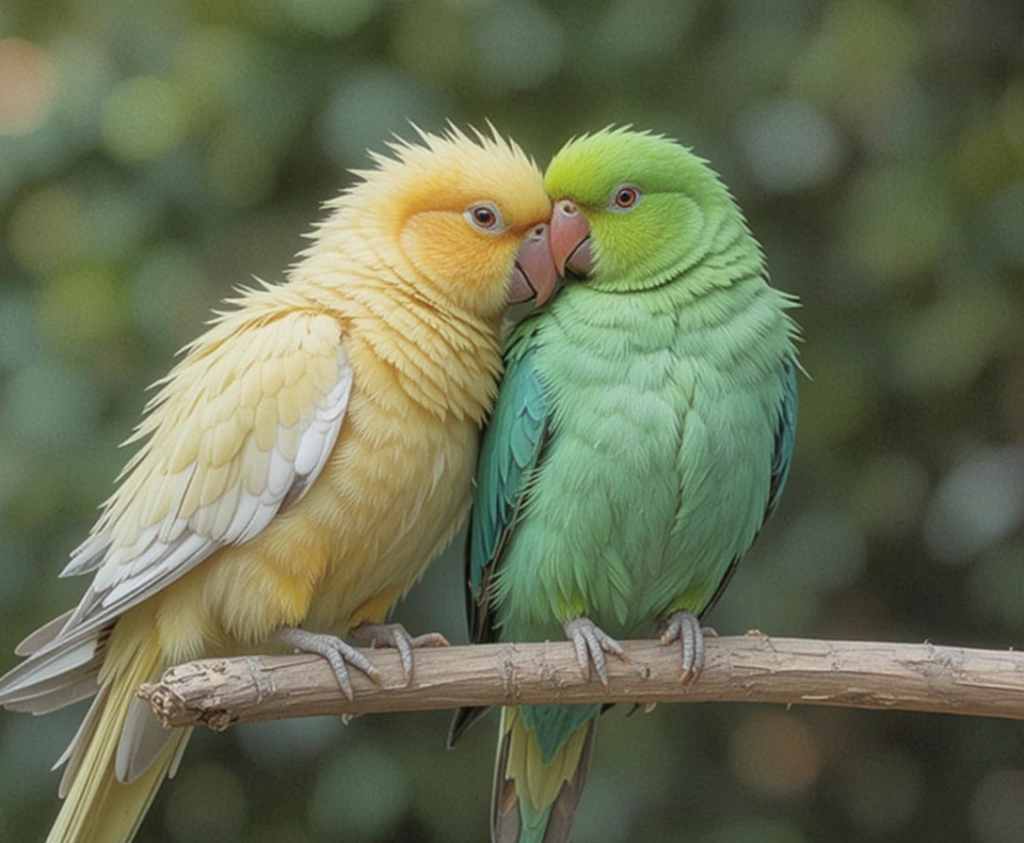
So, you’ve bought a bunch of awesome perches for your parakeet. You’ve got the twisty wood, the comfy rope, the pedicure cement… now what? Do you just throw them in there and hope for the best?
Think of it this way: setting up perches isn’t just filling a cage with sticks. It’s parakeet interior design. You’re not just a bird owner; you’re an architect for a tiny, feathered client who has very strong opinions about poop placement.
Getting the parakeet cage setup right is crucial for your bird’s health and happiness. A bad layout can lead to bored, stressed, or even injured birds. Let’s build a five-star resort, not a messy dorm room.
The Golden Rule of Perch Placement: Variety is Everything
Just like you have a sofa, a desk chair, and a bed, your parakeet needs different “rooms” in their cage. The goal of a good parakeet perch setup is to create a stimulating and safe environment.
Here’s how to place perches like a pro.
1. Create a “High-End” Neighborhood (The Sleeping Loft)
In the wild, birds feel safest up high. Your parakeet’s favorite sleeping spot will always be the highest perch in the cage.
- What to do:Place a sturdy, comfortable perch (like a natural wood or a soft rope perch) at the very top of the cage. Make sure it’s not so close to the top that their head touches the ceiling—that’s just rude.
- Pro Tip:This should be their main “bed.” Don’t put their messy food or mineral block directly underneath it. Trust me on this one.
2. Avoid the “Poop Zone”
This is the most important rule in setting up a bird cage. Never, ever place a perch directly above a food dish or a water cup.
Why? Because what goes in must come out. You wouldn’t want to eat your dinner under a bathroom, and neither does your parakeet. Always check the sightlines from perches to dishes and adjust accordingly.
3. Think Like a Jungle Gym: Angles & Textures
A straight line is boring! Birds love to climb and explore.
- Mix Up the Angles:Don’t place all your perches parallel to each other. Create a fun pathway by placing perches at different angles—some horizontal, some diagonal. This encourages movement and play.
- Vary the Thickness:Use perches of different diameters. This is non-negotiable for maintaining parakeet foot health. It gives their feet a workout and prevents pressure sores.
4. The “No-Fly Zone” and Open Space
Your parakeet needs room to actually, you know, fly. Even in a cage, they need to be able to flap their wings without hitting a perch every time.
- What to do:Leave at least one clear, open flight path across the length of the cage. Don’t clutter the middle with too many perches. Think of it as the main highway for quick trips.
5. Strategic Pedicure Placement
That rough cement perch is great for keeping nails trim, but it’s terrible for sleeping on.
- What to do:Place the cement or sandy perch in a lower-traffic area, maybe near a food dish they use often. This ensures they use it regularly for filing their nails, but don’t spend all night standing on its harsh surface.
A Sample Parakeet Cage Layout for Beginners
Feeling overwhelmed? Here’s a simple blueprint to get you started:
- Top/Back Corner:A comfy rope or natural wood perch for sleeping.
- Middle/Left Side:A twisty grapewood perch at a diagonal for climbing.
- Middle/Right Side:A different textured perch (like manzanita) running horizontally.
- Lower Section:The cement perch placed near a food dish.
- Center:Keep this area clear for flying!
Your Final Checklist for the Perfect Setup
Before you call your interior design work complete, do a quick scan:
- Is there a high, cozy sleeping perch?
- Are there no perchesabove food or water?
- Do the perches have different thicknesses and textures?
- Is there a clear flight path?
- Is the cement perch in a low-traffic spot?
By following this parakeet cage placement guide, you’re not just arranging furniture. You’re building a safe, fun, and healthy home that encourages natural behaviors. Your parakeet will thank you with happy chirps, playful antics, and hopefully, by aiming their droppings at the cage liner and not your masterpiece.
The Best Cement or Sandy Perches for Parakeets: Are They Safe?
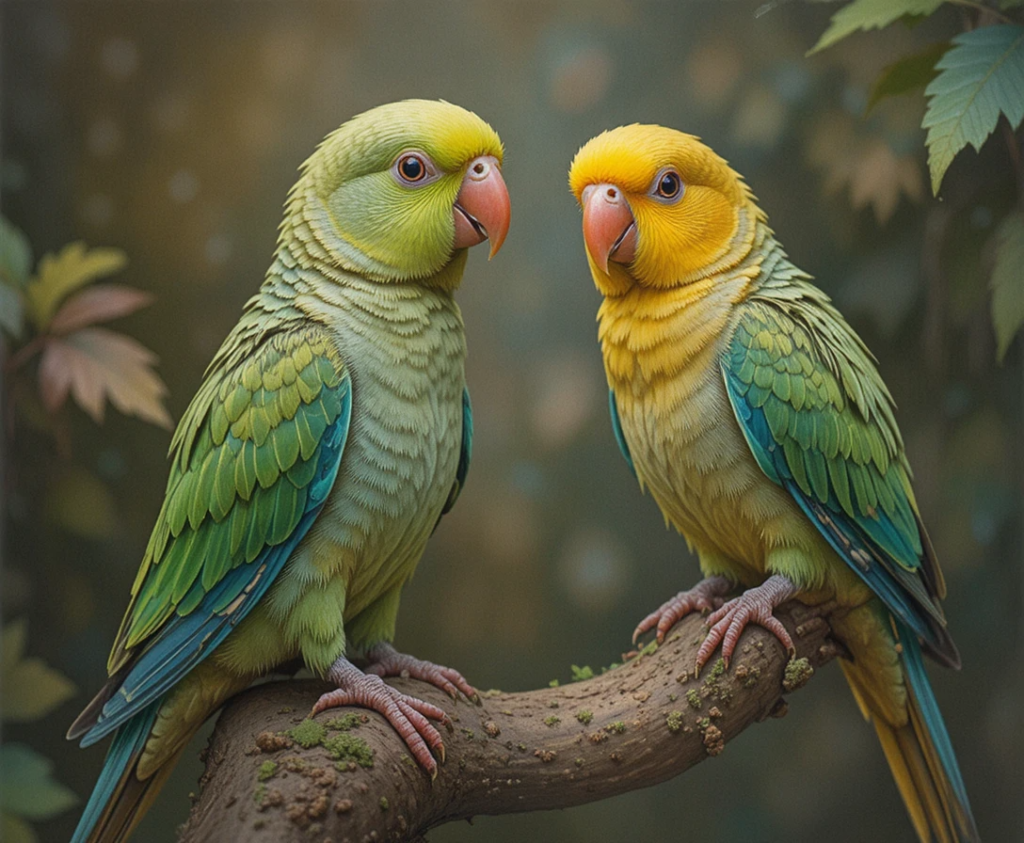
Let’s talk about one of the most controversial pieces of bird furniture: the cement perch. You know, the rough, sandpapery one that looks like it belongs in a birdie spa for a pedicure.
Some people swear by them. Others say to avoid them like a plate of broccoli in a parakeet’s food dish. So, what’s the real deal? Are sandy perches for parakeets a helpful tool or a hidden danger?
The short answer is: they can be both. It all comes down to one thing: how you use them.
The Pedicure Power: What’s So Great About Them?
First, let’s give credit where credit is due. These perches have a real job to do.
A cement perch for birds acts like a natural nail file. As your parakeet stands and moves around on the rough surface, it gently files down their claws. This can mean fewer stressful nail-trimming sessions for you and your bird. It’s a major win for maintaining parakeet nail health.
They can also help keep their beaks in check. A quick scrape of the beak on the textured surface helps prevent overgrowth. So, in theory, it’s a 2-in-1 grooming station!
The “Rubbing Me the Wrong Way” Problem: Safety Concerns
Here’s where we get to the “are they safe?” part. The problem isn’t the perch itself, but its location.
Imagine walking around all day, every day, on a rough concrete sidewalk in bare feet. Your feet would get sore, raw, and could develop sores, right? The same thing can happen to your parakeet.
The constant pressure and abrasion on the soft soles of their feet can lead to a painful condition called bumblefoot in birds. This is a serious infection that no one wants for their feathered friend.
So, the big question: are concrete perches safe? Yes, but with one massive, non-negotiable rule.
The Golden Rule: Location, Location, Location!
Never, ever let a cement or sandy perch be your parakeet’s main perch, especially not their sleeping spot.
Think of it as a tool, not a bed. You wouldn’t sleep on a nail file, and your bird shouldn’t either.
The Right Way to Use a Grooming Perch:
- Place it in a low-traffic areaof the cage, not up high where they like to sleep.
- Put it in front of a food or water dishso they use it briefly while eating or drinking.
- Make sure it’s just one of many perchesin a varied setup with soft rope and natural wood.
This way, they get the benefits of a pedicure perch without the risk of sore feet.
Our Top Picks: The Best Grooming Perches
If you decide a grooming perch is right for your flock, here are a couple of great, vet-recommended styles to look for:
- The Classic Comfort Grooming Perch:These are often rounded on top with the abrasive material on the sides. This design is smarter because the smooth top is easier on the foot pads, while the sides still file the nails when they grip. It’s a win-win for parakeet foot comfort.
- The Polly’s Perfect Pedicure Perch:Brands like Polly’s Pet Products are famous for their gentle, yet effective abrasive. They are specifically designed with bird foot health in mind and are a top choice for safe sandy perches.
The Final Verdict: Yay or Nay?
So, should you get one? If you follow the rules, absolutely!
A cement or sandy perch is a fantastic supplemental perch. It’s a useful tool for keeping nails and beaks trim as part of a larger, varied parakeet cage setup.
Just remember: it’s the speciality tool in the toolbox, not the foundation. Offer plenty of other soft, varied perches for sleeping and lounging, use the cement perch strategically, and your parakeet can enjoy a perfectly safe pedicure without any of the foot pain.
The Best Cement or Sandy Perches for Parakeets: Are They Safe?
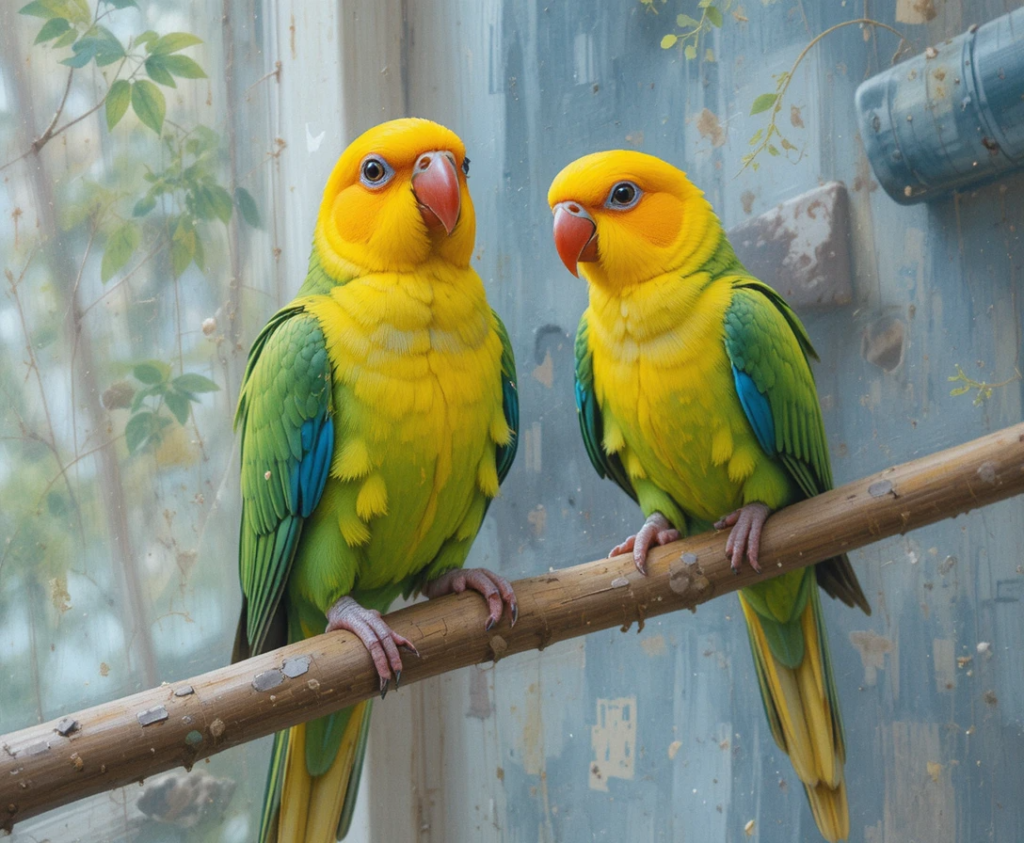
Let’s talk about one of the most controversial pieces of bird furniture: the cement perch. You know, the rough, sandpapery one that looks like it belongs in a birdie spa for a pedicure.
Some people swear by them. Others say to avoid them like a plate of broccoli in a parakeet’s food dish. So, what’s the real deal? Are sandy perches for parakeets a helpful tool or a hidden danger?
The short answer is: they can be both. It all comes down to one thing: how you use them.
The Pedicure Power: What’s So Great About Them?
First, let’s give credit where credit is due. These perches have a real job to do.
A cement perch for birds acts like a natural nail file. As your parakeet stands and moves around on the rough surface, it gently files down their claws. This can mean fewer stressful nail-trimming sessions for you and your bird. It’s a major win for maintaining parakeet nail health.
They can also help keep their beaks in check. A quick scrape of the beak on the textured surface helps prevent overgrowth. So, in theory, it’s a 2-in-1 grooming station!
The “Rubbing Me the Wrong Way” Problem: Safety Concerns
Here’s where we get to the “are they safe?” part. The problem isn’t the perch itself, but its location.
Imagine walking around all day, every day, on a rough concrete sidewalk in bare feet. Your feet would get sore, raw, and could develop sores, right? The same thing can happen to your parakeet.
The constant pressure and abrasion on the soft soles of their feet can lead to a painful condition called bumblefoot in birds. This is a serious infection that no one wants for their feathered friend.
So, the big question: are concrete perches safe? Yes, but with one massive, non-negotiable rule.
The Golden Rule: Location, Location, Location!
Never, ever let a cement or sandy perch be your parakeet’s main perch, especially not their sleeping spot.
Think of it as a tool, not a bed. You wouldn’t sleep on a nail file, and your bird shouldn’t either.
The Right Way to Use a Grooming Perch:
- Place it in a low-traffic areaof the cage, not up high where they like to sleep.
- Put it in front of a food or water dishso they use it briefly while eating or drinking.
- Make sure it’s just one of many perchesin a varied setup with soft rope and natural wood.
This way, they get the benefits of a pedicure perch without the risk of sore feet.
Our Top Picks: The Best Grooming Perches
If you decide a grooming perch is right for your flock, here are a couple of great, vet-recommended styles to look for:
- The Classic Comfort Grooming Perch:These are often rounded on top with the abrasive material on the sides. This design is smarter because the smooth top is easier on the foot pads, while the sides still file the nails when they grip. It’s a win-win for parakeet foot comfort.
- The Polly’s Perfect Pedicure Perch:Brands like Polly’s Pet Products are famous for their gentle, yet effective abrasive. They are specifically designed with bird foot health in mind and are a top choice for safe sandy perches.
The Final Verdict: Yay or Nay?
So, should you get one? If you follow the rules, absolutely!
A cement or sandy perch is a fantastic supplemental perch. It’s a useful tool for keeping nails and beaks trim as part of a larger, varied parakeet cage setup.
Just remember: it’s the speciality tool in the toolbox, not the foundation. Offer plenty of other soft, varied perches for sleeping and lounging, use the cement perch strategically, and your parakeet can enjoy a perfectly safe pedicure without any of the foot pain.
Top 10 Rated Parakeet Perches on Amazon
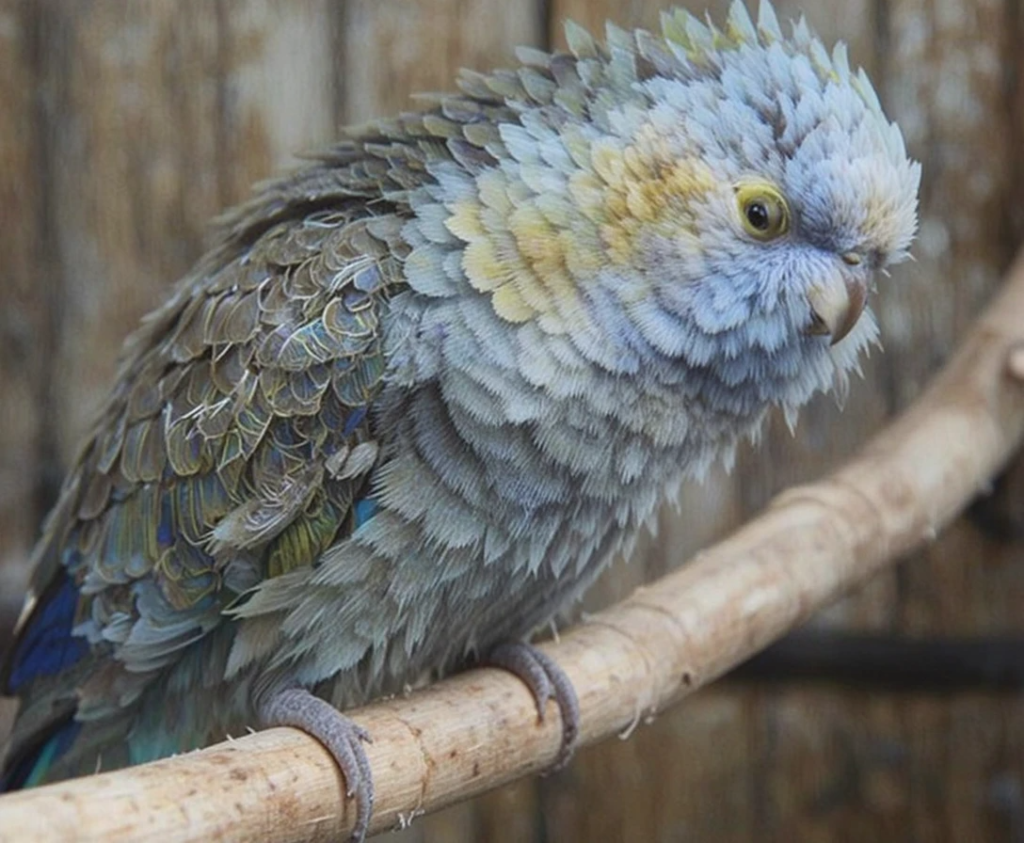
Let’s be real. Shopping for parakeet perches on Amazon can feel like falling down a rabbit hole. There are thousands of options, all claiming to be the “best.” How are you supposed to know what’s actually good and what’s just… well, a pretty picture?
Don’t worry, we’ve done the digging for you. We’ve scoured reviews, ratings, and feedback from fellow bird owners to bring you this list of the top-rated parakeet perches on Amazon. These are the perches that real people are actually buying and their birds are actually using.
Think of this as your personal shopping assistant, here to help you find the perfect furniture for your feathered overlord.
1. Prevue Hendryx Natural Wood Perch
The All-Star Perch
This is a consistent bestseller for a reason. It’s a simple, sturdy, and natural wood perch that provides an uneven surface—perfect for your parakeet’s foot health. The bark is great for gripping and chewing.
- Why Birds Love It:It feels like a real tree branch (because it is!). It’s the perfect replacement for those boring cage dowels.
- Best For:A primary, all-day perch that promotes healthy parakeet feet.
2. JW Pet Comfy Perch
The Cozy Hammock
If your parakeet’s feet need a break, this is the perch to get. The soft, PVC-free foam coating is gentle and provides a super comfortable grip. It’s also bendable, so you can create fun shapes in the cage.
- Why Birds Love It:It’s like their favorite cozy armchair. Perfect for long naps and lazy afternoons.
- Best For:Parakeet foot comfort, especially for older birds or those who just love to lounge.
3. Penn-Plax Bird Life Cargo Net
The Adventure Playground
Okay, it’s not a traditional perch, but it’s one of the best parakeet cage accessories for fun! This cotton rope net is a climbing gym and a perch all in one. It encourages play and exercise.
- Why Birds Love It:It’s a jungle gym! They can climb, swing, and nap in it.
- Safety Note:Always check for loose threads and trim them to prevent toe injuries.
4. Polly’s Pet Products Pedi-Perch
The 5-Star Pedicure
This is the ultimate cement perch for parakeets. The gentle abrasive texture is perfect for filing down nails and beaks naturally. The rounded top is easier on foot pads than other gritty perches.
- Why Birds Love It:It keeps their nails trim without a scary nail-clipping session.
- Pro Tip:Place this near a food dish, not as a sleeping perch, to prevent sore feet.
5. Super Bird Creations Manzanita Perch
The Durable Chew Toy
Manzanita wood is famous for being incredibly hard and long-lasting. This perch is both beautiful and functional, with a smooth, natural texture. It can withstand even the most determined chewer.
- Why Birds Love It:It’s tough to chew on and feels great underfoot. A real luxury item.
- Best For:Durable budgie perches that won’t get destroyed in a week.
6. Yaheetech 6-Pack Bird Perch Set
The Budget-Friendly Bundle
Why buy one when you can get six? This set is perfect for new parakeet owners or anyone wanting to completely revamp their cage on a budget. You get a variety of textures, including wood, rope, and a pedicure perch.
- Why Birds Love It:Variety is the spice of life! So many new things to stand on.
- Best For:Creating a full parakeet playground without breaking the bank.
7. Living World Rope Perch
The Bendy Fun-Time Perch
A classic for a reason. This simple cotton rope perch is flexible, allowing you to twist it into fun shapes and create new pathways in the cage. The soft rope is gentle on feet.
- Why Birds Love It:It’s bendy, fun, and comfortable to grip.
- Safety Note:As with all rope perches, check regularly for fraying and snip any loose threads.
8. JW Pet Hol-ee Roller Bird Toy with Perch
The 2-in-1 Toy & Perch
This clever product is a perennial favorite. It’s a rubber ball with holes that you can stuff with treats, and it comes with a removable wooden perch. It’s mental stimulation and a place to stand, all in one.
- Why Birds Love It:Treats! It’s a puzzle and a snack dispenser.
- Best For:Parakeet mental stimulation and preventing boredom.
9. Zoo Med Bird Pedicure Perch
Another Great Grooming Option
Another top contender in the grooming perch category. Zoo Med is a trusted brand in reptile and bird supplies. This perch has a gritty, sandstone-like texture that works wonders on overgrown nails.
- Why Birds Love It:It’s another tool for a DIY pedicure.
- Best For:An alternative to the Polly’s Perch for maintaining budgie nail health.
10. Niteangel Natural Coconut Fiber Perch
The Textured Adventure
For something a little different, this perch is wrapped in natural coconut fiber. It provides a unique, bumpy texture that is fantastic for foot exercise and is also fun to chew and pick at.
- Why Birds Love It:The weird texture is fascinating and great for their feet.
- Best For:Adding a new, unique texture to your parakeet cage setup.
The Final Chirp
The best Amazon bird perches are the ones that offer variety. Your parakeet needs a mix of textures, thicknesses, and materials to keep their feet healthy and their minds engaged.
So, pick a few from this list—maybe a comfy one, a pedicure one, and a fun rope one—and watch your parakeet enjoy their brand-new, five-star cage setup. Happy shopping
Best Perch for a Parakeet's Grip and Foot Health
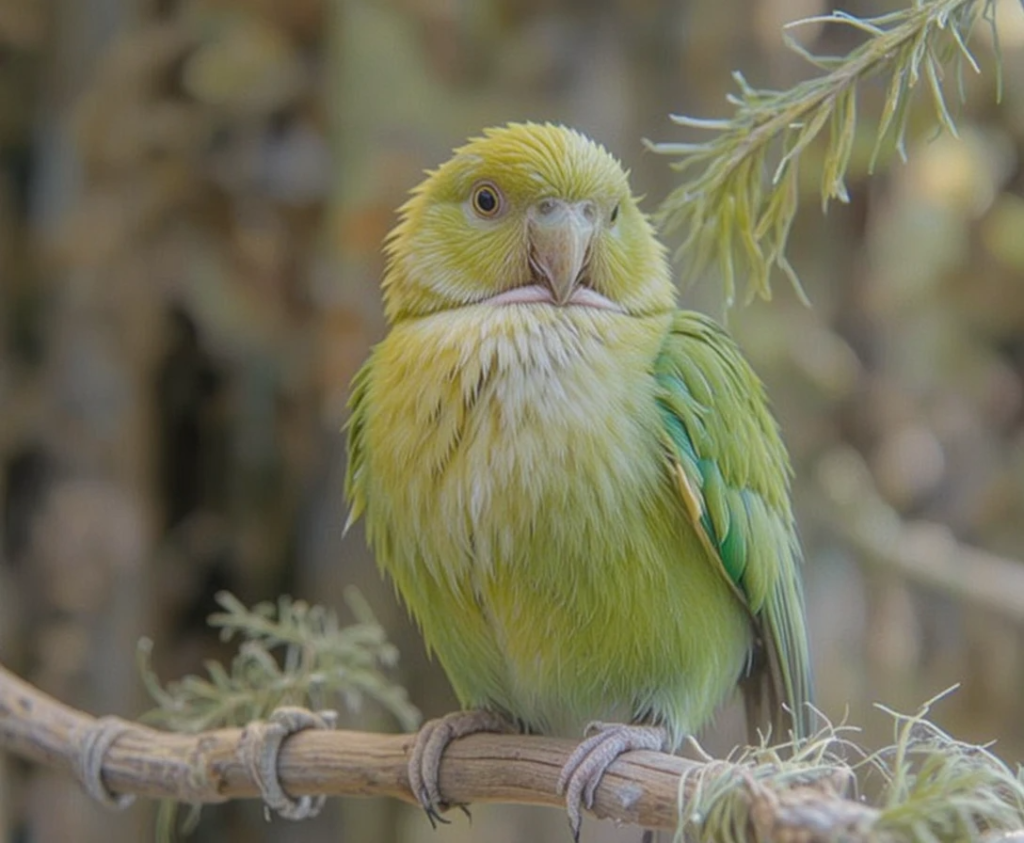
Let’s play a quick game. Make a fist and hold it tight. Feel that? Now, imagine having to stand like that all day, every day. Your hand would be screaming for a break! That’s basically the life of a parakeet with bad perches.
Their feet are their everything. They use them for standing, climbing, and even holding snacks (the lucky ducks). So, choosing the right perch isn’t about decoration—it’s about health. The best perch for a parakeet’s grip and foot health is the one that keeps those tiny toes strong, comfortable, and busy.
So, what should you be looking for? Ditch the one-size-fits-all approach. Your bird’s feet need a varied workout.
The #1 Winner: Natural Wood Perches
If we had to crown a champion for parakeet foot health, natural wood would win every time.
Think of a smooth, plastic dowel perch as a flat, slippery sidewalk. Now, think of a natural wood perch as a fun, textured nature trail. Which one would be more interesting to walk on? Which one would work more muscles?
- Why they’re great for grip:The bumps, grooves, and varying thicknesses of a natural branch mean your parakeet’s feet are constantly making micro-adjustments. This builds strength and provides a secure, non-slip surface. It’s the ultimate secure grip for birds.
- Why they’re great for health:This constant, gentle exercise prevents pressure sores and a nasty condition called bumblefoot. It’s like physical therapy for their feet!
Pro Tip: Look for bird-safe woods like manzanita, dragonwood, or applewood. They’re tough, safe to chew on, and come in cool shapes.
The Cozy Contender: Rope Perches
Rope perches are the comfy slippers of the bird world. Made from soft cotton or sisal, they’re gentle on the soles of the feet and provide a fantastic, grippy surface.
- Grip Factor: The fibrous material is easy to dig their little toes into, giving them a confident hold.
- Health Factor:Great for comfort and relieving pressure points. They’re also bendable, which is awesome for creating a fun parakeet playground that encourages movement.
Watch Out: If your bird is a chewer, check regularly for loose threads that could tangle their toes. A quick snip with scissors is all it takes to keep it safe.
The Pedicure Specialist (Use With Care!)
Cement or sandy perches are like nail files for birds. They’re rough and help file down claws naturally.
- Grip Factor:Surprisingly good! The rough texture provides plenty of traction.
- Health Factor:This is where you have to be careful. While great for nail health, the constant rough texture can be hard on the soft pads of their feet.
The Golden Rule: Never use a cement perch as a main or sleeping perch. Place it in a spot where they hang out occasionally, like near a food dish, so they get the nail-filing benefits without the foot pain.
What to Absolutely Avoid: The Boring Dowel
The smooth, uniform dowel perch that comes with every cage is the fast food of perches—convenient, but terrible as a steady diet. It offers zero variation, leading to weak feet and pressure sores. If this is your bird’s only option, it’s time for an upgrade!
Your Simple Blueprint for Happy Feet
You don’t need to pick just one! The secret to perfect parakeet foot care is variety.
- Mix and Match:Use a combination of a natural wood perch (for the main stand), a soft rope perch (for napping), and a cement perch (placed strategically for nail care).
- Vary the Thickness:Offer perches in different diameters, from about 1/2 inch to 1 inch. This ensures their feet aren’t always clenched in the same position.
- Create a Fun Layout:Place perches at different heights and angles to encourage climbing, stretching, and flapping.
By giving your parakeet a choice, you’re not just filling a cage. You’re building a foot-healthy paradise. Their happy, strong feet will thank you with many more years of chirping, playing, and perfectly gripping your finger.
10 FAQs about Best Parakeet Perches
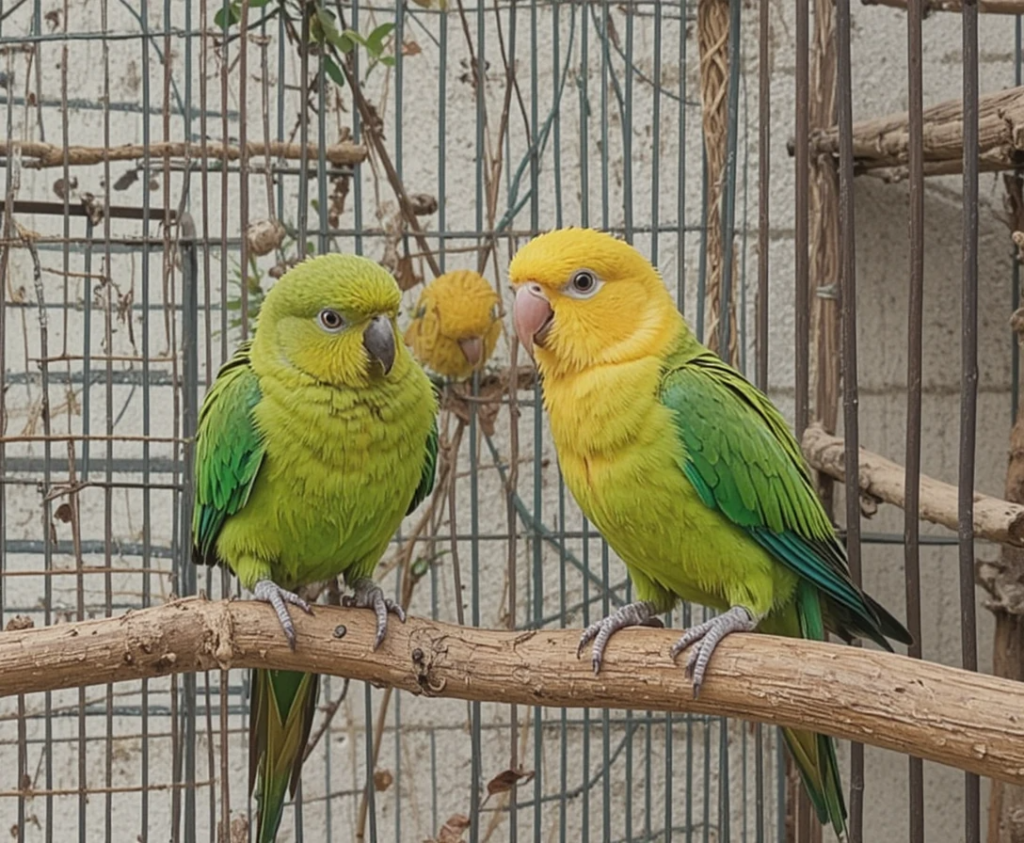
1. What is the absolute best type of perch for my parakeet?
Answer: There isn’t one “best” type, but the healthiest choice is a natural wood perch. Its uneven surface is best for your parakeet’s foot health, preventing sores and providing a secure grip. Think of it as their ergonomic office chair.
2. Are the smooth, wooden dowel perches that come with the cage bad?
Answer: They’re not evil, but they are terrible as a bird’s only perch. Because they’re all the same diameter, they force your parakeet’s feet into the same position 24/7, which can lead to pain and arthritis. It’s best to use them sparingly and add a variety of other perches.
3. How many perches should I put in my parakeet’s cage?
Answer: It depends on the cage size, but a good rule of thumb is 3-5 perches. The goal is to create a fun layout for climbing and flying without cluttering the space. Make sure there’s still clear room for your bird to flap its wings!
4. Are rope perches safe?
Answer: Yes, rope perches are generally safe and are very comfortable for parakeets. However, you must check them regularly! If your bird chews them and they become frayed, the loose threads can wrap around toes and cut off circulation. A quick weekly snip of any loose threads is all it takes.
5. What are cement or sandy perches for?
Answer: They act as a natural nail file! The rough texture helps keep your parakeet’s claws trim. However, never use them as a main or sleeping perch, as the constant abrasion can hurt their feet. Place one near a food dish so it gets used occasionally.
6. What diameter should my parakeet’s perches be?
Answer: Variety is key! A good range is between 1/2 inch and 1 inch (1.25 cm to 2.5 cm) in diameter. Offering different thicknesses ensures your parakeet’s feet aren’t always clenched in the same way, giving them a healthy workout.
7. Where is the best place to put perches in the cage?
Answer:
- Put a soft, comfortable perch up high for sleeping.
- Avoid placing any perch directly abovefood or water dishes (to avoid droppings landing in them).
- Create a fun path by placing perches at different angles and heights.
- Leave an open flight path across the cage.
8. Can I just use branches from my backyard?
Answer: You can, but you must be certain the wood is from a non-toxic tree (like apple, elm, or ash) and that it hasn’t been treated with pesticides. Always scrub the branch with a vinegar solution and bake it in the oven at a low heat (200°F / 93°C) for 30-60 minutes to kill any bugs before using it.
9. My parakeet only sits on one perch. Is that okay?
Answer: It’s normal for them to have a favorite sleeping spot. However, if they are only using one perch, it might be because the others are poorly placed or an uncomfortable type. Try moving the perches around to encourage exploration. A varied perch setup is crucial for their foot health.
10. How often should I clean or replace perches?
Answer: You should spot-clean perches of any droppings whenever you clean the cage. Natural wood perches should be replaced once they are chewed up or heavily soiled. Rope perches should be replaced if they become frayed beyond a quick fix. A good deep-clean when they look dirty is a great practice.