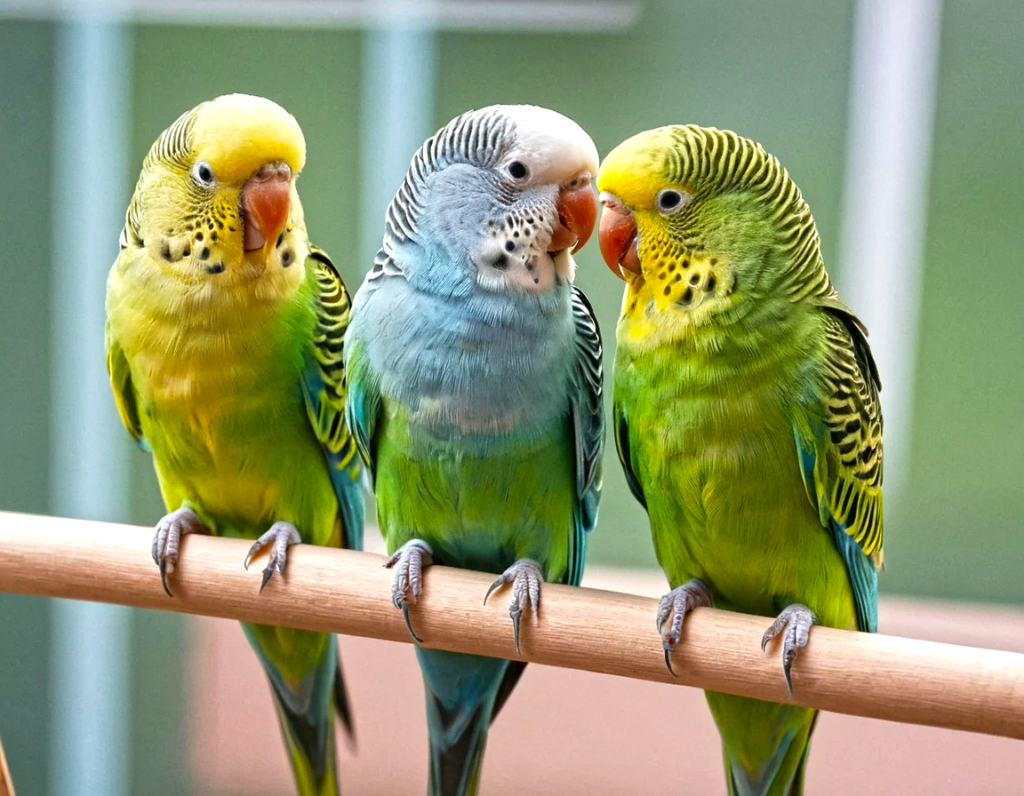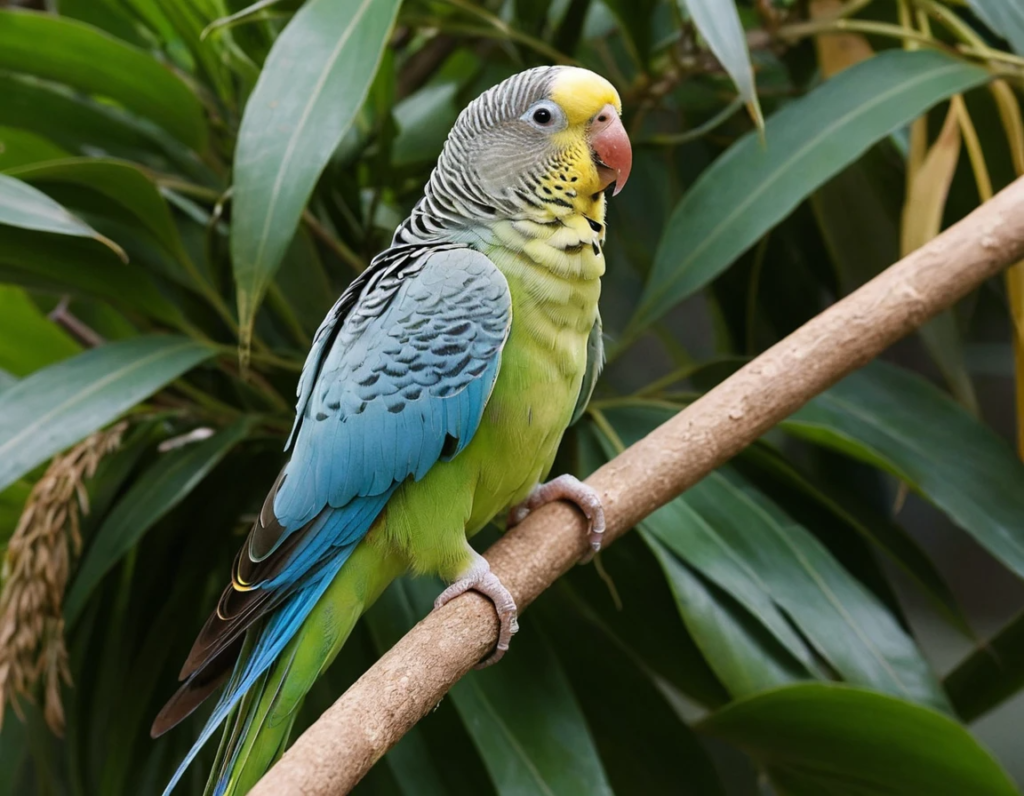

The Complete Guide to a Parakeet Diet for Breeding
So, your parakeets have decided to start a family. Congratulations, you’re about to become a bird grandparent! Now, just like you wouldn’t try to build a house with only a screwdriver, you can’t raise a healthy clutch of chicks on a diet of plain old birdseed. It’s time to talk about the parakeet diet for breeding, because when there are babies on the way, the grocery list gets a serious upgrade.
Think of it this way: your hen is about to become a tiny, feathered egg factory, and later, a 24/7 diner for her hungry chicks. She needs the right fuel, and lots of it. Let’s break down how to turn your lovebirds into super-parents.
The “Why”: It’s More Than Just a Hungry Chirp
Before we get to the “what,” let’s understand the “why.” A breeding budgie isn’t just a little hungry; she’s on a physiological marathon. She needs:
- Extra Protein:For creating eggs and growing those tiny, naked chick bodies into fluffy aviators.
- Calcium, Calcium, Calcium:This is non-negotiable. It’s the building block for strong eggshells. Without enough, the hen can become egg-bound—a serious and dangerous condition. Think of it as her needing her daily glass of milk, but, you know, for birds.
- Energy & Vitamins:For keeping her own strength up while she’s busy being a full-time chef and nanny to her squeaking brood.
The Championship Lineup: What to Feed Your Breeding Budgies
Alright, let’s get to the good stuff. Here’s your championship lineup for budgie breeding nutrition.
- The Superstar: Egg Food (The Ultimate Power Meal)
This is the MVP of the breeding parakeet diet. Don’t worry, it’s not just a raw egg thrown in the cage! You can buy commercial dry egg food mix (just add water) or make your own.
A simple budgie egg food recipe is:
- 1 hard-boiled egg, finely mashed (shell included for calcium!)
- 1 tablespoon of whole-wheat breadcrumbs or cooked, mashed lentils
- A pinch of powdered bird vitamins or calcium supplement (optional, but great)
This moist, protein-packed mush is easy for parents to eat and regurgitate to their chicks. It’s basically gourmet baby food for birds.
- The Classic: High-Quality Seed & Pellets
Don’t throw out the seeds! A good, high-quality seed mix should still be available 24/7. Pellets are also excellent as they are formulated to be nutritionally complete. Think of seeds and pellets as the reliable bread and butter, while the egg food is the juicy steak on the side. - The Calcium Crew
Preventing calcium deficiency in budgiesis your top priority. You MUST have these in the cage beforeshe even lays the first egg:
- Cuttlebone:That weird white thing you see in every bird cage. Make sure it’s there and they are actually nibbling on it.
- Mineral Block:Another great source of essential minerals.
- Crushed Eggshell:You can bake your own eggshells to sterilize them, then crush them up and offer them in a separate dish.
If your hen doesn’t have enough calcium, she might start looking at her own bones as a source. Not a great plan!
- The Fresh Stuff: Veggies and a Little Fruit
Fresh vegetables are a vital part of what to feed budgies for breeding. They provide essential vitamins and hydration.
- Top Picks:Kale, broccoli, carrots, spinach (in moderation), and dandelion greens.
- Fun Stuff:A little corn, peas, and bell pepper are usually a hit.
- Fruit:Offer this as a occasional treat due to sugar. A bit of apple (no seeds!), berry, or melon is fine.
If your birds are new to veggies, don’t give up! Keep offering them in different ways—chopped, grated, hung from the cage. Be more stubborn than your bird.
Feeding Schedule: Timing is Everything
You can’t just start this diet the day the eggs hatch. You need to get those birdie bodies ready!
- Pre-Breeding Conditioning (2-4 weeks before the nest box):Start introducing the enhanced diet. This gets their systems humming and tells them, “Hey, conditions are great for starting a family!”
- During Egg Laying & Chick Rearing:Keep the high-protein feast going! Offer egg food at least once, ideally twice, a day. Remove any uneaten moist food after a few hours to prevent spoilage.
- Weaning the Chicks:Once the chicks are fledging (leaving the nest), they’ll start pecking at the same foods their parents eat. Your job is to make sure those healthy options are available.
A Quick Word on Baby Chicks
Many new breeders panic-search “budgie chick feeding.” The good news is, in most cases, you don’t have to do a thing! The parents are experts at regurgitating the soft egg food and soaked seeds to feed their babies. Your job is simply to keep the parents well-stocked with the right groceries. They’ll handle the cooking and serving.
Final Chirps
Switching to a proper parakeet diet for breeding isn’t just a small change—it’s the foundation for a successful and healthy clutch. By providing plenty of protein, a mountain of calcium, and fresh variety, you’re not just filling a food dish; you’re building strong eggs, healthy chicks, and confident parents.
Now go on, get to the kitchen and whip up that power meal. Your feathered friends are counting on you.
What to Feed Breeding Budgies
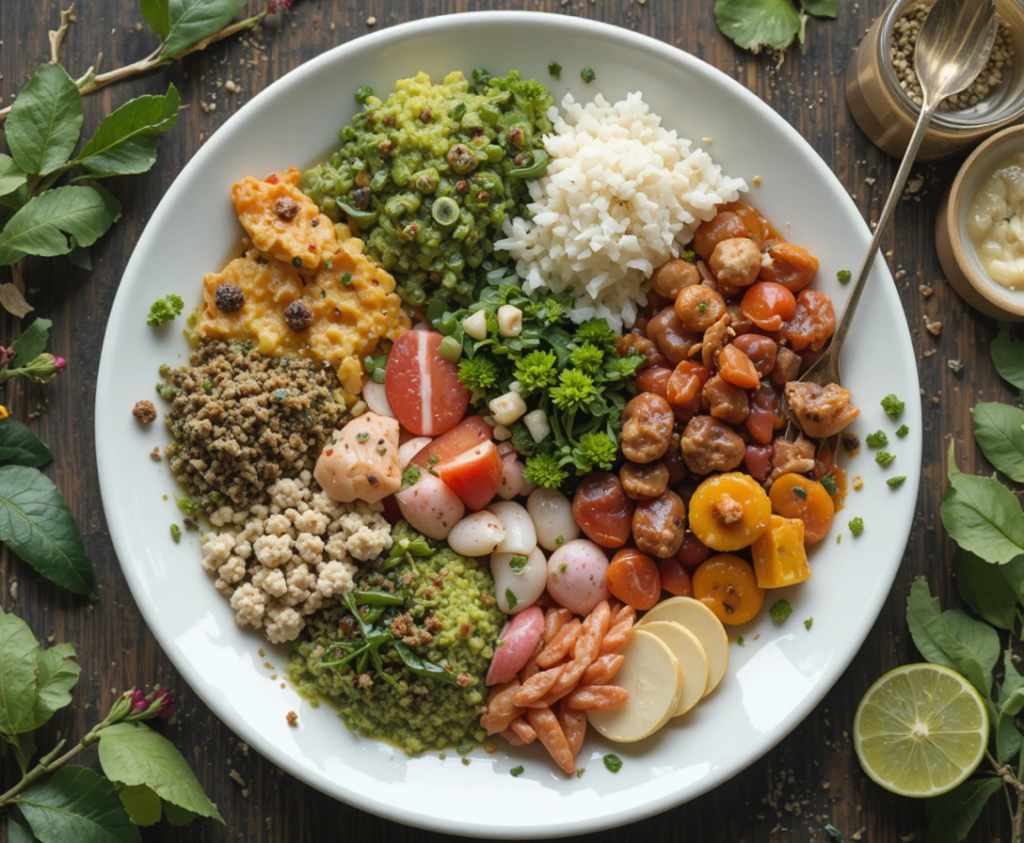
So, your budgies have decided to start a family. Congratulations, you’re about to become a birdie grandparent! Now, just like you wouldn’t run a marathon on a diet of crackers, your parakeets can’t raise a healthy family on birdseed alone. When those lovebirds get… well, loving… their diet needs a serious upgrade. Let’s talk about what to feed your breeding budgies to keep the parents healthy and the chicks thriving.
Think of your hen as a tiny, feathered factory. She’s working overtime building eggs and will soon be running a 24/7 diner for her hungry chicks. She needs the right fuel, and lots of it. Getting their budgie breeding nutrition right is the single most important thing you can do for them.
The “Why”: This Isn’t a Normal Dinner
Before we get to the menu, let’s understand why we’re changing it. A breeding budgie isn’t just peckish; she’s on a physiological mission. She needs:
- Loads of Protein: For creating eggs and turning those tiny, naked chicks into fluffy flying machines.
- Calcium, and Then More Calcium: This is absolutely crucial. It’s the building block for strong eggshells. Without it, the hen can become egg-bound, which is a dangerous condition. Think of it as her needing a constant supply of “bird milk.”
- Energy and Vitamins: To keep her own strength up while she’s busy being a full-time chef and nanny.
The Championship Menu: Your Shopping List
Alright, let’s get to the good stuff. Here’s your go-to list for the perfect breeding budgie diet.
- The Superstar: Egg Food (The Power Protein)
This is the MVP, the headliner, the main event. This isn’t just a raw egg tossed in the cage! You can buy a commercial dry egg food for budgies(just add water) or make your own.
A dead-simple homemade budgie egg food recipe is:
- 1 hard-boiled egg, finely mashed (shell included for that calcium boost!)
- 1 tablespoon of whole-wheat breadcrumbs or cooked, mashed lentils
- A tiny pinch of powdered bird vitamins (optional, but great)
This moist, protein-packed mush is easy for parents to eat and regurgitate to their babies. It’s the ultimate soft food for budgies and the cornerstone of chick rearing food.
- The Calcium Crew: No Compromises!
Preventing calcium deficiency in budgiesis your top job. You MUST have these in the cage beforeshe even lays the first egg. Her body will thank you.
- Cuttlebone:That weird, white thing that looks like a petrified squid. Make sure it’s there and that they’re actually nibbling on it.
- Mineral Block:Another great source of essential minerals. It’s like a vitamin supplement they can peck at.
- Crushed Eggshell:You can bake and crush your own eggshells for a pure calcium treat.
If your hen doesn’t have enough calcium, she might start looking at her own bones as a source. Let’s not let it come to that!
- The Trusty Classics: Seeds and Pellets
Don’t throw out the regular food! A high-quality seed mix and/or pellets should still be available all day, every day. Think of seeds and pellets as the reliable bread and butter, while the egg food is the juicy steak on the side. A good parakeet seed mixis still a key part of their balanced budgie diet. - The Fresh Stuff: Veggie Victory
Fresh vegetables are a vital source of vitamins and keep everyone hydrated. This is a key part of what to feed budgies for breeding.
- Go-To Greens:Kale, broccoli, carrots, and spinach (in moderation) are fantastic.
- The Fun Stuff:A little corn, peas, and bell pepper are usually a big hit.
- Fruit:Offer this as a occasional treat because of the sugar. A bit of apple (no seeds!), berry, or melon is fine.
If your birds turn their beaks up at new veggies, don’t give up! Be more stubborn than your budgie. Try chopping, grating, or hanging them from the cage.
The Feeding Schedule: Timing is Everything
You can’t just start this new gourmet diet the day the eggs hatch. You need a game plan for pre-breeding conditioning.
- The Prep Work (2-4 weeks before the nest box):Start introducing the enhanced diet, especially the egg food. This gets their systems ready and signals that “conditions are perfect for starting a family!”
- During the Baby Boom:Keep the high-protein feast going! Offer fresh egg food at least once, ideally twice, a day. Crucial tip: remove any uneaten moist food after a few hours to prevent it from spoiling and making your birds sick.
- Weaning the Chicks:Once the chicks start exploring the world, they’ll begin pecking at what their parents eat. Your job is to make sure the healthy options are there, setting them up for a lifetime of good eating habits.
A Quick Word on Baby Chicks
Many new breeders panic and search “budgie chick feeding.” The good news is, in most cases, you don’t have to do a thing! The parents are pros at regurgitating the soft egg food and soaked seeds for their babies. Your job is simply to keep the pantry stocked. They’ll handle the cooking, serving, and cleaning up. Phew!
Final Chirps
Switching to a proper diet for your breeding budgies isn’t just a small change—it’s the foundation for a successful and healthy clutch. By providing plenty of protein, a mountain of calcium, and fresh variety, you’re not just filling a food dish; you’re building strong eggs, healthy chicks, and happy, confident parents.
Now go on, get to the kitchen and whip up that power meal. Your feathered friends are counting on you
Calcium for Breeding Budgies
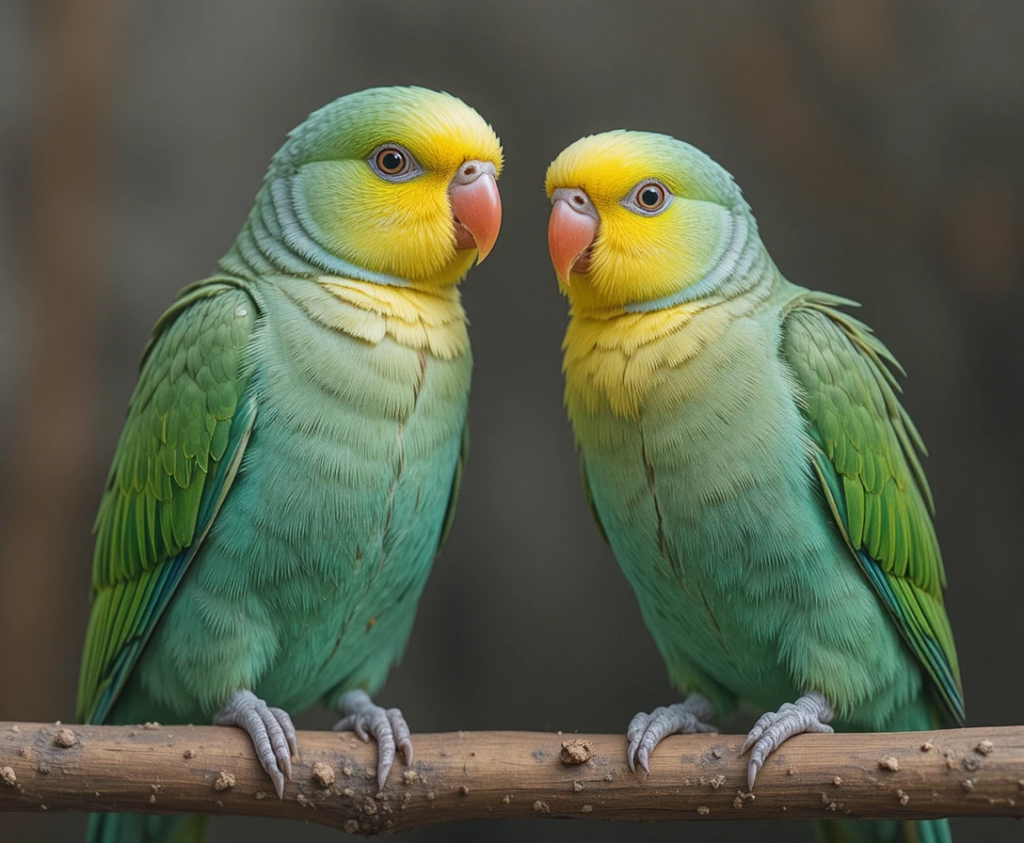
So, your budgies are expecting! Or maybe you just want to give them a super-healthy treat. Either way, you’ve heard the buzz about egg food and landed here. Think of this as the ultimate, protein-packed power bar for your feathered friends. It’s the go-to budgie egg food recipe for breeding, moulting, or just spoiling your birds rotten.
Why all the fuss? Well, when a hen is making eggs and then feeding a bunch of hungry, squeaking chicks, she can’t do it on seeds alone. She needs a serious protein and calcium boost. This is where your homemade skills come in. Let’s get cracking! (Sorry, I had to.)
Why Bother Making Egg Food?
You might be wondering, “Can’t I just toss a hard-boiled egg in there?” Well, you could, but a proper homemade budgie egg food mix is better. It’s a complete package. It combines the protein from the egg with carbs and extra nutrients, creating the perfect soft food for budgies that’s easy for parents to eat and regurgitate to their babies.
It’s the cornerstone of chick rearing food and a key part of budgie breeding nutrition. Plus, making it yourself means you know exactly what’s in it—no weird preservatives!
Your Simple, No-Fuss Budgie Egg Food Recipe
This is my go-to, tried-and-true recipe. It’s easy, cheap, and your birds will go nuts for it.
What You’ll Need (The Ingredients):
- 1 Hard-Boiled Egg:The superstar of the show. Don’t peel it yet!
- 1-2 Tablespoons of a Healthy Binder:This can be whole-wheat breadcrumbs, cooked and mashed lentils, cooked quinoa, or even a bit of finely crushed unsalted soda cracker.
- A Pinch of Bird Vitamins or Calcium Powder (Optional but great):This is your secret weapon for preventing calcium deficiency in budgies.
The “How-To” (The Fun Part):
- Cook & Cool:First, boil your egg until it’s hard. Let it cool down completely. You don’t want to make scrambled eggs for your budgies!
- The Shell Game:This is the best part. Peel the egg, but SAVE THE SHELL. That’s right! The shell is a fantastic source of calcium. To make it safe, rinse the shell and pop it in a warm oven (around 250°F / 120°C) for 10 minutes to dry it out and kill any germs.
- Mash It Up:Crumble the dry eggshell into a small bowl. Now, add the entire hard-boiled egg and your chosen binder (breadcrumbs, lentils, etc.).
- Mix It All Together:Mash everything together with a fork until it looks like a crumbly, coarse paste. You want it to be moist but not soggy. If it seems too wet, add a bit more of your dry binder.
And that’s it! You’ve just made a top-quality, protein-rich egg food that rivals any store-bought mix.
How to Serve This Gourmet Meal
You’ve made the masterpiece, now how do you serve it?
- Use a shallow dishso your birds can easily see and access it.
- Offer a small amount—about a teaspoon per bird—once or twice a day.
- The Golden Rule:Remove any uneaten egg food after 2-3 hours. Especially in warm weather, this stuff can spoil faster than milk in the sun, and we don’t want any upset birdie tummies.
This easy budgie egg food is perfect for breeding budgie diet needs, but it’s also a fantastic treat for moulting birds who need extra protein for new feathers.
Troubleshooting: What If My Budgies Are Suspicious?
Sometimes, birds are suspicious of new food. They look at your lovingly prepared meal like it’s a tiny plate of broccoli. Don’t worry!
- Be Patient:Keep offering it. Place it near their favourite perch.
- Eat It Yourself (Just Kidding!):But do act interested. Poke at it with your finger. Sometimes, seeing you “eat” it makes them curious.
- Mix in a Treat:Try mixing a single, tiny millet spray seed into the mix to attract them.
Final Packing Orders
Making your own budgie egg food recipe is one of the best things you can do for your breeding or moulting birds. It’s packed with the protein and calcium they desperately need, it’s cheap to make, and it gives you the satisfaction of knowing exactly what you’re feeding your flock.
So, put on that chef’s hat and whip up a batch. Your budgies will thank you with a chorus of happy, healthy chirps
Calcium for Breeding Budgies
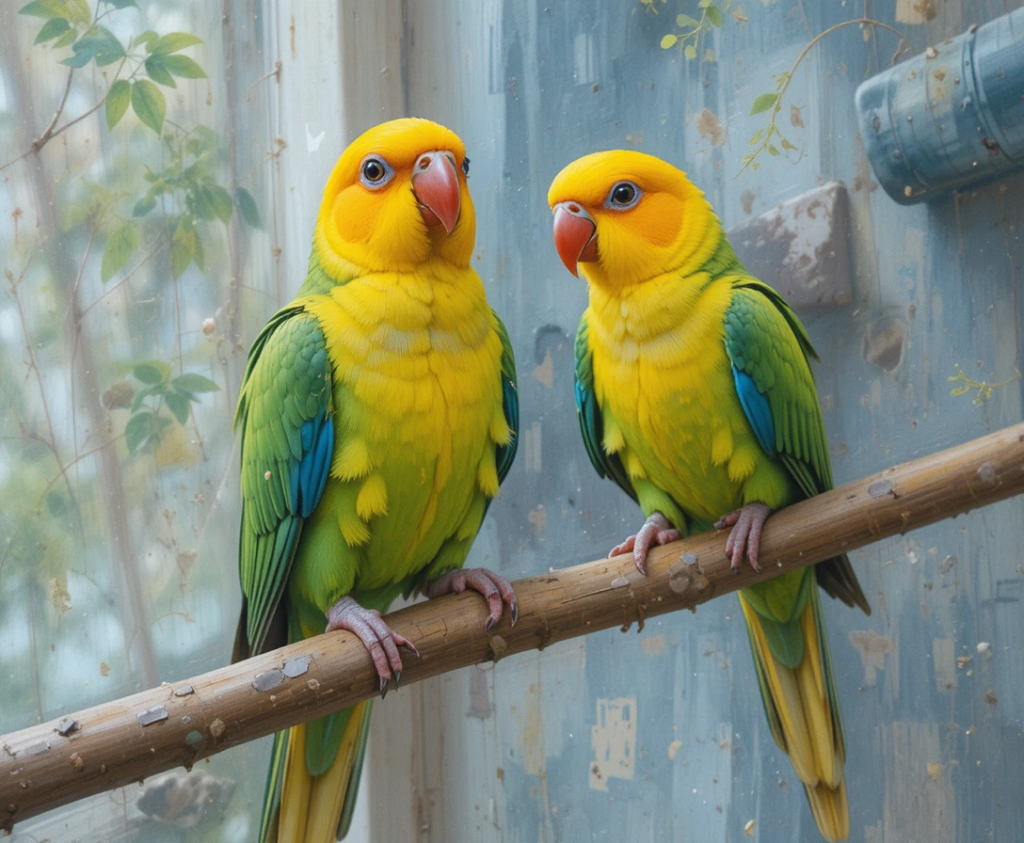
So, your budgies are starting a family. That’s fantastic! You’re probably busy thinking about nests and egg food. But there’s one thing that’s even more critical, and if you forget it, you could have a real problem on your hands. Let’s talk about calcium for breeding budgies.
Think of your hen as a tiny, feathered construction company. She’s about to build some of the most delicate and important structures she’ll ever make: eggshells. And just like a builder needs bricks, she needs calcium. Without it, the whole project can come to a screeching—and dangerous—halt.
Why is Calcium Such a Big Deal?
You can’t see it, but inside your hen, a frantic factory is working overtime. As each egg forms, the shell is the last step, and it requires a massive amount of calcium. If her body runs low, two bad things can happen:
- Weak or Misshapen Eggs:The shells might be too soft, thin, or just weirdly shaped. Not a great start for a new chick.
- Egg Binding:This is the big one. This is a serious condition where the hen can’t lay the egg because her muscles don’t have the strength to push it out. It’s a genuine medical emergency.
In short, preventing calcium deficiency in budgies isn’t just a good idea; it’s non-negotiable for any responsible breeder. It’s the cornerstone of safe budgie breeding.
The Calcium All-Stars: How to Fortify Your Flock
The good news is, making sure your birds get enough calcium is super easy. You need to provide a 24/7 calcium buffet. Here are your top options for calcium sources for budgies.
- The Classic: Cuttlebone
That funny-looking white thing that looks like a petrified squid? That’s your number one tool. Hang a cuttlebone for budgiesin their cage well before breeding starts. It’s like a constant, peckable calcium supplement. If your birds are ignoring it, try moving it to a different spot or getting one with a fun, natural colour. - The Mineral Block
Think of this as the cuttlebone’s cousin. A mineral block for birdsoffers a slightly different mix of minerals and gives them another option to nibble on. Some birds prefer one over the other, so offering both is a winning strategy. - The Power of Eggshell (Yes, Really!)
This is a fantastic, all-natural option. Instead of throwing your eggshells away, you can recycle them into calcium for breeding budgies.
- How to do it: Rinse the shells well, bake them in a warm oven (250°F / 120°C) for about 10 minutes to kill any germs, let them cool, and then crush them into a fine powder.
- You can sprinkle this homemade calcium powderright over their soft food. It’s free, easy, and they usually love it!
- Liquid Calcium: A Helping Hand
Sometimes, especially if you suspect a hen is low on calcium, a liquid calcium for birdssupplement can be a quick boost. You add it to their drinking water as directed. It’s great in a pinch, but it shouldn’t replace the solid sources like cuttlebone. Always check with a vet if you’re worried.
When to Start: Timing is Everything
You can’t wait until you see an egg to panic about calcium. That’s like trying to buy building materials after the construction crew has already shown up.
Start providing these calcium sources for egg-laying budgies at least 2-4 weeks before you even put the nest box in. This “pre-breeding conditioning” period allows her body to build up its calcium stores, so she’s ready to rock when the first egg comes along.
How to Spot a Calcium Crisis (And What to Do)
Keep a close eye on your hen. Signs of calcium deficiency in budgies can include:
- Lethargy (just sitting around, fluffed up)
- Difficulty perching
- Laboured breathing
- And most obviously, straining to lay an egg with no success.
If you see any of these signs, especially the last one, this is not a time for funny lines. This is a bird egg binding emergency. You need to contact an avian vet immediately. Time is of the essence.
The Final Peck: Keep the Calcium Coming
Making sure your breeding budgies have enough calcium is probably the easiest and most important part of the whole process. It’s simple: provide a cuttlebone, a mineral block, and maybe some crushed eggshell, and you’ve given your hen the best possible tool kit for her important job.
So, don’t let her run out of chalk! Stock up on that calcium, and you’ll be well on your way to a happy, healthy, and successful clutch of chirping grandchildren.
How to Prepare Budgies for Breeding
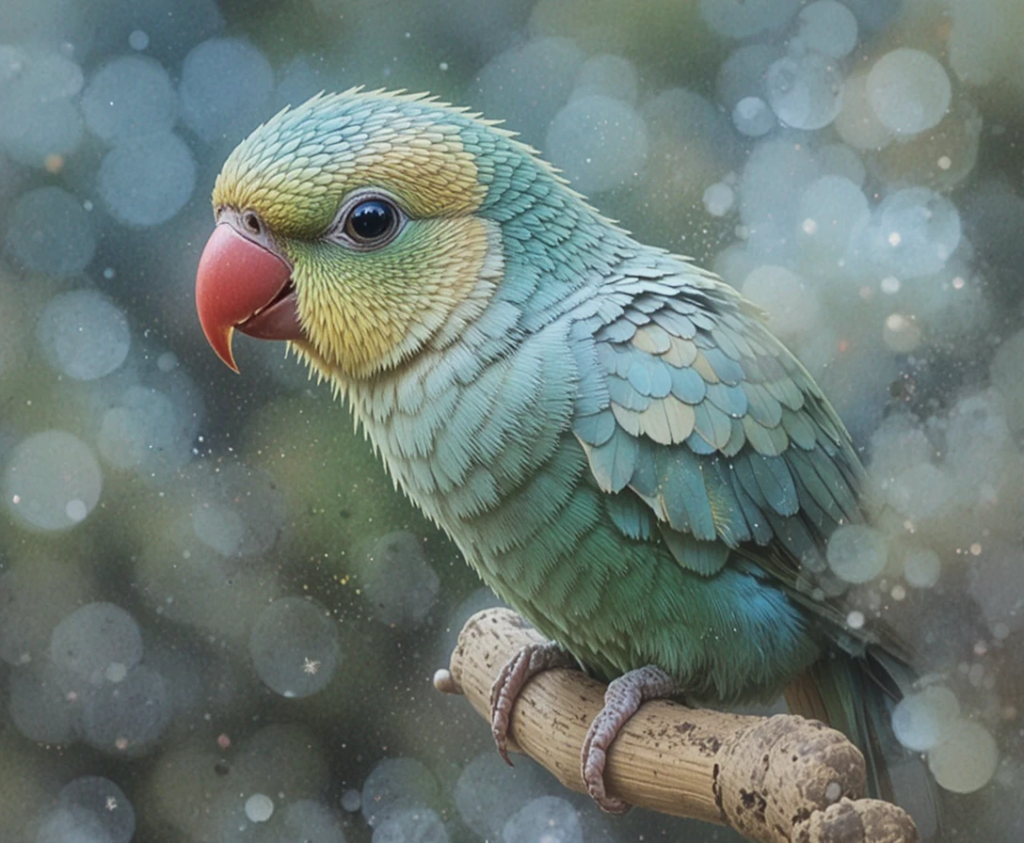
So, you’re thinking of becoming a birdie grandparent? That’s exciting! But before you let the lovebirds do their thing, there’s some important homework. Throwing a pair of budgies in a cage with a nest box and hoping for the best is a recipe for stress, not success.
Properly preparing your budgies for breeding is the single most important thing you can do. Think of it as “Budgie Baby-Proofing 101.” Let’s get your feathered friends ready for their big moment with this simple guide to pre-breeding conditioning for budgies.
Step 1: The Health Check-Up (No White Coats Required)
First things first, you need to make sure your birds are actually ready for this. Breeding is a marathon, not a sprint, and you need healthy athletes.
- Age Matters: Are your budgies old enough? A good rule of thumb is that they should be at least one year old. Breeding them too young is like asking a teenager to run a corporation—it often leads to problems.
- Overall Health: Look for bright eyes, clean feathers, and active behavior. If a bird looks a bit under the weather, now is not the time. You want them in tip-top shape for the budgie breeding season.
- No Family Ties: This is a big one. Make sure your pair aren’t closely related. Inbreeding can lead to serious health issues in the chicks.
Getting this right is the first step in how to set up budgies for breeding successfully.
Step 2: The Pre-Breeding Power-Up Diet
You can’t raise a family on a diet of cheap seeds alone. This is where the magic of conditioning budgies for breeding really happens. About 3-4 weeks before you introduce the nest box, you need to upgrade their meals.
This isn’t just feeding; it’s fueling. Your goal is to switch them to a high-protein diet for breeding budgies. This means:
- Egg Food: The superstar of breeding nutrition. It’s packed with the protein they need for egg production and feeding chicks.
- Fresh Veggies: Load up on kale, broccoli, and carrots. Think of it as their prenatal vitamin.
- Calcium, Calcium, Calcium: This is non-negotiable. Make sure a cuttlebone and a mineral block are always available. A hen without enough calcium can become egg-bound, which is very dangerous.
This period of pre-breeding conditioning gets their bodies in peak shape for the demands ahead.
Step 3: Setting the Mood (The Cage Setup)
Alright, the stars are aligning. Your birds are healthy and eating like champions. Now it’s time to set the scene for romance.
- The Right Real Estate: Your cage needs to be big enough. A cramped apartment isn’t great for raising a family. A good-sized breeding cage for budgies is essential.
- The Love Shack: Introduce the nest box for budgies. It might look like a funny wooden birdhouse to you, but to them, it’s a penthouse suite. Make sure it’s securely attached high up in the cage.
- Nesting Material: Provide some safe, soft materials like pine shavings or untreated coconut fibers. The hen will take it from there, arranging everything to her exact, fussy standards.
Step 4: Reading the Signs (Are They Ready?)
You’ve done all the prep work. How do you know if it’s working? Watch for the telltale signs of budgie breeding behavior.
- The Male’s Serenade: He will become extra chatty, bobbing his head and feeding the hen. It’s his way of saying, “I’m a great provider!”
- The Hen’s Inspection: She will start exploring the nest box intensely, going in and out, and rearranging the bedding. She’s the project manager of this operation.
- The Cere Change: The hen’s cere (the fleshy bit above her beak) will become thick, brown, and crusty. This is a perfectly normal sign she is hormonally ready to lay eggs!
What NOT to Do: A Quick Reality Check
Remember, you are the stage manager, not the director. You can’t force them to breed.
- Don’t pester them. Give them space and privacy.
- Don’t skip the conditioning diet. It’s the foundation of everything.
- If they fight, separate them. Not every pair is a match made in heaven.
Your Final Flight Check
Preparing budgies for breeding is all about patience and preparation. By focusing on their health, their diet, and their environment, you’re not just hoping for babies—you’re creating the perfect conditions for a healthy, happy clutch.
Now, step back, let nature take its course, and get ready for the pitter-patter of tiny feet. Good luck, future grandparent
Budgie Chick Feeding / What do Baby Budgies Eat?
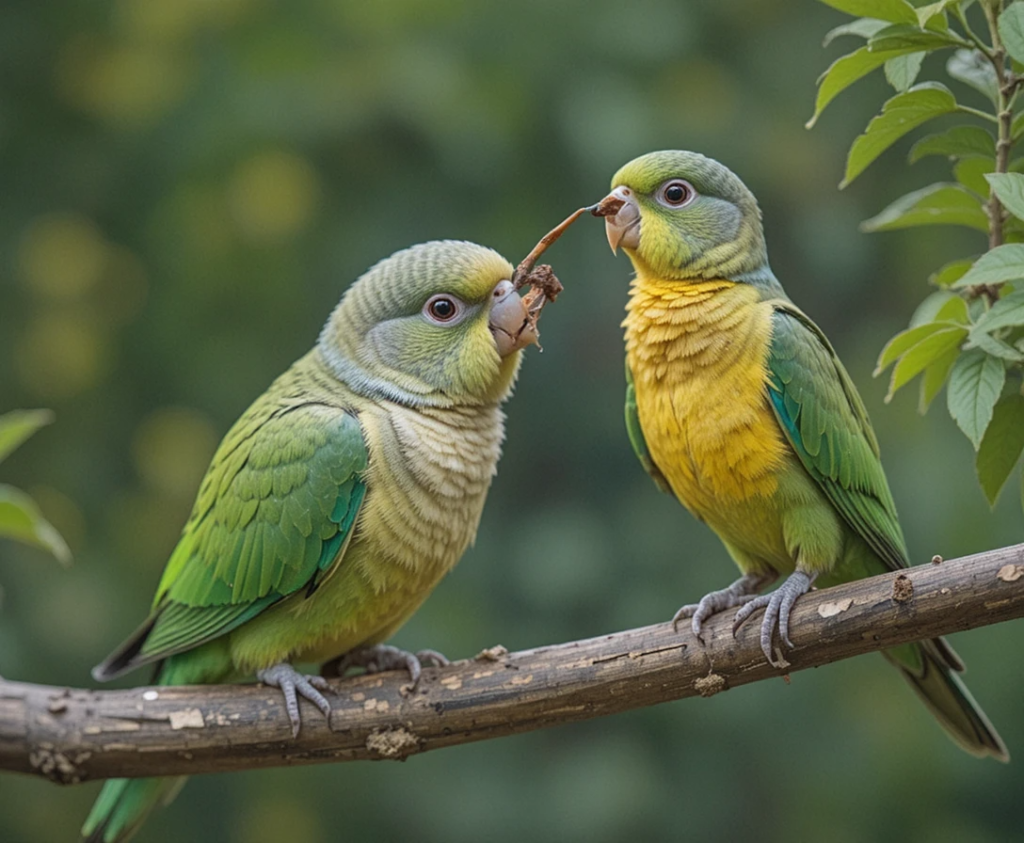
So, you’ve got a nest box full of tiny, squeaking, naked baby budgies. First of all, congratulations, birdie grandparent! Now, you’re probably peeking in and thinking, “What in the world do these little aliens eat?” Don’t panic. The process of budgie chick feeding is one of nature’s cleverest designs, and for the most part, you’re just the head chef, not the waiter.
Let’s break down the menu for your growing flock, from hatching to weaning.
The First Few Weeks: Parent’s Gourmet Regurgitation
For the first couple of weeks of their lives, the answer to “what do baby budgies eat?” is simple: whatever their parents are eating. But there’s a twist!
The mother (and sometimes the father) will eat a ton of high-protein soft food and then regurgitate it—that is, bring it back up from their crop—right into the chick’s gaping mouth. It might not sound appetizing to us, but for a baby budgie, it’s a warm, perfectly prepared gourmet meal.
This is why the parent budgies’ diet is so crucial. You aren’t feeding the chicks directly; you’re feeding the parents so they can feed the chicks. Your job is to keep the kitchen stocked with the right ingredients:
- Egg Food:This is the absolute superstar. Your homemade or commercial budgie egg food is packed with the protein needed for rapid growth.
- Soaked Seeds:These are easier for the parents to digest and regurgitate.
- Fresh Veggies:Finely chopped greens like kale provide essential vitamins.
If the parents are well-fed with these nutrient-rich foods for breeding budgies, the chicks will be too. It’s the circle of life, budgie-style.
The Grow-Up Phase: The Fluff Balls Start Exploring
Around 3-4 weeks old, the chicks will start to look less like aliens and more like awkward, fluffy dinosaurs. Their eyes will be open, and they’ll be more curious. This is when you might see them start to peck at the food in their parent’s beak or even at the food dishes in the cage.
This is the beginning of the weaning process for budgie chicks. They’re learning what solid food is by copying mom and dad. It’s a messy, hilarious time. You’ll see them attack a piece of millet like it’s a giant, terrifying worm before they figure out how to actually eat it.
When Do You Step In? Hand-Feeding Baby Budgies
Most of the time, the parents are perfect caregivers. But sometimes, you might need to step in. This is known as hand-rearing budgies.
When is hand-feeding necessary?
- If a parent abandons the chicks or gets sick.
- If a chick is being ignored and isn’t getting fed.
- If the chick is weak and needs extra care.
How is it done?
Hand-feeding is a big responsibility. You’ll need a special hand-feeding formula for baby birds (available at pet stores), a syringe or spoon, and precise instructions on mixing and temperature. The formula must be warm, not hot, and you have to be incredibly careful to avoid choking.
Important Note: If you find yourself in this situation, please do thorough research or, even better, contact an experienced breeder or avian vet. It’s a delicate process and not something to jump into without knowledge.
The Weaning Menu: From Liquid to Solid
As the chicks get closer to leaving the nest (fledging), their diet will slowly shift. Your job is to make the right solid foods available. The best weaning foods for baby budgies include:
- Spray Millet:This is the ultimate chick training food. It’s easy to peck at and highly motivating.
- Softened Pellets:You can moisten chick-specific pellets to make them easier to eat.
- Finely Chopped Veggies:Offer small, manageable pieces of moist veggies like broccoli or corn.
Patience is key during weaning. The chicks will still beg for food from their parents (and might even try to beg from you!) even when they are perfectly capable of eating on their own. They’re just lazy teenagers at this point!
Your Final Feeding Checklist
To sum it all up, here’s your simple guide to budgie chick development and diet:
- Weeks 1-3:Parents feed them regurgitated soft food. You provide the parents with egg food, soaked seeds, and veggies.
- Weeks 3-5:Chicks start exploring solid food while still being fed by parents. Offer spray millet and chopped greens.
- Weeks 5-8:Weaning is in full swing. Chicks become more independent eaters. Continue with a varied diet.
Remember, in most cases, your main role is to support the parents. Keep their diet rich and varied, and they’ll handle the complicated part of feeding newborn budgie chicks. Now, sit back, enjoy the adorable squeaks, and watch your fluffy grand-chicks grow
Breeding Budgie Supplements
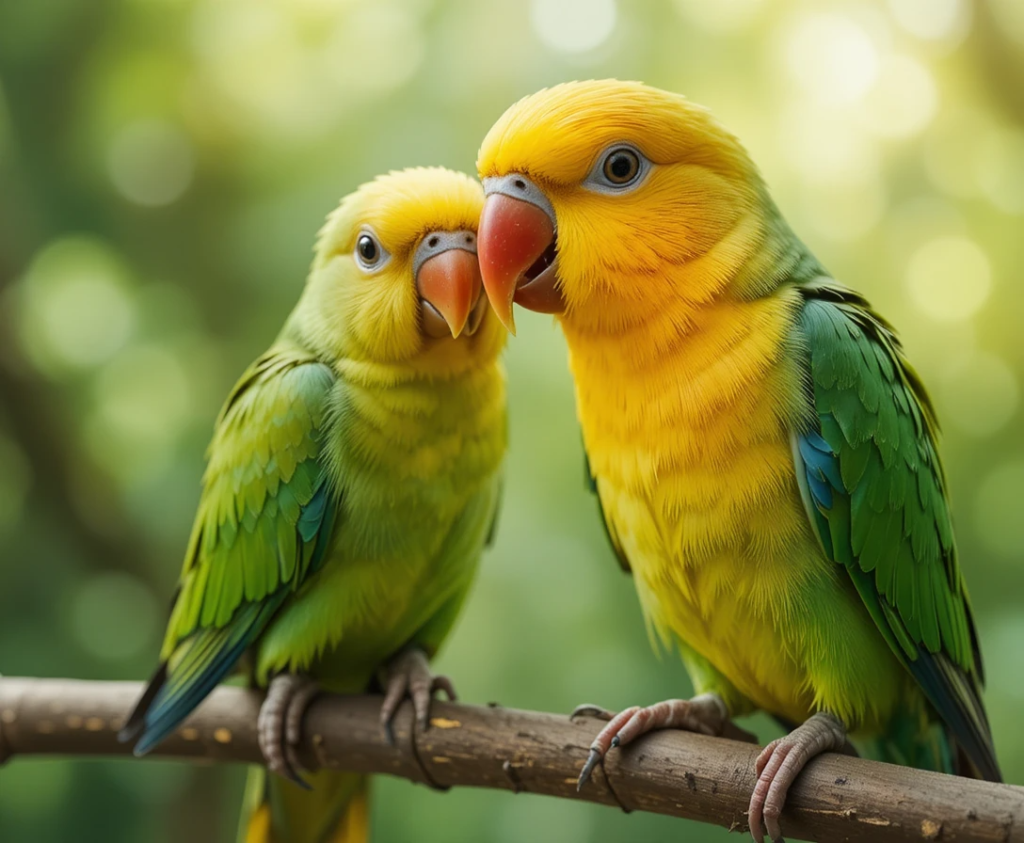
So, you’re deep into the world of breeding budgies. You’ve got the egg food recipe down, the cuttlebone is hanging proudly, and you’re chopping veggies like a master chef. But now you’re wondering: “Do my birds need something more? What about those bottles of vitamins and supplements at the pet store?”
It’s a great question. Let’s talk about breeding budgie supplements without making it more complicated than it needs to be. Think of supplements not as the main course, but as the little sprinkle of salt and pepper that can sometimes help.
The Golden Rule: Food First, Supplements Second
Before we dive into bottles and powders, let’s get one thing straight. The very best source of nutrients for your birds comes from a top-notch diet. No amount of liquid vitamin can fix a poor diet.
Your foundation should always be:
- A high-quality parakeet seed mixor pellets.
- A reliable source of protein-rich egg food.
- Plenty of fresh, dark leafy vegetables.
- A constant supply of calcium from a cuttleboneand mineral block.
If you have all that covered, you’ve already done 95% of the work. Supplements are just for that final 5% nudge. Getting the budgie breeding nutrition basics right is your number one priority.
The “Maybe” List: Supplements to Consider
When it comes to avian vitamins for breeding, you don’t need a pharmacy shelf in your cupboard. Most breeders only consider a couple of key players.
- The Calcium Boost
We’ve talked about cuttlebone, but sometimes a hen needs a little extra, especially if you’re worried about preventing egg binding in budgies.
- Liquid Calcium:This is a popular calcium supplement for egg-laying budgies. You add a few drops to their drinking water as directed. It’s a good, fast-acting way to ensure they’re getting enough. It’s like giving her a dedicated calcium milkshake alongside her regular cuttlebone snack.
- When to use it:Many breeders start a liquid calcium regimen a week or two before the first egg is expected and continue through the laying period.
- The Multi-Vitamin Mix
A general bird vitamin supplementcan be useful, but it’s easy to overdo it.
- What it is:A powder or liquid that contains a blend of vitamins A, B, D, E, and others.
- When to use it:The best time is during the pre-breeding conditioning period, sprinkled lightly on their moist egg food. It can help give them a great start. It can also be a lifesaver if a bird is recovering from illness or seems run-down.
- Big Warning:More is not better! Over-supplementing with vitamins, especially fat-soluble ones like Vitamin A and D, can actually make your bird sick. Always, always follow the dosage instructions.
The “Probably Don’t Need” List
Walk into any pet store, and you’ll see a wall of products. Here’s the truth about a few:
- Probiotics:These are often marketed for digestive health. For a healthy bird on a good diet, they’re usually unnecessary. Save your money for more veggies.
- “Extreme” or “Super” Breeder Formulas:Be skeptical of products that promise miraculous results. Good breeding is about consistent, quality care, not a magic potion.
How to Safely Use Supplements (Without Going Overboard)
If you decide to use supplements, follow these simple rules to be a responsible bird owner.
- Don’t Double Dip:If you’re using a liquid calcium, you probably don’t need a multi-vitamin that also has high levels of calcium. You wouldn’t take two different painkillers for one headache, right?
- Moist Food is Your Friend:Always add powder supplements to moist food like egg food or cooked grains. If you put it in seeds, it just falls to the bottom of the dish. If you add it to water, it can spoil quickly and discourage drinking.
- Cycle, Don’t Overload:A common approach is to supplement for a short, specific period. For example, use a multi-vitamin for one week during conditioning, then take a few weeks off. This is part of a balanced budgie diet.
The Final Verdict: To Supplement or Not to Supplement?
So, what’s the bottom line on budgie breeding supplements?
Think of yourself as a sports coach. A great coach focuses on the athlete’s core training, sleep, and whole-food nutrition first. They might then add a targeted supplement like a protein shake for recovery.
Your job is the same. Nail the core diet first—that’s your foundation. If you feel your birds need an extra boost during the demanding breeding period, a little liquid calcium or a short course of a quality avian vitamin can be that helpful shake.
But remember, the real magic isn’t in a bottle. It’s in the fresh chop you make, the perfect egg food, and the clean water you provide. Focus on that, and your birds will likely have all the fuel they need for their important job.
Soft Food for Budgies: The Ultimate Guide to Squishy, Healthy Meals
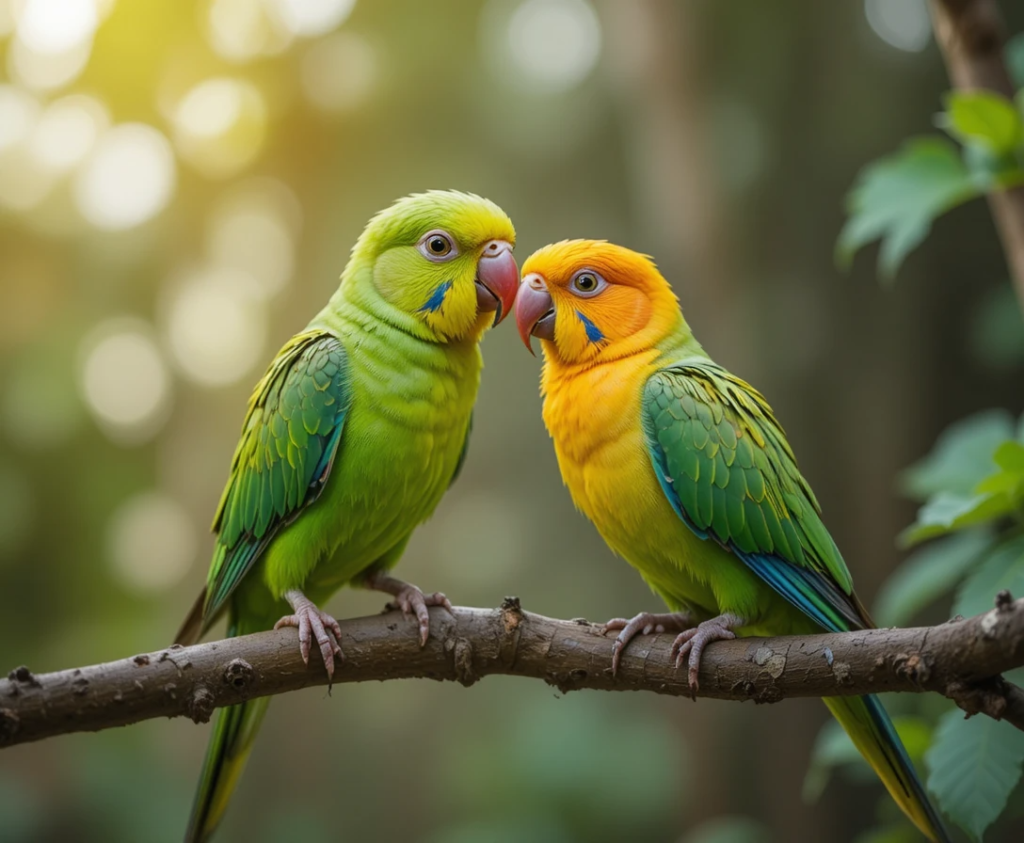
If you think a budgie’s life is all about cracking hard seeds, think again! There’s a whole world of delicious, squishy, and nutritious food that your feathered friend is probably craving. Let’s talk about soft food for budgies—the mushy, often overlooked part of a top-notch diet.
So, what exactly is “soft food”? It’s exactly what it sounds like: moist, easy-to-eat foods that are a breeze for budgies to digest. Think of it as the comforting oatmeal or creamy soup of the bird world. It’s not just a treat; for many budgies, it’s a crucial part of staying healthy and happy.
Why Your Budgie Needs a Little “Mush” in Their Life
You might be wondering, “Why fix what isn’t broken? My bird loves his seeds!” And that’s fair. But adding soft food for budgies to their routine has some amazing benefits:
- For the Picky Eater:It’s a brilliant way to sneak in healthy foods that they’d normally ignore in solid form. It’s much harder to pick out the broccoli when it’s mixed into a delicious, mushy paste!
- For the Young and the Old:Baby budgies weaning off their parents’ food and older birds with weaker beaks find soft food much easier to manage.
- For the Busy Breeder:This is a big one! Soft foods for breeding budgies are essential. Parent birds can easily regurgitate this moist food for their chicks, making it the perfect chick rearing food.
- Overall Health:It’s a fantastic vehicle for adding nutrients to budgie diet, like bird-safe vitamins or calcium powder.
What Counts as Soft Food? Your Simple Shopping List
The beauty of soft food is its variety. You can mix and match! Here are the top contenders for your budgie’s nutritious soft food menu:
- The Classic: Egg Food
This is the king of soft foods, especially for breeding or moulting birds. You can buy a dry commercial egg food for budgies(just add water) or make your own simple version by mashing a hard-boiled egg (shell included for calcium!) with a little cooked grain or breadcrumb. - Soaked or Sprouted Seeds
This is a game-changer! Soaking seeds in water for several hours makes them puff up and softens the hard shell. Sprouted seeds for budgiesare even better, as the sprouting process increases their vitamin content. It’s like turning their regular snack into a superfood. - Cooked Grains & Legumes
Think beyond seeds! Cooked foods like quinoa for birds, brown rice, mashed lentils, or even a bit of plain, cooked oatmeal are fantastic, healthy options. They provide great energy and are very easy on the digestive system. - Mashed Fresh Veggies
Some veggies are naturally soft or become soft when cooked. Try offering:
- Cooked and mashed sweet potato or carrot (a budgie favourite!)
- Very finely chopped broccoli florets
- Mashed pea or corn
How to Serve Soft Food Without the Mess (Well, Less Mess)
Budgies can be messy eaters, and soft food has a way of ending up on the cage walls, your walls, and possibly the ceiling. Here’s how to serve it right:
- Use a Shallow Dish:A small, flat dish makes it easy for them to see and access the food.
- Small Portions are Key:Only offer a amount they can finish in a few hours. This is the most important rule for safe soft food practices!
- Remove Uneaten Food Promptly:Moist food spoils quickly. To prevent bacteria, always take out any leftovers after 2-4 hours. If you wouldn’t eat it, don’t let your bird eat it!
Troubleshooting: What If My Budgie is Suspicious?
If your budgie looks at your lovingly prepared mush like it’s a tiny plate of alien goo, don’t lose hope. Here’s how to win them over:
- Act Interested:Sit by the cage and poke at the soft food with your finger. Curiosity often gets the better of them.
- The Millet Trick:Place a tiny piece of their favourite spray millet right on top of the soft food. They’ll have to peck through the “mush” to get to the treat.
- Be Patient and Persistent:Keep offering it every day. Sometimes it takes dozens of tries before they finally take a curious nibble.
Wrapping Up: Embrace the Squish!
Adding soft food for budgies to your routine is one of the easiest and most effective ways to boost their nutrition. Whether you’re supporting a breeding pair, helping a senior bird, or just trying to make mealtime more interesting, this squishy, wholesome food is a winner.
So, go ahead, whip up a small batch of something mushy. Your budgie might just discover a new favourite meal, and you’ll get the satisfaction of knowing you’re giving them the very best.
What Fruits and Vegetables Can Budgies Eat?
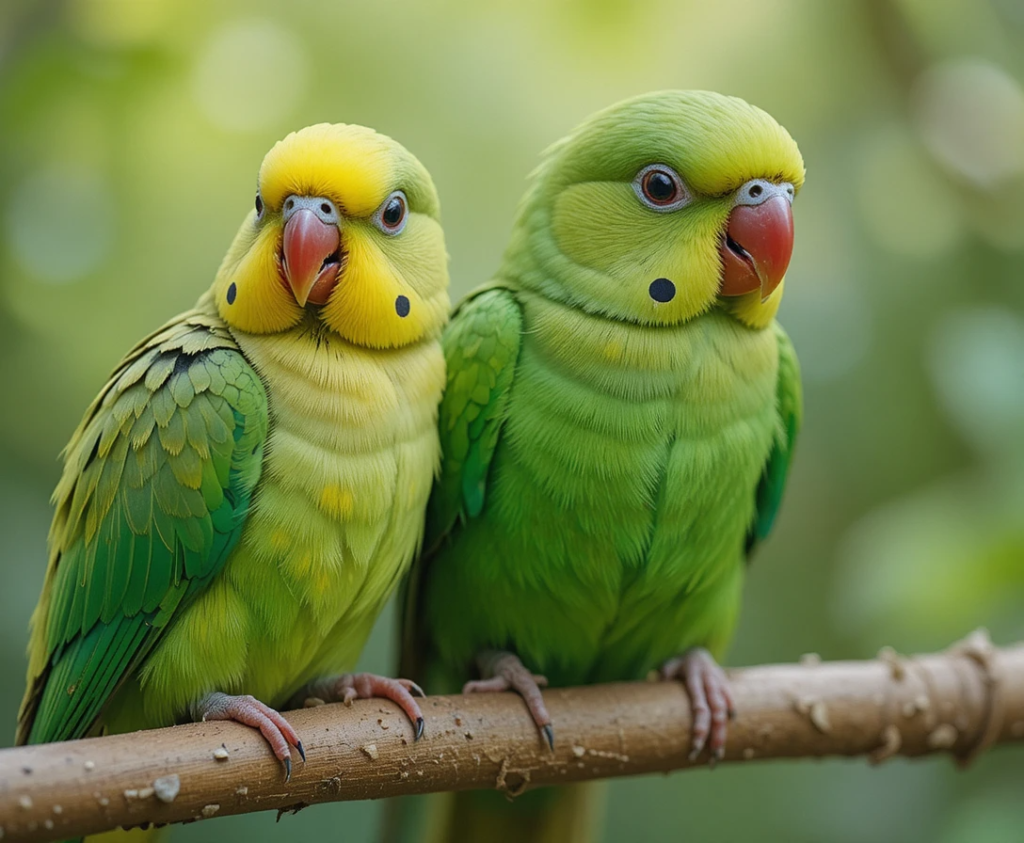
So, you want to treat your budgie to something fresher than a seed? That’s fantastic! Adding fresh fruits and veggies is one of the best things you can do for your feathered friend’s health. But walking into the produce section can be overwhelming. Is that apple safe? What about that suspicious-looking zucchini?
Don’t worry, we’ve got you covered. Here’s a simple, no-nonsense guide to safe fruits and vegetables for budgies that will turn your bird into a happy, healthy little food critic.
The Golden Rule of Green (and Red, and Orange…)
Before we get to the list, remember this: Wash Everything! You want to remove any nasty pesticides that might be hitching a ride on that shiny apple. A quick rinse under the tap does the trick.
Also, start small. A budgie’s tummy is tiny! Offer a piece of one new food at a time to see if they like it. If they turn their beak up today, try again tomorrow. They can be stubborn little gourmets.
The A-List: Budgie-Approved Superstars
These are the safe, healthy, and generally well-received options for your budgie’s healthy diet.
Top Veggie Picks (The Real Nutritional Powerhouses):
- Leafy Greens:Think kale, spinach (in moderation), romaine lettuce, and Swiss chard. They’re packed with vitamins and are usually a hit. This is the foundation of nutritious vegetables for parakeets.
- Broccoli & Cauliflower:The florets are fun to destroy, and they’re incredibly good for them. It’s a toy and a snack in one!
- Carrots:A classic for a reason. Grated or in thin slices, they’re full of vitamin A. Just watch them try to turn their beak orange—it’s hilarious.
- Bell Peppers:Any colour! They are sweet, crunchy, and full of vitamin C. Remember to remove the seeds first.
- Sweet Corn:A little bit of cooked corn is like candy to a budgie. They love pecking the kernels off.
- Zucchini & Cucumber:Great hydrating options, especially on a warm day. They are mild and easy to eat.
Fruity Favourites (The “Sometimes” Treats):
Fruits are higher in sugar, so think of them as dessert. Offer them in small amounts a few times a week.
- Apples:A fantastic choice! Just make sure you remove the core and seeds first, as apple seeds are toxic.
- Berries:Blueberries, strawberries, and raspberries are little antioxidant powerhouses. Your budgie might look like a tiny feathered murderer after eating a blueberry, but it’s totally worth it.
- Bananas:They go nuts for the soft texture. Offer a tiny slice—it’s very rich for them.
- Melon:Cantaloupe and watermelon (seedless) are hydrating and sweet. A perfect summer treat.
- Grapes:Cut them in half or quarters to prevent any choking hazard. They are a surefire winner.
The “No-Fly” Zone: Foods to Absolutely Avoid
This list is short but super important. Knowing what foods are toxic to budgies is critical for their safety.
- Avocado:This is public enemy number one. It’s highly toxic to birds and can cause serious health issues.
- Onions & Garlic:These can cause digestive problems and are best avoided entirely.
- Fruit Pits & Seeds:As mentioned, the pits from cherries, peaches, and plums, and apple seeds, contain trace amounts of cyanide. Always remove them.
- Rhubarb:Another big no-no. It’s toxic to many pets, including birds.
- Caffeine, Chocolate, and Alcohol:This should go without saying, but keep your coffee and chocolate bar far away from your curious friend.
How to Serve Them: Making Veggies Fun
Budgies can be suspicious of new things. If your bird looks at your carefully offered broccoli like it’s a tiny green monster, don’t give up!
- Chop it Fine:Sometimes, big pieces are intimidating. A fine chop mixed with their regular seeds can help.
- Hang it Up:Clip a leafy green like kale to the side of the cage. It becomes a fun toy to shred.
- Eat It Yourself:Seriously! Sit near the cage and munch on a carrot stick. Your curiosity will become their curiosity. They’ll think, “What is he having that’s so good?”
Your Final Pecking Order
Adding a variety of fresh foods for budgies to their diet is a wonderful way to enrich their lives and boost their health. Start with the classics like carrot, broccoli, and apple, and slowly introduce new colours and textures.
Remember, patience is key. Keep offering those healthy options, and soon enough, you’ll have a happy, chirping veggie lover on your hands. Now, go raid that fridge—your feathered friend is waiting for their gourmet meal
Budgie Not Feeding Chicks? Don't Panic! Here's What to Do.
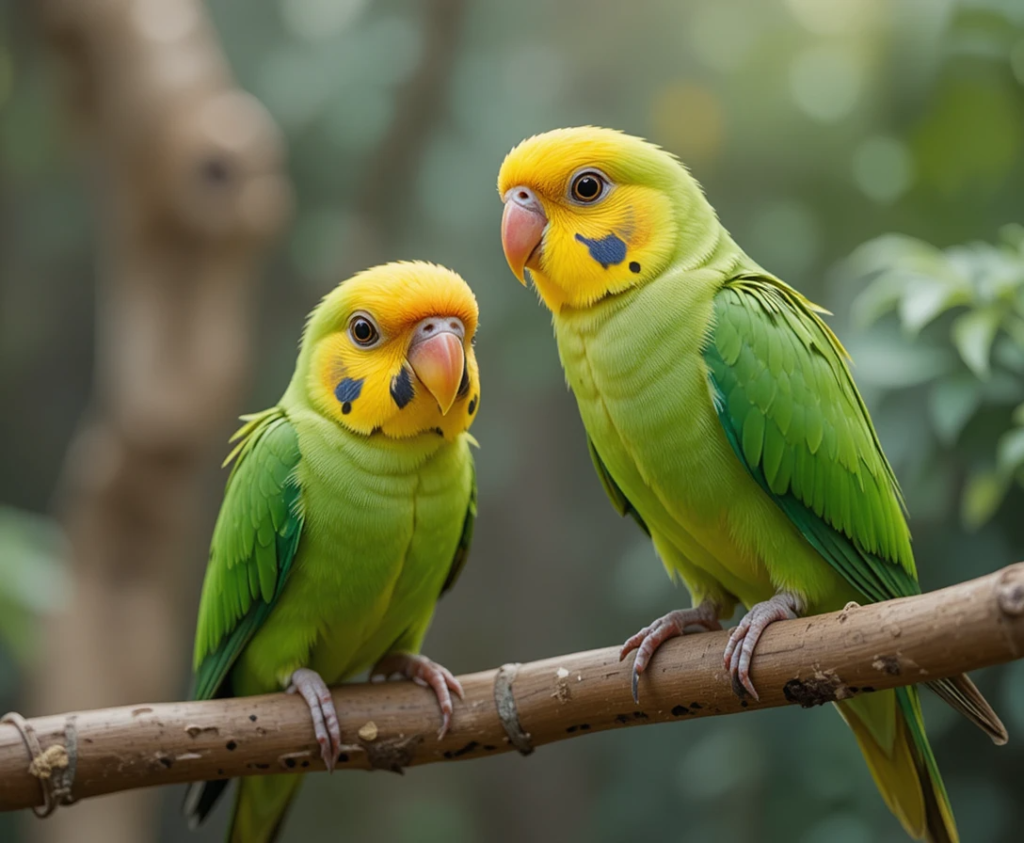
Discovering that a parent budgie isn’t feeding their chicks is a heart-sinking moment for any bird owner. You peek into the nest box and see hungry, squeaking babies, but no mom or dad in sight with a full crop. Before you panic and declare it a birdie emergency, take a deep breath. Let’s troubleshoot why a budgie is not feeding chicks and what you can realistically do about it.
First, a little reassurance: Budgies are generally excellent parents. But sometimes, they need a little backup. Understanding the reasons is the first step to solving the problem.
Why Would a Parent Budgie Abandon Their Chicks?
It’s not always as simple as “bad parenting.” Several factors can cause this budgie chick neglect.
- Inexperience:This is the most common reason. Especially with first-time parents, they might just be confused by the whole situation. “Wait, these loud, wiggly things need me to do what?” It can take them a little while to figure out their job description.
- The Parents Feel Unsafe:If the cage is in a high-traffic, noisy, or stressful area, the parents might be too anxious to settle down and feed their babies. Constant disturbance is a major cause for budgies abandoning chicks.
- An Underlying Health Issue:A sick parent bird simply may not have the energy or instinct to care for its young. If the parent seems lethargic or fluffed up, this could be the cause.
- The Chicks Are Weak:Harsh as it sounds, nature sometimes leads parents to focus their energy on the strongest chicks. If a chick is born with a defect or is significantly weaker, the parents might instinctively ignore it.
- A Simple Lack of the Right Food:This is a critical one! Parent birds can’t feed their chicks dry seeds. They need soft food for budgies to regurgitate. If you haven’t provided the right chick rearing food, the parents literally don’t have the tools to do the job.
The Rescue Plan: How to Step In and Help
Okay, you’ve identified a potential problem. Now what? Here is a clear action plan for dealing with abandoned budgie chicks.
Step 1: Don’t Interfere Immediately (At First)
Unless the chicks are cold and clearly haven’t been fed for many hours, give the parents a little space. Watch from a distance. Sometimes, the parents are just taking a well-deserved break and will return to feed the chicks when you’re not looming over them.
Step 2: Check the “Kitchen” Supplies
This is the easiest thing to fix. Is there egg food in the cage? Are there soaked seeds or fresh veggies? If not, you’ve likely found the problem! Providing a constant supply of high-protein soft food is like stocking the fridge for the parents. They can’t feed the babies if their own crop is empty.
Step 3: Create a Peaceful Paradise
Move the cage to a quiet, low-traffic room. Cover one side of the cage with a light cloth to give them privacy. Reducing stress can work wonders and often convinces anxious parents to return to their duties.
Step 4: The Last Resort – Hand-Feeding
If the parents are truly not stepping up and the chicks are becoming weak and silent, you may need to step in as the foster parent. Hand-feeding baby budgies is a huge commitment.
- What you’ll need:A special hand-feeding formula from a pet store, a small syringe or spoon, and precise instructions.
- The reality:This means feeding the chicks every 2-3 hours, day and night, with formula at the perfect temperature. It’s exhausting but can be incredibly rewarding.
Important: If you get to this stage, it’s best to consult an avian vet or an experienced breeder for guidance. It’s a delicate process.
How to Tell if a Chick is Actually Being Fed
New breeders often mistake full crops for empty ones. A fed chick has a visible, slightly bulging area on the front of its neck (the crop). If you see plump, warm chicks with full crops and they are sleeping quietly between feeds, the parents are doing their job just fine, even if you never see it happen.
Final Thoughts: Be a Supportive Grandparent
Most of the time, the issue of a budgie not feeding chicks can be solved by ensuring the parents have a stress-free environment and, most importantly, the right nutritious, soft food at their disposal.
Your role is to be the supportive grandparent who stocks the fridge and keeps the peace. By providing a quiet space and the perfect budgie breeding diet, you give the parents the best possible chance to succeed on their own. Now, take a step back, let nature take its course, and be ready to step in only if you’re truly needed.
Parakeet Diet for Breeding FAQs:
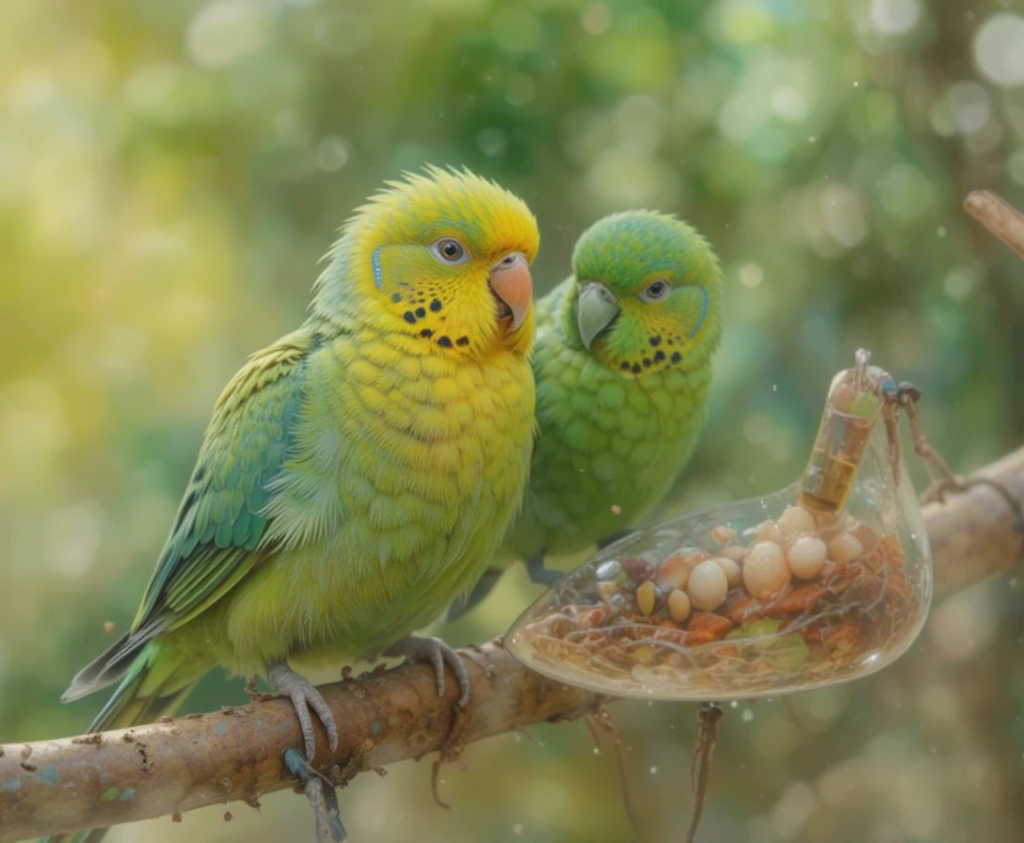
Got parakeets that are ready to start a family? Just like us, they need the right fuel for the big job ahead. Here are the most common questions bird owners have about the perfect parakeet diet for breeding.
Why does their diet need to change for breeding?
Answer: Think of it this way: you wouldn’t run a marathon on a snack of crackers. Breeding is hard work! The hen needs extra protein to make eggs and both parents need energy to feed hungry chicks. A special diet prevents problems and helps raise strong babies.
What is the most important food to add?
Answer: Hands down, it’s egg food. This is a special moist mix (you can buy it or make it) that’s packed with protein. It’s easy for parents to eat and regurgitate to their babies, making it the ultimate power meal.
I’ve heard about calcium. Why is it so critical?
Answer: Calcium is what the hen uses to build strong eggshells. Without enough, she can become “egg-bound,” meaning she can’t lay the egg. This is a serious emergency. Always have a cuttlebone and a mineral block in the cage.
When should I start the new diet?
Answer: Don’t wait for the eggs! Start the enhanced diet about 3-4 weeks before you put the nest box in. This “pre-breeding conditioning” gives their bodies time to build up the necessary nutrients.
What exactly is “egg food”?
Answer: It’s a soft, high-protein food made for breeding birds. A simple homemade recipe is a mashed hard-boiled egg (with the crushed shell for calcium!) mixed with a little whole-wheat breadcrumb or cooked quinoa. It’s the perfect soft food for chicks and parents.
Can I just give them more of their regular seed mix?
Answer: No. While a high-quality seed mix should always be available, it doesn’t have enough protein or the right nutrients for breeding. Seeds are the side dish; the egg food, fresh veggies, and calcium sources are the main course.
What fresh foods are best?
Answer: Focus on veggies! Dark leafy greens like kale and broccoli are fantastic. Grated carrots are also a hit. Fruits are okay as an occasional treat but are high in sugar. Always wash all fresh food thoroughly.
How often should I feed them this special diet?
Answer: During the breeding period, offer fresh egg food and veggies at least once a day, but twice is even better. Just remember to remove any uneaten moist food after a few hours to keep it from spoiling.
What do the baby chicks eat?
Answer: The good news is, you don’t have to do much! The parent birds will feed the chicks themselves. They eat the soft egg food and then regurgitate it right into the chicks’ mouths. Your job is just to make sure the parents have plenty of food.
My parakeets are ignoring the new food. What do I do?
Answer: Be patient! Birds can be suspicious of new things. Keep offering small amounts every day. Sometimes, eating the new food in front of them (yes, pretend to eat it!) can spark their curiosity. They’ll eventually come around.