
What is parakeet egg laying?
So, Your Parakeet Laid an Egg: A No-Panic Guide to What’s Happening
So, you were cleaning your parakeet’s cage, moved a toy, and… surprise! A tiny, perfect egg is sitting there. Your first thought might be, “Wait, I didn’t even know she had a boyfriend!” Don’t worry, you’re not alone. Figuring out the world of parakeet egg laying can feel confusing, but it’s actually a pretty normal process. Let’s crack into it (pun intended).
The Big Question: Do You Need a Male for This?
This is the number one head-scratcher for new parakeet owners. The answer is a resounding nope.
Think of your female parakeet, or hen, like a chicken. A chicken will lay eggs every day without ever meeting a rooster. Similarly, a female parakeet can lay infertile eggs all on her own. It’s just her biology kicking in. If there’s no male around, those eggs are essentially little duds—they won’t hatch, no matter how much she sits on them.
If a male is in the picture, then you might be dealing with fertile parakeet eggs. That’s when you need to start thinking about the pitter-patter of tiny clawed feet.
Why is She Laying Eggs? The Birdie Version of Spring Fever
Your parakeet isn’t just being quirky. Why did my parakeet lay an egg? is a super common search, and it usually boils down to her environment screaming, “IT’S BABY-MAKING SEASON!” Her hormones are triggered by things like:
- Lots of Daylight:More than 12 hours of light can trick her bird brain into thinking it’s the perfect time to raise a family.
- A Full Buffet:An abundance of delicious food, especially fatty seeds and warm, mushy foods, tells her there are plenty of resources for chicks.
- The Perfect Bachelor Pad:Does she have a cozy, dark space? A happy hut, a tucked-away food bowl, or even a paper bag can look like a five-star nest to her.
So, if your parakeet starts laying eggs, take it as a compliment. You’ve made her life so comfortable she’s decided to start a family (even if it’s a family of one).
The Egg-cellent Adventure: From Inside the Bird to Your Cage
The parakeet egg laying process is a big deal for a little bird. She’ll usually lay one egg every other day until she has a full clutch, which is typically between 4 and 6 eggs.
Here’s a fun (and slightly gross) fact: the eggshell is the last part to form. She pulls a massive amount of calcium from her own bones to create those hard little shells. This is why it’s so important she has a cuttlebone or a mineral block—so she doesn’t drain her own calcium bank!
Once the eggs are laid, she’ll start the incubation process. This is when she parks herself on those eggs 24/7 to keep them warm. For fertile eggs, the parakeet egg hatching time is usually 18 to 20 days. For infertile eggs, she’ll just be sitting on them like a stubborn, feathery paperweight.
Uh Oh, Is This Normal? When to Worry
Most of the time, egg laying is fine. But you need to be aware of a serious condition called egg binding in parakeets. This is when an egg gets stuck inside her. It’s a life-or-death situation and requires an immediate trip to the vet.
Keep an eye out for these egg binding symptoms:
- She’s sitting on the cage floor, all puffed up and lethargic.
- You can see her straining or pumping her tail.
- She’s lost her appetite.
- Her bottom (the vent area) looks swollen.
If you see any of this, don’t wait. Call your avian vet right away.
To Remove or Not to Remove? That is the Question
So, should I remove my parakeet’s eggs? For infertile eggs, the answer is usually yes, but you have to be sneaky about it.
If you take them all away at once, her bird brain goes, “Oh no! My babies! Must make more!” and she’ll just lay another clutch, which is exhausting for her.
The sneaky trick is to either:
- Let her sit on them for about 3-4 weeks until she gets bored and abandons them herself.
- Carefully replace them with fake plastic eggs you can buy at pet stores. She’ll sit on those until her hormones calm down.
If you want to learn how to stop a parakeet from laying eggs, you need to remove those romantic triggers. Limit her daylight to 10-12 hours, remove any cozy huts, and stop offering breeding-friendly foods.
The Final Cluck
Discovering a parakeet egg in a cage can be a shock, but now you’re equipped with the knowledge to handle it like a pro. Remember, it’s a natural process. Your job is to be a supportive friend, provide plenty of calcium, and know when it’s time to play the role of a sneaky egg thief—all while keeping a watchful eye for any signs of trouble. Now go forth and be the best “parakeet midwife” you can be
My parakeet laid an egg; what do I do?
Surprise! My Parakeet Laid an Egg, What Do I Do? (A No-Freak-Out Guide)
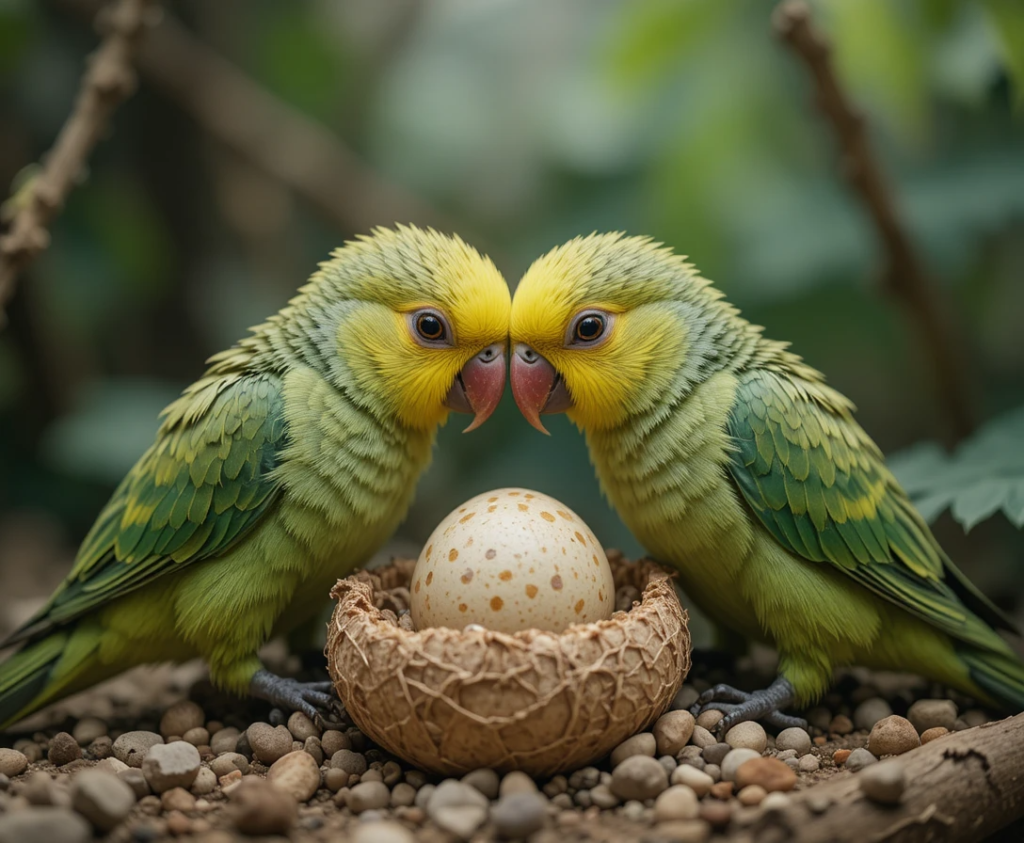
So, you’ve just had a big moment as a parakeet owner. You peeked into the cage and found a tiny, little egg sitting there. Your brain is probably racing: “My parakeet laid an egg, what do I do? Do I need to build a nursery? Do I boil some water?”
First things first, take a deep breath. Don’t panic. Your bird isn’t sick, and this is way more common than you think. Think of this as your crash course in becoming a parakeet midwife. Let’s walk through the steps together, from “Oh my goodness!” to “I’ve got this.”
Step 1: Don’t Do Anything Rash (Yet)
I know the urge is strong, but resist the temptation to immediately grab the egg. For your bird, that egg is her precious baby, even if it’s just an unfertilized dud. Snatching it away can stress her out and might even cause her to lay more eggs to replace the “lost” one.
Instead, just observe. Is she acting normally? Is she eating and drinking? If she’s perched on the egg looking proud, just let her be for now. If she’s totally abandoned it and is back to playing with her bells, that’s a different story.
Step 2: Play Detective – Is There a Mr. Feathered in the Picture?
This is the million-dollar question. Your female parakeet laying an egg doesn’t need a male to do it. It’s like a chicken laying a breakfast egg—no rooster required. These are called infertile parakeet eggs.
But if you have a male and female parakeet together who’ve been, ahem, “getting along,” then you might be dealing with fertile parakeet eggs. This is when you might need to think about the pitter-patter of tiny clawed feet.
Step 3: Be a Sneaky Egg Thief (The Right Way)
Okay, so you’ve determined the egg is likely infertile (no male around). You still need to remove it, but you have to be clever about it.
The best method is the slow swap. You can simply leave the egg with her for about 3 weeks (the typical parakeet egg incubation period). She’ll eventually realize it’s not hatching and lose interest. Or, you can be extra sneaky and replace the real egg with a fake one from a pet store. She can sit on her “fake baby” until her hormones calm down.
If you take the eggs away all at once, her bird-brain might go, “Emergency! Must make more babies!” and she’ll start the whole process over. This leads to chronic egg laying, which is exhausting and unhealthy for her.
Step 4: Turn Off the Romance in the Cage
To prevent this from becoming a regular soap opera, you need to make her environment less, well, sexy.
- Limit the Daylight: Cover her cage for 12-14 hours a night. Long days signal “It’s spring! Time for babies!”
- Re-decorate: Move her perches and toys around. A changed environment disrupts that cozy, “perfect for a nest” feeling.
- Remove the Love Shack: Take out any enclosed or dark spaces like happy huts, cardboard boxes, or even a food dish she’s been getting overly cozy in.
- Change the Menu: Cut back on fatty seeds and warm, mushy foods (like eggs or pasta). These signal an abundant food supply for chicks. Stick to her regular pellets and veggies for a while.
Step 5: Know When to Sound the Alarm
While most of the time this is no big deal, you need to be aware of a serious condition called egg binding in parakeets. This is when an egg gets stuck inside her. It’s a life-threatening emergency.
Watch for these egg binding symptoms:
- She’s sitting on the cage floor, fluffed up and lethargic.
- She’s straining or looks like she’s trying to push.
- Her tail is bobbing constantly.
- She’s lost her appetite.
- Her bottom (vent) looks swollen.
If you see any of these signs, don’t wait. This is not a DIY situation. You need to get her to an avian vet immediately.
You’ve Got This!
Finding that first egg is a rite of passage for a parakeet owner. Your main jobs are to stay calm, be a little sneaky with egg removal, and make some simple changes to her cage life. By doing this, you’re ensuring your feathered friend stays happy and healthy, and you can go back to just enjoying her company—without any more surprise grandbirds!
How to tell if a parakeet egg is fertile?
Is There a Baby Bird in There? How to Check a Parakeet Egg for Fertility
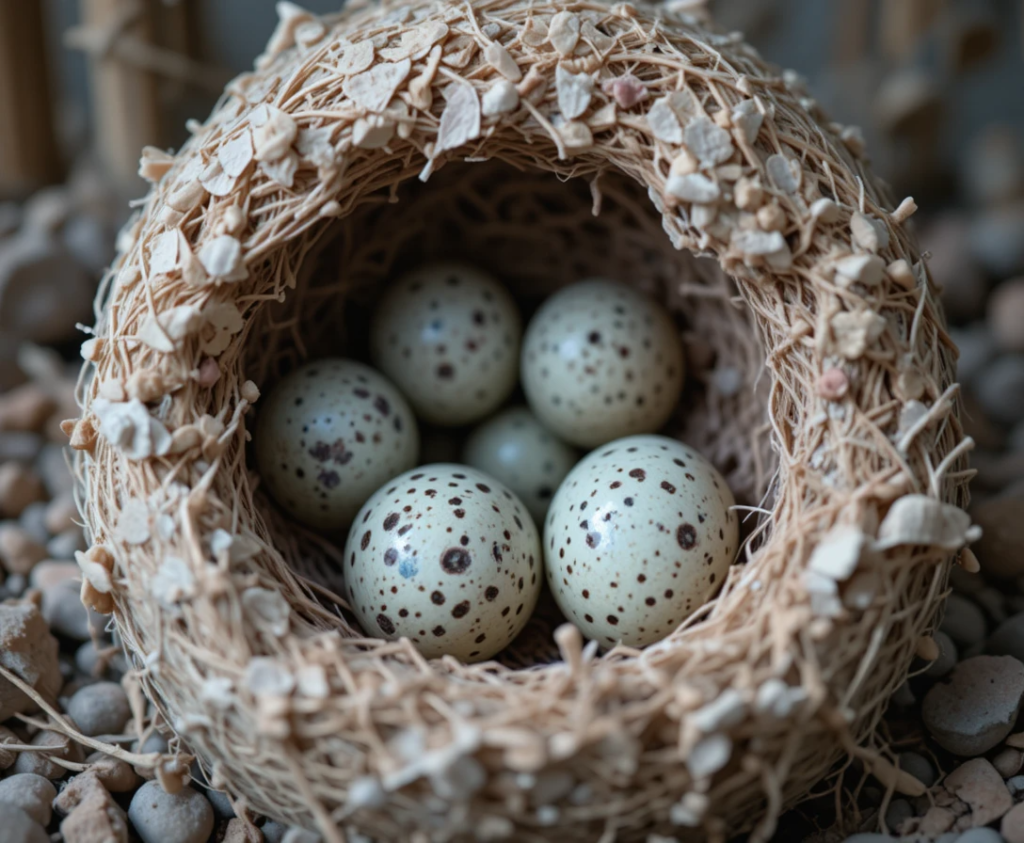
So, your parakeet has laid a clutch of eggs, and now you’re playing the waiting game. You’re staring at these tiny, off-white ovals wondering, “Are you just breakfast, or are you my future feathered grandchildren?”
Figuring out if you’ve got fertile parakeet eggs or just little duds can feel like a mystery. But don’t worry, you don’t need a veterinary degree. With a simple technique and a little patience, you can play detective and solve the case of what’s inside.
The Golden Rule: Patience, Grasshopper!
First things first, you can’t tell anything by just looking at a freshly laid egg. It’s like trying to guess what’s inside a wrapped present by smelling it—not very effective.
You need to give it some time. For the magic to happen, the egg must be incubated properly, meaning Momma Bird (your hen) is sitting on them consistently to keep them warm. Wait about 5 to 7 days after she starts sitting on them before you even think about checking. This gives any potential embryo inside time to develop.
The Main Event: Candlelight for Your Egg (No Romance Needed)
The best way to check for a growing chick is a method called candling parakeet eggs. It sounds fancy, but it’s really simple. You’re basically turning the egg into a tiny, see-through lamp.
Here’s your DIY guide to candling:
- Grab a Small, Bright Light:A small, powerful flashlight from your phone is perfect. A small LED pen light works even better.
- Make it Dark:Go into a dark room, like a closet or a bathroom at night. This helps you see the details inside clearly.
- Be Gentle and Quick:Carefully take the egg from the nest. It’s okay! Mom might squawk at you, but if you’re quick (we’re talking 30 seconds or less), she’ll forgive you. Handle the egg like it’s a priceless jewel.
- Shine the Light:Hold the light right against the top or side of the egg. Look through the shell from the other side.
You’re not trying to cook the egg, so please don’t use a candle! We’re going for “gentle glow,” not “scrambled.”
What Are You Actually Looking For?
This is where your detective skills come in. Here’s what you might see inside that egg:
Signs of a Fertile Egg (It’s Alive!):
After about a week of incubation, a fertile egg will show signs of life. You might see a tiny, dark spot with what looks like tiny red veins spider-webbing out from it. This is the embryo and its blood vessels. It might even look like a tiny, shadowy alien. As days pass, this dark area will get bigger and you might see a dark mass that moves! That’s your future parakeet.
Signs of an Infertile Egg (Just a Yolk):
An infertile parakeet egg will be pretty boring to look at. When you candle it, it will look clear and hollow, or you might just see a faint, yellowish shadow (the yolk) without any veins. It might also look completely bright and empty. Sadly, this one is just a potential omelet.
The “Uh Oh” Egg:
If the egg looks dark, murky, or has a weird greenish or blood-ringed inside, it’s likely a dead-in-shell parakeet egg. The embryo started to develop but didn’t make it. It’s best to remove this one from the nest.
What If They’re All Infertile?
If you’ve candled all the eggs after a good 7-10 days and they all look clear, you’ve got a clutch of infertile eggs. This is super common, especially if there’s no male bird in the cage.
So, should you remove infertile parakeet eggs? Yes, but be sneaky about it. If you take them all at once, your hen might panic and lay more to replace them. The best trick is to let her sit on them for the full parakeet egg hatching time (about 18-23 days). She’ll eventually get bored and abandon them when nothing happens. It satisfies her broody instinct.
The Bottom Line
Playing the egg-checking game is a fascinating part of bird ownership. By using the simple candling technique, you can answer the big question without bothering your hen too much. Remember to be patient, be gentle, and maybe don’t get your hopes up for that first clutch. Whether you end up with baby birds or just a curious story, you’re doing a great job looking after your feathered friend
Parakeet egg-binding symptoms
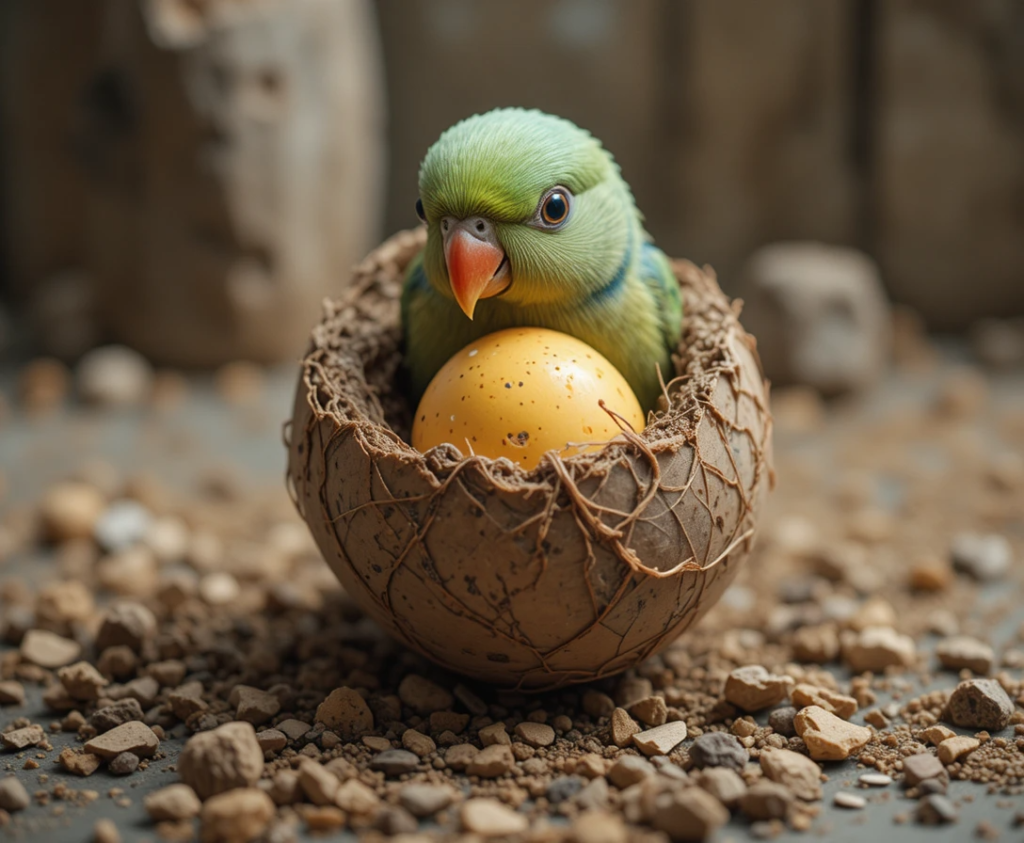
Is Your Parakeet Stuck? Understanding Egg Binding Symptoms
Let’s talk about one of the scariest things a parakeet owner can face: egg binding. It sounds technical, but it simply means one of her eggs is stuck inside her. Think of it as a traffic jam in a one-lane tunnel, and your bird is the tunnel.
This isn’t a “wait-and-see” situation. Egg binding in parakeets is a serious, life-threatening condition. Knowing the symptoms of a bound egg is the first and most important step to saving your feathered friend. Let’s break down what to look for, in plain English.
The Big Red Flags: Signs Your Parakeet is in Trouble
Your parakeet is a master at hiding illness, but egg binding is hard to disguise. Keep a sharp eye out for these egg binding symptoms.
- The “I’m-Stuck-on-the-Floor” Look
A healthy parakeet loves its perches. If you find your bird sitting on the bottom of the cage, all puffed up like a little feathery tennis ball, it’s a major warning sign. She’s not just relaxing; she’s weak and may be in pain. - The Tail Pumping Action
Watch her back end. If you see her tail constantly pumping up and down, almost like she’s doing a tiny, exhausting push-up, she’s straining. This is her body desperately trying to pass the egg. It’s one of the most common parakeet egg binding signs. - The Lethargy Loop
Is your usually chirpy, active bird now just a silent, fluffed-up lump? A lack of energy and loss of appetite are huge red flags. If she’s not interested in her favorite millet spray, something is very wrong. - The Swollen Backside
Gently take a peek at her vent (the area where the egg comes out). If it looks red, swollen, or is bulging noticeably, it’s a clear sign something is stuck. You might even see the egg straining against the skin. - The Wobbly Walks or Lameness
A stuck egg can press on the nerves in her pelvis. This might cause her to have trouble balancing, seem lame on one or both legs, or even have a wider-legged stance. She’s not trying out a new walk; she’s in distress.
“Okay, I See the Signs… What Now?!”
If you notice even one or two of these symptoms, it’s time to act. This is not a moment for Google deep dives or asking for advice on forums.
Your number one job is to call an avian vet immediately. Seriously, stop reading and call them right now. Tell them you suspect your parakeet has a bound egg. This is a true medical emergency, and professional help is the only thing that can save her.
While you prepare for the vet, you can provide temporary, gentle care:
- Warmth is Key: Move her cage to a warm, draft-free room. You can also create a makeshift hospital cage by placing a heating pad on the lowest setting under half of the cage. This gives her a chance to move away if it gets too warm. The heat can help relax her muscles.
- Up the Humidity: A shallow bowl of warm water in the cage can increase humidity, which might also help. Don’t try to bathe her, as this will cause more stress.
- Leave Her Be: As hard as it is, don’t handle her or try to massage the egg out yourself. You could easily break the egg inside her, which causes a catastrophic infection.
What Causes This Nightmare?
Knowing the causes can help you prevent it in the future. Egg binding often happens due to:
- Calcium Deficiency: She needs calcium to create strong eggshells and for the muscle power to push them out.
- Being Overweight: A fat parakeet has a harder time laying eggs.
- First-Time Layers: Young or old birds can have more trouble.
- Abnormally Shaped Eggs: Sometimes, the egg itself is just too big or misshapen.
The Bottom Line: Be a Hero
Finding your parakeet with a bound egg is terrifying. But by knowing these symptoms of egg binding, you can be her hero. Your quick action and immediate call to the vet are what will give her the best chance of pulling through. Keep that cuttlebone in her cage, watch her diet, and trust your gut. You’ve got this
How long does it take for parakeet eggs to hatch?
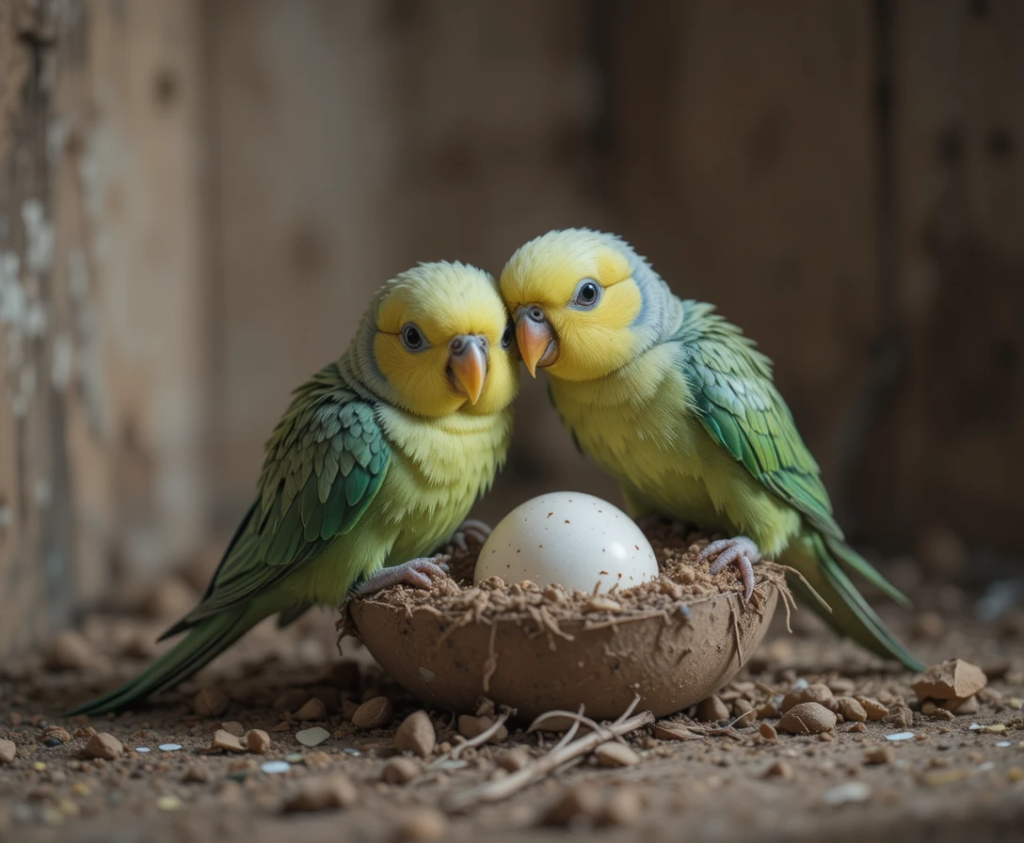
The Great Parakeet Egg Wait: How Long Until Hatch Day?
So, your parakeet has settled in on her clutch of eggs. Now, you’re probably staring at the nest box, tapping your foot, and wondering, “How long does this actually take?” It feels like waiting for a pizza delivery when you’re really hungry—but with more feathers and much higher stakes.
Don’t worry, the suspense is normal! Let’s break down the parakeet egg hatching time so you know exactly what to expect.
The Short Answer: Mark Your Calendar!
From the day your parakeet starts seriously sitting on her eggs, you’re looking at an average of 18 to 20 days for them to hatch.
But here’s the twist that confuses everyone: she doesn’t start the official countdown with the first egg. She usually lays one egg, then another the next day, and so on until she has a full clutch (usually 4-8 eggs). She only starts full-time, dedicated incubation after the second or third egg is laid.
Why this clever strategy? It’s her way of making sure all the babies are born around the same time. If she started incubating egg #1 right away, that chick would be a week older than its last sibling! This way, the whole crew gets a fairly equal start in life.
The Day-by-Day Breakdown of the Hatching Process
Understanding what’s happening inside the egg can make the wait a little more exciting.
- Days 1-7:The incubation period for parakeet eggs begins in earnest. Inside, if the egg is fertile, a tiny embryo is starting to form. At this stage, it’s all about developing the basic building blocks for a baby bird.
- Days 8-14:This is when things get real! If you were to “candle” the egg (shine a bright light through it in a dark room), you might see a network of tiny blood vessels and a small dark spot—the growing chick. It’s starting to look less like a yolk and more like a real creature.
- Days 15-20: Hatch Day is coming!The chick inside is now fully formed and just putting on the finishing touches. It uses a special little tool on its beak called an “egg tooth” to start pipping, or tapping, from the inside out. This is hard work, and it can sometimes take 24-48 hours from the first pip to the chick fully emerging.
So, the typical parakeet egg hatching time isn’t an exact science. You might see the first egg hatch on day 18, and the last one might not make an appearance until day 23 or 24.
What If Nothing Happens After 23 Days?
If you’ve hit the 23-day mark and Momma Bird is still sitting on a full clutch of intact eggs, you’re likely dealing with infertile parakeet eggs. They’re just not going to hatch. It’s like waiting for a cake to bake when you forgot to turn the oven on.
At this point, it’s usually safe to carefully remove the eggs. Sometimes, the hen will abandon them herself once she realizes her shift is over and no one is clocking in.
Your Role: The Supportive Landlord
Your main job during this parakeet breeding timeline is to be the best support system possible.
- Don’t Fuss:Resist the urge to constantly check the nest box. It stresses out the mother.
- Serve Good Food:Make sure she has a constant supply of high-quality parakeet seed, a cuttlebone for calcium, and fresh water. She’s working hard!
- Keep it Cozy:Ensure the room is warm and free from loud noises and drafts.
Now you’re in the know. The parakeet egg hatching duration is a test of patience, but it’s one of the most rewarding experiences for a bird owner. So, take a deep breath, trust the process, and get ready for the possibility of some tiny, squeaky arrivals soon.
Why did my parakeet lay an egg without a male?
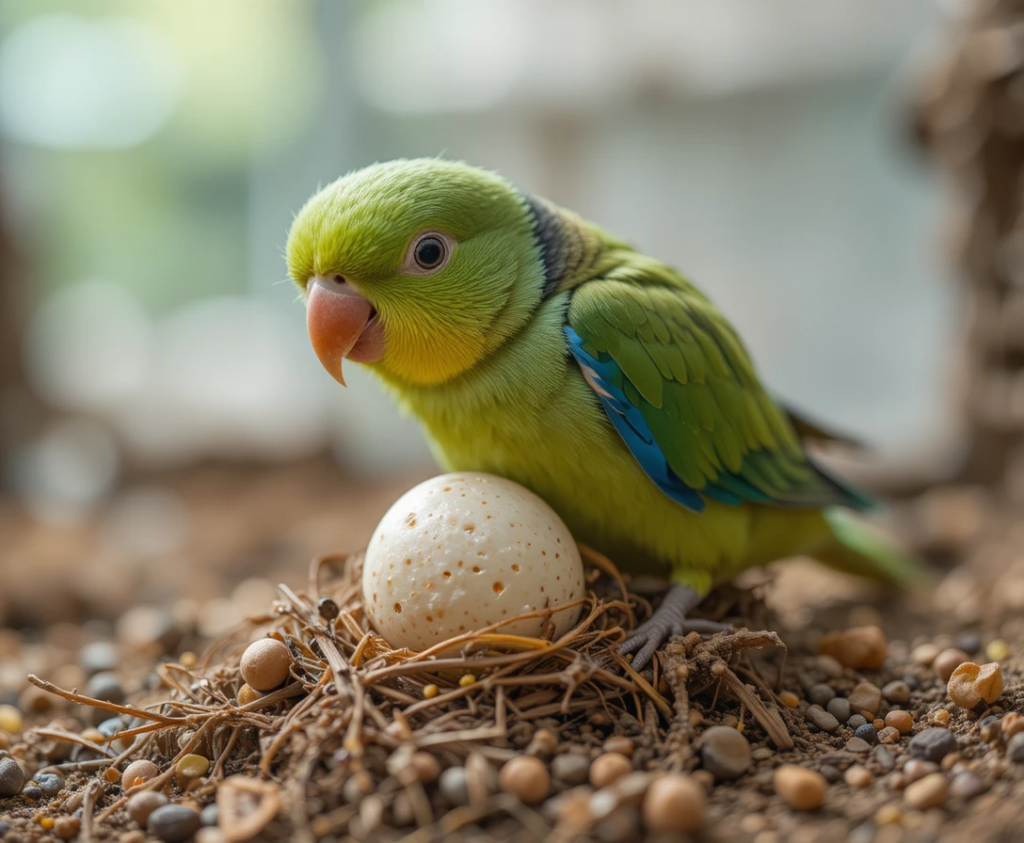
The Single Lady’s Surprise: Why Your Parakeet Laid an Egg Solo
So, you’ve just found a tiny, pearly white egg in your parakeet’s cage. You look at your bird, a confirmed single lady, and then back at the egg. Your brain short-circuits. “Wait a minute… how did this happen? I didn’t sign her up for any bird dating apps!”
Take a deep breath. The first thing you need to know is that this is incredibly common. Your parakeet isn’t pulling off a miraculous avian feat; she’s just following her biology. Let’s untangle the mystery of why a female parakeet lays an egg without a male.
It’s Not a Miracle, It’s Biology (Think Chickens!)
The simplest way to understand this is to think about the chickens that lay the eggs you eat for breakfast. Do you need a rooster for those eggs to appear? Nope!
Similarly, a female parakeet (called a hen) will produce eggs because her body is triggered to do so. These are known as infertile parakeet eggs. Without a male to fertilize them, they will never develop into chicks. They’re essentially biological dead ends, but your bird doesn’t know that. Her body just got the signal that it’s time to start a family, and she’s following the instructions.
So, What Flips the “Lay an Egg” Switch?
If it’s not about romance, what causes a single parakeet laying eggs? It all boils down to her environment screaming, “IT’S THE PERFECT TIME TO HAVE BABIES!” Her hormones are triggered by a few key things:
- The All-You-Can-Eat Buffet:An abundance of delicious, high-fat, and warm foods (like cooked eggs, pasta, or lots of seed) tells her bird brain, “Food is plentiful! We can support chicks!” It’s like her internal clock sees a well-stocked pantry and gets broody.
- Long, Luxurious Daylight Hours:More than 12 hours of light, which is easy with indoor lighting, mimics the long days of spring and summer—the natural parakeet breeding season. Her body interprets this as the ideal time for raising a family.
- The Perfect Bachelor(ette) Pad:Does she have a cozy, dark, and secure spot? A happy hut, a food bowl she’s fond of, a tucked-away corner, or even a paper bag can look like a five-star nest to her. It signals safety and security for potential offspring.
In short, you’ve been such a good provider that her instincts have kicked into high gear. Consider it a weird, egg-shaped compliment.
What Should You Do With The Egg?
Now for the big question: what to do with infertile parakeet eggs?
The key is to be a little sneaky. You can’t just snatch the egg away. In her mind, that’s her baby. If you take it, she might just lay another to replace it, leading to a exhausting cycle of chronic egg laying.
Your best bets are:
- Let Her Sit:Allow her to sit on the egg for about 3-4 weeks (the usual incubation period). She’ll eventually realize it’s not going to hatch and abandon it. This satisfies her broody instinct.
- The Sneaky Swap:Carefully replace the real egg with a fake one from a pet store. She can brood over her “fake baby” until her hormones calm down.
How to Turn Off the Hormonal Tap
To prevent this from becoming a regular occurrence, you can make a few simple changes to discourage egg-laying.
- Limit “Daylight” Hours:Cover her cage for 12-14 hours a night to simulate shorter winter days.
- Re-decorate the Cage:Move perches and toys around frequently. A changed environment disrupts that settled, “perfect-for-a-nest” feeling.
- Remove the Love Shack:Take out any enclosed or dark spaces like happy huts, cardboard boxes, or tents.
- Adjust Her Diet:Cut back on fatty, warm, mushy foods for a while and ensure she’s on a balanced diet of pellets and fresh veggies.
Finding that first solo egg is a rite of passage for a parakeet owner. It’s not a cause for panic, but a sign to understand your bird’s needs a little better. By making a few tweaks, you can help your independent lady live her best life, minus the surprise single motherhood.
How to stop a parakeet from laying eggs?
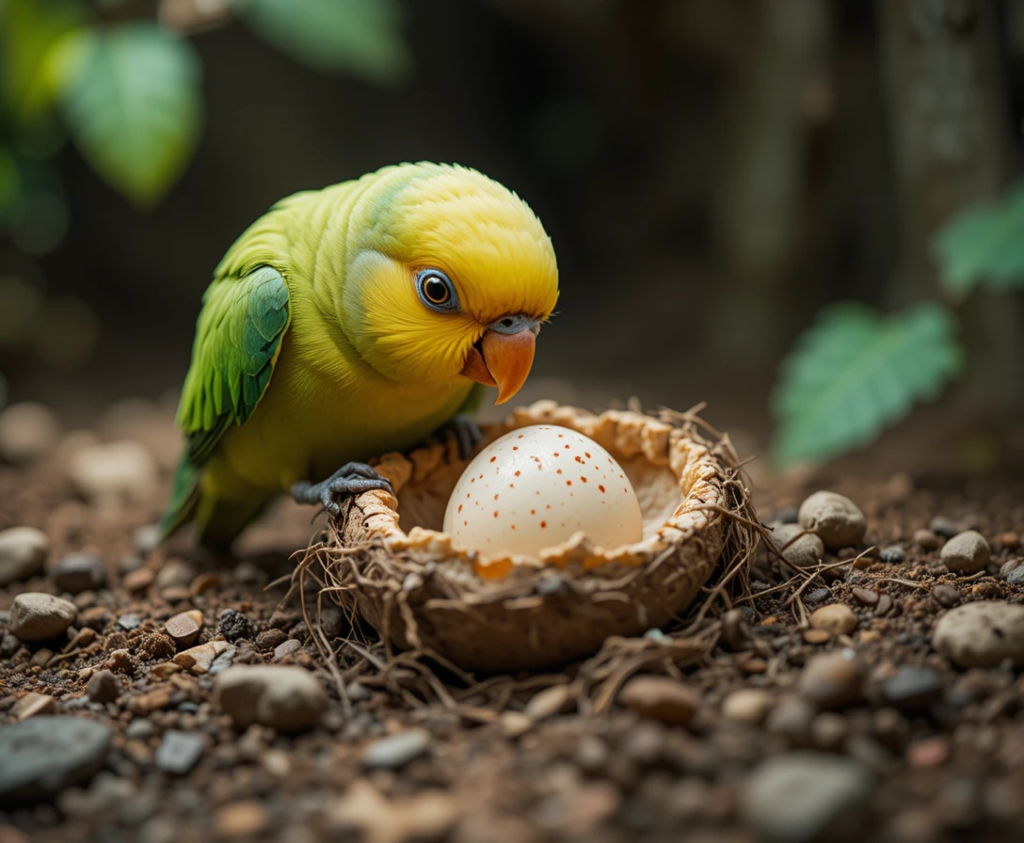
Is Your Parakeet an Egg-Laying Machine? How to Press Pause.
So, your parakeet has decided she’s a full-time egg producer. You find them in her food dish, under her perch, and you’re starting to worry she’s going to open her own tiny bakery. You’re not alone! Many parakeet owners face this.
Constant egg-laying, or chronic egg laying, is exhausting and unhealthy for your little friend. It drains her calcium and can lead to serious problems. But don’t worry, you can help her. Here’s a simple, no-nonsense guide on how to stop a parakeet from laying eggs.
Step 1: The Great Egg Swap (Be Sneaky!)
The first rule of Egg Club is: do NOT just take the eggs. I know it’s tempting, but hear me out. To your bird, those are her babies. If you steal them, her bird-brain goes into panic mode: “My babies are gone! Must make more!” And the egg factory starts up again, faster than you can say “omelet.”
Instead, you need to be a little clever. Here are your two best strategies for managing parakeet egg laying:
- The Fake-Out:Buy some fake plastic parakeet eggs from a pet store. Gently swap the real eggs for the fakes. She will happily sit on them for the full parakeet incubation period (about 3 weeks) and then get bored when nothing happens. It satisfies her broody instinct without her body making more.
- The Waiting Game:Just let her sit on the real eggs. After about 3-4 weeks, she’ll realize they’re duds and abandon them herself. It’s the low-effort approach.
Step 2: Turn Down the Romance in Her Life
A parakeet lays eggs when her environment feels like a perfect, safe, all-you-can-eat resort for raising babies. Your job is to make her cage feel less like a romantic getaway and more like a busy bachelor pad. Here’s how to discourage egg laying behavior:
- Shorten the Days (The “It’s Winter!” Trick)
Birds breed in spring and summer when the days are long. Trick her body into thinking it’s winter by making sure she gets 12-14 hours of darkness and quiet every single night. A covered cage in a quiet room is your best friend here. This is one of the most effective methods to control parakeet breeding. - Re-decorate the Cage (Shake Things Up!)
Imagine you’re all settled into a cozy apartment, and someone comes in and moves all the furniture. Annoying, right? Exactly! Frequently move her perches, toys, and food dishes. A changed environment disrupts that safe, “perfect nest” feeling. - Evict the “Love Shack”
Is there a cozy, enclosed space in her cage? A happy hut, a fuzzy tent, or a cardboard box? That’s her penthouse suite. Remove it immediately. These are huge triggers for managing parakeet hormones. - Change the Menu (No More Buffet)
An abundance of rich, fatty, and warm foods (like seeds, pasta, or cooked eggs) signals that food is plentiful for chicks. Time to put her on a bit of a diet. Shift her to a base diet of pellets and fresh veggies. Cut back on those high-fat treats for a while. - Watch the Petting
Stick to petting your parakeet’s head and neck. Stroking her back or wings can be misinterpreted as, ahem, romantic advances. Let’s keep things PG.
When to Call for Backup
Even with all these changes, keep an eye on her. If she seems weak, is straining, sits fluffed up on the cage floor, or has a swollen rear end, she could be egg bound. This is a life-threatening emergency, and you need to call an avian vet right away.
You’ve Got This!
Stopping the egg-laying cycle takes a little patience and some clever tricks. By being a sneaky egg-swapper and turning her cage into a less romantic spot, you can help your feathered friend take a much-needed break. She’ll be healthier and happier for it, and you can finally stop worrying about your bird becoming a full-time mom. Now go be the best “no-nonsense” roommate a parakeet ever had
Parakeet laying eggs on cage floor
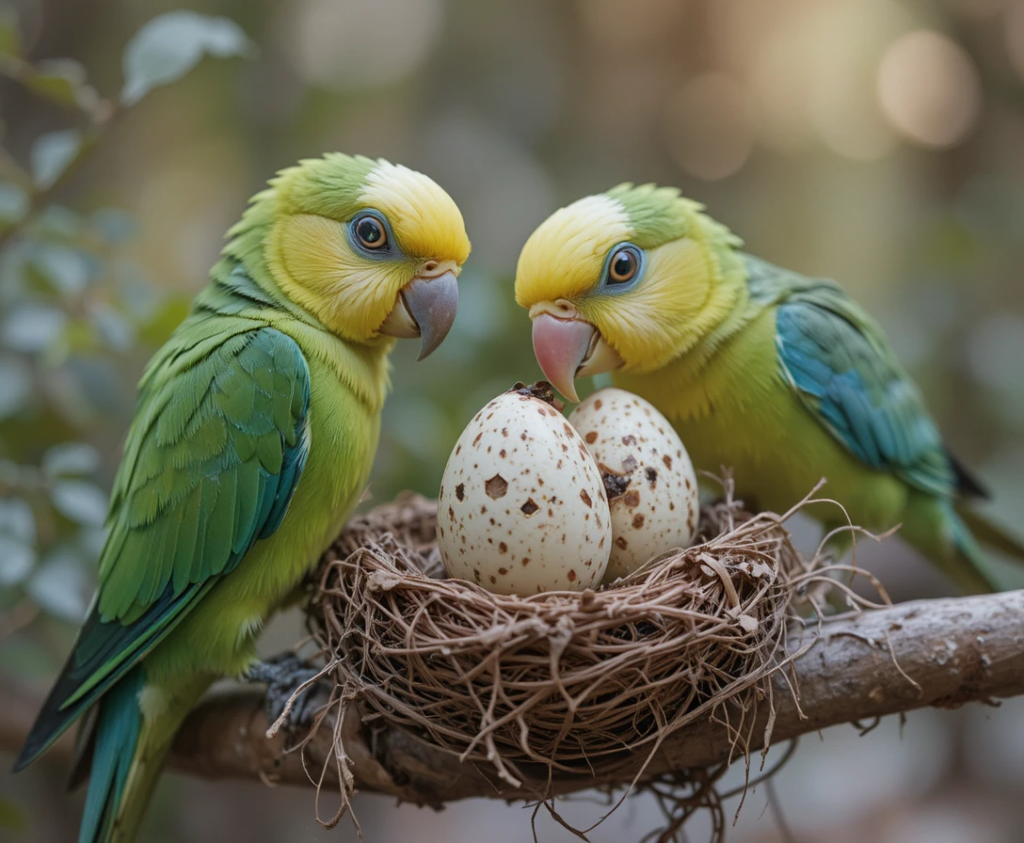
Floor Eggs: What to Do When Your Parakeet Ignores the Nesting Memo
You walk by your parakeet’s cage and do a double-take. There it is. A perfect, tiny egg… just sitting on the bare cage floor. It looks so out of place, like a golf ball in your silverware drawer.
First, don’t panic. Your bird isn’t broken! A parakeet laying eggs on the cage floor is more common than you think. It usually means she wasn’t quite prepared for motherhood and didn’t have a better spot. Let’s figure out why this happens and what you should do.
Why is My Bird Using the Floor as a Nursery?
Think of it from her perspective. The urge to lay an egg can come on strong and fast. If she doesn’t have what she considers a “safe” nesting site, the floor becomes the default option. It’s not lazy; it’s pragmatic!
Here are the main reasons for this unconventional egg laying behavior:
- No Nest Box:This is the big one. In the wild, parakeets nest in tree hollows. A cage with just perches and toys doesn’t offer that enclosed, secure feeling. The floor might feel like the most stable, “grounded” spot she can find.
- It’s Her First Rodeo:Young, first-time layers often don’t have the routine down. She might not have had a strong instinct to find or prepare a nest. She’s a newbie figuring it out as she goes.
- Sudden Hormonal Urge:Sometimes, the hormones hit like a freight train, and she just has to lay the egg now, wherever she happens to be standing.
Your Action Plan: Be a Calm and Sneaky Helper
Seeing a parakeet egg on cage floor can be startling, but your reaction is important. Here’s your step-by-step guide.
Step 1: The Gentle Inspection
First, make sure she’s okay. Is she away from the egg and acting normal? Or is she sitting near it, looking puffed up and tired? If she seems fine, you can proceed. If she looks sick or is straining, she could be egg bound, which is a vet emergency.
Step 2: To Remove or Not to Remove?
This is the big question. If the egg is infertile (no male parakeet in the cage), you will need to remove it. But you can’t just grab it like you’re picking up a piece of trash.
You need to be sneaky. Wait until she walks away, then quickly and gently take it. If you take it right in front of her, she might get stressed and lay another to replace it. If she’s very attached, you can let her sit on the floor egg for a few days until she loses interest.
Step 3: Make the Floor Less Cozy
You want to discourage this from becoming a habit. Preventing parakeets from laying on the cage floor might involve a little cage re-arrangement.
- Add More Perches:Give her plenty of options up high so she doesn’t feel the need to be on the floor.
- Rearrange Toys:Shake up her environment. A changed cage can disrupt that broody mindset.
- Check the Corners:Sometimes, a dark cage corner looks like a perfect nest. Make sure the area is well-lit and doesn’t feel like a hiding spot.
Should You Provide a Nest Box?
This is a tricky question. If you give her a nest box, you’re basically saying, “Go ahead, have babies!” This can encourage more egg-laying. It’s usually better to discourage the breeding behavior altogether by limiting daylight hours and adjusting her diet, rather than providing a dedicated nursery.
However, if she repeatedly lays eggs on the hard floor, a soft-sided nest box can be a safer, warmer alternative to prevent the eggs from cracking and protect her health. It’s a judgment call based on your bird’s persistence.
The Bottom Line
Finding a parakeet egg on the bottom of the cage is a quirky part of bird ownership. Your main jobs are to ensure your hen is healthy, remove the egg carefully, and make a few tweaks to her living space. It’s her weird way of telling you her instincts are kicking in. With a little patience, you can guide her through this phase and get her back to her normal, cheerful self.
Parakeet egg care and incubation
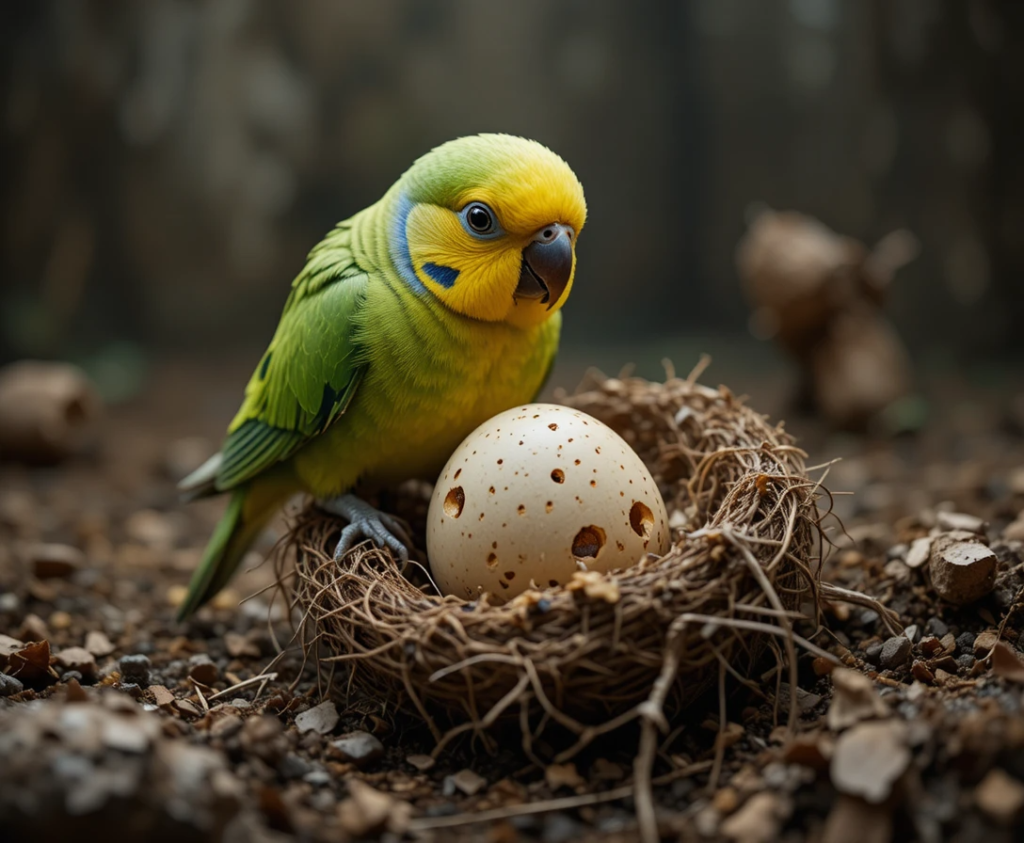
So, You’re a Parakeet Midwife: A Guide to Egg Care and Incubation
Congratulations! Your parakeet has laid eggs, and you’ve decided to see this adventure through. Whether you’re a planned breeder or just got a surprise, taking care of parakeet eggs is a big responsibility. It’s part science, part patience, and a whole lot of hoping.
Don’t worry, you don’t need a fancy degree. This simple guide will walk you through parakeet egg care and incubation, from that first tiny egg to the big hatch day.
Step 1: The First Big Question – Are They Fertile?
Before you get too excited, you need to play detective. A female parakeet laying an egg doesn’t always mean there’s a chick inside. You need a male bird for that.
If you have a confirmed couple, you’re likely in business! If not, the eggs are probably infertile and won’t hatch, no matter what you do. You can learn how to check by candling parakeet eggs (shining a light through them) after about a week to look for tiny veins.
Step 2: Let Momma Bird Do Her Thing (The Easy Way)
The very best incubator in the world is a broody parakeet hen. Her body is perfectly designed to keep the eggs at the right temperature for hatching parakeet eggs and to turn them regularly.
Your job is to be her supportive assistant. Here’s how:
- Serve Gourmet Meals:She’s working hard! Provide a breeding diet for parakeets full of nutrients. This includes a high-quality seed mix, fresh veggies, and a cuttlebone for essential calcium. Calcium is crucial for strong eggshells and preventing health issues for her.
- Don’t Be a Nuisance:Resist the urge to constantly check the nest box. A quick peek once a day to make sure everything is okay is fine, but too much disturbance will stress her out.
- Trust Her Instincts:She knows how to turn the eggs and keep them warm. You don’t need to help unless something is clearly wrong.
Step 3: When You Have to Step In (The DIY Incubator Route)
Sometimes, the mother might abandon the eggs or not care for them properly. If you need to take over, you’ll need a parakeet egg incubator.
Using an incubator is a big commitment. It requires constant monitoring. You’ll need to:
- Set the Perfect Temperature:The ideal incubation temperature for parakeet eggs is a steady 3°F (37.4°C). Even a small change can cause problems.
- Manage the Humidity:Humidity is just as important as heat! Aim for 40-50% for the first 25 days, then increase to 65-75% for the last three days before hatching. This prevents the chick from getting stuck in the shell.
- Turn, Turn, Turn:In an incubator, you have to play the role of the mother. You must gently turn the eggs at least 3-5 times a day to prevent the embryo from sticking to the shell. Mark an “X” on one side with a pencil to keep track. Stop turning in the last three days before they hatch.
Step 4: The Big Wait – Parakeet Egg Hatching Time
Get comfortable, because this is the ultimate test of patience. The parakeet egg incubation period is typically 18 to 20 days from the day the hen starts sitting consistently.
You might hear faint peeping from inside the egg a day or two before hatching. The chick uses a special “egg tooth” on its beak to pip, or break, the shell. This process can take 24-48 hours, so don’t be tempted to “help” it out. You can do more harm than good.
Troubleshooting: When to Worry
- Infertile Eggs:If nothing has happened after 23 days, the eggs are likely infertile.
- Dead-in-Shell:Sometimes an embryo starts to develop but doesn’t make it. This is sad, but it’s a natural part of the process.
- Egg Binding:If your hen seems to be straining, is lethargic, or sits on the cage floor, she could have an egg stuck. This is a life-threatening emergency and requires an avian vet
Your Role: Chief Supporter
Whether you’re relying on the mother or an incubator, your main jobs are to provide a calm environment, excellent nutrition, and watchful care. It’s a fascinating journey that ends with the incredible reward of brand-new life. Now, take a deep breath—you’ve got this
What to feed a parakeet laying eggs?
Feeding the Mama Bird: What to Feed a Parakeet Laying Eggs
So, your parakeet is expecting… or at least, her body thinks it is. She’s laying eggs, and now you’re wondering if her usual birdie buffet is enough. It’s not! A laying hen is like a tiny, feathered athlete, and she needs a special diet to stay healthy.
Think of it this way: you wouldn’t run a marathon on a diet of crackers. Making eggs is her marathon, and she needs the right fuel. Let’s break down the best diet for a laying parakeet to keep her strong and prevent problems.
The Superstar of the Menu: Calcium, Calcium, Calcium!
If you remember only one thing from this article, let it be this: Calcium is king. An eggshell is almost pure calcium. Where does it come from? From her bones if she doesn’t get enough in her food. We don’t want a bird with weak bones!
Here’s how to be her calcium dealer:
- Cuttlebone:This isn’t just a toy; it’s a lifeline. Always have a fresh cuttlebone in her cage. She’ll chew on it and get the calcium she desperately needs.
- Mineral Block:A mineral block is another great option, often fortified with other vital minerals.
- Crushed Eggshell:Yes, it’s a bit weird, but you can clean, bake, and crush her own (infertile) eggshells into a powder and sprinkle it over her food. It’s nature’s perfect recycling program!
The Main Course: Power-Up Her Regular Food
Her standard seed or pellet mix is a good base, but it’s not enough right now. You need to power it up. This is the time to introduce a high-nutrient breeding diet.
- High-Quality Pellets:Good pellets are formulated to be nutritionally complete. Make sure they make up a solid part of her diet.
- Sprouted Seeds:Sprouting seeds increases their vitamin and protein content. It’s like turning a plain seed into a super-seed. You can find easy guides online for how to sprout them safely.
The “Superfood” Sides: The Really Good Stuff
This is where you become a gourmet chef for your bird. These foods provide the extra protein, vitamins, and energy she’s burning through.
- Cooked Eggs:I know, it sounds cannibalistic, but it’s not! Cooked egg is one of the best foods for a laying parakeet. It’s packed with the exact protein and nutrients she’s using to create eggs. Scramble or boil an egg (no salt, no oil) and offer a tiny piece. You can even mash the shell in for a calcium boost!
- Dark, Leafy Greens:Think spinach, kale, and broccoli. These are full of vitamins and more calcium.
- Cooked Sweet Potato & Carrots:These are great sources of vitamins and are usually a hit with parakeets.
What to Avoid: The No-Fly Zone
While you’re adding the good stuff, it’s also good to know what to avoid.
- Too Many Fatty Seeds:While seeds are fine, a diet of only fatty sunflower seeds is like living on french fries. It fills her up without giving her the right nutrients.
- Avocado, Chocolate, Caffeine:These are toxic to birds all the time, but especially now. Keep them far away.
- Salty or Sugary Foods:Just don’t. Her system is working hard enough.
The Hydration Station
Don’t forget fresh, clean water! She’s using more fluids than usual, so check her water dish twice a day to make sure it’s full.
The Takeaway: Be Her Personal Chef
Feeding a parakeet during egg laying isn’t complicated, but it is crucial. By loading her up with calcium, protein-packed eggs, and fresh veggies, you’re giving her the tools she needs to get through this demanding time safely. A well-fed hen is a healthy hen, and you’ll have the peace of mind knowing you’re taking the best care of your feathery friend. Now, go whip her up a nutritious feast
Should I remove my parakeet's eggs?
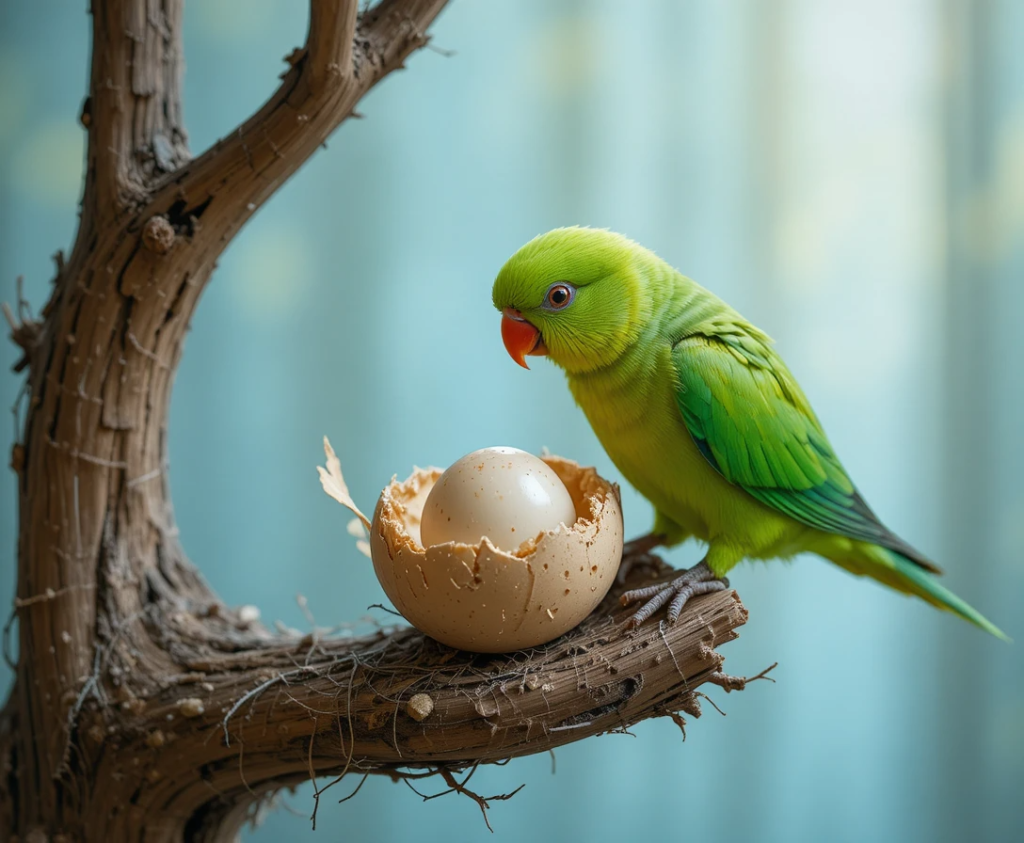
The Great Parakeet Egg Dilemma: To Remove or Not to Remove?
So, you’ve found a tiny, perfect egg in your parakeet’s cage. Your brain immediately starts buzzing with questions, and the biggest one is probably: “Should I remove my parakeet’s eggs?” It feels like a high-stakes decision, doesn’t it? Like you’re defusing a tiny, feathery bomb.
Don’t worry, you’re not alone in this dilemma. The answer isn’t a simple yes or no—it’s a “it depends.” Let’s crack this problem wide open and look at the different situations you might face.
Scenario 1: The Solo Artist (No Male Bird in Sight)
If your female parakeet is living the single life, then any eggs she lays are infertile parakeet eggs. This is the most common situation for pet owners. Think of them like the eggs you buy at the grocery store—they won’t hatch, no matter how much she sits on them.
So, should you remove them? Yes, but you have to be sneakier than a cat burglar.
If you just snatch the egg away, your parakeet’s bird-brain might go into panic mode: “My baby is gone! Must make another one!” This can lead to a exhausting cycle of chronic egg laying, which is terrible for her health.
The Sneaky Strategy:
- Let her sit:Allow her to keep the eggs for about 3-4 weeks (the usual incubation period). She’ll eventually realize they’re duds and abandon them on her own. This satisfies her broody instinct.
- The fake-out:Carefully replace the real eggs with fake plastic ones from a pet store. She can brood over her “fake babies” until her hormones calm down.
In this case, removing the eggs is about protecting her health and preventing her from becoming an egg-laying machine.
Scenario 2: The Happy Couple (Male and Female Together)
If you have a confirmed couple, then you might be dealing with fertile parakeet eggs. This is when things get more complicated.
Should you remove fertile eggs? This is a personal choice that depends on whether you’re ready to become a bird grandparent.
- If you want chicks:Then definitely do not remove the eggs! Let the parents do their thing. Your job is to provide a great breeding diet and a calm environment.
- If you don’t want chicks:Then yes, you should remove them to control parakeet breeding. But you still need to use the sneaky strategies mentioned above (the fake-out or the waiting game) to avoid stressing out the hen.
The “Uh Oh” Scenario: When Removal is Non-Negotiable
There are a few times when you should remove eggs immediately for the health and safety of your bird:
- The egg is cracked or damaged.A broken egg can harbor bacteria and make a huge mess.
- The egg is clearly abandoned.If the hen wants nothing to do with it and it’s been cold for days, it’s safe to remove.
- The hen is sick or weak.If she’s unwell, she shouldn’t be using her energy to incubate eggs.
- You suspect a dead-in-shell egg.If an egg was fertile but stopped developing, it can become a health hazard. These often look dark or murky when candled.
The Bottom Line: Be a Thoughtful Egg-Stealer
So, should you remove your parakeet’s eggs? For infertile eggs, the answer is “yes, with a clever plan.” For fertile eggs, the answer is “only if you don’t want babies, and still with a clever plan.”
Your main goal is always your parakeet’s well-being. By being a little patient and a little sneaky, you can manage this situation without causing her stress. Remember, you’re not just a bird owner; you’re a strategist, a diplomat, and sometimes, a master egg thief. Now go make the right call for your feathered friend
Parakeet Egg Laying FAQs:
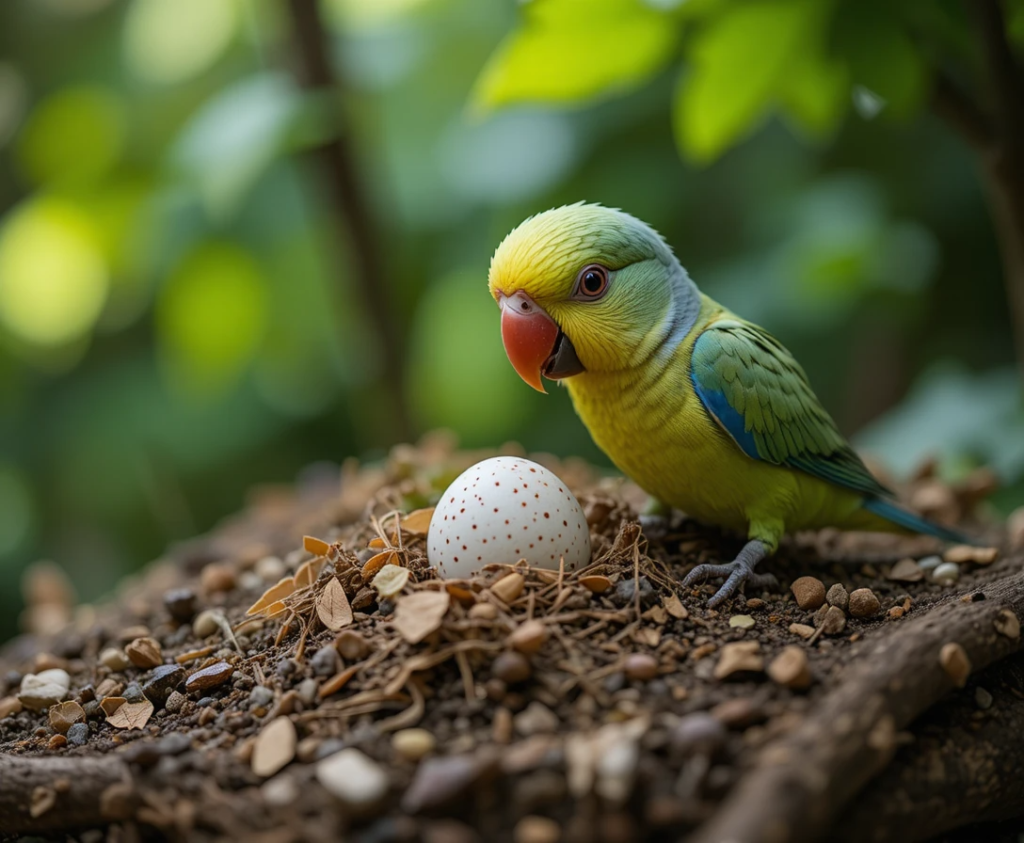
Why did my parakeet lay an egg without a male?
Answer: Think of her like a chicken! A female parakeet doesn’t need a male to lay an egg. These are called infertile eggs, and they’re just a result of her hormones thinking it’s baby-making season. It’s her body’s way of saying, “I’m ready!” even if there’s no date.How often do parakeets lay eggs?
Answer: A parakeet doesn’t have a set schedule like clockwork. When conditions are right (or she thinks they are), she’ll lay a clutchof eggs, usually one every other day, until she has 4-8 eggs. Then she’ll stop.What triggers a parakeet to start laying eggs?
Answer: It’s all about the environment! Long daylight hours, lots of yummy food, and a cozy, dark spot can all flip the hormonal switch in her brain that says, “It’s time to be a mom!”What season do parakeets lay eggs?
Answer: In the wild, it’s spring and summer. But in our cozy, well-lit homes, a parakeet can decide any time is a good time for egg laying season. It’s always spring break in your living room!How long does it take for parakeet eggs to hatch?
Answer: If the eggs are fertile, the parakeet egg hatching timeis typically 18 to 20 daysfrom when the mom starts sitting on them consistently. It’s a test of patience!How can I tell if my parakeet’s egg is fertile?
Answer: You can try candling. Wait about 5-7 days after she starts sitting, then gently shine a bright light through the egg in a dark room. If you see red, spiderweb-like veins, you’ve got a fertile egg! If it’s clear, it’s an infertile dud.My parakeet laid an egg on the cage floor. What do I do?
Answer: First, don’t panic. First-time moms often don’t get the memo about proper nesting spots. If she’s ignoring it, you can carefully remove it. If she’s interested, let her be or try the fake-egg swap.Should I remove my parakeet’s eggs?
Answer: For infertile eggs, yes—but be sneaky! Remove them slowly or swap them with fakes. If you take them all at once, she might just lay more. For fertile eggs, only remove them if you don’t want chicks.What should I feed a parakeet that is laying eggs?
Answer: Load her up with calcium and protein! This is the time for a cuttlebone, mineral blocks, and even some cooked egg (yes, egg for your bird eating an egg—it’s not weird, it’s efficient!). It’s her power-up diet.What is egg binding in parakeets?
Answer: This is a serious emergency where an egg gets stuck inside her. Symptomsinclude straining, sitting fluffed up on the cage floor, and lethargy. If you see this, it’s a one-way ticket to the avian vet, ASAP.How can I stop my parakeet from laying eggs?
Answer: To discourage egg laying, make her environment less “romantic.” Limit her light to 10-12 hours a day, remove any cozy huts, and rearrange her cage frequently. You’re basically turning her five-star nest into a less-comfy bachelor pad.Is egg-laying dangerous for my parakeet?
Answer: It can be if she becomes a chronic egg layer. Laying too many eggs drains her calcium and energy. It’s why managing her environment and diet is so important.How many eggs will my parakeet lay?
Answer: Most parakeets will lay between 4 and 8 eggsin one clutch before they decide the family is complete.My parakeet is sitting on her eggs all the time. Is that normal?
Answer: Yes! This is called incubation. She’s keeping them warm and turning them regularly. It’s a full-time job, so don’t disturb her too much.What does a dead parakeet egg look like?
Answer: When candling, a dead-in-shell eggmight show a dark, murky interior or a bloody, ring-like structure. It’s best to remove these from the nest.Do parakeets need a nest box to lay eggs?
Answer: Nope! While a nest boxis ideal for breeding pairs, a determined single lady will lay her eggs anywhere she feels is safe—including her food dish or the cage floor.Can a parakeet lay two eggs in one day?
Answer: It’s very, very rare. Their bodies usually need a day to produce another egg. They typically lay one egg every 48 hours.Why is my parakeet laying so many eggs?
Answer: This is called chronic egg layingand it’s often triggered by us! If we keep taking her eggs away suddenly or her environment is always “perfect” for breeding, her body doesn’t get the signal to stop.Should I give my parakeet a nesting box?
Answer: Only if you are prepared for potential babies! A nesting boxis a giant “GO” sign for her hormones. If you just want to stop the egg-laying, avoid it.My parakeet abandoned her eggs. What now?
Answer: If she’s completely lost interest, you can safely remove them. The show is over, and you can clean up the stage.