How to Tame a Parakeet
How to Tame a Parakeet: A No-Fluff Guide to Winning Over Your Feathered Overlord
So, you’ve brought home a beautiful, tiny parakeet. It’s currently sitting in its cage, looking less like a cheerful Disney sidekick and more like a feathered ninja assessing its new territory. Don’t worry, you’re not alone. The journey from “scaredy-bird” to “shoulder-sitter” is one of the most rewarding parts of parakeet ownership. Let’s break down how to tame a parakeet without losing your mind.
Step 1: The “Just Chill” Phase (Otherwise Known as Patience)
Your first instinct might be to stick your hand in the cage and say, “Hello!” Do not do this. In bird language, your giant, five-fingered monster hand is the equivalent of a Godzilla appearance.
What to do instead: For the first 2-3 days, just let your budgie be. Place the cage in a quiet but socially active area—like the living room—so it gets used to the sights and sounds of your flock (that’s you and your family). Talk to it in a calm, soothing voice as you pass by. You’re not trying to be its best friend yet; you’re just proving you’re not a predator. This is the foundation of all successful parakeet bonding.
Funny thought: Imagine a giant moving you into its house and then immediately trying to poke you. You’d freak out, too!
Step 2: Become the Bringer of Good Things (A.K.A. The Food Dude)
The fastest way to any creature’s heart is through its stomach. This is a universal truth, right up there with gravity and the fact that one sock will always go missing. This is where positive reinforcement and target training begin.
What to do: Once your parakeet is eating comfortably in your presence, it’s time for bribery. Offer a sprig of millet through the cage bars. At first, it might panic. Just hold it steady. Eventually, curiosity and a love of tasty treats will win. Your goal is to get it to nibble the millet while your hand is there. Congratulations, you are now the Food Dude. This is a key moment in taming a scared budgie.
Step 3: The Great Hand Invasion (Moving at Snail’s Pace)
Now that your parakeet associates your hand with deliciousness, it’s time for the hand to go inside the cage. This is a big step in parakeet trust training.
What to do:
- Move slowly. Think “sloth in a yoga class.”
- Place your hand inside the cage without offering millet. Just rest it there for a few minutes. Do this a few times a day. Let the bird see that the Hand Monster is, in fact, harmless.
- Next, introduce the millet inside the cage. Hold it so the bird has to come a little closer to your fingers to get it.
- Slowly shorten the millet sprig over several sessions, forcing the bird to step closer and closer to your hand.
Pro Tip: Always approach from below or at chest level. Coming from above is what predators do. You’re a friend, not a hawk.
Step 4: The “Step Up” – Your First Official Handshake
The “step-up” command is the most important part of parakeet handling. This is the moment you officially become a team.
What to do: Gently press your finger against your parakeet’s lower chest, just above its legs. It’s a bit like a gentle nudge. This off-balances the bird, and its natural reaction is to step up onto your finger. As you do this, say a clear, cheerful “Step up!”
The first few times, it might flutter away in a panic. That’s okay! Try again later. When it does step up, give it a millet reward immediately. This is the core of positive reinforcement for birds.
Step 5: Exploring the World (And Your Shoulder)
Once your parakeet is confidently stepping up inside its cage, it’s time for field trips! This is where the real parakeet bonding happens.
What to do:
- Bird-Proof the Room:Close windows, cover mirrors, and ensure no fans are on. Also, evict any cats or overly excited dogs.
- Let your bird come out on its own terms, often by stepping onto your finger and you slowly removing it from the cage.
- Let it explore a safe play area or just hang out on your hand. Your shoulder will quickly become the prime real estate. It’s the penthouse suite with a great view.
Taming Troubleshooting: When Your Bird is Still a Grump
- “My parakeet bites me!”Bites are rarely meant to be vicious. It’s usually a “back off!” signal. Don’t yank your hand away and scream (tempting, I know). Just stay calm, and it will learn that biting doesn’t get a big reaction.
- Patience is Not Just a Virtue, It’s a Requirement.Taming a scared budgie can take days, weeks, or even months. There’s no universal timeline. One day it will just click.
- Keep Sessions Short & Sweet.10-15 minutes, 2-3 times a day is far better than one long, stressful hour.
The Final Perch
Taming your parakeet isn’t a race. It’s a slow, rewarding dance of building trust. One day, you’ll be watching TV, and that little feathered boss will fly over and land on your head just to hang out. And in that moment, all the patience will be worth it. You’re not just its owner anymore; you’re part of the flock.
Now go forth, be patient, and stock up on millet. Your new best friend is waiting.
How to Get a Parakeet to Like You
How to Get a Parakeet to Like You: From Stranger to Best Feathered Friend
Let’s be honest. You bring home a gorgeous, chirping parakeet, dreaming of a tiny buddy who sits on your shoulder and whispers secrets. Instead, you get a feathered paperweight that freezes when you look at it, or worse, flies into a panic. Getting a parakeet to like you feels like trying to win over a tiny, winged CEO who is deeply unimpressed with your resume.
But don’t worry! Winning over your budgie isn’t magic—it’s about speaking their language. Here’s your no-nonsense guide to building trust with your parakeet and moving from “scary giant” to “favorite human.”
1. Ditch the Rush: Patience is Your Superpower
You can’t force a friendship. If you loom over the cage or shove your hand in on day one, you’re not saying “hello,” you’re announcing a predator inspection. The first step in how to bond with your budgie is to simply exist near them.
- What to do:Sit near the cage and read a book, watch TV, or talk softly on the phone. Let them see that your presence is normal, boring, and safe. This low-pressure socialization is the foundation of everything.
Funny thought: Imagine a skyscraper-sized creature trying to befriend you by poking you with a tree. You’d need some time, too!
2. Become the Bringer of Snacks (The Fastest Way to Their Heart)
The universal key to any creature’s affection is food. You need to transition from “Large Scary Thing” to “The Wonderful Person Who Brings Millet.” This is the core of positive reinforcement for parakeets.
- What to do:Once your bird is comfortable eating with you in the room, offer a sprig of millet through the cage bars. Hold it steady. There might be a panic. Stay calm. Eventually, their tummy will win the argument with their brain. This is a huge win for parakeet trust building!
3. Master the Art of Chill Conversation
Your parakeet is a social creature. In the wild, they’re constantly chattering with their flock. You are now part of that flock, even if you’re not great at flying.
- What to do:Talk to them! Use a soft, gentle, and slightly higher-pitched voice. Tell them about your day, what you’re making for dinner, or your thoughts on the latest TV show. This budgie bonding technique gets them used to your voice and shows them you’re communicating. It’s also the first step for anyone wondering how to teach your parakeet to talk.
4. Learn to Read Their Feathery Body Language
Is your bird squinting? Fluffed up? Chirping? Understanding parakeet body language is like getting the secret decoder ring to their feelings.
- Happy Signs:Chirping, singing, grinding their beak, and playing with toys.
- “I’m Cool With You” Signs:Sitting on one foot, fluffing up their feathers for a second and then smoothing them down, and slowly blinking.
- “Back Off, Please” Signs:Flattening their feathers to look skinny, pinning their eyes (making their pupils rapidly shrink and expand), and opening their beak in a threat.
Paying attention to these cues is crucial for building a bond with your parakeet. If they seem nervous, give them space. If they’re curious, offer a finger to step onto.
5. Turn Your Hand from Threat to Perch
The hand is often the biggest hurdle. The goal is to make your finger the most appealing perch in the room. This is where step-up training for parakeets comes in.
- What to do:After they’re comfortable with your hand near them, gently press your index finger against their lower chest, just above their feet. It’s a gentle nudge that encourages them to step up. Say “Step up!” cheerfully. When they do (even for a second), reward them with a treat and praise. This is the ultimate parakeet trust training.
6. Create a Fun Zone Outside the Cage
Parakeet bonding isn’t just about the cage. It’s about shared adventures in a safe space.
- What to do:Ensure a room is safe (closed windows, no fans, no other pets), and encourage them to come out and explore. Have a play gym with fun toys. When they choose to fly to you or explore a toy near you, it’s a massive sign of trust. You’re no longer just their cage-mate; you’re their fun companion.
What If It’s Not Working?
- “My parakeet is still scared!”Go back a step. If hand-feeding is too much, just sit with them. If leaving the cage is scary, just open the door and let them decide. Building trust with your parakeet is a marathon, not a sprint.
- “He chirps at me!”That’s a good thing! He’s trying to communicate. Chirp back! This is how you build a strong budgie bond.
- Keep sessions short.Five to ten positive minutes are better than one long, stressful hour.
The Final Word: You’ve Got This!
Getting your parakeet to like you is a journey of tiny victories. The first time they take millet from your hand. The first time they hop onto your finger without panic. The first time they fly across the room just to land on your head while you’re trying to work.
These moments make all the patience worth it. Before you know it, you won’t be wondering how to get them to like you—you’ll be their favorite person, and they’ll be your tiny, hilarious, feathered best friend.
Now go on, go chat with your bird. And maybe bring some millet. It never hurts.
Why is My Parakeet Scared of Me?
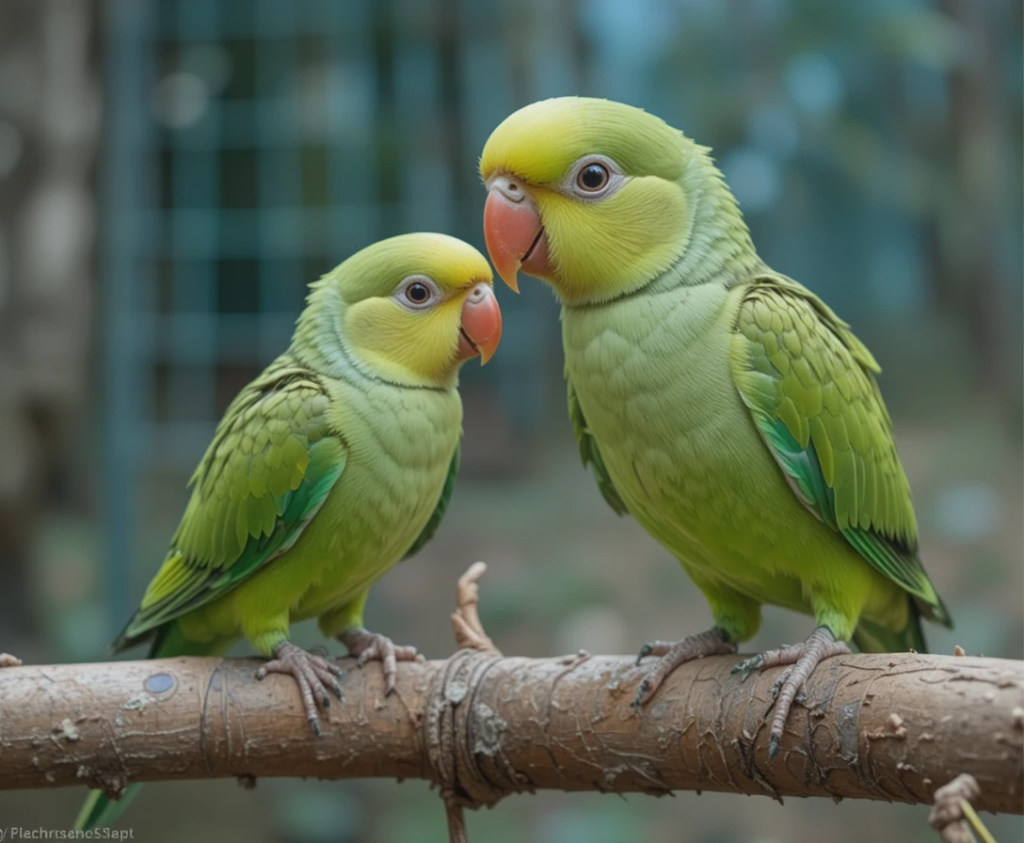
Why is My Parakeet Scared of Me? Unpacking Your Bird’s Drama
So, you’ve got a new parakeet. You dream of a tiny, chirping companion, but instead, you have a feathered statue that seems to think you’re the main villain in a horror movie. Every time you walk by, it freezes, flutters, or gives you the side-eye. It’s enough to make you ask, “What am I, chopped liver?”
Don’t take it personally. Your parakeet isn’t giving you a bad Yelp review; it’s just acting on some very old, very strong instincts. Let’s decode the mystery of your scared budgie and turn that fear into friendship.
Reason 1: You’re a Giant. Literally.
This is the big one. From your parakeet’s perspective, you are a massive, unpredictable creature. Your hand alone is larger than its entire body. Sudden movements, like reaching quickly into the cage, are the equivalent of a skyscraper suddenly leaning over to grab you. It’s not exactly a friendly “hello.”
- The Fix:Move like a sloth on a lazy Sunday. No sudden grabs or loud noises around the cage. When you approach, do so slowly and from the side, not from above (that’s what hawks do!). This is the first step in building trust with your parakeet.
Reason 2: You Skipped the “Getting to Know You” Phase
Imagine being kidnapped by a friendly alien. It gives you a nice room and plenty of food, but it’s still a giant alien you don’t know! Your parakeet needs time to just observe you and learn you’re not a threat.
- The Fix:Spend time just being near the cage. Read a book, work on your laptop, or chat on the phone in a calm voice. This low-pressure parakeet socialization teaches them that your presence is normal and boring (in a good way!). This is crucial for taming a scared parakeet.
Funny thought: You can’t jump from complete strangers to best friends in a day. That’s not how it works in high school, and it definitely doesn’t work with birds.
Reason 3: Your Body Language is Speaking the Wrong Language
We communicate a lot without saying a word. Staring directly at a parakeet can be seen as a predatory threat. Looming over the cage is intimidating. Even your hairstyle or a hat can look like a terrifying monster to a tiny bird.
- The Fix:Learn to speak “Budgie.” Blink slowly to show you’re friendly. Avoid direct, unblinking eye contact for long periods. Let them see you doing calm, everyday activities. Understanding parakeet body language is a two-way street!
Reason 4: The Environment is a Scary Place
Is the cage in a high-traffic area where people are constantly walking by? Is it next to a blaring TV or a window with scary outdoor predators (like cats or hawks)? Is the family dog constantly barking at the cage? These things can keep your bird in a constant state of high alert.
- The Fix:Place the cage in a quiet corner of a social room, like the living room, but not in the direct path of chaos. Ensure it has a “safe zone,” like a perch in the back where it can retreat and feel secure. A calm environment is key for helping a fearful parakeet.
Reason 5: You’re Moving Too Fast (And Not with the Millet)
Patience is the name of the game. If you try to force your parakeet to step up on day two, you’re undoing all the trust you’ve started to build. Parakeet trust building is a marathon, not a sprint.
- The Fix:Follow a step-by-step process. First, they get comfortable with you near the cage. Then, with your hand on the cage. Then, with your hand inside the cage, not moving. Then, offering a treat like millet. Rushing any of these steps is a classic reason for parakeet fear and anxiety.
Okay, But What Can I DO About It?
Knowing why is half the battle. Here’s your action plan:
- Become the Snack Fairy:The quickest way to a parakeet’s heart is through its stomach. Offer a sprig of millet through the cage bars. Hold it still and let them come to you. This positive reinforcement is a game-changer.
- Chat Them Up:Talk to your bird in a soft, sweet voice throughout the day. Tell them about the weather, your boring work meeting, anything! It gets them used to your voice and shows you’re part of the flock.
- Respect the “Nope!”:If your bird panics and flies away, don’t chase it. Just back off and try again later. Forcing interaction is the fastest way to destroy parakeet trust building.
The Bottom Line: Don’t Give Up!
Your parakeet’s fear isn’t about you, it’s about survival. With consistent, calm, and patient behavior, you can show them they have nothing to fear. One day, that scared budgie will be the one flying over to land on your head while you’re trying to read.
Remember, the journey from “scaredy-bird” to “shoulder-sitter” is made of small, consistent steps. Celebrate the little wins—the first time they take millet from you, the first time they don’t flinch when you walk by.
You’ve got this. Now go be the calm, giant, snack-bearing friend your parakeet deserves
Parakeet Talking Training
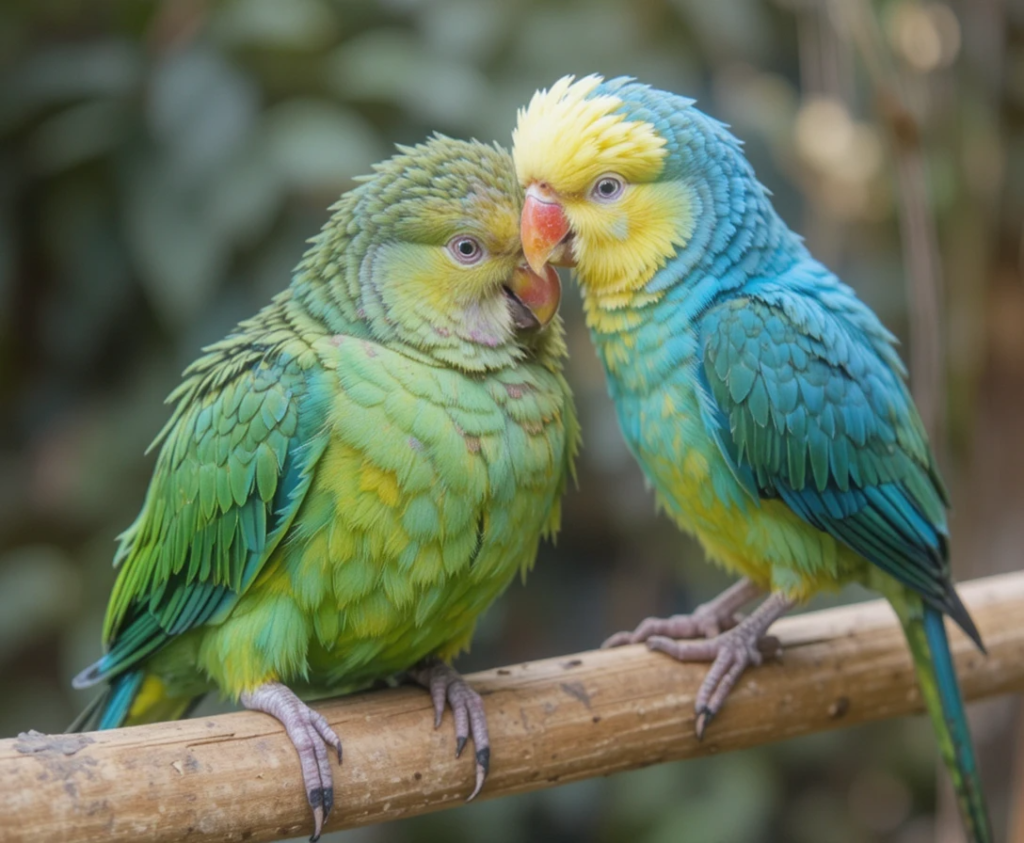
Parakeet Talking Training: How to Get Your Bird to Spill the Tea
Let’s be real. A big part of the dream of owning a parakeet is the hope that one day, it’ll look at you and say, “Hello, handsome!” instead of just staring blankly and then pooping. Teaching a parakeet to talk is a legendary experience, but it doesn’t happen by magic. It takes patience, strategy, and the acceptance that your bird might just decide its favorite word is the sound of the microwave beeping.
If you’re ready to start this hilarious journey, here’s your simple guide to parakeet talking training.
Step 1: Lay the Foundation (a.k.a. Become Best Friends First)
You can’t teach a stranger to recite poetry. Before you even think about words, you need a bonded, happy, and trusting bird. A scared budgie won’t be a chatty budgie.
- What to do:Spend time with your parakeet daily. Hand-feed it millet, teach it the “step-up” command, and let it be comfortable perched on your finger. This bonding with your budgie is the secret sauce. Your bird needs to see you as its favorite person, not its scary captor.
Funny thought: Imagine a giant trying to teach you a new language while you’re locked in a room. You’d probably just scream. Same concept.
Step 2: Pick the Perfect First Word (Keep it Simple)
Don’t start with “Supercalifragilisticexpialidocious.” Start with something short, clear, and high-pitched. Parakeets are great at mimicking sounds that get a reaction.
- Great First Words:
- “Hi” or “Hello”
- Their own name (e.g., “Blue” or “Kiwi”)
- “Pretty Bird”
- “Night-night”
This is the core of how to teach your parakeet to talk. Simple words are less daunting for both of you.
Step 3: Master the Training Session
Consistency is king. This isn’t a casual hobby; it’s a daily commitment.
- Timing is Everything:The best time for budgie speech training is in the morning or early evening when your bird is most alert and chatty.
- Keep it Short:Aim for 10-15 minute sessions, a few times a day. A bored bird is a student who’s failing the class.
- Remove Distractions:Train in a quiet room. Turn off the TV. Your parakeet can’t focus on your voice if it’s also trying to listen to the latest reality TV drama.
- Be the Repeater:Say the chosen word clearly and enthusiastically, over and over. Seriously, you’re going to feel silly. Embrace it. “Hi, bird! Hi! Hi! Hello! Hi!”
Step 4: Use Positive Reinforcement (Bribe Them!)
This is the most important rule of training a parakeet to talk. When your bird makes any sound—a chirp, a warble, anything—while you’re speaking, reward it immediately with a tiny piece of millet and lots of praise.
You’re not rewarding a perfect word yet. You’re rewarding the attempt at communication. This positive reinforcement for birds tells them, “Hey, making noise when the human talks is a great idea!”
Step 5: Listen for the “Mumble Phase”
One day, you’ll hear it. It won’t be a clear “hello.” It will sound like your parakeet is muttering under its breath, like a teenager grumbling about chores. You might hear a soft, garbled “hrllo” or “pbbbt.”
CELEBRATE! This is the breakthrough! This mumbling is your parakeet practicing. Reward this behavior heavily and keep repeating the word clearly. This is the key moment in parakeet mimicry training.
What If It’s Not Working? Troubleshooting Your Chatty Bird
- “My parakeet just won’t talk!”First, remember that most parakeets whistle, and only some talk. Male parakeets are generally more prolific talkers than females. You might just have a whistler!
- “It learned the word, but now it won’t say it!”Keep using the word in context. Say “Hello!” every time you enter the room. This encouraging parakeet speech in daily life keeps the word fresh.
- Recordings can help,but nothing beats live, one-on-one interaction with you. Your bond is the best teacher.
The Final Word: Patience, Patience, Patience
Teaching your budgie to talk is a test of your patience, not your bird’s intelligence. It can take weeks or even months of daily practice to hear that first, clear word. But when you do, it will be one of the most rewarding moments in pet ownership.
So, grab some millet, find a quiet spot, and start chatting. Your parakeet is listening, even if it’s currently more interested in chewing on its own foot. Happy training
How to Bond with Your Parakeet
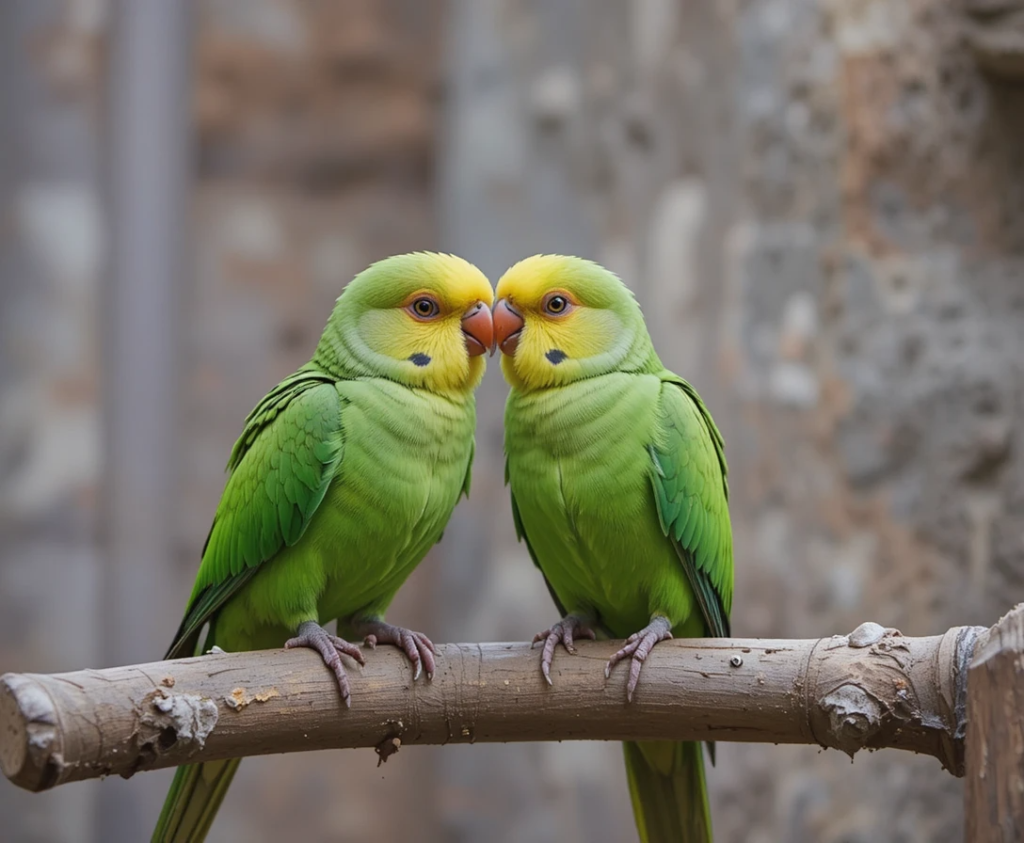
How to Bond with Your Parakeet: From Roommates to Best Mates
So, you and your parakeet are living together, but you’re feeling more like distant roommates who share a kitchen than true friends. You see videos online of parakeets cuddling and playing, while yours seems to view your finger as a landing pad from hell.
Don’t worry, you’re not alone. Bonding with a parakeet isn’t like plugging in a new gadget; it’s more like growing a plant. It needs the right environment, consistent care, and a whole lot of patience. Let’s dig into the simple secrets of building a strong bond with your budgie.
1. Master the Art of Just Hanging Out
Before you can be best friends, you just need to be… familiar. Your first mission in parakeet bonding is to become a normal, boring part of the scenery.
- What to do:Place the cage in a spot where you spend a lot of time, like the living room. Then, just do your thing—read a book, scroll on your phone, watch TV. Talk to your bird in a calm, gentle voice as you pass by. You’re not trying to interact yet; you’re just proving you’re not a threat. This is the foundation of building trust with your parakeet.
Funny thought: You wouldn’t become best friends with a giant who kept trying to poke you. You’d need to see them just peacefully reading a magazine first.
2. Become the Snack Fairy (The Fastest Way to the Heart)
If you want to win over any creature, from a toddler to a parakeet, the answer is always food. You need to transition from “Large Scary Thing” to “The Wonderful Bringer of Millet.”
- What to do:Once your bird is comfortable, offer its favorite treat, like a sprig of millet, through the cage bars. Hold it steady and let them come to you. This act of positive reinforcement for birds is a game-changer. It tells them, “Good things happen when the human is around!”
3. Chat Them Up Like a Fellow Budgie
In the wild, parakeets are chatterboxes, constantly communicating with their flock. You are now an honorary, flightless member of that flock.
- What to do:Talk to your parakeet! Use a soft, sweet voice throughout the day. Tell them about your day, comment on the weather, or even gossip about what the cat did. This constant, gentle chatter is a powerful budgie bonding It’s also the first step for anyone interested in how to teach your parakeet to talk.
4. Learn to Speak Their Body Language
Your parakeet is talking to you all the time, just not with words. Learning parakeet body language is like getting the secret decoder ring to their feelings.
- Happy Signs:Chirping, singing, grinding their beak (a sign of contentment), and playing with toys.
- “I’m Cool With You” Signs:Sitting on one foot, fluffing up and smoothing down their feathers quickly, and slow blinking (a parakeet kiss!).
- “I Need Space” Signs:Flattening feathers to look skinny, eye pinning (rapidly changing pupil size), and backing away.
Paying attention to these cues is crucial. If they seem nervous, back off. This respect is the core of parakeet trust building.
5. Create Fun and Games Outside the Cage
True bonding with your parakeet happens when you share experiences outside of the cage. This is where you go from “food provider” to “fun companion.”
- What to do:Ensure a room is safe (windows closed, fans off) and create a fun play gym with different perches and toys. Encourage your bird to come out and explore. Let them climb on you, investigate your shirt buttons, or just sit on your shoulder while you work. This shared, positive time is where the magic happens.
The Golden Rule: Patience is Not Optional
This is the most important ingredient. Building a bond with your parakeet doesn’t happen overnight. Some birds are bold after a week; others need months. Forcing interactions, moving too fast, or getting frustrated will only break the trust you’re trying to build.
Celebrate the tiny victories:
- The first time they take millet from you.
- The first time they don’t fly away when you approach.
- The first time they hop onto your finger without a bribe.
- The first time they fly over just to be near you.
Your Bonding Journey Starts Now
Bonding with your parakeet is a journey of a thousand small, patient steps. It’s about consistency, respect, and turning yourself from a giant into a friend.
One day, you’ll be doing the dishes, and you’ll feel a tiny, feathery weight land on your head. And in that moment, you’ll realize all the patience was worth it. You’re not just its owner anymore; you’re part of the flock.
Now go spend some quality time with your feathered roommate. And maybe bring some millet. It always helps.
Parakeet Step-Up Training
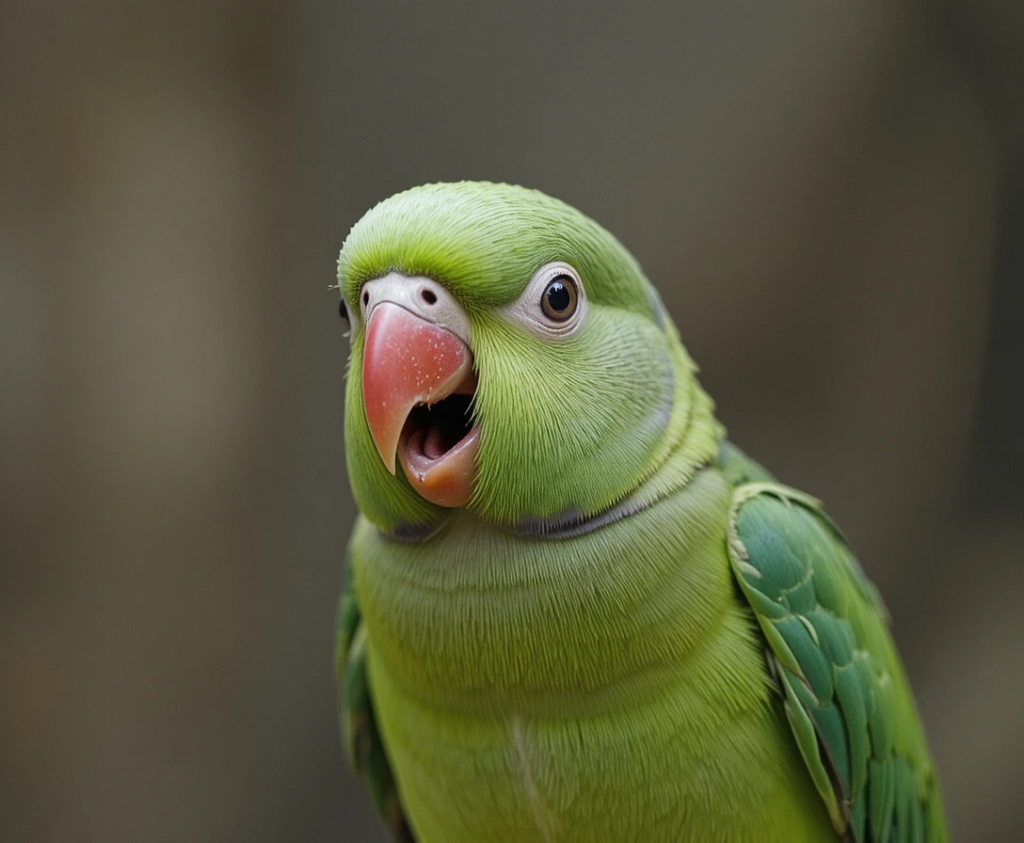
Parakeet Step-Up Training: Teaching Your Bird the Handshake
If you and your parakeet are going to be best friends, you need a way to communicate. You can’t just yell, “Hey, get off the curtain!” and expect them to understand. That’s where the “step-up” command comes in. It’s the universal parakeet handshake, the foundation for everything else you’ll do together.
Think of it as teaching your bird to use the stairs, but the stairs are your finger. It’s the single most important skill for taming a parakeet and building trust. Let’s break down how to nail it.
Step 1: Set the Stage for Success
You can’t teach a scared bird anything. Before you start step-up training for parakeets, make sure your feathered student is in the right mood.
- Pick the Right Time:Choose a time when your budgie is calm and a little hungry, like in the morning before breakfast. A full, sleepy bird is not a motivated student.
- Find a Quiet Room:Turn off the TV and ditch the distractions. This is a focused lesson, not a party.
- Grab the Bribes:Have your parakeet’s favorite treat ready. For most, this is millet. This is your secret weapon for positive reinforcement for birds.
Funny thought: Trying to train a parakeet in a noisy room is like trying to teach a toddler algebra at a circus. It’s just not going to work.
Step 2: The Finger Press (Not a Wrestling Move)
This is the core of the step-up command. The goal is to make stepping up the most obvious and comfortable choice for your bird.
- Approach Slowly:Move your hand toward your parakeet calmly. Don’t come from above like a hawk! Come from the front or slightly below.
- The Gentle Nudge:Gently press your index finger against your parakeet’s lower chest, just where their belly meets their feet. It should be a soft but firm press, right above their legs.
This nudge throws them slightly off-balance. Their natural reaction is to lift a foot and step forward onto the higher “perch”—which is your finger. It’s like an instinct they didn’t know they had.
Step 3: Say the Magic Words
As you press their chest and they start to lift a foot, say a clear and cheerful “Step up!” Be consistent and use the same phrase every single time.
This connects the action with the verbal cue. Soon, they’ll understand what “Step up” means, which is a huge part of building a bond with your parakeet.
Step 4: The Instant Reward Party!
The very second their little feet land on your finger, it’s time to celebrate! Offer them a tiny piece of millet and shower them with praise in a happy, high-pitched voice. “Good bird! What a clever bird!”
This positive reinforcement is the entire engine of teaching step-up to budgies. It tells them, “YES! That thing I just did with the finger? That was awesome! Let’s do that again!”
What If It Goes Wrong? Troubleshooting Your Training
- “My parakeet bites my finger!”This usually means “Back off!” or “I’m scared.” Don’t yank your hand away and scream (even if you want to). Just stay calm, remove your hand for a minute, and try again later. This is all part of parakeet trust building.
- “My parakeet just flies away!”No problem. That’s their way of saying, “Lesson over.” Respect that. End the session and try again in a few hours. Forcing it will only create a scared budgie.
- “It worked once, but now it won’t work again!”Welcome to the world of training! Consistency is key. Practice for just 5-10 minutes, a few times a day. Keep it short, sweet, and positive.
Level Up: Making Step-Up a Way of Life
Once your parakeet is a pro at stepping up inside its cage, it’s time to take the show on the road.
- Practice the step-up commandon different perches around the house.
- Teach them to step from one of your fingers to the other, back and forth. This is a great game that reinforces the skill.
- Use it for real-life situations, like asking them to step up to be put safely back in their cage.
This is how you move from basic training to true parakeet handling and companionship.
Your Final Perch
Step-up training for parakeets is the first and most important conversation you’ll have with your bird. It builds trust, prevents problems, and opens the door to a world of fun together.
So, take a deep breath, grab that millet, and offer your finger. You might be nervous, but your future best friend is waiting on the other side of that “step up.” Now go get started
Why Does My Parakeet Bite Me?
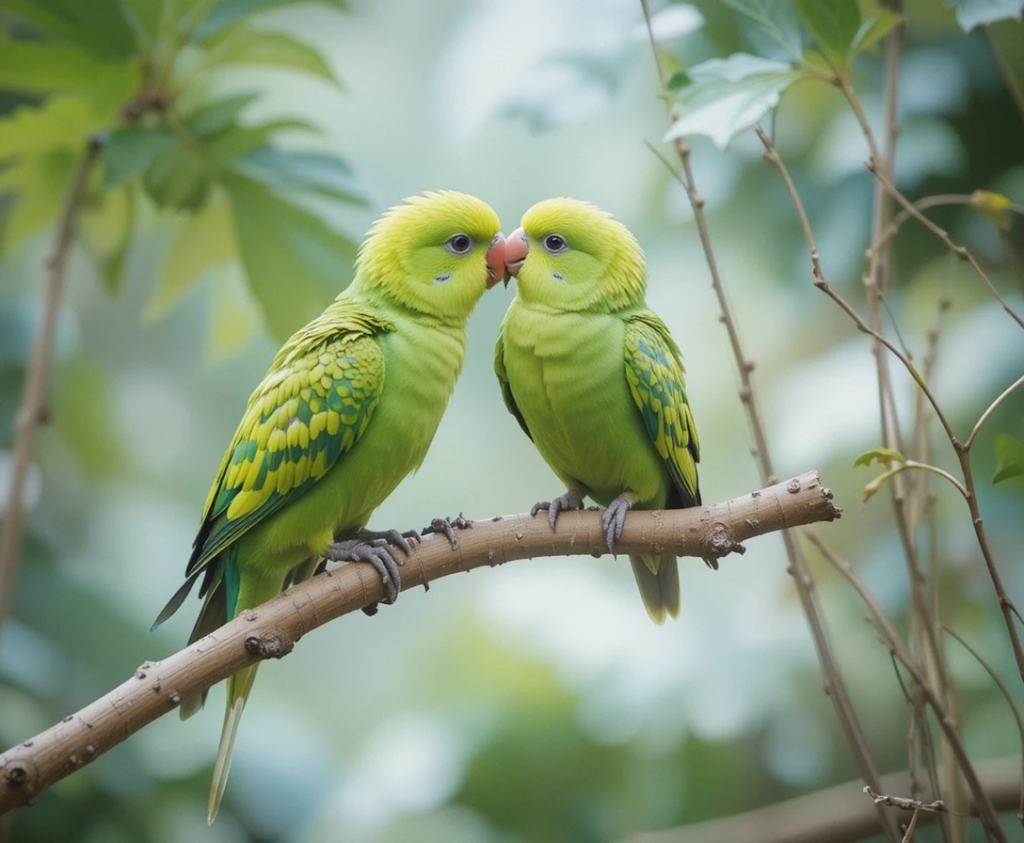
Why Does My Parakeet Bite Me? Decoding the Little Nips of Fury
You’re having a lovely moment with your parakeet. It’s sitting on your finger, looking cute, and you decide to give it a little scratch. Suddenly—CHOMP! A sharp little beak clamps down on your finger. Ouch! Your feelings are hurt, and your finger is throbbing.
Before you take it personally and assume your bird is a tiny feathered villain, let’s get one thing straight: parakeets rarely bite out of pure spite. A bite is almost always a form of communication. Your job is to learn their language.
So, let’s decode the top reasons for why parakeets bite and what your bird is really trying to say.
1. The “Personal Space, Please!” Bite
This is the most common reason. Just like people, parakeets have boundaries. Maybe you’ve been petting them for too long, or they’re tired and you keep bothering them. The bite is their way of saying, “Okay, that’s enough. I’m done with this interaction.”
- How to tell:The bite might be preceded by other parakeet body language warnings like flattening their body, pinning their eyes (their pupils rapidly shrinking and expanding), or backing away.
- The fix:Learn to read the signs. If your bird seems tense or gives you a warning look, back off before the chomp happens. Respecting their space is key to building trust with your parakeet.
Funny thought: Imagine if someone started ruffling your hair when you were trying to read a book. You’d probably swat their hand away. Your parakeet is just doing the same, but with the tools it has.
2. The “I’m Scared!” Bite
Fear is a powerful motivator. A sudden movement, a new hat, the vacuum cleaner, or even just your hand approaching too quickly can trigger a fear bite. This is a defensive reaction, not an aggressive one. Your bird is terrified.
- How to tell:This bite is often quick and hard. You’ll see other signs of a scared budgie, like frantic fluttering or trying to escape.
- The fix:Move slowly and predictably. Talk to your bird in a soft voice before you approach. If they’re scared of your hand, go back to basic parakeet trust building with hand-feeding treats.
3. The “This is MY Castle!” Bite (Territorialism)
Sometimes, a normally sweet parakeet will turn into a miniature dragon when you put your hand near their cage, a favorite toy, or their food dish. This is territorial behavior in parakeets. They’re protecting their valuable stuff from the giant hand-invader.
- How to tell:The biting only happens when you approach a specific area, like their cage.
- The fix:Avoid reaching into their “protected” space unnecessarily. Encourage them to come out of the cage to you instead. This helps reduce their cage aggression.
4. The “I’m a Hormonal Teenager” Bite
During breeding season, your parakeet’s hormones can go into overdrive. This can make them more irritable, protective, and… bitey. They might see your hand as a rival or a potential mate who isn’t following the rules.
- How to tell:This often comes with other behaviors like regurgitating food, being extra noisy, or (in females) wanting to nest in dark corners.
- The fix:Ensure they get 10-12 hours of uninterrupted sleep in a dark room to reduce hormonal triggers. Remove any nesting spots like happy huts or enclosed boxes.
5. The “Testing This Thing” Bite (Beak Exploration)
Especially with young parakeets, biting isn’t always negative. They use their beaks to explore the world, much like a human baby puts everything in their mouth. They might be gently testing your finger to see what it is. It’s not meant to hurt, but those little beaks are sharp!
- How to tell:It’s more of a gentle, curious nibble than a forceful chomp.
- The fix:If it’s too hard, let out a soft, high-pitched “eep!” to startle them. This is how other parakeets say “that hurts!” Then, redirect their beak to a toy they are allowed to chew on.
What Should You Do When Bitten?
Your reaction is crucial. Never yell, shake, or punish your bird. This will destroy all your parakeet bonding progress and make them more afraid of you.
- Stay Calm:Don’t jerk your hand away wildly. This can both scare the bird and potentially hurt it.
- Gently Disengage:If it’s a light nip, ignore it. If it’s a hard bite, put a little pressure toward the bird (instead of pulling away) to encourage them to release, then slowly remove your hand.
- Take a Break:End the interaction for a few minutes. This teaches them that biting makes the fun stop.
The Bottom Line: It’s Not You, It’s Them
Well, it is them, but not in a malicious way. Biting is their main way of saying, “I’m uncomfortable!” By paying attention to parakeet body language and understanding these common reasons, you can prevent most bites before they happen.
Be patient, keep working on that trust building, and soon those painful nips will be a thing of the past, replaced by a happy, chirping companion who actually wants to hang out with you.
How to Socialize a Parakeet with Another Parakeet
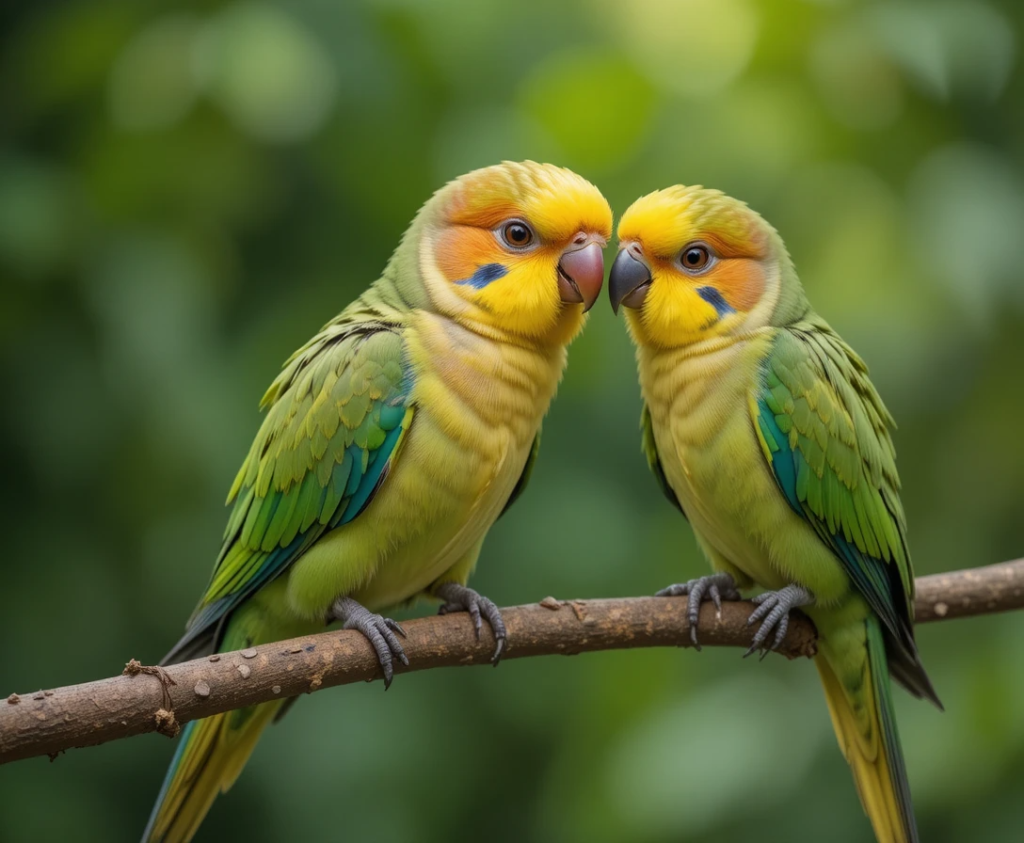
How to Socialize a Parakeet with Another Parakeet: A Guide to Feathered Friendship
So, you’ve decided your parakeet needs a friend. Great idea! In the wild, these guys live in massive, chatty flocks. But you can’t just plop a new bird into the cage and hope for the best. That’s the bird version of a stranger moving into your bedroom unannounced—it’s going to cause drama.
Introducing a new parakeet takes a bit of finesse. Think of yourself as a feathered friend matchmaker. Your goal is to set the stage for a beautiful friendship (or at least a peaceful roommate situation). Here’s your simple guide to introducing a new parakeet without the feather-flying chaos.
Step 1: The “Get to Know You” Phase (The Quarantine)
Hold your horses! Before the birds even see each other, the new parakeet needs a separate cage in a different room for about 30 days. This is the non-negotiable quarantine for new birds.
- Why?It’s a safety precaution. The new bird could be carrying germs it’s immune to but your current bird isn’t. This step prevents a simple introduction from turning into a vet emergency. It’s like a background check for your new feathered tenant.
Step 2: The “Neighbor” Phase (Separate Cages, Side-by-Side)
After quarantine, it’s time for the birds to become neighbors. Place the new cage next to your original bird’s cage. They can see, hear, and chirp at each other, but there’s a safe barrier between them.
- What to do:Let them live like this for at least a week. This is the core of safe parakeet introductions. They’ll get used to each other’s presence without any territorial disputes. You might see them mimicking each other’s chirps or even eating at the same time—great signs for budgie bonding!
Funny thought: This is the bird version of two people living in adjacent apartments, slowly getting curious about each other through the wall.
Step 3: The “Playdate” Phase (Neutral Territory)
Now for the main event: the first date. The key is neutral territory. Never use one of the existing cages for this first meeting, as that is someone’s home turf.
- Set the Scene:Choose a neutral area like a play gym, a T-stand, or even the top of a cage (if neither bird lives there). Make sure the room is safe—windows closed, fans off.
- Let Them Explore:Place both birds on the play area at the same time. Have some treats, like millet spray, handy. They might ignore each other, chirp, or cautiously check each other out. This is all normal parakeet flock behavior.
- Supervise Closely:Stay right there! Watch for signs of managing parakeet aggression, like loud squawking, fluffing up aggressively, or pecking. A little bickering is normal, but if a real fight breaks out, calmly separate them with a perch (not your hand).
Step 4: The “Moving In Together” Phase (The Big Merge)
If the playdates have been going well for a week or two—with more chirping than chasing—it might be time to share a cage. And we do mean share.
- The New Home:The best option is to get a brand new, larger cage for both of them. If that’s not possible, thoroughly clean and rearrange the old cage, moving all the perches and toys so it feels unfamiliar to the original resident.
- Double Everything:To prevent squabbles, make sure there are two food dishes and two water bowls, placed at opposite ends of the cage. This is crucial for preventing budgie fights over resources.
Troubleshooting: When the Feathers Fly
- “They’re bickering over a perch!”A little arguing is how they establish the pecking order. It’s like two roommates deciding who gets the top bunk. Only step in if it gets truly vicious.
- “One bird is bullying the other!”If one bird is constantly preventing the other from eating or drinking, you may need to separate them and extend the side-by-side cage phase for longer. Slow and steady wins the race.
- Be Patient!Socializing parakeets can take weeks or even months. Don’t rush it. Forcing them together too fast is the number one cause of failed introductions.
The Final Chirp
Successfully introducing two parakeets is one of the most rewarding things you can do for them. Watching them preen each other, chatter all day, and snuggle up together makes all the patience worth it.
Remember, you’re not just putting two birds in a cage. You’re building a tiny, happy flock. Now go be the best bird matchmaker you can be
Parakeet Body Language Explained
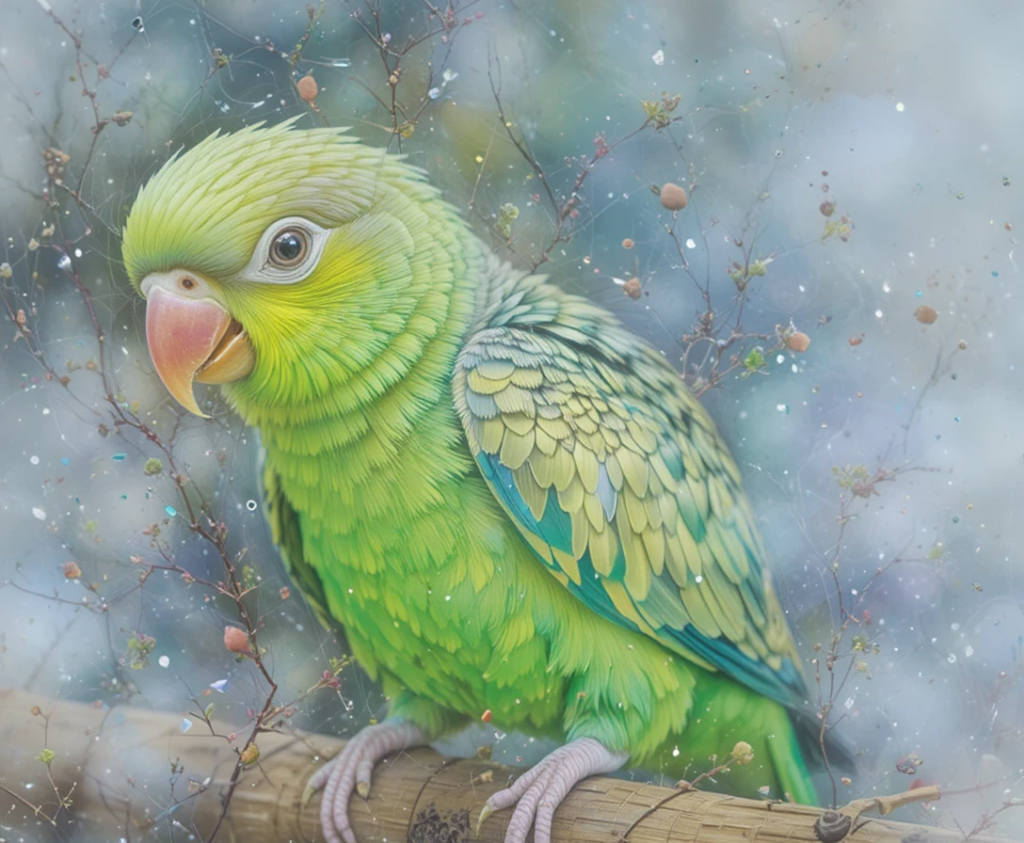
Parakeet Body Language Explained: What Is Your Bird Actually Saying?
Your parakeet might not speak English, but they’re talking to you all day long. The secret is that they use their whole body to communicate. Once you learn the basics of parakeet body language, you’ll finally understand what all the chirping, fluffing, and head-bobbing is all about.
Think of yourself as a translator for a tiny, feathered diplomat. Let’s decode the most common signals, from the “I’m so happy!” to the “Back off, buddy!”
The “Life is Good” Signals (Happy & Content)
These are the signs every owner loves to see. When your budgie is feeling good, it’s pretty obvious.
- The Content Grind:If you hear a soft, crunching sound, look at your bird’s beak. If they’re grinding it back and forth, that’s beak grinding in parakeets. It’s the ultimate sign of a relaxed, happy, and often sleepy bird. Consider it a purr.
- The Fluffy Nap:A parakeet that’s fluffed up and sitting still is usually just cozy and resting. They trap air in their feathers to stay warm. If they’re doing this with one foot tucked up and maybe grinding their beak, you’ve got one chilled-out budgie.
- The Happy Chirp:Constant, musical chirps and chatters are the sound of a content bird. This is normal budgie vocalization and means they feel safe and happy in their environment.
Funny thought: A grinding, fluffy parakeet is the bird version of a person curled up on the couch under a blanket. Don’t disturb them!
The “Let’s Be Friends” Signals (Curious & Playful)
This is when your bird is engaged and interested in interacting.
- The Head Bob:This classic parakeet behavior is often seen in young birds. It’s an excited, “Notice me!” gesture, usually directed at you, a toy, or another bird. It often means “I’m happy!” or “I want attention!”
- The Eye Pinch:You might see your parakeet’s pupils rapidly get bigger and smaller. This is called eye pinning in budgies. While it can sometimes mean excitement or aggression, during play it usually means they are super interested and stimulated. They’ve seen something they really like!
- The “Pet Me” Pose:When your bird lowers its head and fluffs up the feathers on its neck, it’s an invitation! They are literally putting their head down and asking for a scratch. This is a golden opportunity for bonding with your parakeet.
The “I’m Not So Sure” Signals (Cautious & Nervous)
It’s crucial to recognize when your bird is feeling unsure to avoid pushing them too far.
- The Crouch & Stare:A bird that is crouching low, with a sleek body and a fixed stare, is on high alert. They’ve seen something interesting or potentially threatening and are deciding whether to fight, flight, or freeze.
- The Flick of the Tail:A quick, sharp tail flick can be a sign of mild annoyance or surprise. It’s like them saying, “Huh?” or “Excuse me?”
The “Back Off, Please!” Signals (Scared or Angry)
Ignoring these signs is a good way to get bitten. Pay close attention!
- The Flat Bird:When a parakeet flattens its body, pulls its head back, and holds its feathers tight against its body, it’s trying to look skinny and ready to flee. This is a classic sign of a scared budgie. They feel threatened.
- The Pinning Glare:Remember eye pinning? When combined with a flattened posture and an open beak, it’s a clear sign of aggression or fear. This is not the time to try and pet them.
- The Hiss:Yes, parakeets can hiss! It’s a low, snake-like sound. It’s their final warning before they bite. Heed it!
The “I Don’t Feel Well” Signal (Sick)
This is the most important one to know. A parakeet that is constantly fluffed up, sitting on the bottom of the cage, and lethargic is likely sick. Sick parakeet symptoms are often subtle, but persistent fluffing is a major red flag. If you see this, especially with other signs like lethargy or loss of appetite, it’s time for a vet visit.
Your New Superpower
Learning to read parakeet body language is your biggest tool for building trust with your parakeet. By understanding their moods, you can interact with them when they’re happy and give them space when they’re not.
So, the next time your bird does something weird, just watch. They’re telling you a whole story with their feathers, eyes, and posture. Now go have a chat with your feathered friend—no words needed
Best Parakeet Toys for Interaction
Best Parakeet Toys for Interaction: Turn Playtime into Bonding Time
Let’s be honest. You can buy your parakeet a mountain of toys, but sometimes it feels like they’d rather play with the receipt they came with. The secret to winning this battle? Choosing toys that aren’t just fun, but are designed for the two of you to enjoy together.
Interactive toys turn you from a spectator into a playmate. They’re the key to preventing boredom and building a stronger, happier bond. Let’s look at the best interactive parakeet toys that will make your bird actually want to hang out with you.
1. The Foraging Frenzy: The Snack Puzzle
In the wild, parakeets spend most of their day foraging for food. Sitting in a cage with a full food bowl is like being on a cruise with a 24/7 buffet—it gets boring.
- What it is:Foraging toys are puzzles that hide treats. Think of them as a little DIY foraging toy you can make from a cardboard egg carton with millet hidden inside, or a more complex wooden puzzle box.
- Why it’s great for interaction:You get to be the game master! You hide the treats, and your bird has to work for them. Watching them figure it out is like watching a feathery detective solve a case. This is a fantastic way to provide foraging for parakeets and engage their brains together.
Funny thought: It’s like turning mealtime into an escape room, but the prize is a piece of millet instead of freedom.
2. The Target Training Stick: The Pointy Teacher
This simple tool is a powerhouse for interactive parakeet play and training. It’s usually just a stick with a small, colored ball on the end.
- What it is:You use the stick to guide your bird. You ask them to touch the ball with their beak, and when they do, click (if you use a clicker) and give them a treat.
- Why it’s great for interaction:This is the heart of parakeet target training. You’re actively teaching them a trick, which is a brilliant way to bond. You can use it to teach them to turn in a circle, go through a hoop, or just hop from one perch to another on command.
3. The Mighty Millet Holder (Your Secret Weapon)
Okay, it’s not a “toy” in the traditional sense, but it’s the ultimate tool for bonding with your budgie.
- What it is:Instead of just dropping a millet spray in the cage, you hold it. You can use a clip or just your hand.
- Why it’s great for interaction:This forces your bird to come to you for the good stuff. They have to brave the scary human hands to get the delicious treat. It’s the simplest and most effective way to build trust and have a positive, shared experience. It’s the foundation of all parakeet trust training.
4. The Bell of Bravery: The Noisy Challenger
Many parakeets are fascinated by bells. The noise, the movement, the shiny object—it’s a triple threat.
- What it is:A bird-safe bell, preferably one without small slits where beaks can get caught.
- Why it’s great for interaction:At first, your bird might be wary of it. You can gently ring it yourself to show it’s safe. Encourage them to tap it with their beak. When they ring it themselves, celebrate! You’ve just turned a scary object into a fun game. This is a great budgie enrichment
5. The “You Destroy It” Toy: The Shredder’s Delight
Parakeets are natural destroyers. It’s not vandalism; it’s a career.
- What it is:Toys made of bird-safe paper, sola wood, seagrass, or soft balsa wood. They are meant to be utterly annihilated.
- Why it’s great for interaction:Sit with your bird outside the cage and hold a shreddable toy. Let them climb on it and go to town. You’re not just giving them a toy; you’re holding the thing they are destroying. It’s a shared activity that taps into their deepest instincts. Look for destructible parakeet toys to satisfy this need.
How to Choose the Right Interactive Toy
Safety and taste matter! Keep these tips in mind:
- Safety First:Avoid toys with small, easily swallowed parts, loose threads, or rusty metal. Safe parakeet toys are non-toxic and well-constructed.
- Follow Their Lead:Does your bird love to chew? Get shreddable toys. Are they a climber? Get a rope ladder you can hold. Matching the toy to their personality is key for engaging parakeet toys.
- Rotate, Rotate, Rotate:Don’t dump all the toys in the cage at once. Rotate a few every week to keep things fresh and exciting.
Your Role: Head of Fun & Games
The best interactive parakeet toys in the world are useless without you. Your enthusiasm is the secret ingredient. Get down on their level, act excited about the toy, and celebrate when they interact with it.
Before you know it, your parakeet will see you as their favorite playground. Now, go grab a shreddable toy and prepare for some feathery destruction