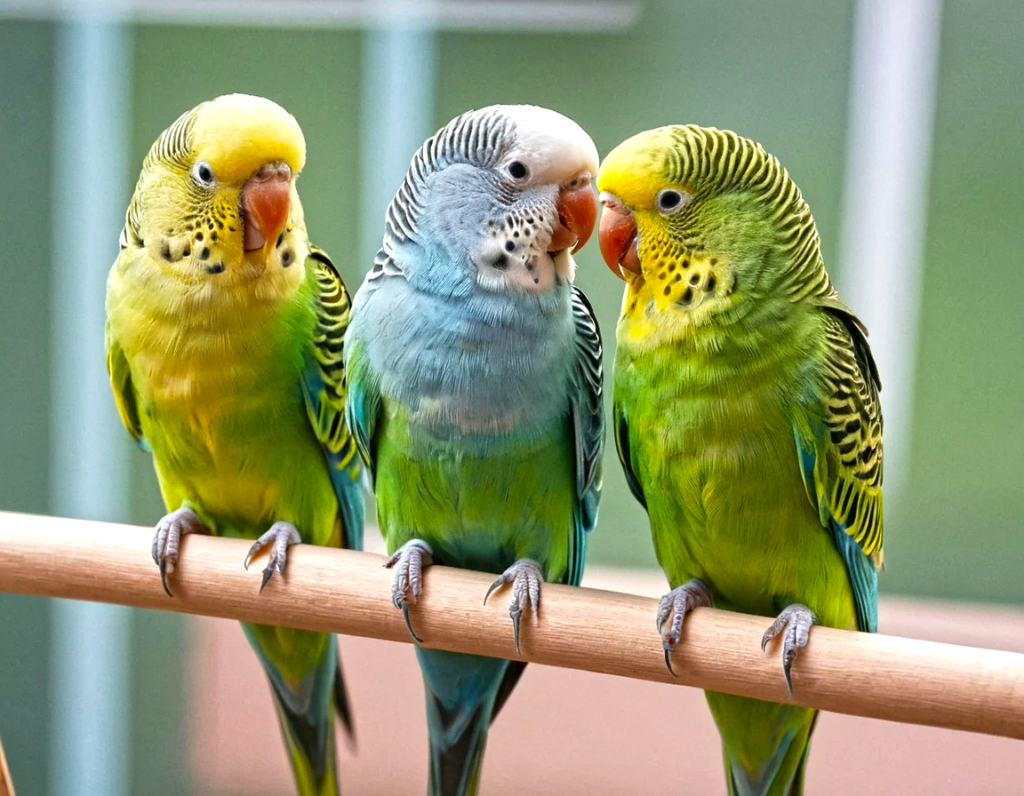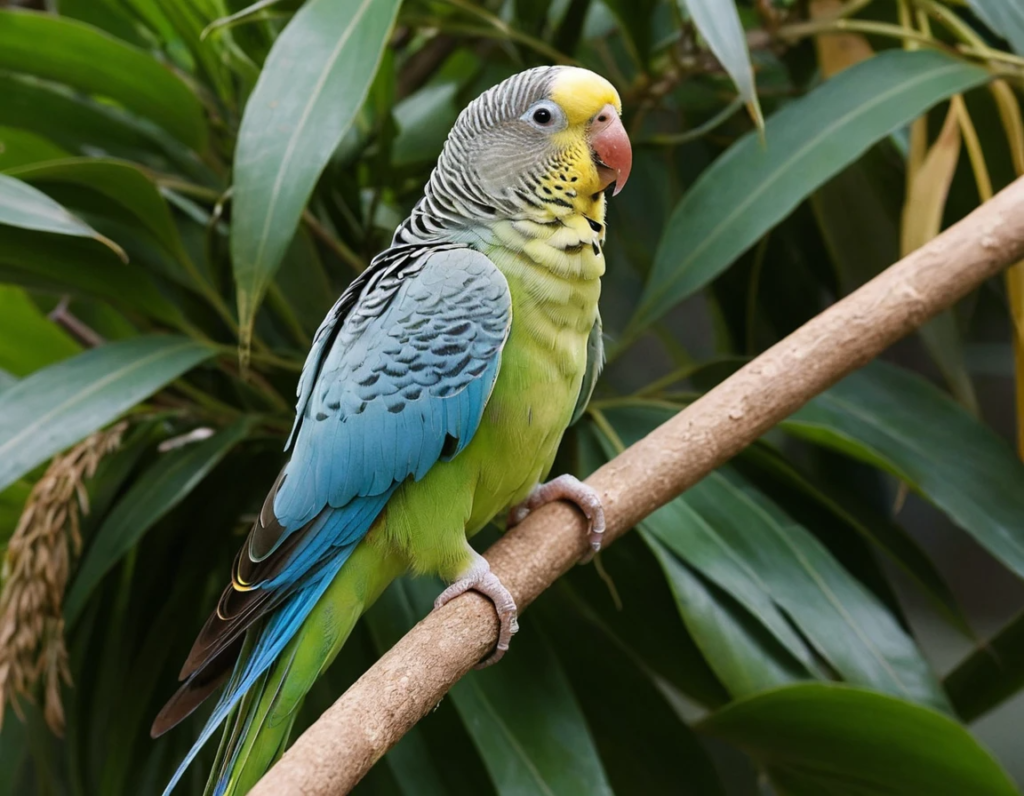
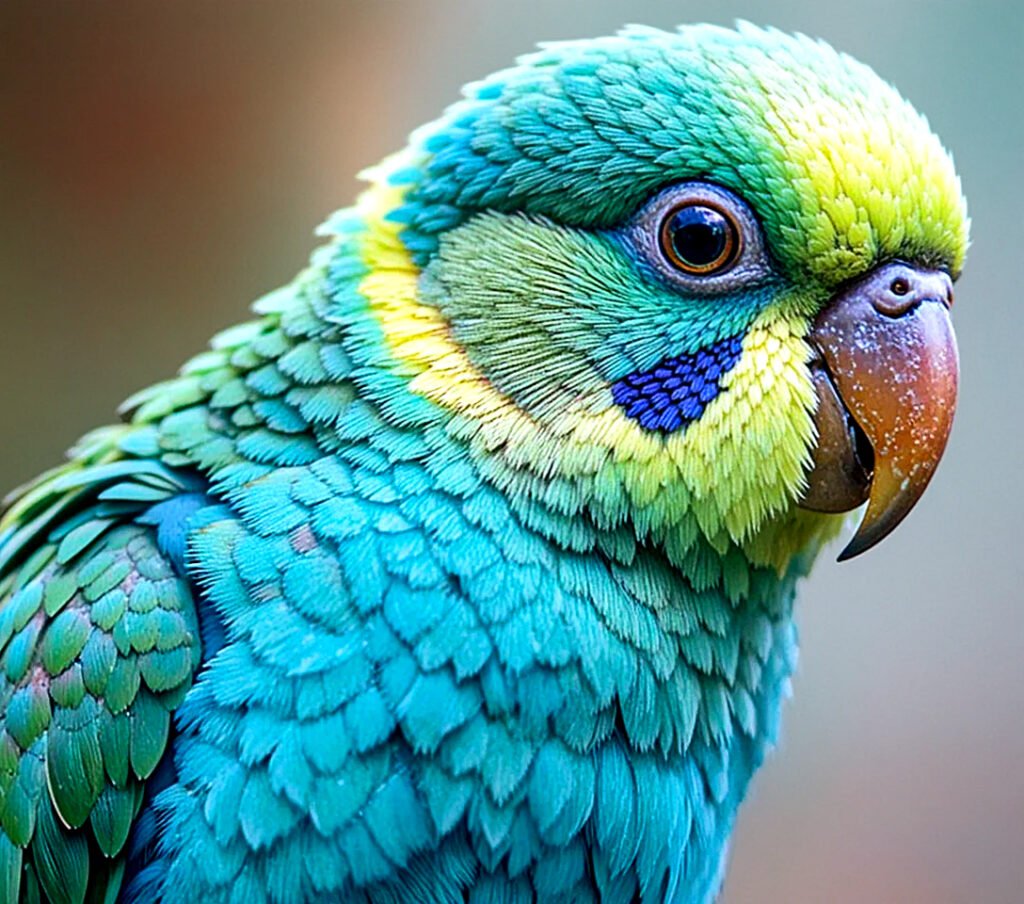
Budgie vs Parakeet Lifespan: The Straight Answer (No Bird-Brain Confusion!)
Let’s clear up a feathery mystery that trips up almost every new bird owner. You’re standing in a pet store, or scrolling online, and you see a cute, chirpy little bird. One label says “Parakeet.” Right next to it, another nearly identical bird is labeled “Budgie.” Your brain does a tiny, confused flip. Aren’t they the same thing? And more importantly, which one is going to be your chatty companion for longer?
Here’s the simple, no-nonsense truth that will save you a lot of head-scratching: All budgies are parakeets, but not all parakeets are budgies.
Think of it like this: “Parakeet” is like saying “truck.” It’s a big category. A budgie is one specific type of truck – let’s say the super popular, compact pickup model that everyone knows. There are also other kinds of trucks (parakeets), like massive monster trucks (Macaws… okay, not a parakeet, but you get the idea!).
So, when people compare “budgie vs parakeet lifespan,” they’re usually asking: “How long does the common pet store budgie live compared to other types of parakeets?” Let’s unpack that nest.
The Budgie Lifespan: The Average Joe of the Bird World
The little green, blue, yellow, or white bird you picture when someone says “parakeet”? That’s almost certainly a budgerigar, or budgie for short. In terms of pet bird lifespan, they’re kind of the middle-distance runners.
With excellent care, a budgie can live between 5 to 10 years. Some soar into their early teens with the right diet and a stress-free life, but the average tends to hover around 7-8 years. This is a key piece of budgie care information for families; it’s a solid, manageable commitment, longer than a hamster but shorter than a parrot that might outlive your car.
What affects a budgie’s years? The main culprits are a seed-only diet (it’s like living on fast food), a small cage (no room for zoomies!), lack of vet check-ups, and loneliness. A bored budgie is an unhealthy budgie. They need friends, toys, and out-of-cage time to stay chirpy.
The “Other” Parakeets: The Lifespan Long-Haulers
This is where the parakeet species comparison gets interesting. The parakeet family is huge! Once you step beyond the common budgie, lifespans can stretch way out.
- English Budgie:This is the fancy cousin of the common American/Australian budgie. They’re bigger, with fluffier foreheads. Their lifespan is often similar, maybe a tad longer at 7-9 years on average, but their breeding for show can sometimes lead to more health issues.
- Monk Parakeet (Quaker Parrot):Don’t let the “parakeet” name fool you. These are bigger, smarter, and live much We’re talking 20 to 30 years! That’s a lifetime commitment, not just a pet.
- Indian Ringneck Parakeet:These gorgeous, talkative birds are another leap. A well-cared-for Ringneck can be your companion for 25 to 30 years. You might send it off to college.
- Lineolated Parakeet (Linnie):A smaller, calmer parakeet species that often beats the common budgie in the lifespan game, typically reaching 10 to 15 years.
See the pattern? The term “parakeet” alone tells you nothing about how long your bird will live. It’s all about the species.
Budgie vs Parakeet: A Quick Side-by-Side Gander
Feature | Common Budgie | Other Parakeets (e.g., Ringneck, Quaker) |
Typical Lifespan | 5-10 years | 15-30+ years |
Size | Small (6-8 inches) | Small to Medium (10-20 inches) |
Commitment Level | Moderate (Think elementary school kid) | Very High (Think from diapers to their own diapers) |
Talking Ability | Can learn words, often mimics sounds | Often excellent, clear talkers (especially Ringnecks) |
How to Maximize Your Feathered Friend’s Time
No matter if you have a budgie or a different parakeet breed, the rules for a long, happy life are similar. Call it the guide to a long bird life:
- Diet is King:Ditch the all-seed diet. Get a quality pellet base and add fresh veggies (think broccoli, carrots) and a bit of fruit. It’s the difference between eating cereal for every meal and having a balanced diet.
- Space to Fly:Get the biggest cage you can. They need to flap, not just hop.
- Vet Visits:Find an avian vet. Don’t wait for an emergency. Annual check-ups catch problems early.
- Friendship & Fun:They are flock animals. If you can’t spend hours a day with them, consider getting a second bird (same species, please!). And load that cage with toys to destroy. Boredom is a silent killer.
- Safety First:No Teflon fumes, no ceiling fans on during flight time, and watch out for open toilets and windows!
The Bottom Perch
So, the next time someone asks about budgie versus parakeet life expectancy, you can sound like a wise old owl. Ask them: “Do you mean the common little budgie, or are you looking at a different type of parakeet?”
Choosing between a budgie and another parakeet isn’t just about color or noise—it’s about planning your life for the next decade… or three. A budgie offers a wonderful, manageable pet bird lifespan perfect for many. But if you bring home a Quaker or Ringneck thinking it’s just a “big budgie,” you might be in for a surprise that outlives your Netflix subscription.
Do your homework, pick the bird that fits your life, and you’ll enjoy years of hilarious antics, cheerful songs, and feathered friendship. Just remember, in the world of parakeets, size and species aren’t just details—they’re the calendar you’ll be living by. Choose wisely
English Budgie vs American Budgie: The Lifespan Showdown
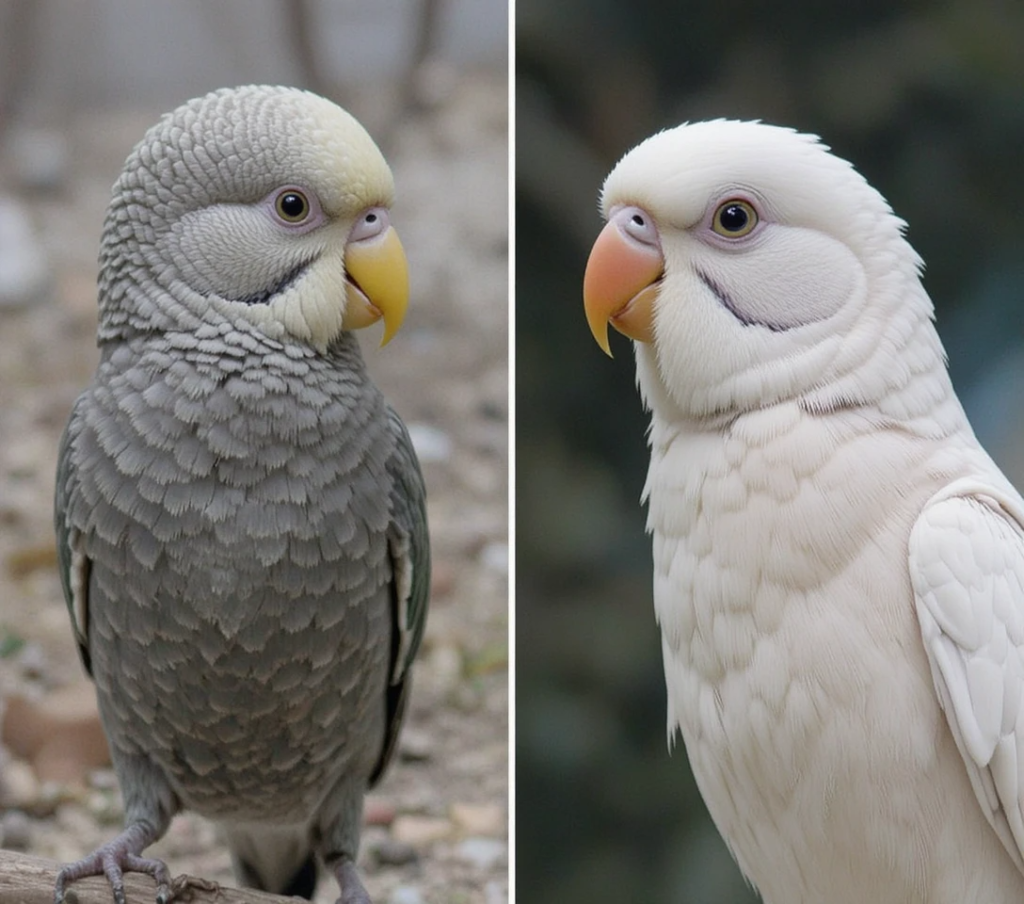
So, you’ve fallen for a feathered little charmer with a beak. You’re looking at pictures and see two birds that look… almost the same, but not quite. One is often called an English Budgie, looking like a fluffy, dignified professor. The other is usually labeled an American Budgie (or just common budgie), appearing more like a sleek, energetic athlete. And suddenly, a crucial question hits you: does the fancy one live longer?
It’s a classic case of show budgie vs pet budgie lifespan. Let’s crack this case without any birdseed-covered confusion.
Meet the Contestants: A Tale of Two Budgies
First, a quick biology moment: they are both Budgerigars. Same species. Think of them like two different breeds of dog within the same family—say, a show-line German Shepherd and a working-line German Shepherd.
The American Budgie (Common Budgie/Australian Budgie):
This is your classic pet store buddy. The one you probably picture. They’re smaller (about 6-7 inches long), sleeker, and look like they’re ready for a zoomie session around your living room at any moment. They’re the wild-type body shape, built for speed and agility. In the bird world, they’re the scrappy, energetic kid.
The English Budgie (Show Budgie/Exhibition Budgie):
This is the big, fluffy cousin. Bred selectively for bird shows, they have a larger body (up to 10 inches), a puffier forehead (called a cap), and often a calmer demeanor. They look like they’re wearing a feathery cravat and might ask you about the stock market. They are, essentially, the bodybuilders of the budgie world.
The Lifespan Verdict: Does the Fancy One Last Longer?
Here’s the simple answer, straight from the perch: Not necessarily, and often the opposite is true.
Let’s break down the budgie life expectancy for each:
- American Budgie Lifespan:With top-notch care, these little guys typically live 7 to 10 years. Some even hit the impressive 12-15 year mark. They are generally closer to their hardy, wild ancestors.
- English Budgie Lifespan:Sadly, the show budgie health issues that come with selective breeding often mean a slightly shorter average. A well-cared-for English budgie often lives 5 to 8 years, with 7 being a common average.
Wait, what? The bigger, more expensive bird might have a shorter budgie lifespan? Often, yes. And the reasons are key to understanding budgerigar care.
Why the Smaller Guy Often Wins the Longevity Race
It’s not about effort or love. It’s about genetics and biology. Here’s the real talk on the lifespan difference in budgies:
- The “Purebred” Problem:Just like some purebred dogs, English budgies are often bred for looks (size, feather, color) over long-term health and vigor. This closed gene pool can pass on weaker immune systems or predispositions to tumors and other common budgie health problems.
- Body Builder, Not a Sprinter:That impressive, bulky body can put strain on their little systems. They can be more prone to obesity, heart issues, and joint problems—similar to an overly muscled athlete.
- The Energy Factor:American budgies are zippy and active. This natural high activity level is fantastic for their overall health and fitness. Some English budgies, due to their bulk and breeding, can be more sedentary.
How to Help YOUR Budgie Live Its Best, Longest Life
No matter which feathered friend you bring home, you control the biggest factors. Think of this as your guide to budgie longevity.
- Diet is THE Game-Changer:This is non-negotiable. Ditch the all-seed diet for both types. Seeds are like bird junk food. Switch to a high-quality pellet diet as their main food, and offer plenty of fresh chopped vegetables (broccoli, leafy greens, peppers) and a little fruit. This one change can add years.
- Vet is Not a Bad Word:Find an avian vet (a specialist). Don’t wait for an emergency. Annual check-ups are like tune-ups for your car, catching small issues before they become engine failures.
- Space Station, Not Prison Cell:Get the largest, widest cage you can possibly manage. Length for flying is more important than height. They need to flap, not just climb.
- Brain Games & Flock Life:They are smart, social flock animals. A lonely, bored budgie is a stressed, unhealthy budgie. Provide tons of foraging toys, rotate new toys regularly, and spend time talking to them. If you’re away a lot, seriously consider a same-species friend (properly introduced, of course!).
The Final Pecking Order
Choosing between an English vs American budgie shouldn’t just be about which one looks more like a fluffy cloud. It’s about understanding the commitment.
The American budgie is often the hardier, longer-lived choice, packed with energetic personality. The English budgie can be a magnificent, calm companion, but requires extra vigilance regarding its health due to its breeding.
Ultimately, the average lifespan of a pet budgie comes down to you—the chef, the personal trainer, the entertainment director, and the guardian of their cage. Provide excellent care, love, and a veggie-filled menu, and you’ll give your buddy, whether a sleek sprinter or a feathery football, the best shot at a long, chirpy life. After all, you’re not just buying a bird; you’re signing up for a decade-long conversation with a tiny, opinionated dinosaur. Make it a good one
Parakeet vs Cockatiel Lifespan:
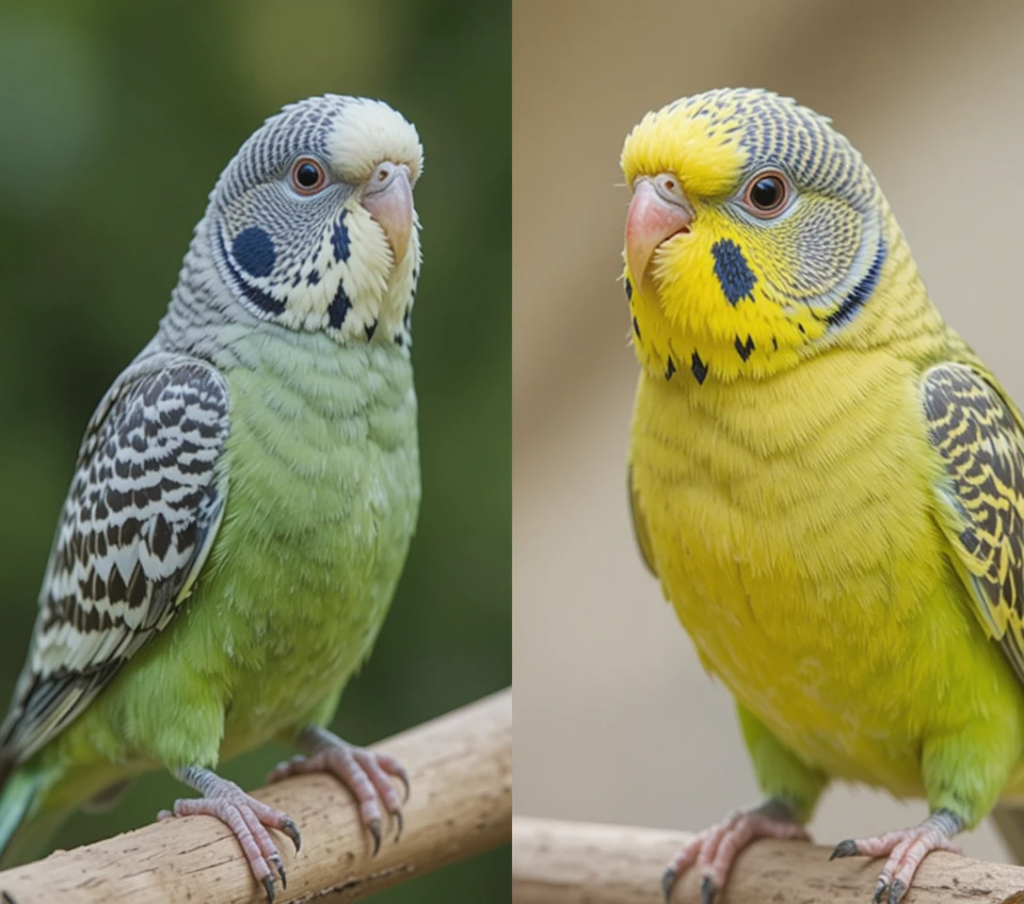
So, you’ve decided a bird might be the perfect pet. You’re picturing cheerful chirps, a bit of chatter, and a feathery friend to keep you company. Then you hit the research stage and see two top contenders: the peppy little parakeet (usually a budgie) and the charming cockatiel with its fabulous headgear.
And one question looms larger than a cockatiel’s crest: how long do these guys actually live? It’s the difference between a decade-long roommate and a potential feathered heirloom. Let’s break it down, no birdseed required.
First, a tiny bit of bird-brained clarity: When we say “parakeet” here, we’re almost always talking about the common budgerigar (budgie), the small, colorful bird sold in every pet shop. It’s the default. So this is really budgie vs cockatiel lifespan.
The Lifespan Showdown: Quick Numbers
Let’s cut to the chase. This isn’t a close race.
- Parakeet (Budgie) Lifespan:On average, a well-cared-for budgie lives 5 to 10 years. With exceptional care, some hit the 12-15 year mark, but that’s the superstar exception.
- Cockatiel Lifespan:Here’s where the commitment deepens. A healthy cockatiel typically lives 15 to 25 years. It’s not uncommon for them to reach their early 20s with proper care.
See the gap? Choosing between these birds isn’t just about color or song; it’s about calendar math. A budgie might see your kids through elementary school. A cockatiel might whistle at them when they come home from college.
Why the Big Difference? It’s Not Just Size.
Sure, cockatiels are bigger, but the lifespan difference in pet birds comes down to more than just inches. Think of budgies as high-performance compacts—zippy, efficient, but with a shorter typical service life. Cockatiels are more like a sturdy, well-built sedan designed for the long haul.
Budgies are incredibly active, their little metabolisms running at warp speed. They’re also more prone to certain common budgie health problems like tumors and fatty liver disease, especially on a poor diet. Their size simply makes them more fragile.
Cockatiels, while not immune to issues, are generally hardier. Their most famous cockatiel health issue is related to their crest and lungs: they are dust machines! This powder down helps keep their feathers clean, but it means they need cleaner air and can be more sensitive to fumes.
The Personality & Care Corollary
Their lifespan as a pet is tied directly to what they need from you.
The Parakeet (Budgie) Life:
- Energy Level: Think toddler after three cups of juice.
- Social Needs:Extremely high. They are flock animals through and through. A solo budgie needs hours of daily interaction from you. Many experts recommend getting two for companionship.
- Maintenance:Relatively straightforward. They eat less, make smaller messes (but still make them!), and their care is a great intro to bird ownership.
The Cockatiel Life:
- Energy Level: They enjoy bursts of play and love to perch and whistle tunes.
- Social Needs:Also very high, but often in a more cuddly, “perch-on-your-shoulder” way. They can bond very deeply with one person.
- Maintenance: More food, bigger poops, and that famous cockatiel dustmeans you’ll be cleaning air filters and surfaces more often. Their need for mental stimulation is huge.
How to Maximize Your Bird’s Years (No Matter Which You Choose)
Whether you get a decade or a quarter-century, these pet bird longevity tips are universal:
- Diet is Everything:This is the biggest factor you control. Ditch the all-seed diet! It’s bird junk food. Move to a high-quality pelleted diet as the main course, with fresh vegetables and a bit of fruit as sides. This alone can add years.
- Find an Avian Vet:Not just any vet. A specialist. Budget for annual check-ups. Birds hide illness until they’re very sick, so a pro can spot trouble early.
- Space to Fly:Buy the biggest cage you can possibly fit. Length for flying is better than height. They need exercise, not just a place to sit.
- Safety First:No non-stick cookware fumes (deadly), no ceiling fans on during flight time, and watch those windows and toilets!
- Brain Games & Love:These are smart, social creatures. Rotate their toys, teach them tricks, offer foraging puzzles, and spend real, screen-free time with them every single day.
The Final Verdict: Which Bird is For You?
Choosing between a parakeet and cockatiel comes down to your life’s blueprint.
Choose a Parakeet if: You want a brilliant, chatty, energetic first bird and are comfortable with a 7-10 year commitment. It’s a serious, but not generational, responsibility. Perfect for learning the ropes of small parrot care.
Choose a Cockatiel if: You’re ready for a more cuddly, musical companion and a commitment that could last longer than your car. You’re okay with more dust and have the stability to provide a home for what might be your next 20 years.
In the end, both offer incredible friendship. One is like adopting a hilarious, chatty kid. The other is more like a feathery, whistling teenager who never moves out. Choose wisely, care deeply, and you’ll have a loyal friend for all their days. Just remember, you’re not just getting a pet; you’re signing a long-term lease on a tiny, noisy, wonderful piece of joy.
How Long Do Parakeets Live: Wild Survival vs. The Pampered Pet Life
Let’s settle a common wonder for any parakeet owner. You’re looking at your cheerful, feathery friend chirping in its cage, enjoying a cuttlebone and a fresh spinach leaf, and a thought pops up: “What’s the alternative? How long would this little guy last out there in the real world?”
The answer is a real eye-opener. The difference between a wild parakeet lifespan and a captive parakeet lifespan isn’t just a few years—it’s a complete lifestyle overhaul. Think “extreme survival reality show” versus “all-inclusive resort.”
Life in the Fast Lane: The Wild Parakeet
When we say “parakeet” here, we’re mainly talking about the Budgerigar, the little green and yellow bird native to the Australian outback. Their life in the wild is no picnic. It’s a constant, high-stakes game.
Average Lifespan in the Wild: Brace yourself. Most wild budgies live only 1 to 4 years. Reaching the age of 4 is a major achievement, like a birdy version of winning an Olympic medal.
Why so short? The list of dangers reads like an action movie script:
- The Food & Water Game:They don’t have a filled dish waiting. Their survival depends on nomadic flights across miles to find grass seeds and waterholes that can dry up in an instant. Drought is a massive cause of death in wild flocks.
- Predators, Predators Everywhere:Hawks, falcons, snakes, and even wild cats see a parakeet as a quick snack. They are literally on the menu from the moment they fledge.
- The Elements:Brutal heat, sudden storms, and freezing nights test their endurance daily. No cozy cage cover here.
- Disease & Injury:With no avian vet in sight, a simple infection or a broken wing from a flock collision is often a death sentence.
In short, the wild budgie lives a life of incredible speed, sharp instincts, and constant movement. They’re tough little athletes, but they burn out fast.
Life in the Luxury Lane: The Captive Parakeet
Now, let’s look at your pet. This is where the numbers get much cheerier.
Average Lifespan in Captivity: A well-cared-for pet parakeet typically lives 5 to 10 years. With stellar parakeet care and husbandry, many hit 12-15 years. The oldest on record lived over 20!
Why so much longer? It’s simple: we remove almost every major threat.
- The All-You-Can-Eat Buffet:No more scavenging. They get a reliable, nutrient-rich pellet and seed mix, plus fresh veggies and clean water daily. This is the single biggest factor in extending your parakeet’s life.
- Fortress of Safety:Their cage is a predator-free, weather-proof fortress. The biggest danger might be a curious house cat… from the other side of the bars.
- Healthcare on Demand:Sneezes get checked. Beak trims happen. A good avian veterinarian can treat illnesses that would be fatal in the wild.
- Zero Commute:Energy spent on frantic survival flights is now spent on playing with bells and learning to mimic your phone ringtone.
Your pet lives a life of leisure, free from nature’s harsh realities. They’ve traded the wild’s adrenaline for the comfort of a guaranteed meal and a steady perch.
Side-by-Side: The Stark Reality
Factor | Wild Parakeet | Captive (Pet) Parakeet |
Average Lifespan | 1-4 years | 5-15 years |
Biggest Threats | Predators, starvation, drought, disease. | Primarily owner-related: poor diet, small cage, lack of vet care. |
Daily Goal | Survive. Find food, avoid death, repeat. | Thrive. Play, bond, eat, sing, destroy toys. |
Stress Level | Constantly high (life-or-death). | Generally low (though boredom is a new enemy). |
The Big Responsibility: Making “Captivity” Mean “Great Life”
Here’s the crucial twist: “Captivity” doesn’t automatically mean a long life. A neglected parakeet in a tiny, dirty cage with a seed-only diet might not even beat its wild cousins. Pet parakeet longevity is a gift we give them through proper care.
Your job is to make their safe, long life a good life. Here’s how:
- Diet is King (or Queen):Ditch the junk-food seed-only diet. A high-quality pellet base, with fresh veggies (think broccoli, kale) and a sprinkle of seeds as treats, is the true key to parrot longevity.
- Think Big for the Cage:Get the largest, widest cage you can. They need to fly horizontally, not just hop between perches. This is non-negotiable for their physical and mental health.
- Vet = Friend:Find a certified avian vet for annual check-ups. Birds are masters at hiding illness.
- Fight the Boredom:In the wild, they’re busy surviving. In your home, you need to replace that with foraging toys, puzzle feeders, and daily out-of-cage social time. A bored bird is an unhappy, unhealthy bird.
The Bottom Line
So, how long do parakeets live? It’s a tale of two worlds. In the wild, it’s a short, dramatic sprint for survival. In our homes, it has the potential to be a long, comfortable marathon of companionship.
Ultimately, when you choose a parakeet, you’re not just getting a pet. You’re becoming the guardian of a tiny, wild-hearted creature, offering it a sanctuary. By understanding the stark difference between wild and captive life, we can better appreciate our role—not as jailers, but as stewards of their remarkable, extended, and hopefully very chirpy lives. You’re trading their world of hawks and droughts for a world of millet sprays and head scratches. It’s a pretty good deal, if you ask them.
Monk Parakeet (Quaker) Lifespan vs Budgie:
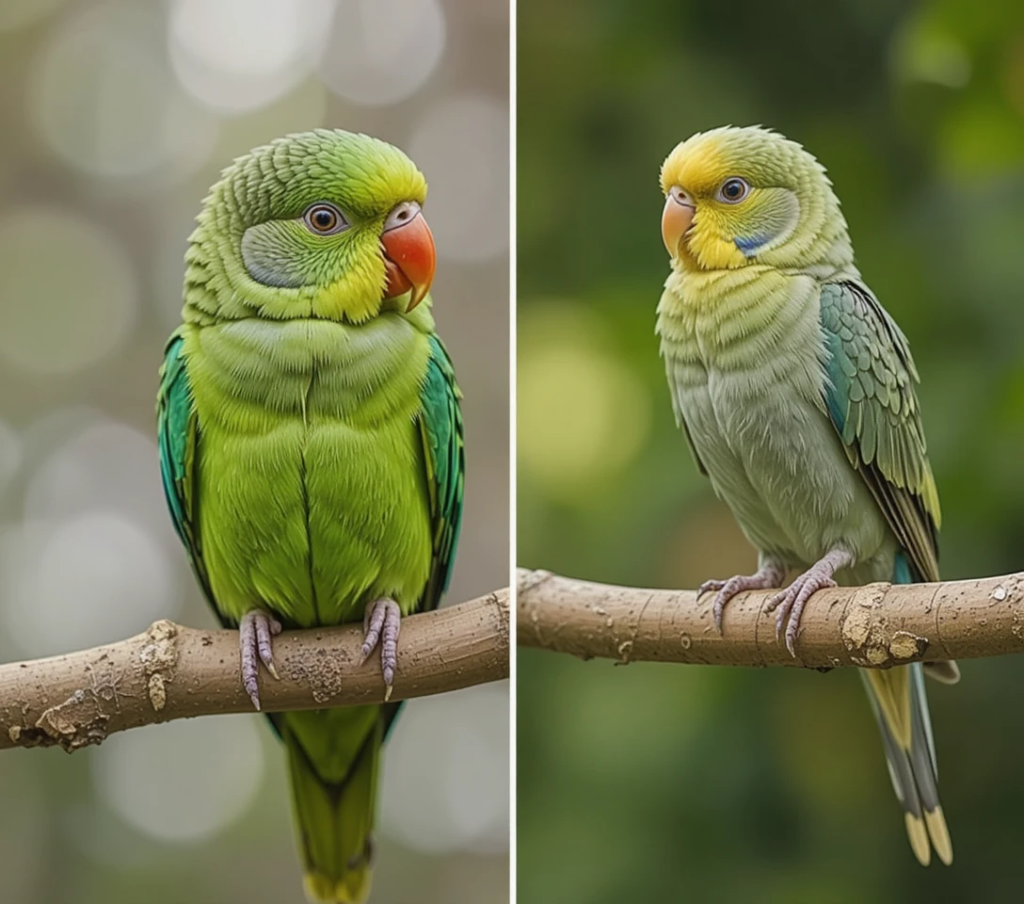
Let’s play a quick game of “One of These Things is Not Like the Other.” You’re looking for a small, bright, talking parrot. You see two popular options: the ubiquitous, tiny Budgie and the slightly larger, green-and-gray Monk Parakeet, often called a Quaker Parrot. They’re both parakeets, both smart, both charming. So, what’s the big difference?
Time. We’re talking about a difference in commitment that spans from “my kid’s childhood” to “my kid might inherit this bird.” The lifespan gap between a Quaker and a Budgie is one of the most important factors to understand before you bring one home.
Meet the Contenders: Size & Personality Preview
First, let’s know who we’re talking about.
The Budgie (Budgerigar): The classic starter bird. Small (about 7 inches), lightweight, and built for speed. They come in a rainbow of colors, chirp and chat constantly, and have the energy of a ping-pong ball fueled by espresso. They’re the popular, chatty kid in class.
The Monk Parakeet (Quaker): Don’t let the “parakeet” label fool you. This is a sturdier, more substantial bird (about 11-12 inches). They’re famous for their bright eyes, scaled gray chest that looks like an old-timey Quaker’s waistcoat (hence the name!), and a personality that’s equal parts clever, comical, and stubborn. They’re the shrewd, opinionated neighbor who knows everyone’s business.
The Lifespan Showdown: The Numbers Tell the Story
Here’s where your planning must get serious. This isn’t a slight edge; it’s a canyon.
- Budgie Lifespan:With excellent, dedicated care, a budgie can live a solid 5 to 10 years. Some superstars reach 12-15, but that’s the exceptional retirement plan. The average tends to settle around 7-8 years.
- Monk Parakeet (Quaker) Lifespan:Buckle up. A well-cared-for Quaker parrot routinely lives 20 to 30 years. Some even push into their early 30s. That’s not a pet; that’s a lifelong companion that might outlive your car, your couch, and several of your cell phones.
Think of it this way: getting a budgie is like adopting a hilarious elementary schooler. Getting a Quaker is like bringing home a highly intelligent toddler who will still be demanding your attention and snacks when they’re in their twenties.
Why Such a Dramatic Difference in Life Expectancy?
It’s not just about size, though that’s part of it. It boils down to biology and hardiness.
Budgies are incredible little birds, but they are more delicate. They are prone to faster-moving illnesses and certain common budgie health issues like tumors or liver problems, especially if their diet isn’t perfect. Their tiny systems are more fragile.
Quaker parrots are famously robust. They are tough, adaptable birds (as evidenced by the feral colonies thriving in cold places like New York and Chicago!). They have a slower metabolism and a generally hardier constitution. Their longevity in captivity is a testament to their resilience when their core needs are met.
Care & Commitment: It’s Not Just About Years, It’s About Depth
A longer life means a deeper, more complex relationship—and more responsibility.
Owning a Budgie: Your focus is on creating a rich, safe, and stimulating environment for a shorter, intense burst of time. They need a spacious cage, a friend or immense daily interaction, and a sharp eye for health changes. Budgie care essentials are your roadmap.
Owning a Quaker Parrot: You are signing up for a 20+ year commitment. This means:
- Advanced Social Needs: Quakers are profoundly social and emotionally complex. They can develop severe behavioral issues like screaming or feather-plucking if bored, ignored, or improperly socialized. They need consistent, engaged interaction.
- The “Big Bird” Attitude: They may be smaller than a Macaw, but they have the heart of a giant. They can be territorial, mischievous, and are incredibly skilled at learning words and sounds with amazing clarity.
- Life Planning: Are you ready for a pet that will see you through multiple jobs, moves, or relationship changes? Quaker parrot ownership requires serious forethought.
The Side-by-Side Snapshot
Consideration | Budgie | Monk Parakeet (Quaker) |
Average Lifespan | 5-10 years | 20-30 years |
Commitment Level | Moderate (Great first bird) | Very High (A lifelong family member) |
Noise Level | Constant cheerful chirps & chatter | Loud contact calls, excellent mimicry |
Talking Ability | Can learn words, often mushy | Excellent, clear talkers and sound mimics |
Key for Longevity | Flock companionship, superior diet, safe space | Mental stimulation, strong bonding, unwavering routine |
The Bottom Perch: Which Feathered Friend is For You?
Choosing between a monk parakeet and a budgie comes down to honestly assessing your life’s timeline and capacity.
Choose a budgie if you want a delightful, energetic introduction to the bird world with a manageable 7-10 year horizon. They are perfect for learning about parrot care, socialization, and the joys of a small, talking companion.
Choose a Quaker Parrot if you are ready for a deep, decades-long bond with a bird whose intelligence and personality rival much larger parrots. You have the stability, patience, and dedication to provide for a creature that will be a central part of your life for a generation.
In the end, both offer incredible rewards. One is a brilliant, fleeting spark of joy. The other is a warm, chatty, long-burning flame. Your job is to decide how long you’re ready to tend the fire. Just remember, with the Quaker, you’re not just getting a pet; you’re adopting a small, green, opinionated family heirloom. Choose with your head and your heart—and your future calendar wide open.
What is the Lifespan of a Parakeet?
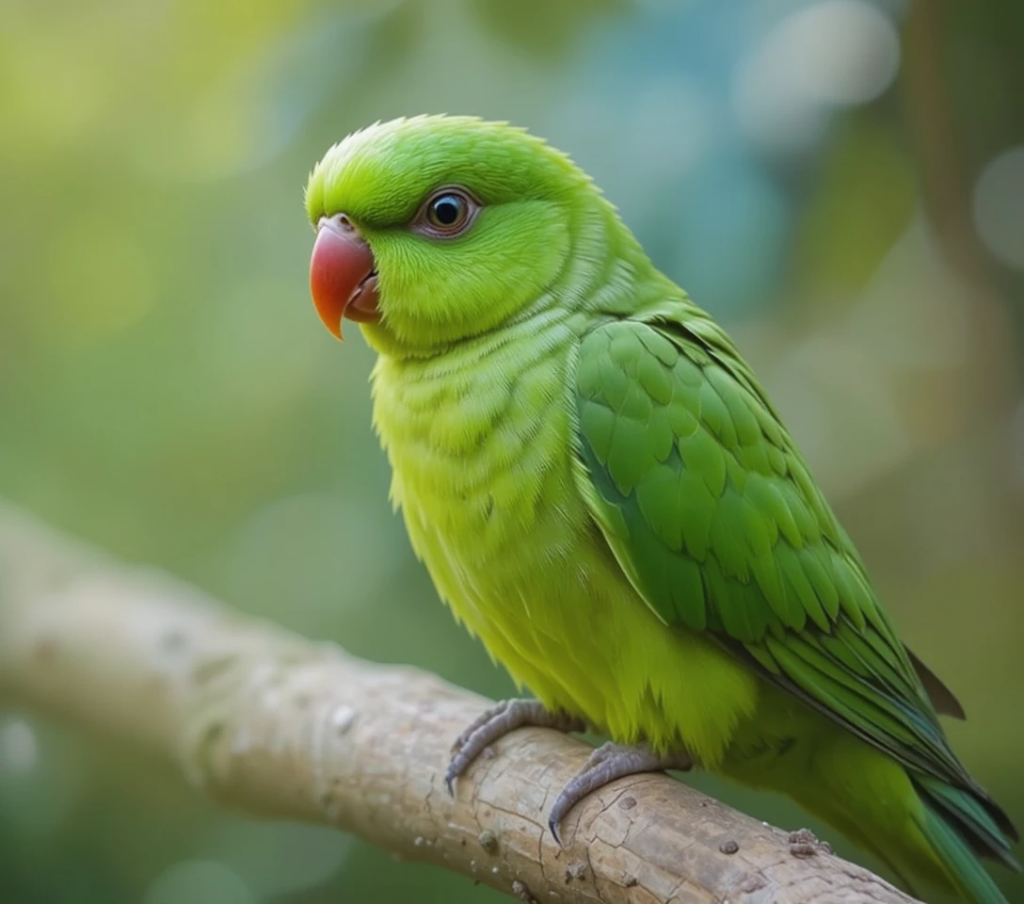
So, you’re thinking about getting a parakeet. Or maybe you already have a charming, chirpy little friend and you’re wondering, “Just how long is this party going to last?” It’s a smart question. You’re not just buying a decoration; you’re committing to a tiny, feathered roommate with a surprisingly complex life story.
The short, honest answer? It depends. The lifespan of a parakeet isn’t a single number, like a car’s warranty. It’s a range, and where your bird lands in that range has almost everything to do with you.
But let’s cut through the confusion. Most people asking this question are talking about the most common pet parakeet: the Budgerigar, or budgie. Those little, colorful birds you see everywhere? Those are budgies. For them, the typical lifespan in captivity is…
5 to 10 years.
Think of it like this: 5 years is a decent innings. 10 years is a fantastic, full life. With truly exceptional care, some budgies even hit the 12-15 year mark, becoming wise old feathered pensioners.
But—and this is a big but—that “5 to 10” isn’t guaranteed. It’s a potential. To understand it, you need to know what fights for and against your parakeet’s longevity.
The Short, Wild Life vs. The Long, Domestic Life
First, some perspective. In their native Australian outback, budgies live a thrilling, dangerous life. They face predators, drought, and disease. Their average lifespan in the wild is a stark 1 to 4 years. They’re built for speed and reproduction, not a long retirement.
Your home offers an escape from all that. No hawks, no food shortages, no brutal storms. In exchange for safety, your bird relies on you for everything. This is the captive parakeet lifespan bargain. You control the variables.
The Four Big Factors That Decide Your Parakeet’s Lifespan
- Diet: The #1 Game-Changer.
This is the biggest lever you can pull. A parakeet on a poor, all-seed diet is like a kid eating only french fries. It leads to fatty liver disease, obesity, and a shorter life. The key to extending your parakeet’s lifeis a balanced diet: a high-quality pellet base, fresh vegetables (think broccoli, kale, carrots), and a limited amount of seeds as treats. Good food is non-negotiable. - The Vet Factor.
Birds are masters of hiding illness. By the time they look sick, they’re often very sick. Finding an avian veterinarian(a bird specialist) for annual check-ups is like getting regular oil changes for your car. It prevents a small problem from becoming a catastrophic engine failure. This is a cornerstone of responsible parakeet care. - Space & Stimulation: Fight the Boredom.
A tiny cage with one perch and a mirror is a prison sentence. Parakeets are active, intelligent flock animals. They need a spacious cagefor flying, plenty of toys to destroy (foraging toys are brilliant), and daily out-of-cage time to explore safely. A bored, cramped bird is a stressed bird, and stress kills. - Friendship or Folly.
In the wild, they live in flocks of thousands. A solitary parakeet can become lonely and depressed. The best solution? Get two parakeets.They keep each other company. If you only have one, you must become its flock, dedicating hours each day to interaction. Social health is mental health for these little guys.
Wait, What About Other “Parakeets”?
Here’s where it gets fun. The word “parakeet” is a broad term for small to medium parrots with long tails. So, if you’re looking at other species, the numbers jump dramatically!
- Monk Parakeet (Quaker):20-30 years.
- Indian Ringneck Parakeet:25-30 years.
- Lineolated Parakeet:10-15 years.
See why the “budgie” answer is so specific? When asking about parakeet life expectancy, always double-check the actual species. You might be signing up for a decade or for a feathered companion who will outlive your mortgage.
Your Simple Checklist for a Long, Happy Chirp-Life
Want to maximize your odds of hitting that 10-year mark and beyond? Here’s your plan:
- Upgrade the Menu:Transition to pellets and veggies. Go easy on the fatty seeds.
- Go Big on the Real Estate:Buy the largest, widest cage your space and budget allow.
- Schedule the Check-Up:Find your local avian vet and book a wellness visit.
- Be the Entertainment:Rotate new toys frequently. Teach them tricks. Let them out to play (safely!).
- Consider a Buddy:Two parakeets are often happier, healthier, and less demanding on your time than one lonely bird.
The Final, Feathered Truth
So, what is the lifespan of a parakeet? For the common budgie, it’s a potential 5 to 10-year adventure that you get to steer. You are the architect of their environment, their chef, their doctor, and their flock.
It’s a fantastic, manageable commitment for a truly wonderful pet. By providing excellent care, you’re not just keeping a bird alive; you’re giving a lively, intelligent little creature its best possible life. And that’s a reward measured in more than just years—it’s measured in morning chirps, playful antics, and a unique friendship that’s surprisingly large for such a small package.
Just remember, you’re not buying a decoration. You’re hiring a tiny, colorful, and occasionally messy life coach who will remind you to enjoy the simple things… like millet sprays and a good head scratch.
Why Do Some Parakeets Live Longer Than Others? The Secrets to a Longer Chirp Life.
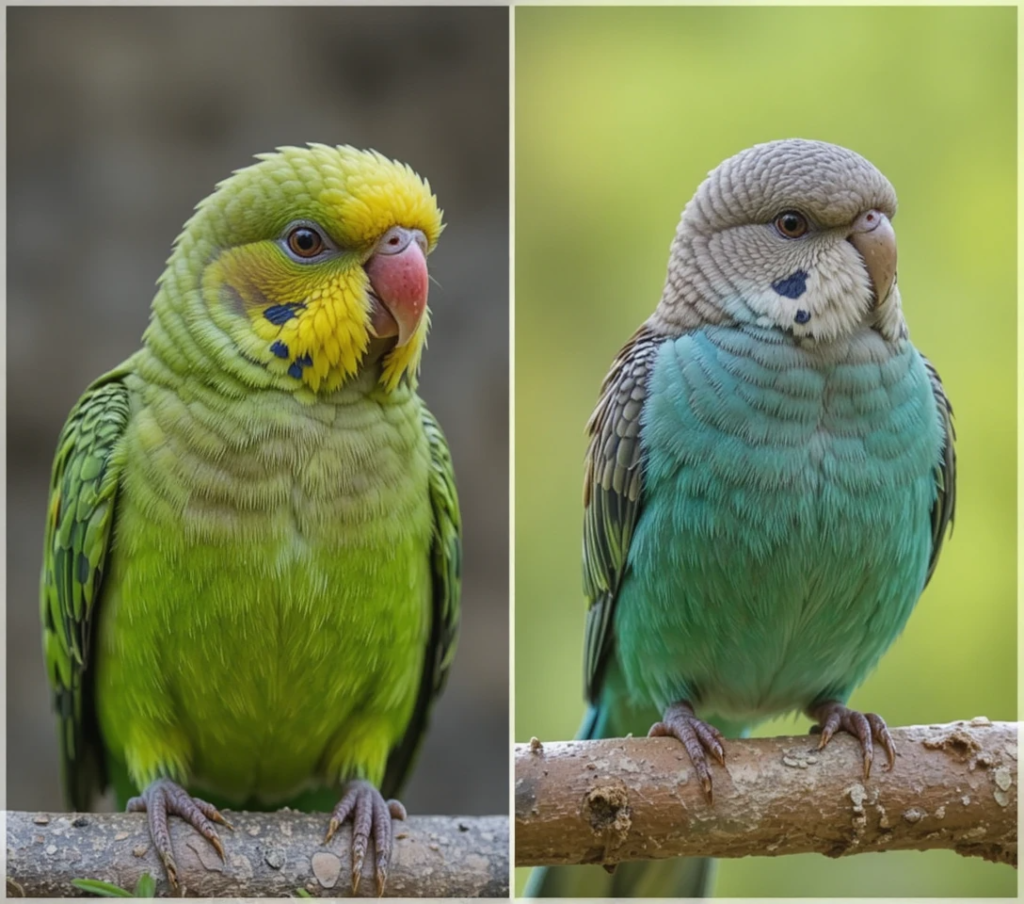
So, you’re in the market for a small, feathered friend. You’ve met the superstar—the chatty, hyper budgie. But then you hear whispers of another contender: the Lineolated Parakeet, or “Linnie.” They’re often called the “beginner’s best-kept secret.” But one big question flaps to the front: which one sticks around longer?
Turns out, this isn’t just a personality contest. It’s a timeline. And when it comes to pet bird lifespan, the quieter choice often has a longer road ahead. Let’s break it down, no birdseed required.
Meet the Feathered Candidates
First, a quick intro. These are two different species, not just different colors.
The Budgie (Budgerigar): The undisputed champion of pet birds. Small (about 7 inches), lightning-fast, and packed with enough energy to power a small town. They come in every color of the rainbow and have a chirp that says, “Look at me!” They’re the class clown.
The Lineolated Parakeet (Linnie): Slightly smaller and stockier than a budgie, with distinctive dark bars on their back (hence “lineolated”). They’re famous for their calm, sometimes comically clumsy demeanor. They prefer to shuffle along perches or even the floor rather than zoom overhead. Think of them as the calm, clever bookworm who’s surprisingly funny.
The Lifespan Showdown: Numbers Don’t Lie
Here’s where your long-term planning comes in. While both are considered long-term companions, one typically has the edge.
- Budgie Lifespan:With excellent, dedicated care, a budgie’s life expectancy is a solid 5 to 10 years. Hitting 12-15 is possible but represents exceptional, golden-years care.
- Lineolated Parakeet Lifespan:The Linnie pulls ahead here. Their typical lifespan in captivity is 10 to 15 years. It’s not uncommon for well-cared-for Linnies to celebrate their 15th hatchday.
Why the difference? It’s not just magic. Linnies generally have a robust constitution and are less prone to some of the fast-moving illnesses that can affect budgies. Their calmer metabolism might play a role, too. They’re built for a steady, long-haul life.
Life Expectancy Factors: It’s All in Your Hands
Those numbers are just averages. Where your bird lands depends almost entirely on you. Here are the big factors influencing parrot longevity for both species:
- Diet is Destiny:The #1 rule. An all-seed diet is a fast track to fatty liver disease and a short life. The veterans who live longest eat a balanced diet of pellets, fresh chop (veggies), and limited seeds. This is non-negotiable.
- Vet Care is Not Optional:Birds hide illness. An annual check-up with an avian veterinarian can catch problems early. This is the single best investment in your bird’s long-term health.
- Space & Enrichment:A cramped, boring cage is a prison sentence. Both birds need wide cages for horizontal movement (Linnies love to climb, budgies love to fly). Foraging toys, puzzle feeders, and safe wood to destroy are essential for mental health.
- Social Needs:They are flock animals! A lonely bird is a stressed bird. Linnies are often content with either a dedicated human flock (you) or a feathered friend. Budgies almost require a companion or hours of daily interaction. Social health equals longevity in pet birds.
Personality & Care: A Different Daily Vibe
Your lifestyle matters in this choice, too.
- Living with a Budgie:Get ready for constant, cheerful noise and high-energy antics. They are master mimickers and need lots of safe out-of-cage flight time. Their care is well-documented, making budgie husbandry easier to learn.
- Living with a Linnie:Expect a quieter, more cuddly companion. They often enjoy snuggling in pockets or under hair. Their flight is more direct and less frantic. However, they can be more prone to obesity due to their calm nature, so diet and exercise monitoring is key. They are also notorious for being cage territorial, which is a quirk to manage.
Side-by-Side Snapshot: Budgie vs Linnie
Consideration | Budgie | Lineolated Parakeet (Linnie) |
Average Lifespan | 5-10 years | 10-15 years |
Noise Level | Constant chatter & song | Quiet chirps, melodic whistles |
Energy Level | High (Olympic gymnast) | Low to Moderate (Couch potato climber) |
Key to Long Life | Flock companionship, flight space, superior diet | Weight management, mental stimulation, secure environment |
The Final Decision: Which Timeline Fits Your Life?
Choosing between a Linnie and a Budgie is about matching their timeline and temperament to yours.
Choose a Budgie if: You want a vibrant, energetic, and chatty introduction to bird ownership with a 5-10 year commitment. You’re ready for constant interaction and the cheerful soundtrack of a tiny, feathered rockstar.
Choose a Lineolated Parakeet if: You prefer a calm, affectionate, and quieter companion and are ready for a potentially longer 10-15 year journey. You’re drawn to a bird with a clownish personality but a laid-back speed.
In the end, both offer incredible friendship. One is a brilliant, dazzling firework of energy. The other is a warm, steady, and charming ember that glows for a long, long time. Your job is to decide which kind of light you want in your home for the next decade or more. Just remember, you’re not just getting a pet; you’re adopting a timeline of memories. Choose the one that makes you smile, and then commit to being the reason they live to their fullest, oldest, and happiest potential.
Indian Ringneck Parakeet Lifespan vs Budgie: The Roommate vs. The Heirloom
So, you’ve decided a parakeet is for you. Great choice! But then you dive down the rabbit hole (or should we say, the bird nest?) and discover there are types of parakeets. Two of the most popular are the classic Budgie and the elegant Indian Ringneck. They both talk, they’re both colorful, but here’s the kicker: their lifespans are on two completely different planets.
Choosing between them isn’t just about color preference; it’s about calendar math. One is a solid chapter in your life. The other could be a sequel that outlasts your car, your job, and maybe even your knees. Let’s get real about the lifespan difference between a Ringneck and a Budgie.
First, Meet Your Potential Feathered Friends
The Budgie (Budgerigar): This is your classic, pocket-sized dynamo. About 7 inches of non-stop energy, cheerful chatter, and acrobatic flair. They’re the enthusiastic, chatty neighbor who knows all the gossip and is always up for a party.
The Indian Ringneck Parakeet: Picture a sleek, long-tailed aristocrat. They’re larger (about 16 inches, most of it tail), with a striking black ring (on males) and an air of intelligent curiosity. They’re the witty, slightly dramatic friend with a clear, impressive vocabulary and strong opinions.
The Lifespan Numbers: A Story of Decades
This is where you need to sit down. The difference isn’t slight; it’s monumental.
- Budgie Lifespan:With truly excellent care, a budgie lives a good, full life of 5 to 10 years. Pushing 12-15 is the equivalent of a bird winning the genetic and care lottery.
- Indian Ringneck Parakeet Lifespan:Hold onto your hat. A well-cared-for Ringneck routinely lives 25 to 30 years. Thirty. Years. Many live into their mid-20s without breaking a sweat. This isn’t just a pet; it’s a lifelong companion parrot.
Let’s put that in perspective. If you get a Ringneck when you’re 30, it could be serenading you well into your retirement. That’s a commitment that spans from dial-up internet to whatever tech we’re using in 2050.
Why Such a Wild Difference in Life Expectancy?
It’s not just about being bigger. It’s biology and evolution.
Budgies are tiny, high-metabolism birds. They are more susceptible to rapid health issues and their small size simply makes them more fragile. Their average lifespan in captivity reflects a shorter, more intense life cycle.
Indian Ringnecks are built for the long haul. They are remarkably hardy birds with a slower, sturdier constitution. Their longevity as a pet species is legendary, assuming their significant needs are met. The trade-off for those extra decades? A much more complex parrot personality.
Care & Personality: The Daily Reality Check
A longer life means a deeper, and sometimes louder, relationship.
Life with a Budgie:
- Focus:Creating a safe, fun, flock-oriented environment for a decade.
- Noise:Constant, cheerful background chirping and chatter.
- Need:A friend (another budgie) or immense daily social interaction from you. Budgie pair bonding is key to their happiness.
- Vibe:Energetic, playful, and relatively straightforward in their needs.
Life with an Indian Ringneck:
- Focus:Managing a highly intelligent, sometimes stubborn, always vocal creature for a quarter-century or more.
- Noise:Loud, piercing contact calls and incredible, clear talking ability. They don’t just mimic; they announce.
- Need:Massive amounts of mental stimulation for parrots. Puzzles, training, foraging toys, and social interaction are non-negotiable to prevent boredom (which leads to screaming and feather-plucking).
- Vibe:Theatrical, clever, and capable of deep bonds, but with a teenage-like rebellious phase that can last two years (the dreaded “bluffing” stage).
The Side-by-Side Reality
Consideration | Budgie | Indian Ringneck Parakeet |
Average Lifespan | 5-10 years | 25-30 years |
Commitment Level | Significant, but manageable. | A core, lifelong family commitment. |
Talking Skill | Can learn words, often mushy. | Excellent, clear, conversational talkers. |
Key for Longevity | Flock life, excellent diet, safe flying space. | Mental engagement, strong social bonds, superior diet, and an owner’s unwavering patience. |
How to Help Either Bird Live Its Longest Life
No matter which you choose, the pillars of parrot care for longevity are the same, just on different timelines:
- Diet is King:For both, an all-seed diet is a death sentence. A pellet-based diet, packed with fresh vegetables and limited fruit, is the foundation of health.
- Avian Vet = Lifesaver:Find a specialist. Annual check-ups catch problems early. This is even more critical for a bird you hope to have for 30 years.
- Space & Enrichment:Buy the biggest cage you can. For a Ringneck, think “mansion,” not “apartment.” Both species need tons of toys they can destroy.
- Socialize or Sympathize:They need companionship—from you or a feathered friend. Loneliness shortens lives.
The Final Perch: Which Timeline is Yours?
This choice is profound.
Choose a Budgie if: You want a delightful, energetic introduction to birds with a 5-10 year commitment. Perfect for learning the ropes of parrot care without a multi-decade promise. It’s a deep, joyful, but finite friendship.
Choose an Indian Ringneck if: You are ready for a brilliant, talkative, and demanding life partner. You have the stability, patience, and dedication to provide advanced parrot care for what could be the next 30 years. You’re not just getting a pet; you’re adopting a feathered heirloom.
In the end, the budgie is like a brilliant college roommate—memorable and life-changing for a season. The Ringneck is like adopting a highly intelligent, talking toddler who never grows up and will likely be in your will. Choose not just with your heart, but with your future calendar wide, wide open.
How to Increase Your Parakeet's Lifespan:
So, you love your parakeet. That’s a given. You love the morning chirps, the head bobs, and the way they attack a millet spray like it owes them money. Naturally, you want this feathery little chaos agent around for as long as possible. How do you go from a typical lifespan to a legendary one?
Think of it this way: you’re not just a pet owner; you’re the CEO of your parakeet’s health and happiness. Your decisions are the biggest factor in whether you get a lovely 5-year chapter or an epic 10-15 year saga. Here’s your simple, no-fluff playbook for extending your parakeet’s life.
1. Ditch the Junk Food: The Diet Revolution
This is the single most powerful thing you can do. An all-seed diet is like feeding your bird a constant diet of fast-food fries and cake. It’s delicious but leads to fatty liver disease, obesity, and a shortened lifespan.
The Lifespan-Upgrade Menu:
- Pellets are the Main Course:Think of these as the balanced, nutritious staple. A high-quality pelleted diet should make up about 60-70% of their food. It’s formulated to prevent deficiencies.
- Veggies are the Superstars:This is where you shine. Offer a daily chop of fresh vegetables: broccoli, kale, bell peppers, carrots, spinach. This isn’t a garnish; it’s essential medicine.
- Seeds are the Treats:Limit seeds to 10-20% of their diet. Use them for training and bonding. They’re the birdie equivalent of a cookie, not the whole meal.
Changing a picky eater takes patience, but this one shift is your #1 key to parrot longevity.
2. Think Like a Real Estate Agent: Cage Size & Environment
A cramped cage is a sad gym. Your parakeet is an athlete built for flying horizontally.
- Go Wide, Not Just Tall:Invest in the largest, widest cage your space and budget allow. They need room for at least a few full wingbeats. More space means more exercise and less stress.
- Safety-Proof the “Outback”:When they’re out for supervised play, ensure the room is a safe environment for flight. Close windows and toilets, cover mirrors, turn off ceiling fans, and keep other pets away. No non-stick cookware fumes—they’re deadly to birds.
- Location, Location, Location:Place the cage in a socially active part of your home, but not in direct sunlight or a drafty hallway. They’re flock animals; they want to be near the action, just not in the line of fire.
3. Be a Social Director, Not a Warden
In the wild, your parakeet would be surrounded by hundreds of friends. Loneliness and boredom are silent killers.
- The Friend Question:Seriously consider getting a second parakeet. Companionship for parakeets is natural and reduces stress immensely. They preen, play, and chatter all day.
- If Going Solo, YOU Are the Flock:You must commit to significant, daily, out-of-cage interaction. Talk to them, teach them tricks, let them perch on you. A solo bird left alone in silence is a heartbreak waiting to happen.
- Fight Birdie Boredom:Rotate new toys into their cage every week. Foraging toys are brilliant—they make your bird work for their food, stimulating their brain just like in the wild.
4. Don’t Play Doctor: Find an Avian Vet
This is non-negotiable. Parakeets are masters at hiding illness. By the time they look sick, they’re often critically ill.
- Find a Specialist:Don’t just go to any vet. Find a certified avian veterinarian. They have the right tools and knowledge.
- Schedule Wellness, Not Just Emergencies:Book a “well-bird” check-up at least once a year. This preventative care can catch tiny issues (like a subtle weight loss or a minor infection) before they become tragedies. It’s the best insurance you can buy.
5. The Little Things That Make a Big Difference
- Cleanliness is Next to Birdliness:Clean their food and water dishes daily. Do a deep cage clean weekly. A dirty cage breeds bacteria and fungus.
- Sleep Matters:Parakeets need 10-12 hours of solid, dark, quiet sleep. Use a cage cover or put them in a dark room. A well-rested bird is a healthy bird.
- Watch for Changes:You are the expert on your bird. Notice changes in droppings, eating habits, feathers, or energy level. When in doubt, call the vet. Early detection of illness saves lives.
Your Parakeet Longevity Checklist:
- Transitioning to a pellet & veggie diet.
- Upgraded to the biggest cage I can manage.
- Bird-proofed the playroom.
- Researched and located an avian vet.
- Bought new foraging toys.
- Decided on a companion or blocked daily playtime in my calendar.
- Got a cage cover for proper sleep.
Increasing your parakeet’s lifespan isn’t about one magic trick. It’s about stacking the odds in their favor every single day with smart, consistent care. You’re building a habitat for a long, joyful life—one filled with good food, great company, and plenty of things to shred.
It’s a commitment, sure. But the payoff is more years of that hilarious, feathered personality lighting up your home. In the end, you’re not just adding years to their life; you’re adding life to their years. And that’s a legacy of chirps worth having.
20 FAQs on Parakeet Lifespan: Your Questions, Answered Simply
Here are the most common questions about how long these feathery friends stick around, answered without the fluff (well, maybe a little bird-related fluff).
- What is the average lifespan of a pet parakeet?
For the common budgie parakeet, think 5 to 10 years. With superstar care, some hit 12-15. It’s a good, solid commitment, longer than a hamster but shorter than a parrot that might attend your retirement party. - Is a “parakeet” and a “budgie” the same thing?
Yes and no. All budgies are parakeets, but not all parakeets are budgies. “Parakeet” is the big category; “budgie” is the most common type. When people quote the 5-10 year lifespan, they’re talking about budgies. - What’s the #1 thing I can do to help my parakeet live longer?
Fix their diet. Ditch the all-seed menu. Switch to a pellet-based dietwith plenty of fresh veggies. It’s the difference between feeding them birdie junk food and a balanced, life-extending meal plan. - Do parakeets live longer in pairs?
Usually, yes! They are flock animals. A companion parakeetprevents loneliness and stress, which are big enemies of a long life. Two birds can entertain each other for hours. - How often should my parakeet see a vet?
At least once a year for a check-up with an avian veterinarian(a bird specialist). Birds hide illness incredibly well. A yearly “well-bird” visit is your best early detection system. - What’s the biggest threat to a pet parakeet’s lifespan?
Sadly, it’s often owner-related: a poor diet, a tiny cage, no vet care, or loneliness. We control their whole world, so their longevity in captivityis largely in our hands. - How long do parakeets live in the wild?
A much tougher life. In their native Australia, budgies often live only 1 to 4 yearsdue to predators, drought, and disease. Your home is their safe haven. - Does a bigger cage really help them live longer?
Absolutely. A spacious flight cageallows for exercise, preventing obesity and boredom. Think of it as their personal gym and mental health retreat rolled into one. - My parakeet is 7. Is it old?
It’s getting there! That’s a respectable senior parakeetage. At this stage, consistent vet care and a comfortable environment become even more crucial. - What are signs my parakeet might be getting old or sick?
Lethargy, fluffed-up feathers for long periods, changes in droppings, sleeping a lot, or losing weight. Any sudden change is a cue to call the avian vet. - Do different types of parakeets live longer?
Yes, and this is critical! A common budgie lives 5-10 years. But a Monk Parakeet (Quaker)lives 20-30 years, and an Indian Ringnecklives 25-30. Always know your species! - Can a parakeet live 20 years?
A common budgie? It’s the record-breaking exception, not the rule. Other parakeet species like Ringnecks, however, hit 20 easily. - How does diet specifically affect lifespan?
An all-seed diet is high in fat and deficient in vitamins. It leads to fatty liver diseaseand tumors. A varied diet with pellets and produce prevents these common killers. - Is it cruel to have just one parakeet?
It can be if you’re not its flock. A solo bird needs hoursof daily interaction from you. If you work long hours, a parakeet companionis the kinder choice for their mental health. - What common household things can shorten a parakeet’s life?
Non-stick cookware fumes (deadly), aerosol sprays, cigarette smoke, open toilets, uncovered windows, and other pets like cats. Bird-proofing your homeis a must. - Does talking or whistling mean my parakeet is happy and healthy?
Often, yes! Vocalization is a great sign. A sudden, prolonged quiet can be a red flag. Keep them chattering with interaction and fun foraging toys. - How important is sleep for their lifespan?
Hugely important. They need 10-12 hours of solid, dark, quiet sleep nightly. A proper sleep schedule for parakeetssupports their immune system. Get a cage cover! - Can a parakeet die of loneliness?
Indirectly, yes. Chronic loneliness and boredom cause severe stress, which weakens their immune system and can lead to illness and a shortened life. - What’s the “oldest parakeet” on record?
The record for a budgie is held by a bird named Charlie, reported to have lived to the ripe old age of 29. This is an extraordinary outlier, but it shows what’s possible with incredible genetics and care. - I’m scared of outliving my parakeet. What should I get?
If you want a longer-lived small bird, consider species like a cockatiel (15-25 years)or a dove (10-20 years). But remember, with any pet, the joy is in the journey, however long it is. Give your parakeet a fantastic life, and you’ll have no regrets.