How Often to Clean a Parakeet Cage
Let’s be honest. Your parakeet is a tiny, feathered superstar. They sing, they talk, they look adorable. But behind that glamorous facade lies a secret: they are total mess machines. Seriously, for such a small creature, the ability to produce that much… debris… is honestly impressive.
Which brings us to the age-old question every budgie owner eventually whispers to the heavens: “How often do I really need to clean this thing?”
Fear not, weary custodian of a tiny dinosaur! This guide will break it down without the confusing jargon. We’ll cover everything from a daily once-over to the big, scary deep clean.
The Golden Rule of Parakeet Cage Cleaning
Think of it like this: you wouldn’t want to eat your dinner in your bathroom, right? Your parakeet feels the same way about a dirty cage. A clean home is crucial for parakeet health and keeps your bird chirping happily.
So, here’s the simple schedule to live by.
The Daily Tidy-Up (The “5-Minute Fling”)
This is non-negotiable, but it’s also super quick. Think of it as making your bed, but for your bird.
- The “Floor Show”:Your mission is the cage bottom. Those little droppings add up fast! Every day, you need to scoop or roll up the soiled cage liner. Using plain newspaper or brown butcher paper makes this a breeze – just wrap it up and toss it. This is the #1 way to control odour and bacteria.
- Food and Water Fiasco:Empty, rinse, and refill their food and water dishes. You’d be surprised how quickly a bit of leftover spinach or a stray feather can turn their water into a science experiment. Fresh food and water daily is a non-negotiable for keeping your budgie healthy.
Funny Line: This daily chore is basically you being a bouncer for your bird’s club, evicting the questionable leftovers and mopping up the… evidence of a good time.
The Weekly Wow-Down (The “Weekend Warrior”)
Once a week, it’s time to roll up your sleeves for a more thorough job. This is where you tackle the grime that the daily fling misses.
- Everything Out!Remove all parakeet toys, perches, and dishes.
- Scrub-a-Dub:While the toys and perches soak in warm, soapy water (use a mild, bird-safe dish soap), wipe down the entire cage – bars, bottom, and all – with a 50/50 mix of white vinegar and water. It’s a safe cleaner for bird cages and cuts through mess like a champ.
- The Great Un-stick:This is your chance to scrub off any… cemented droppings from perches and cage corners. A little vinegar and a dedicated scrub brush will be your best friend.
This weekly routine is the backbone of good budgie cage maintenance.
The Monthly Masterclean (The “Spring Cleaning”)
Once a month, you need to go full superhero mode. This is the deep cleaning session that ensures every nook and cranny is sanitized.
- Full Disassembly:If your cage comes apart, take it apart!
- Disinfect:After your usual scrub-down with vinegar, you can use a bird-safe disinfectant or a very diluted bleach solution (follow instructions carefully!). The most important step here? RINSING. Rinse everything a million times until you can’t smell a hint of cleaner. Then let it all air dry completely.
- Toy TLC:Inspect all toys and perches for wear and tear. Toss anything that’s broken or frayed. A clean parakeet environment includes safe accessories!
Funny Line: The monthly clean is when you discover the secret seed stashes your bird has been hoarding. Consider it a treasure hunt, but the treasure is slightly soggy millet.
The Nose Knows: Your Secret Weapon
Still unsure if it’s time for a clean? Use the built-in sensor nature gave you: your nose. If you walk by the cage and get a whiff of anything other than, well, nothing, it’s time for a clean. A clean cage shouldn’t have a smell.
Sticking to this simple schedule of daily, weekly, and monthly cleaning will make the job feel less daunting. Your parakeet will reward you with better health, more energy, and maybe even a grateful chirp (or at least, they’ll stop judging you for your slow service).
Now go forth and conquer the mess! Your feathered overlord will thank you for it.
What to Use to Clean a Parakeet Cage
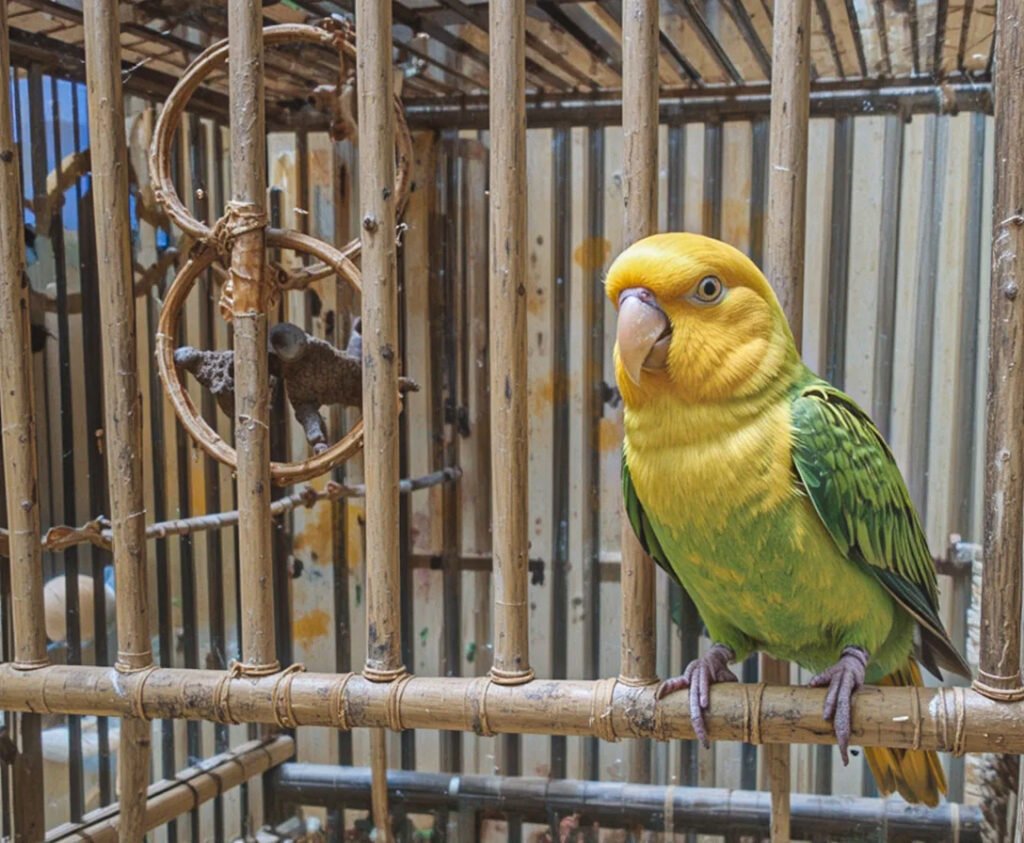
Let’s paint a picture. You’re staring at your parakeet’s cage. There’s a bit of dried spinach on the bars, a suspicious smudge on the perch, and you’re pretty sure that’s not a raisin in the corner. Your first thought might be to grab the strongest cleaner under the sink. Stop right there!
Using harsh chemicals around your bird is like using a flamethrower to light a candle—overkill and very, very dangerous. A parakeet’s respiratory system is incredibly sensitive. So, what on earth can you use?
Don’t worry. Cleaning your feathered friend’s home can be safe, easy, and surprisingly cheap. Let’s break down the heroes of safe bird cage cleaning.
The Superstar: Diluted White Vinegar
If I could only recommend one thing for how to clean a parakeet cage, it would be this. White vinegar is the undisputed champion of the bird world.
- Why it’s great:It’s a natural disinfectant and deodorizer that cuts through dried droppings and grime like a champ. It’s non-toxic, cheap, and you probably already have a bottle in your kitchen.
- How to use it:Mix equal parts white vinegar and water in a spray bottle. Spray it on the empty cage, let it sit for 10-15 minutes to work its magic on the stubborn parakeet poop, and then scrub with a dedicated cage brush or cloth. Rinse thoroughly with clean water.
Funny Line: Think of vinegar as your bird’s cage’s personal trainer—it’s tough on grime but leaves everything feeling fresh and revitalized, without any toxic sweat.
The Deep Clean Backup: Diluted Bleach (Use with Caution!)
Sometimes, you need something stronger, especially during a monthly deep cleaning or if a bird has been sick. Bleach can be used, but you must be incredibly careful.
- Why it’s great:It’s a powerful disinfectant that kills nasty germs.
- How to use it:The key word is diluted. A common recommendation is one-part bleach to ten-parts water. Scrub the cage with this solution, but then—and this is the most important step—you must rinse, rinse, and rinse again! Follow it with a clean water wipe-down until you cannot smell a single hint of bleach. Let the cage air dry completely in the sun, if possible.
Important Note: Never use bleach while your bird is in or near the cage. The fumes are deadly.
The Commercial Crew: Bird-Safe Cleaners
If you’re not into DIY mixes, several companies make fantastic bird safe disinfectants. Look for brands like Poop-Off or Nature’s Miracle at your local pet store.
- Why they’re great:They are specifically formulated to be non-toxic for birds while effectively breaking down waste. They often come in convenient spray bottles.
- How to use them:Always, always follow the instructions on the label. Even “safe” products need to be used correctly.
The Cleaning Toolkit: Your Arsenal Against Grime
Having the right tools makes budgie cage maintenance a breeze. Here’s your shopping list:
- A Dedicated Spray Bottle:Label it clearly so no one mistakes your vinegar solution for a glass cleaner.
- A Set of Scrub Brushes:Get a few different sizes. A small brush is perfect for cleaning parakeet toys and those tricky corners where gunk loves to hide.
- Microfiber Cloths or Paper Towels:For wiping everything down.
- A Scraper or Old Credit Card:For tackling those really stubborn parakeet poop deposits that have decided to become a permanent part of the cage floor.
Funny Line: Assembling this kit is like gearing up for a secret mission. Your mission, should you choose to accept it: to liberate the seed dish from the clutches of dried-on gunk.
The “What NOT to Use” Hall of Shame
This is just as important as knowing what to use. Please, for the love of your bird, avoid these:
- Anything Scented:Air fresheners, perfumed cleaners, and essential oils can be toxic.
- Harsh Chemicals:Ammonia, oven cleaners, and all-purpose cleaners with strong fumes are a big no-no.
- Soaps and Detergents:While a tiny drop of mild, unscented dish soap can be used for very greasy items, it must be rinsed obsessively. Residual soap can make your bird sick. Vinegar is a much safer bet.
Keeping your parakeet’s cage clean doesn’t have to be a scary chore. By sticking to these simple, safe solutions, you’ll create a healthy parakeet environment where your little friend can thrive, sing, and blissfully make more messes for you to clean up tomorrow.
How to Clean Parakeet Poop off Cage & Perches
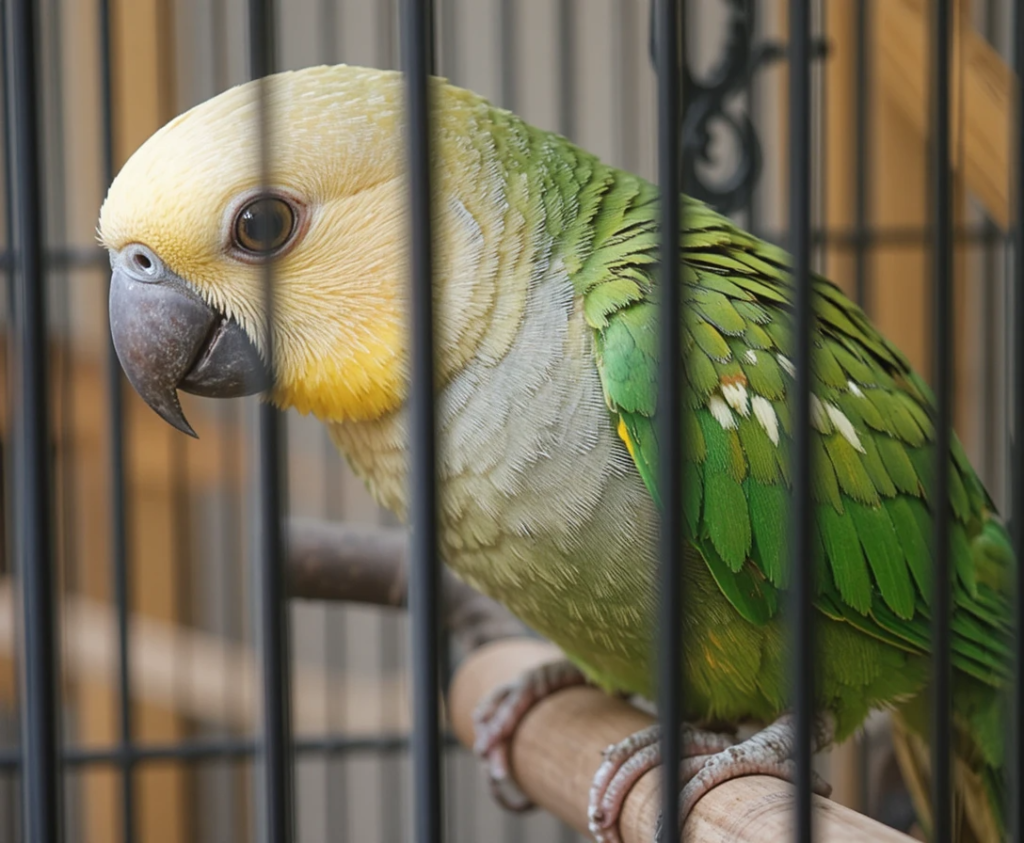
Let’s be real. Owning a parakeet is a joy… until you confront the artistic (and surprisingly cement-like) splatters they leave on their cage and perches. That tiny, cute bird is a poop machine. It’s their job, and they are very good at it.
But fear not! Dealing with this less-glamorous part of parakeet care doesn’t have to be a nightmare. With a few simple tricks, you can win the war against dried-on droppings and keep your bird’s kingdom sparkling.
Step 1: The Pre-Soak (Your Secret Weapon)
Trying to scrub rock-hard poop is a battle you will lose. It’s like trying to chisel granite with a feather. The golden rule of cleaning parakeet poop is simple: soften it first.
For removable items like perches and toys, take them out and let them soak in a sink or basin of warm water. For the cage bars and fixed parts, your best friend is a simple spray bottle.
The Magic Potion: A 50/50 mix of white vinegar and water is the ultimate safe cleaner for bird cages. Vinegar is a natural disinfectant that breaks down those stubborn deposits without any toxic fumes.
Funny Line: Think of this pre-soak as a spa day for your bird’s furniture. You’re just softening things up before the main event.
Step 2: The Scrub-Down (Choosing Your Tool)
Once the droppings have softened for 5-10 minutes, it’s time for action. The right tool depends on the battlefield:
- For Cages & Flat Surfaces:A dedicated cage cleaning brush with sturdy bristles is perfect. An old toothbrush is a fantastic substitute for getting into nooks and crannies.
- For Rough Wood Perches:This is where the real challenge lies. For cleaning parakeet perches made of natural wood, you might need to bring in the big guns. A poop scraper or even a piece of pumice stone can work wonders to scrape off the residue without damaging the wood.
The key here is to have tools you use only for the cage. You don’t want to be scrubbing your dishes with the same brush that just evicted yesterday’s dinner.
Step 3: The Rinse & Dry (Don’t Skip This!)
This might be the most important step for your parakeet’s health. After you’ve scrubbed everything clean with your vinegar solution, you must rinse it all off with clean water.
Any leftover cleaning solution, even a natural one like vinegar, can irritate your bird’s sensitive feet and respiratory system. Rinse until you’re sure all the vinegar smell is gone.
Then, let everything air dry completely. A dry cage is a healthy cage, as moisture can lead to bacteria and mold.
Funny Line: This is the “final inspection.” If you wouldn’t want to eat your lunch off that surface, your parakeet probably doesn’t want to either. Give it one last rinse!
What About Poop on Toys?
The process for cleaning parakeet toys is exactly the same! Soak, scrub with your vinegar solution, rinse, and dry. Always check toys for frayed ropes or broken parts after cleaning. A clean toy isn’t much good if it’s also a dangerous toy.
The “What NOT to Do” List
- Don’t Use Harsh Chemicals:Bleach, ammonia, or generic household cleaners release fumes that can be fatal to birds. Stick to vinegar or bird-safe commercial products.
- Don’t Just Paint Over It:You’d be surprised how many people wonder if they can just scrape the top layer off a perch. Your bird will know. And they will judge you.
Keeping up with this routine as part of your budgie cage maintenance makes each cleaning session much faster. A quick daily spot-clean and a weekly deep soak will prevent poop from becoming a permanent part of your home’s decor.
Now go forth, armed with your spray bottle and scrub brush, and reclaim that cage! Your parakeet will appreciate the five-star hotel treatment, even if they never say thank you.
How to Clean Parakeet Toys & Perches
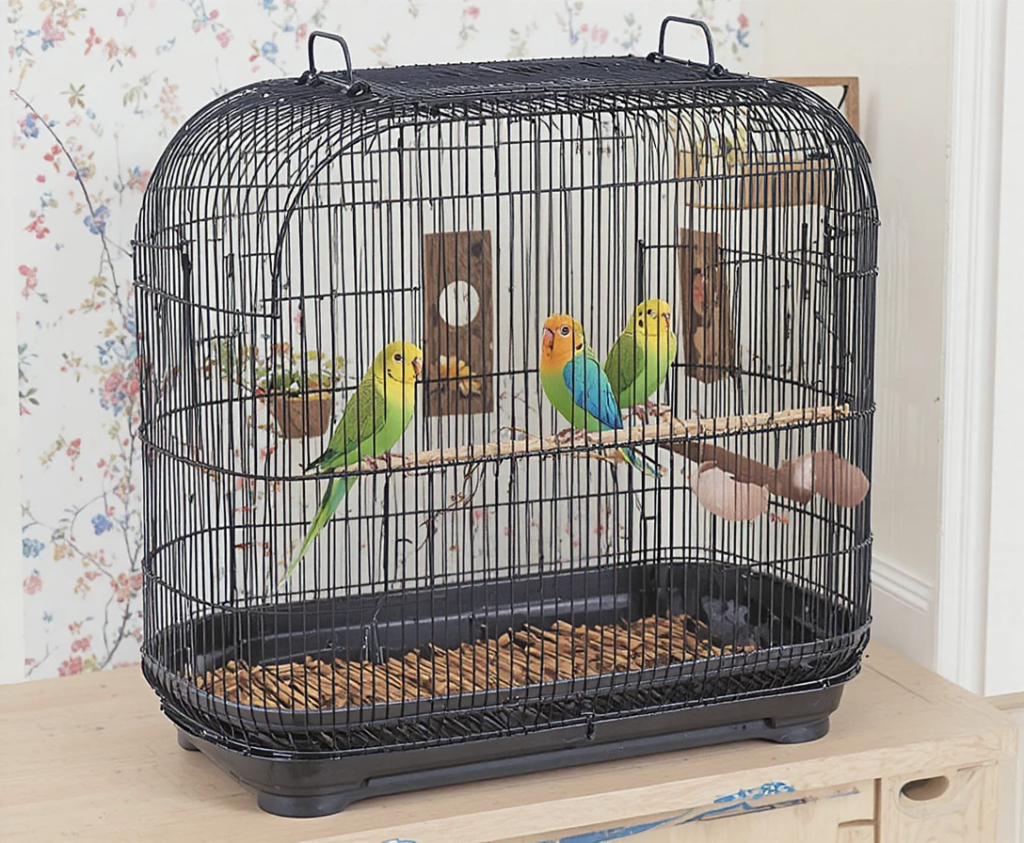
Let’s be honest. Your parakeet’s toys and perches have seen things. They’ve been chewed, climbed, and let’s not mince words—they’ve been pooped on from every possible angle. What was once a vibrant, colorful playground can start to look a little… well-loved.
But cleaning this stuff is a crucial part of parakeet care. It’s not just about looks; it’s about your bird’s health. The good news? It’s one of the easiest jobs in your budgie cage maintenance routine. Let’s dive in.
The “Why”: More Than Just a Pretty Rattle
Think of it this way: your bird stands on those perches all day. They chew those toys with their beaks. A dirty perch is like walking around in muddy boots all the time, and a grimy toy is like chewing on a lollipop that’s been dropped on the floor.
Regular cleaning prevents the buildup of bacteria and mold, which is a cornerstone of a healthy parakeet environment. It’s simple: clean accessories mean a happier, healthier bird.
Your Cleaning Arsenal: The Dream Team
You don’t need fancy chemicals. In fact, please avoid them! Here’s your shopping list for safe bird toy cleaning:
- White Vinegar:The undisputed MVP of natural cleaning. It disinfects, deodorizes, and cuts through gunk.
- A Sink or Basin:Your main battlefield.
- A Scrub Brush & Old Toothbrush:For getting into all those nooks, crannies, and chew-marks.
- Mild, Unscented Dish Soap:Only for the really tough, greasy jobs.
- Clean Water for Rinsing:The most important ingredient!
Funny Line: Assembling these tools is like gearing up for a secret mission. Your target: the mysterious green gunk that’s taken up residence in the bell.
The Step-by-Step Cleaning Process
Follow these steps for how to clean bird perches and toys effectively and safely.
Step 1: The Pre-Soak (The “Spa Treatment”)
Fill your sink with warm water and a good glug of white vinegar (a 1:1 ratio is perfect). Take all the toys and perches out of the cage and let them soak for 15-20 minutes. This will loosen all the dried-on food and, ahem, “other stuff.”
Step 2: The Scrub-Down (Elbow Grease Time)
After the soak, take your brushes and get to work. The toothbrush is perfect for scrubbing cleaning rough wood perches and getting into the intricate parts of toys. For plastic and acrylic toys, the bigger brush will make quick work of the mess.
If something is really stubborn (like dried fruit or seed residue), a tiny drop of unscented dish soap on your brush can help. But vinegar should handle 95% of the job.
Step 3: The Million-Dollar Rinse
This is the step you cannot skip. Soap or vinegar residue can make your bird sick. You must rinse every single item under clean, running water until you are 100% sure there is no cleaner left. Shake the water out of bells and rattles. Feel the surfaces. If it’s not slick or smelly, you’re good.
Funny Line: Rinse until you’re convinced you’ve single-handedly raised the local water table. Your bird will thank you for it.
Step 4: The Dry-Up (Patience is a Virtue)
Now, let everything air dry completely. I mean bone dry. Dampness is a breeding ground for mold, which defeats the whole purpose. Placing them on a clean towel in the sun is a great way to speed up the process and let nature help with disinfection.
A Quick Word on Wood and Rope
- Wooden Perches & Toys:The soaking process is fine, but you’ll want to ensure they dry thoroughly to prevent rotting. Scrubbing with a pumice stone can help remove stubborn layers of poop.
- Rope Toys:These can be trickier. Give them a good soak and scrub, but wring them out thoroughly and ensure they are completely dry before returning them to the cage. If they start to look frayed or smell funky, it’s better to replace them.
Making this a part of your weekly budgie cage maintenance routine will keep your bird’s playground safe and sanitary. It’s a small task that makes a huge difference in your parakeet’s world. Now, go on and give those toys the makeover they deserve
How to Clean a Bird Cage (General Term)
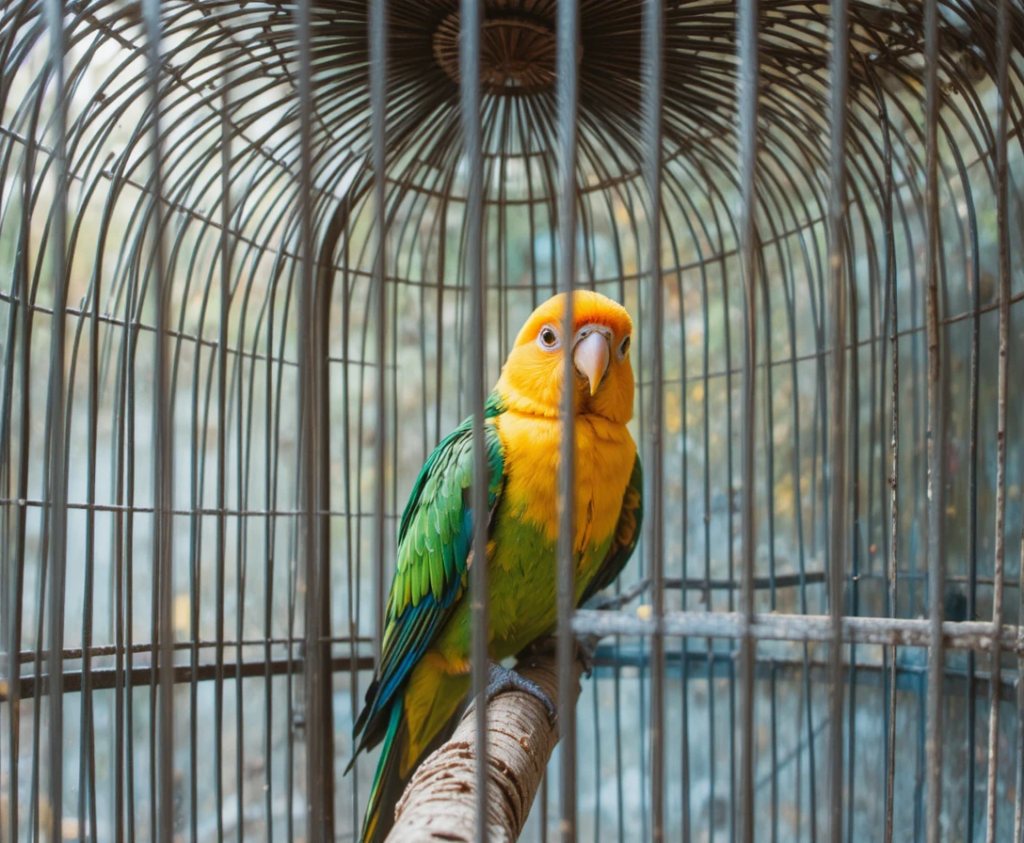
Let’s talk about something every bird owner faces: the cage clean. It’s not the most glamorous job. In fact, it can feel a bit like you’ve become the janitor for a tiny, feathered CEO who is never pleased with your work.
But here’s the secret: keeping a clean cage isn’t just about making it look pretty. It’s the absolute foundation of bird cage care and your number one job for keeping your bird healthy and chirpy.
The good news? It doesn’t have to be a huge ordeal. With a simple routine, you can master the art of how to clean a bird cage quickly and effectively.
First Things First: Gather Your Supplies
Before you start, get your gear ready. This is your cleaning toolkit. You’ll need:
- A dedicated spray bottle
- White vinegar
- A stack of old newspapers or paper cage liners
- A scrub brush and an old toothbrush for details
- A trash bag
- A clean towel
See? No fancy chemicals needed. In fact, please leave those under the sink! Harsh cleaners are a big no-no for safe bird cage cleaning.
The Step-by-Step “Operation Clean Cage”
Step 1: The Evacuation
First, you need to move the VIP (Very Important Parrot) to a safe spot. This could be a small play gym, a secure room, or even another clean cage. Never, ever clean around your bird. The fumes and stress are bad for their sensitive respiratory systems and their peace of mind.
Funny Line: This is the birdie equivalent of us waiting in the hotel lobby while housekeeping does their thing. Nobody wants to be scrubbed around.
Step 2: The Strip-Down
Take everything out. And I mean everything! Remove all bird cage perches, toys, food and water dishes. This is your chance to see the full scope of the mission. You’ll often find a secret stash of seeds your bird was saving for a rainy day.
Step 3: The Scrape and Dump
Remove the old, soiled cage liner (newspaper or paper) and toss it in the trash. This is the quickest way to remove the bulk of the mess. If your cage has a grates or a tray at the bottom, give it a good scrape or wipe.
Step 4: The Scrub-a-Dub
Now for the main event. Mix a 50/50 solution of white vinegar and water in your spray bottle. This is the ultimate safe cleaner for bird cages. It’s a natural disinfectant that cuts through grime without toxic fumes.
Spray down the entire cage—every bar, corner, and nook. Let it sit for a few minutes to loosen any stubborn… artwork. Then, take your scrub brush and get to work. Use the toothbrush for those tricky corners and detailed areas.
Step 5: The accessory TLC
While the cage is soaking, wash all the toys and dishes in warm, soapy water (use a mild, unscented soap). Rinse them a thousand times. Seriously, rinse until you’re sure all soap is gone. This is a key part of cleaning bird toys and perches.
Funny Line: This is where you discover that the toy you paid good money for is now just a slobbered-on piece of wood. But a clean piece of wood!
Step 6: The Grand Finale: Rinse and Dry
This is the most important step. Rinse the entire cage with clean water to wash away all the vinegar and dissolved gunk. Any leftover residue can irritate your bird. Wipe it down with a clean towel and let it air dry completely. A damp cage is a breeding ground for bacteria.
Step 7: The Re-Grand Opening
Once everything is bone dry, put in a fresh cage liner, and return all the clean perches and toys. You can even rearrange them to give your bird a “new” environment to explore! Then, happily return your feathered friend to their sparkling clean palace.
Making this a weekly routine is the best birdcage maintenance you can do. It keeps your bird healthy, your home smelling fresh, and your tiny CEO… well, probably still critical of your seed-serving speed. But a clean cage is one less thing for them to complain about
Safe Cleaners for Bird Cages
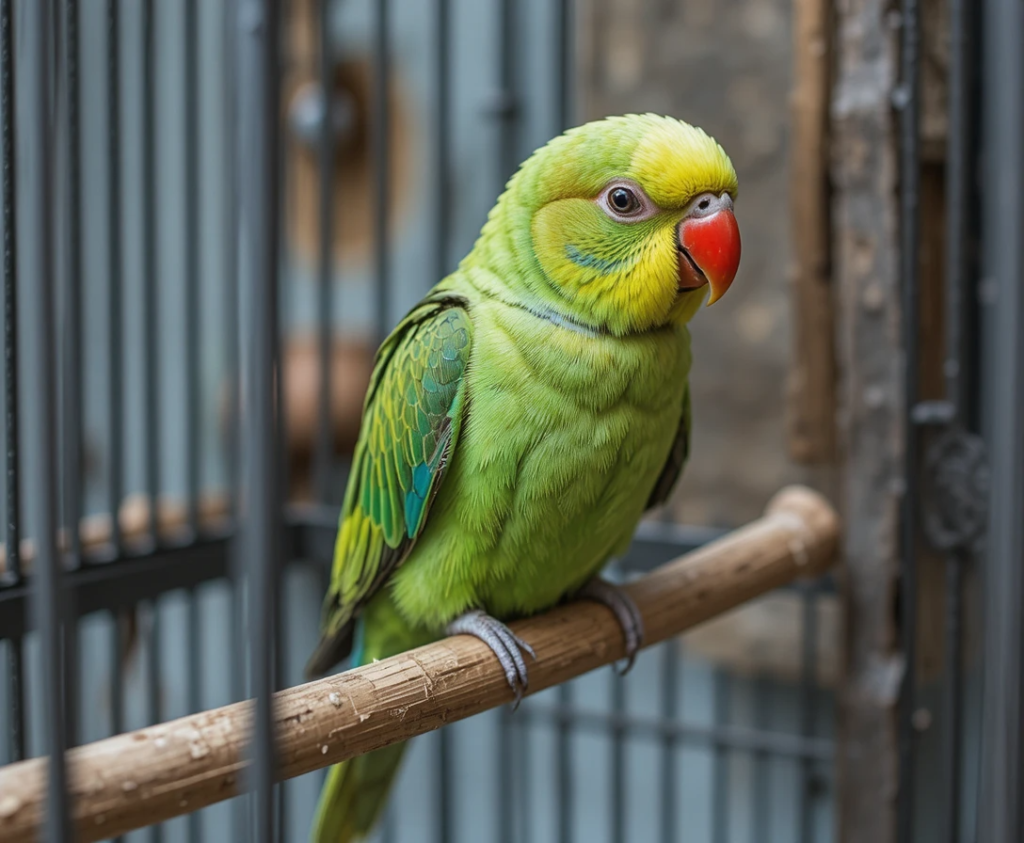
Let’s get straight to the point: your bird’s lungs are incredible, but also incredibly delicate. They’re like tiny, high-performance engines that can be ruined by the wrong fuel. And that “fresh linen” or “citrus blast” scent from your household cleaner? That’s the equivalent of pouring sugar into a gas tank.
Using the wrong cleaner is one of the biggest mistakes in bird cage care. But don’t worry, keeping your feathered friend’s home sanitized doesn’t require a chemistry degree. It’s all about going back to simple, non-toxic bird cage cleaners.
The Superstar: Diluted White Vinegar
If you remember only one thing from this article, let it be this: white vinegar is your new best friend. It’s the undisputed champion of safe bird cage cleaning.
- Why it’s a Rockstar:It’s a natural disinfectant and deodorizer. It cuts through dried droppings and grime without any harmful fumes. It’s cheap, readily available, and you can even use it on your own salads (though maybe not from the same bottle).
- How to Use It:Mix equal parts white vinegar and water in a spray bottle. That’s it! You now have the ultimate homemade bird cage cleaner. Spray, let it sit for 5-10 minutes to break down the mess, scrub, and rinse thoroughly.
Funny Line: Think of vinegar as the cage’s personal trainer—it’s tough on grime but leaves everything feeling fresh and revitalized, without any toxic sweat.
The Deep Clean Backup: Diluted Bleach (Handle with Care!)
Sometimes, you need the big guns. Maybe you’re doing a monthly deep clean, or you’re introducing a new cage. In these cases, a diluted bleach solution can be used, but you must follow the rules like a hawk.
- Why it’s Useful:It’s a powerful disinfectant for killing stubborn germs.
- How to Use It SAFELY:The key is dilution. A common and safe ratio is one part bleach to ten parts water. This is crucial. After scrubbing, you must rinse every surface with clean water. Then rinse again. And then once more for good luck. Let the cage air dry completely in a well-ventilated area until you cannot smell a single hint of bleach.
Important Warning: Never use bleach while your bird is in the same room. The fumes are deadly. This is a last-resort, outdoor-or-garage kind of clean.
The Store-Bought Squad: Bird-Safe Disinfectants
Not into mixing your own potions? No problem! The pet industry has you covered. Look for brands like Poop-Off, Nature’s Miracle, or similar bird safe disinfectants.
- Why They’re Great:They are specifically formulated to be effective yet safe for birds when used as directed.
- How to Use Them:Read the label! Even these “safe” products need to be used correctly, which almost always involves a thorough rinse.
The “What NOT to Use” Hall of Shame
This list is just as important as the safe ones. Please, for the love of your bird, banish these from your cleaning cabinet:
- Anything Scented:This includes air fresheners, perfumed sprays, and essential oils. Their lungs can’t handle it.
- Harsh Chemicals:Ammonia, oven cleaners, and all-purpose cleaners with strong fumes are a hard no.
- Soaps and Detergents:While a tiny drop of mild, unscented dish soap can be used for greasy dishes, it’s risky. Residual soap can make your bird sick. Vinegar is a much safer bet.
Funny Line: Using scented cleaner near a bird is like trying to freshen a room with a skunk. It’s not an improvement; it’s an assault.
The Golden Rule: Rinse Like You Mean It
No matter what cleaner you use—vinegar, bleach, or a commercial product—the final, most critical step is always a complete and total rinse. Any cleaner left behind can irritate your bird’s feet or be ingested when they preen their feathers.
Your goal is a cage that smells like… nothing. Just clean, fresh air. Sticking to these simple, safe solutions is the best way to ensure a healthy bird environment and many happy years with your chirpy companion. Now go forth and clean with confidence
The Ultimate Deep Clean for Your Parakeet's Palace
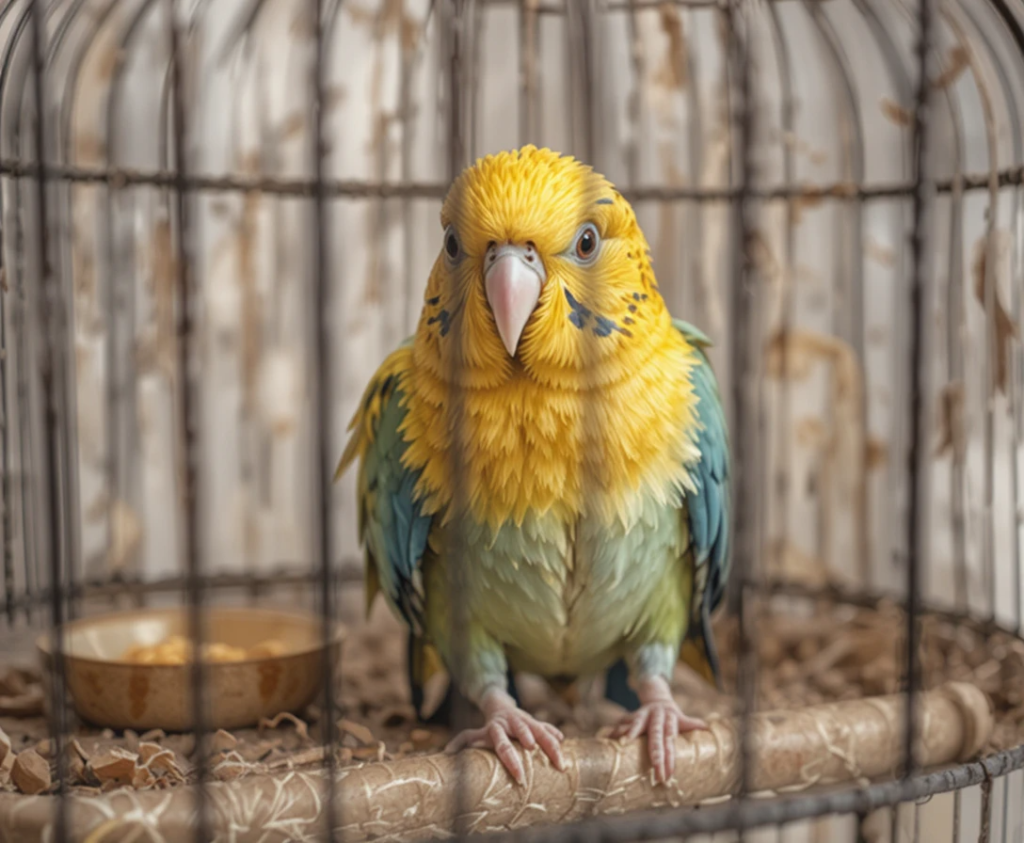
Let’s be real. Your parakeet’s weekly cage clean is like quickly making your bed—it looks tidy, but you’re just hiding the chaos. But under that fresh layer of paper, secrets lurk. A stray seed behind the tray, a mysterious smudge on the ceiling bars… it’s time for the big one. The deep clean.
Think of this not as a chore, but as a spring cleaning for your bird’s entire world. It’s the most important task for maintaining a healthy parakeet and preventing invisible nasties like bacteria and mold. Don’t worry, it’s easier than it sounds.
Step 1: The Great Evacuation & Teardown
First, you need to relocate the tiny tenant. Move your parakeet to a completely separate, safe room in a small travel cage or a secure area. The chemicals and stress of this process are a big no-no for them.
Now, the fun begins. Take everything out. And I mean everything.
- Remove all perches, toys, dishes, and the cage liner.
- If your cage has a removable bottom grate and tray, take them out.
- For truly grimy items, like a crusty mineral block or a well-loved cuttlebone, ask yourself: “Can this be replaced?” Sometimes, it’s better for parakeet healthto just start fresh.
Funny Line: This is where you play archaeologist. “Ah, a fossilized piece of spinach from 3 weeks ago! What a find!”
Step 2: The Pre-Soak (The Grime’s Worst Nightmare)
Fill a sink or bathtub with hot water. For this deep cleaning bird cage mission, you have two options for your main cleaner:
- The Vinegar Soak:Add a generous cup of white vinegar. This is your gentle, all-natural option. It disinfects and deodorizes.
- The Diluted Bleach Bath:For a stronger disinfectant, use a mix of one part bleach to ten parts water. This is your nuclear option and requires extreme caution.
Submerge all the removable parts—the tray, the grates, the dishes, and even the toys. Let them soak for 15-20 minutes. This will loosen every last bit of dried-on… well, everything.
Step 3: The Scrub-Down of a Lifetime
While the parts are soaking, tackle the main cage. Using your chosen solution (vinegar/water or dilute bleach) in a spray bottle, douse the entire empty cage. Get the bars, the roof, the doors, and every single corner.
Let it sit for 10 minutes, then attack with your scrub brush and an old toothbrush for the details. You’re not just wiping away dust; you’re on a mission to disinfect parakeet cage surfaces.
Funny Line: This is your workout for the day. That stubborn patch of poop on the ceiling bar? That’s your cardio.
Step 4: The Million-Dollar Rinse
This is the most critical step. If you use bleach, this is non-negotiable. You must rinse every single item—the main cage and all the soaked parts—with clean water until you are 110% sure all cleaner is gone.
Rinse the cage inside and out. Rinse the toys until the water runs clear. Rinse until your arms are tired. Your goal is a cage that smells like absolutely nothing. Any leftover residue, especially from bleach, is a serious danger to your bird.
Step 5: The Sun-Dry & Reassembly
Wipe everything down with clean towels and then let it all air dry completely. If you can, placing the cage in the sun is a fantastic, natural way to help it dry and freshen up.
Once everything is bone-dry, it’s time to rebuild your parakeet’s palace. Put in a fresh liner, and return all the sparkling-clean perches and toys. This is a great time to rearrange things to create a “new” and stimulating environment!
Doing this monthly parakeet cage cleaning might seem like a project, but it’s your best defense against illness. When you finally return your parakeet to its spotless home, it might just chirp a thank you. Or, more likely, it will immediately poop on the fresh paper. Such is the life of a bird owner
Conquering the Bottom Line: How to Clean a Bird Cage Tray
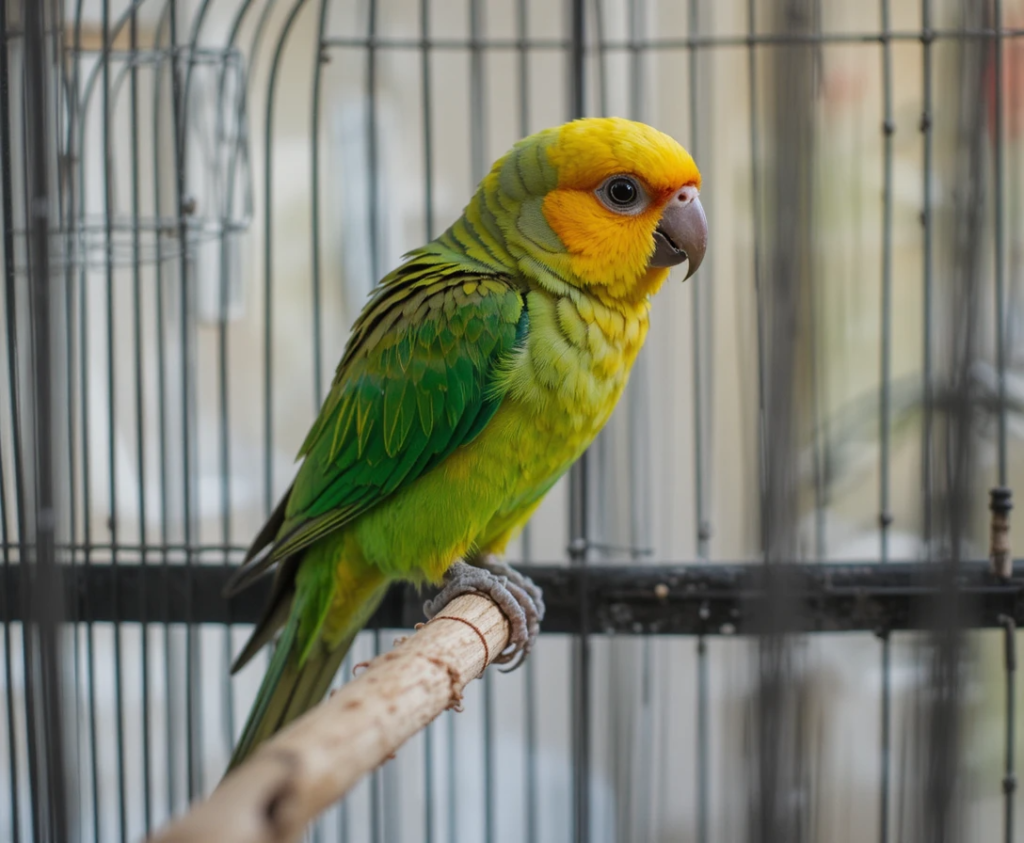
Let’s talk about the part of the cage everyone tries to ignore: the bottom. It’s the final resting place for everything—droppings, discarded seeds, feather dust, and that toy part your bird somehow obliterated.
If the cage is your bird’s house, the bottom tray is its basement, garbage can, and lost-and-found all in one. Keeping it clean isn’t just about odor control; it’s a major part of maintaining a healthy bird environment.
The good news? Taming this beast is simpler than you think.
The Daily Quick-Fix: Your Secret Weapon is… Paper?
The number one tip for easy bird cage maintenance is to use a cage liner. This is your barrier between the pristine tray and the, ahem, “evidence of a good time.”
- What to Use:Plain newspaper, brown butcher paper, or paper towels are perfect. They’re cheap, absorbent, and make the daily clean-up a five-second job.
- The Daily Ritual:Simply roll up the soiled paper and toss it. It’s like changing a diaper, but for a tiny, flying toddler. This daily habit is the ultimate defense against grime buildup and keeps things smelling fresh.
Funny Line: Think of this as your daily bird-cage bulletin. The headlines are always the same: “Local Bird Makes Mess, More at 11.”
The Weekly Scrub: Tackling the Tray Itself
Once a week, during your bigger clean, you need to deal with the tray itself. Even with a liner, some dust and moisture sneak through.
- Remove the Tray:Carefully slide it out. This is where you might discover a secret seed stash your bird was saving for the bird-pocalypse.
- Shake and Scrape:Take it outside (if you can) and shake off any loose debris. For stuck-on material, use a dedicated putty knife or an old credit card to scrape it off. This is the most satisfying part of cleaning a bird cage tray.
- Wash and Disinfect:Take the tray to a sink or tub and scrub it with hot water and a bit of white vinegar. Vinegar is a fantastic safe cleaner for bird cages that cuts through grease and disinfects naturally. For stubborn stains, a little baking soda paste works wonders.
- Rinse and Dry:Rinse the tray thoroughly until all vinegar smell is gone. Dry it completely with a towel before putting it back. A damp tray is a welcome mat for bacteria.
What About the Grate?
Many cages have a wire grate between the bird and the bottom tray. This little feature is a genius invention that keeps your bird from walking through their own waste.
But it needs love, too! Once a week, pull out the grate and give it the same treatment as the tray. A good scrub in the sink with a brush will clear all the droppings that have fallen through the bars. An old toothbrush is perfect for the tiny squares.
Funny Line: Cleaning the grate is like defusing a bomb made of old food and poop. Slow, steady, and you definitely don’t want any of it on you.
Troubleshooting a Truly Nasty Tray
If you’ve inherited a cage or let things slide for a bit, you might face a tray with cemented-on mess. Don’t panic!
- The Power Soak:Fill the tray with hot water and a glug of vinegar. Let it soak for an hour or even overnight. This will soften even the most stubborn, concrete-like droppings.
- The Elbow Grease:After the soak, your scrub brush will make quick work of what’s left.
Sticking to this simple system of a daily liner change and a weekly scrub is the best bird cage care you can provide. It saves you from a huge, disgusting job later and ensures your bird has a clean, healthy floor to their wonderful home.
Now, go forth and reclaim that tray! Your bird (and your nose) will thank you.
Homemade Bird Cage Cleaner
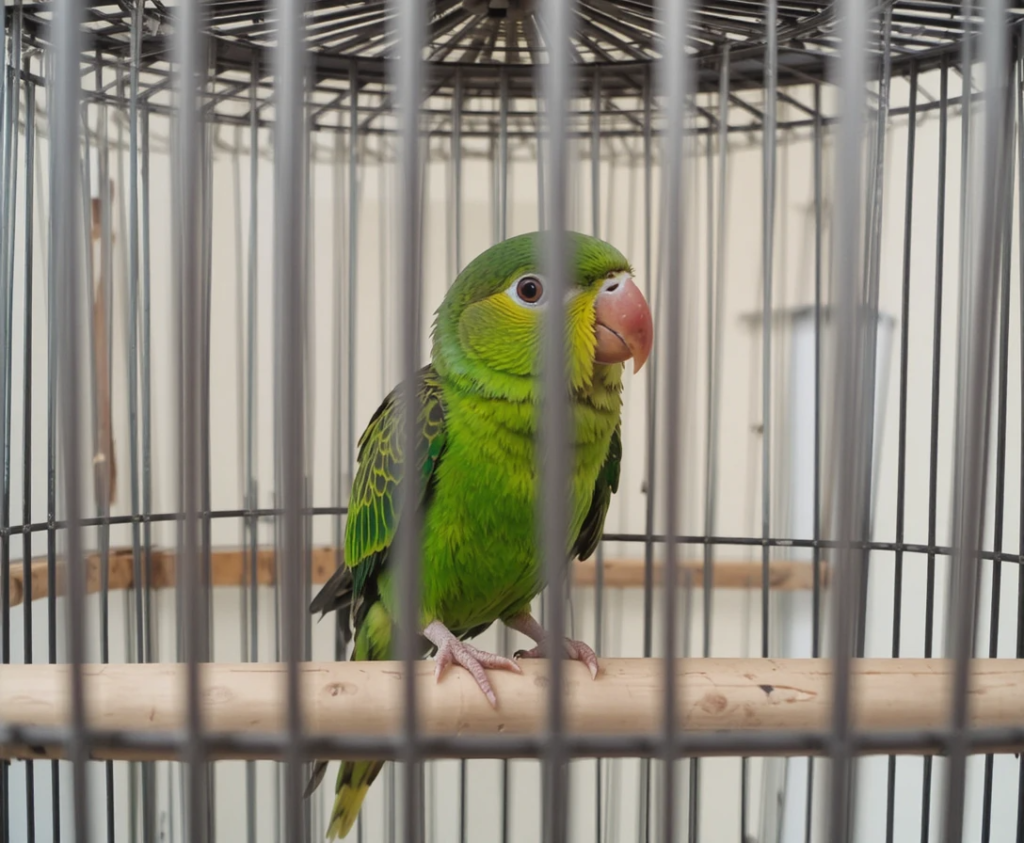
Let’s face it, our feathered friends are wonderful, but they are also tiny, fluffy mess-makers. Walking past a pet store aisle, you see all those fancy sprays and cleaners with long chemical names. It’s enough to make your head spin—and your wallet whimper.
What if I told you that the best, safest, and cheapest cleaner for your bird’s cage is probably already in your kitchen cupboard? Making your own homemade bird cage cleaner is not only simple, it’s the smartest choice for safe bird cage cleaning. You control the ingredients, which means you know exactly what your bird is breathing in.
Let’s mix up some magic!
The Superstar: The Vinegar & Water All-Purpose Spray
This is the number one, go-to recipe for a reason. It’s the little black dress of DIY bird cage cleaners—it works for every occasion.
- The Recipe:Mix equal parts white vinegar and water in a spray bottle. That’s it. Seriously.
- Why it’s a Genius Concoction:White vinegar is a natural disinfectant and deodorizer. It cuts through dried droppings and grime without any toxic fumes. It’s kind of a superhero in a very sour-smelling cape.
- How to Use It:Spray it on the empty cage, let it sit for 5-10 minutes to break down the mess, then scrub and rinse thoroughly. Remember, the goal is a cage that smells like nothing, not a salad.
Funny Line: Think of vinegar as the cage’s personal trainer—it’s tough on grime but leaves everything feeling fresh, without any toxic sweat.
The Heavy-Duty Scrub: The Baking Soda Paste
For those really tough jobs—think baked-on food on dishes or a stubborn, cemented-on dropping—you need something with a bit more grit. Enter baking soda.
- The Recipe:Mix baking soda with a small amount of water until it forms a thick, spreadable paste.
- Why it Works:Baking soda is a mild abrasive, perfect for scrubbing away tough residue without scratching surfaces. It’s your go-to for cleaning bird perches that have seen better days.
- How to Use It:Slather the paste onto the problem area, let it sit for a few minutes, then scrub with a damp brush or cloth. Rinse extremely well.
The Fresh Squad: Lemon Juice for a Boost
If you want a little extra cleaning power and a natural, fresh scent (for you, not the bird), lemon juice is a great addition.
- The Recipe:Add a squeeze of fresh lemon juice to your standard vinegar and water spray. Or, for a nice natural disinfectant, you can mix lemon juice with baking soda to create a fizzing, powerful scrub.
- A Word of Caution:The smell should be very mild and must be rinsed away completely. Your bird’s nose is much more sensitive than yours!
Funny Line: Using this mix makes you feel like a wizard in a lab. “Yes, a dash of lemon for zest! This potion shall vanquish the evil grime!”
The Golden Rule of DIY Cleaning: RINSE!
This is the most important step in any safe bird cage cleaning routine, especially with homemade solutions. After you’ve scrubbed with your vinegar spray or baking soda paste, you must rinse every surface with clean water until all residue is gone.
Wipe it down and let it air dry completely. Your mission is to leave behind a perfectly clean, neutral-smelling environment. This is the cornerstone of a healthy bird environment.
Why Bother DIY? The “What NOT to Use” List
Making your own cleaner means you automatically avoid the scary stuff. Please never use:
- Bleach or Ammonia:The fumes are toxic and can linger, harming your bird’s lungs.
- Scented Cleaners:That “Mountain Breeze” is a chemical nightmare for a bird’s respiratory system.
- Essential Oils:They are highly concentrated and can be poisonous to birds.
So, grab that spray bottle and give it a try. You’ll save money, keep your bird safe, and gain the satisfaction of knowing you’re the master of your bird’s clean, sparkling domain. Now, go be the DIY hero your parakeet deserves
How to Clean a Parakeet Cage with Vinegar
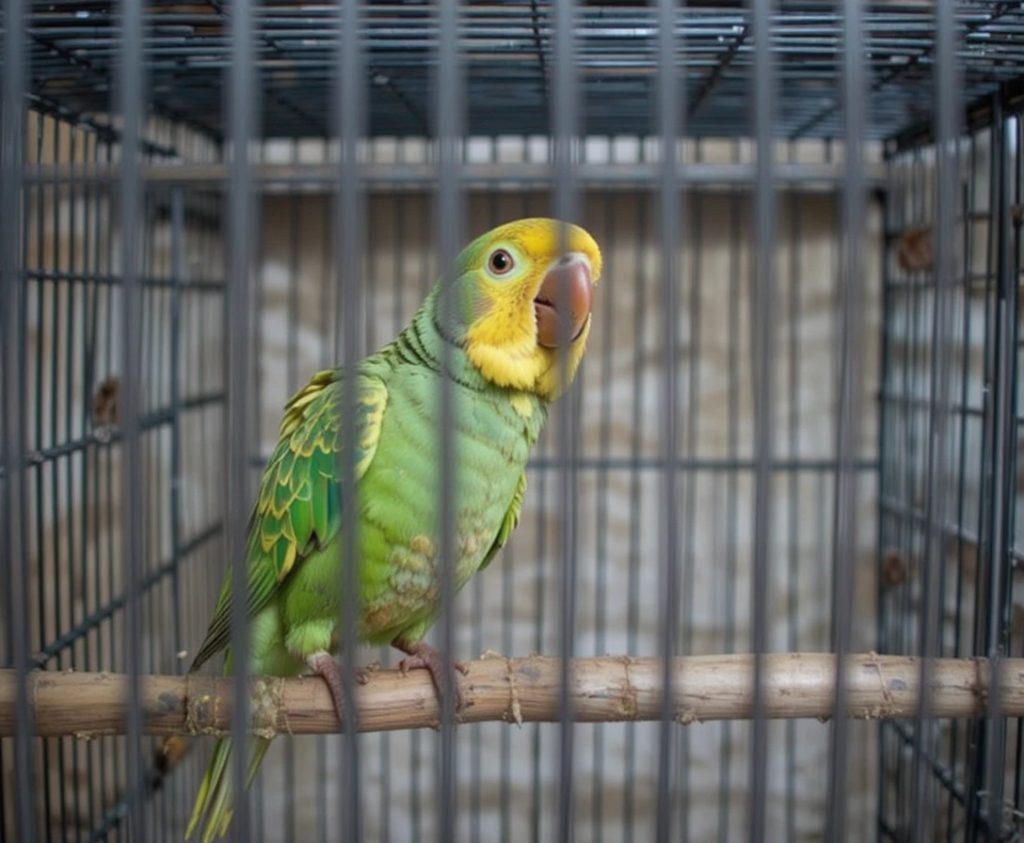
If there’s one thing every parakeet owner learns, it’s this: something so small should not be able to create so much… stuff. Feathers, seed husks, and the occasional artistic poop splatter cover the cage. It’s a lot.
But before you reach for a harsh chemical cleaner, stop! There’s a superhero hiding in your kitchen cabinet. It’s cheap, it’s safe, and it’s effective. It’s white vinegar.
Using vinegar is the ultimate secret for safe and effective parakeet cage cleaning. Let’s break down exactly how to do it, step-by-step.
Why Vinegar is a Parakeet-Parent’s Best Friend
You might only think of vinegar for salads, but for cage cleaning, it’s a powerhouse. Here’s why:
- It’s a Natural Disinfectant:It kills germs and bacteria without toxic chemicals.
- It Cuts Through Grime:It breaks down dried droppings and stuck-on food like a champ.
- It Deodorizes:It neutralizes odors instead of just covering them up with a perfumed smell.
- It’s Dirt Cheap:Why spend $10 on a fancy spray when a giant bottle of vinegar costs a dollar?
In short, it’s the perfect homemade solution for bird cage cleaning.
Step 1: The “Magic Potion” Recipe
This isn’t rocket science, which is good because most of us aren’t rocket scientists.
- The Formula:Mix equal parts white vinegar and plain tap water in a spray bottle.
- Pro Tip:If the cage is extra grimy, you can use a 2:1 ratio of vinegar to water for more power. Label the bottle so no one mistakes it for a new air freshener.
Funny Line: Congratulations! You are now a chemist. Your lab is the kitchen, and your test subject is a cage that’s seen things.
Step 2: Operation Evacuation and Disassembly
First and foremost, your bird cannot be anywhere near the cleaning process. Move your parakeet to a safe, separate room in a small travel cage or a secure play area.
Once the VIP (Very Important Parakeet) is secure, it’s teardown time.
- Remove all toys, perches, food cups, and the bottom tray liner.
- If your cage has a removable bottom grate and tray, take them out.
Step 3: The Vinegar Soak for Accessories
While you’re tackling the main cage, let the smaller parts have a spa day. Take the dirty perches and toys and let them soak in a sink or basin filled with your vinegar-water solution. This will loosen all the caked-on gunk, making them easy to scrub later.
This is a key part of cleaning parakeet toys and perches safely.
Step 4: Spray, Wait, and Conquer the Cage
Now, take your spray bottle and douse the empty cage. Get the bars, the corners, the ceiling—everywhere. Don’t be shy. Let the vinegar solution sit for 10-15 minutes. This waiting period is crucial. You’re letting the vinegar do the hard work of softening all the stubborn, dried-on mess.
Funny Line: This is the vinegar’s time to shine. It’s penetrating the grime, telling it, “Your reign of terror is over!”
Step 5: The Big Scrub and The Final Rinse
After the vinegar has worked its magic, take a scrub brush (an old toothbrush is great for corners) and scrub the entire cage. You’ll be amazed at how easily the mess comes off.
Now, for the most important step: RINSING.
You must rinse every single surface of the cage with clean water. Rinse the main cage, rinse the soaked toys, rinse the perches. Rinse until you can’t smell a hint of vinegar. A residue-free cage is essential for your parakeet’s health.
Step 6: Dry and Reassemble the Palace
Wipe everything down with a clean towel and let it all air dry completely. A damp cage can grow mold, and we don’t want that. Once everything is bone-dry, put it all back together with a fresh liner.
And there you have it! A sparkling clean cage, achieved with a simple, safe, and effective vinegar cleaning method. Your parakeet will flutter back to a fresh home, ready to immediately start messing it up again. It’s the circle of life.
FAQs About Parakeet Cage Cleaning
- How often should I clean my parakeet’s cage?
- Answer:Think of it in three tiers:
- Daily:Spot-clean the bottom tray by removing droppings and discarded food.
- Weekly:Change the cage liner completely and wash food/water dishes, perches, and toys.
- Monthly:Perform a deep clean, taking the entire cage apart for a full scrub and disinfection.
- What is the safest thing to use to clean the cage?
- Answer:A 50/50 mixture of white vinegar and water is the gold standard for a safe and effective parakeet cage cleaner. It’s a natural disinfectant, non-toxic, and cuts through grime. Avoid harsh chemicals, aerosols, and scented cleaners at all costs.
- How do I get dried-on poop off the cage bars and perches?
- Answer:Let vinegar be your best friend! Spray the dried-on droppings with your vinegar solution and let it sit for 10-15 minutes to soften. Then, use a dedicated scrub brush or an old toothbrush to easily wipe it away.
- Can I use bleach to clean my parakeet’s cage?
- Answer:Yes, but with extreme caution and only for a monthly deep clean. You must dilute it properly (1 part bleach to 10 parts water) and ensure the cage is rinsed incredibly thoroughly until you cannot smell any bleach whatsoever. Let it air dry completely before your bird returns. Never use bleach while your bird is in the same room.
- Do I need to take my bird out of the cage to clean it?
- Answer:Absolutely, yes. Always move your parakeet to a safe, separate room in a small travel cage or carrier. The cleaning process is stressful for them, and fumes from any cleaner (even vinegar) can irritate their sensitive respiratory systems.
- What should I use to line the bottom of the cage?
- Answer:Plain newspaper, paper towels, or unprinted butcher paper are the best options. They are cheap, easy to replace, and allow you to easily monitor your bird’s droppings for health issues. Avoid corn cob, walnut shell, or cedar shavings, as these can be dangerous if ingested and can grow mold.
- How do I clean my parakeet’s toys?
- Answer:The process is the same as for the cage! Soak plastic and acrylic toys in your vinegar solution and scrub them with a brush. For rough wood perches and toys, you may need to use a pumice stone or sandpaper to scrape off stubborn residue. Always rinse thoroughly and let them dry completely.
- Why is it so important to clean the cage regularly?
- Answer:A clean cage is essential for your parakeet’s health and happiness. It prevents the growth of harmful bacteria, mold, and fungus, which can cause respiratory infections and other illnesses. It also controls odor and provides a more stimulating, pleasant environment for your bird.
- My cage is starting to rust. What should I do?
- Answer:Rust is a serious problem. Small spots can be scrubbed with a vinegar solution and then sanded smooth. However, extensive rust can be dangerous, as it can contain toxic metals and create sharp edges. If the rust is widespread, the safest option is to replace the cage entirely.
- How can I make cage cleaning easier and faster?
- Answer:The secret is consistency! Doing a quick daily spot-clean prevents messes from building up. Having a dedicated caddy with your supplies (spray bottle, brushes, paper liners) makes the weekly clean a streamlined process. Using simple, safe cleaners like vinegar means you don’t have to worry about complex rinsing procedures for a quick tidy.