What do you feed a baby parakeet?
What in the World Do You Feed a Baby Parakeet?
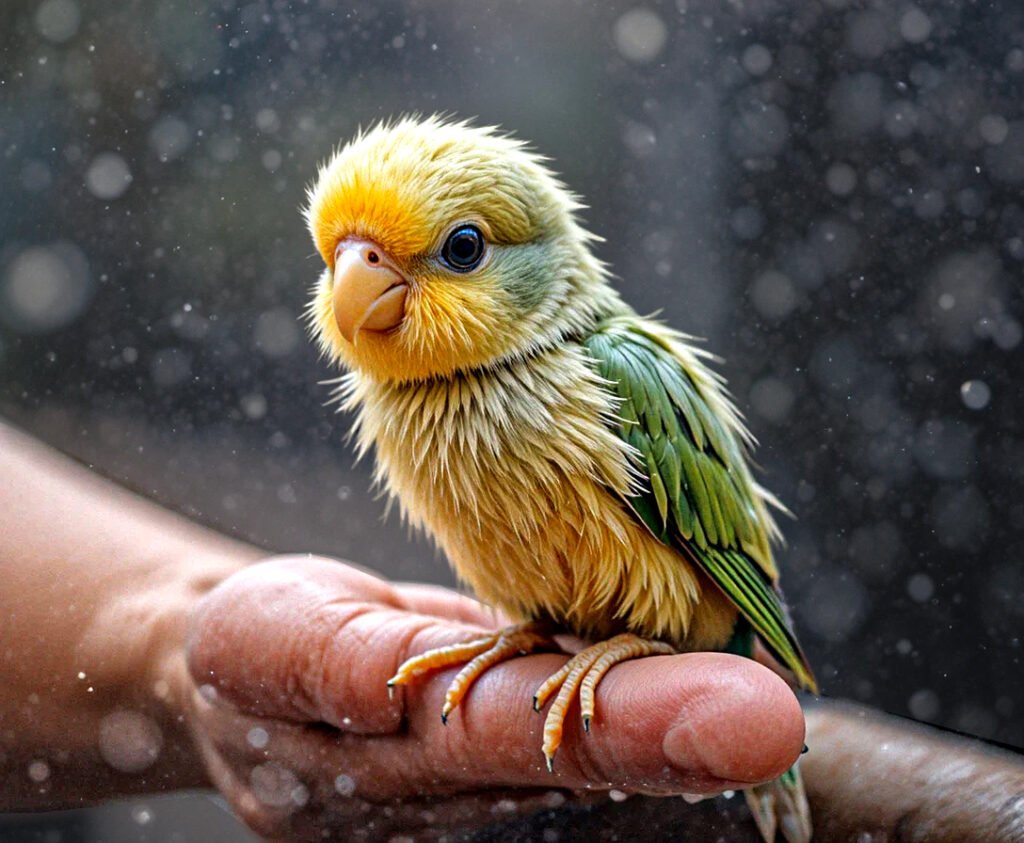
So, you’ve got a baby parakeet on your hands. Maybe the parents are doing the feeding, or perhaps you’ve had to step in as a surprise birdie nanny. However you got here, you’re now staring at this tiny, squeaking fluff-ball and thinking, “What’s on the menu?!”
Don’t panic. Feeding a baby parakeet isn’t as scary as it seems. The answer depends entirely on one thing: how old is the chick? Let’s break it down from “freshly hatched” to “teenage bird.”
The Best Case Scenario: Let Mom and Dad Handle It
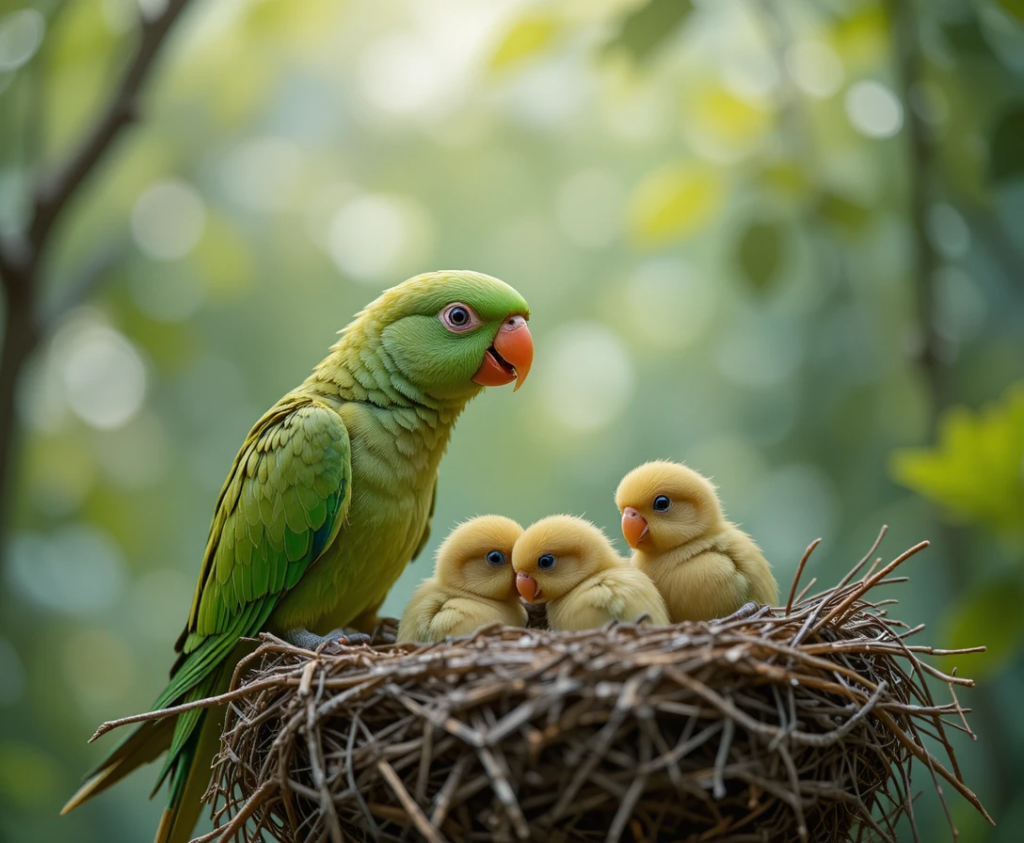
Before we dive into you playing chef, know that the absolute best food for a baby parakeet is whatever its parents are feeding it. In a perfect world, the adult birds regurgitate a special, perfectly formulated “crop milk” and then softened seeds. Your main job in this situation is to feed the parents a super-healthy diet so they can pass those nutrients on.
So, if the parents are on the job, just keep them stocked with a high-quality seed mix, pellets, and fresh veggies. You’re the supportive grocery shopper, not the short-order cook.
When You Have to Step In: The Hand-Feeding Adventure
If the parents have rejected the chick, aren’t feeding it, or you’re hand-raising it, then it’s all on you. This is where you need hand-feeding formula. This is non-negotiable. You cannot feed them human baby food, milk, or bread. They need a special, high-protein powder that you mix with warm water to a soupy consistency.
Your hand-feeding toolkit will need:
- Specialty Formula:A commercial hand-feeding formula for parrots from a pet store.
- A Syringe or Spoon:Special feeding syringes are best, though some people use a small spoon.
- A Thermometer:The formula needs to be the perfect temperature—around 104-106°F (40-41°C). Too hot and you’ll burn their crop; too cold and they won’t digest it and might get sick. Test it on your wrist like a baby’s bottle!
The process, known as crop feeding, involves gently getting the chick to gape (open its mouth wide) and slowly dispensing the formula into its crop (the pouch in its throat). It’s a skill that takes practice, so watch video tutorials and be patient!
The Growing-Up Menu: The Weaning Stage
This is the messy, fun part. Around 4-5 weeks old, your baby parakeet will start looking curiously at what mom and dad are eating. This is the weaning process, and it’s your cue to introduce solid foods.
Your goal is to offer a buffet of soft, easy-to-eat options. Think of it as baby bird weaning food.
Great first foods include:
- Spray Millet:This is like candy to them and easy to peck at.
- Softened Pellets:Mix a high-quality pellet with warm water to make a mushy, nutritious paste.
- Mashed Vegetables:Try finely chopped and lightly cooked broccoli, carrots, or sweet potato.
They’ll make a huge mess, play with their food more than they eat it, and still beg for formula. This is totally normal! Keep offering formula until they are consistently eating enough solids on their own, usually by 7-8 weeks old.
The “Oh No, It’s an Emergency!” Situation
What if you find an abandoned baby bird and don’t have formula? In a true pinch, before you can get to a pet store, you can make a temporary emergency mix. A tiny bit of plain, unsweetened applesauce or a paste made from soaked finch seed can work for a few hours. But this is strictly a short-term survival food, not a long-term diet. Get proper formula as soon as humanly possible.
The Number One Rule
Whether you’re a full-time nanny or just a supportive observer, the most important thing you can feed a baby parakeet is love and patience. They are clumsy, messy, and demanding, but watching them grow is an incredible reward. Now, take a deep breath—you and that tiny beak can handle this.
How to hand-feed a parakeet chick?
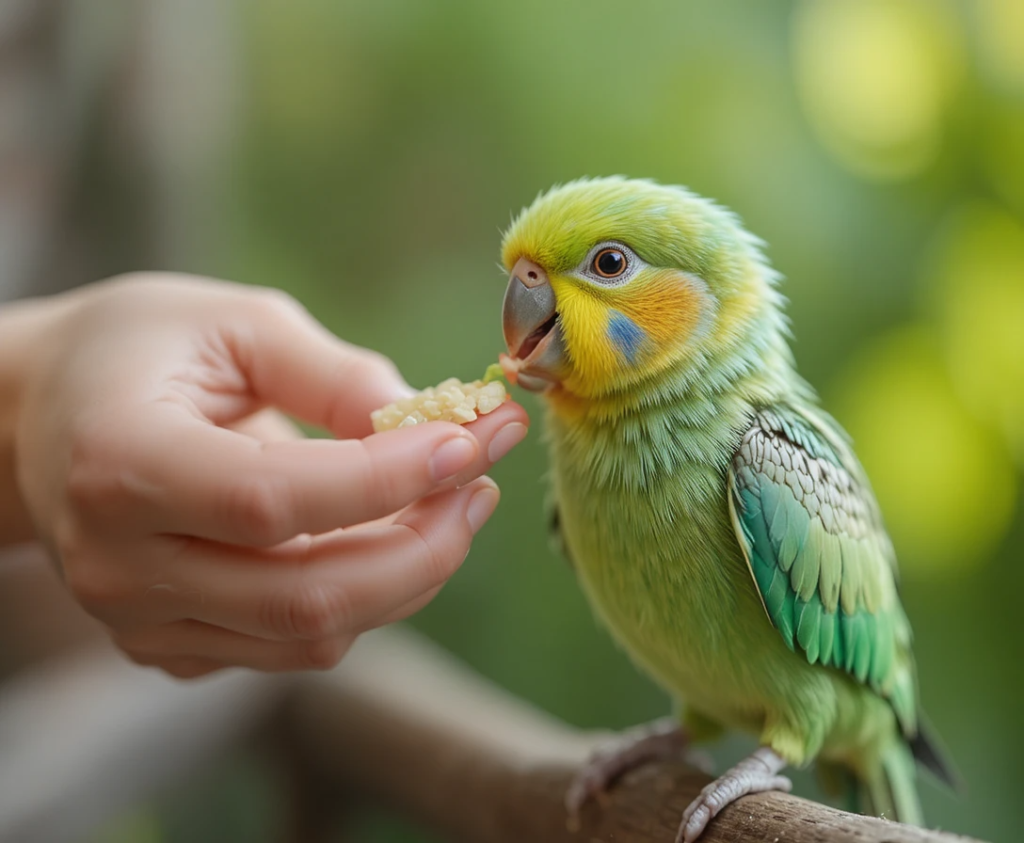
So, you’ve become a parakeet parent. Not to a grown bird, but to a tiny, squeaking, helpless chick that needs you for every single meal. The thought of hand-feeding a parakeet chick can be downright terrifying. What if you do it wrong? What if you hurt it?
Take a deep breath. With the right tools and a little practice, you can do this. Think of yourself as a tiny, feathery food delivery service. Here’s your simple, step-by-step guide to becoming a pro.
Before You Start: Your Baby Bird Feeding Kit
You can’t just use a dropper and mashed-up bread. You need the right gear. Here’s your shopping list:
- Hand-Feeding Formula:This is special, high-protein powder made just for parrot chicks. Do not use human baby food or anything else! This is the most important item.
- A Syringe or Feeding Spoon:A 1cc or 5cc syringe without a needle is perfect. It lets you control the flow. Special feeding spoons also work.
- A Thick Mug or Bowl:For mixing the formula.
- A Kitchen Thermometer:This is not optional! Getting the temperature right is critical.
- A Jar or Cup:For creating a warm water bath to keep the formula warm.
Step 1: Mixing the “Baby Bird Gumbo”
Follow the directions on your formula package, but generally, you mix the powder with warm water until it’s like a thin milkshake or heavy cream. Too thick, and it’s a choking hazard. Too thin, and it lacks nutrients.
Now, for the most critical part: temperature. The formula must be between 104-106°F (40-41°C). Test it on your wrist—it should feel warm but not hot. Too cold and the chick’s crop won’t empty, leading to sour crop. Too hot, and you’ll give the chick a serious burn. Use that thermometer every single time!
Step 2: The Feeding Technique – Be Slow and Gentle
This is the part that makes everyone nervous. Here’s how to do it safely:
- Get Them Gaping:Gently hold the chick in a small towel. With your other hand, lightly tap on the side of its beak or on its head. This should trigger a natural “gaping” response, where it opens its mouth wide. It’s basically yelling, “FOOD NOW!”
- Aim for the Right Side:Gently insert the tip of the syringe or spoon into the right side of its beak. This helps you avoid the windpipe.
- Go Slow!Depress the syringe plunger painfully slowly. Let the chick swallow at its own pace. You’re not pouring fuel into a race car; you’re letting a tiny bird sip a meal.
- Watch the Crop:The crop is a little pouch in the chick’s neck where the food goes. Watch it fill up. You want it to look like a slightly full water balloon, not a overstuffed tennis ball. A full crop should feel soft, like a stress ball.
Step 3: The After-Party (Clean-Up is Key)
A messy chick is a sticky, unhappy chick. After feeding, gently wipe any formula off its beak and feathers with a warm, damp cloth or cotton swab. A clean chick is a healthy chick.
How Often Does This Tiny Tyrant Need to Eat?
A lot. The parakeet chick feeding schedule is demanding:
- Newborns (1-2 weeks):Every 2-3 hours, around the clock. Yes, even at 3 AM.
- Older Chicks (3-4 weeks):Every 4-5 hours from 6 AM to midnight.
- Weaning Age (5+ weeks):3-4 times a day, while introducing soft foods.
Always make sure the crop is fully empty at least once before the first morning feeding. This gives its digestive system a break.
Red Flags: When to Panic (a little)
Hand-feeding doesn’t always go perfectly. Watch out for these hand-rearing problems:
- Formula coming out the nose:This means you’re going too fast or the formula is too thin.
- A crop that isn’t emptying:This is called “sour crop” and needs a vet’s attention.
- The chick aspirating (choking) on formula:This is why you go slow and aim for the side of the mouth.
If anything seems seriously wrong, don’t hesitate to call an avian vet.
You’ve got this. It’s a messy, demanding, but incredibly rewarding job. Before you know it, you’ll have a healthy, happy parakeet fledgling who thinks you’re the best chef in the world. Now, go warm up that formula
Baby parakeet growth stages week by week
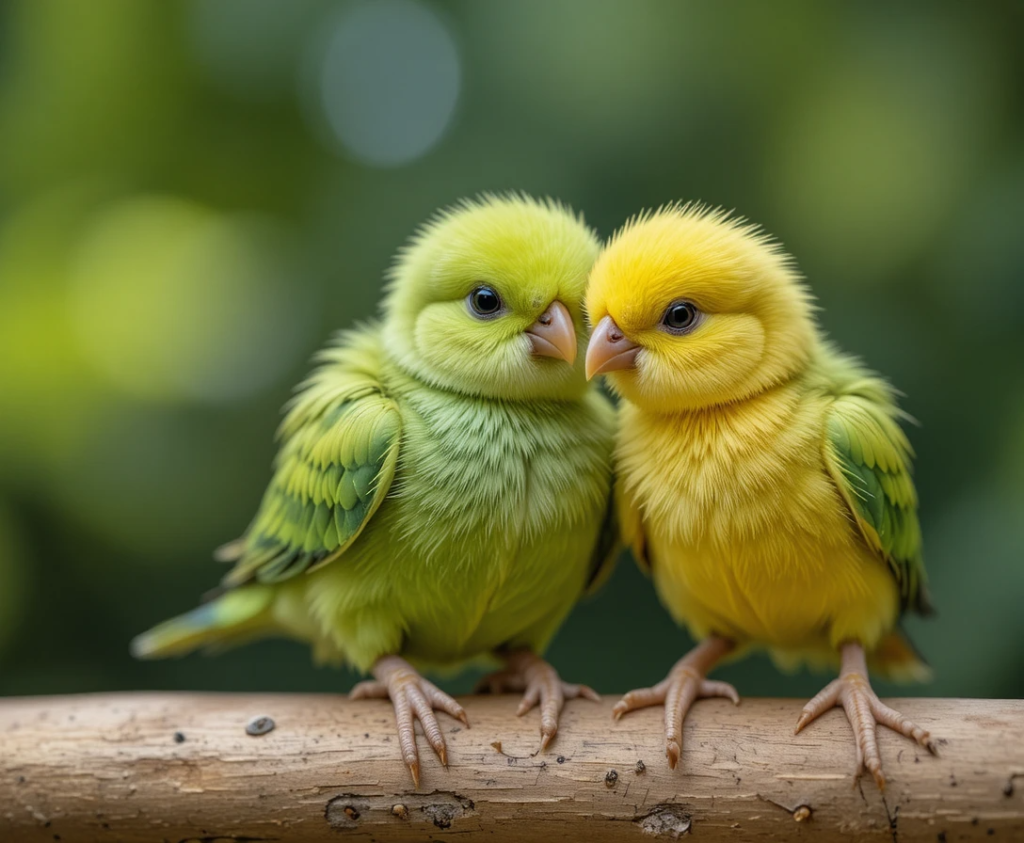
Watching a baby parakeet grow is one of the most amazing experiences for a bird owner. One day you’re looking at a tiny, helpless creature, and what feels like just a few weeks later, you have a mini-dinosaur learning to fly.
If you’re curious about what’s happening in that nest, you’ve come to the right place. Here is your simple, week-by-week guide to baby parakeet development stages. Get ready for a wild ride!
Week 1: The “Pink Nugget” Stage
- What to Expect:Welcome to the world! A newborn parakeet chick, or hatchling, is… not very cute. It’s mostly a pink, translucent body with a giant-looking head and closed eyes. It can’t even hold its head up and just squirms and squeaks.
- Key Milestone:Its only jobs are to eat, sleep, and poop. It’s completely dependent on its parents (or you) for warmth and food.
- Funny Thought:It looks like a tiny, squeaky alien that’s all head and no body.
Week 2: The “See-Through Dinosaur” Phase
- What to Expect:By the end of this week, the chick will have almost doubled in size! You’ll start to see dark spots where its eyes are developing under closed lids. The biggest change? Feather tracts—little tubes or sheaths—will start appearing on its wings and back, looking like tiny, weird quills.
- Key Milestone:Eyes are still closed, but it’s getting stronger and can wiggle more purposefully.
- Funny Thought:It’s now a spiky, see-through dinosaur. The feather sheaths make it look like it’s covered in tiny drinking straws.
Week 3: “Eyes Wide Open”
- What to Expect:This is a huge week! The chick’s eyes will pop open, and it will finally see the world (or at least the inside of its nest box). It will start to look more like a proper bird, even though its feathers are still stuck in those waxy sheaths.
- Key Milestone:Eyes are open! It’s more aware of its surroundings and will recognize its parents.
- Funny Thought:It goes from a blind worm to a wide-eyed, curious critter that’s probably wondering, “Who are you, giant?”
Week 4: The “Fluff Ball” Emerges
- What to Expect:The magic happens! Those waxy sheaths on its body begin to crack and flake away, revealing soft, fluffy down feathers underneath. The wing and tail feathers will still be mostly sealed in their sheaths. It’s starting to regulate its own body temperature.
- Key Milestone:The pin feathers open up, creating an adorable, fuzzy look.
- Funny Thought:It now looks like a dandelion that’s about to go to seed. A very cute, squeaky dandelion.
Week 5: The “Awkward Teenager” Stage
- What to Expect:This is the fledgling stage! The chick is now almost fully feathered but might have a few leftover “pin feathers” on its head. It’s getting brave, starting to climb around the nest box, and will flap its wings to strengthen them. This is the start of the weaning process.
- Key Milestone:First attempts at leaving the nest! It’s clumsy, uncoordinated, and hilarious to watch.
- Funny Thought:It’s all legs and wings, stumbling around like it’s had one too many. It’s a feathered toddler learning to walk.
Week 6 & 7: “Flight School Graduation”
- What to Expect:Your baby parakeet is now a fully-feathered, beautiful mini-version of its parents. It’s mastering flight and is in the thick of weaning, learning to crack seeds and eat solid food while still begging for formula from its parents (or you).
- Key Milestone:Fully independent flight and weaning is complete or nearly complete.
- Funny Thought:It’s a confident little pilot, but still has the voice of a squeaky toy when it wants a snack.
Week 8 and Beyond: “All Grown Up”
- What to Expect:The parakeet growth timeline is basically complete! Your chick is now independent, eating on its own, and fully integrated into the flock (or your home). The only thing left is for its head stripes (the barring) to recede, revealing its adult forehead and cere, which happens around 3-4 months.
- Key Milestone:A fully independent, weaned parakeet.
And there you have it! In just about two months, you’ve witnessed a miracle. From a helpless pink nugget to a beautiful, flying companion. Enjoy every messy, squeaky, and wonderful moment of the journey
Why is the mother parakeet throwing babies out of nest?
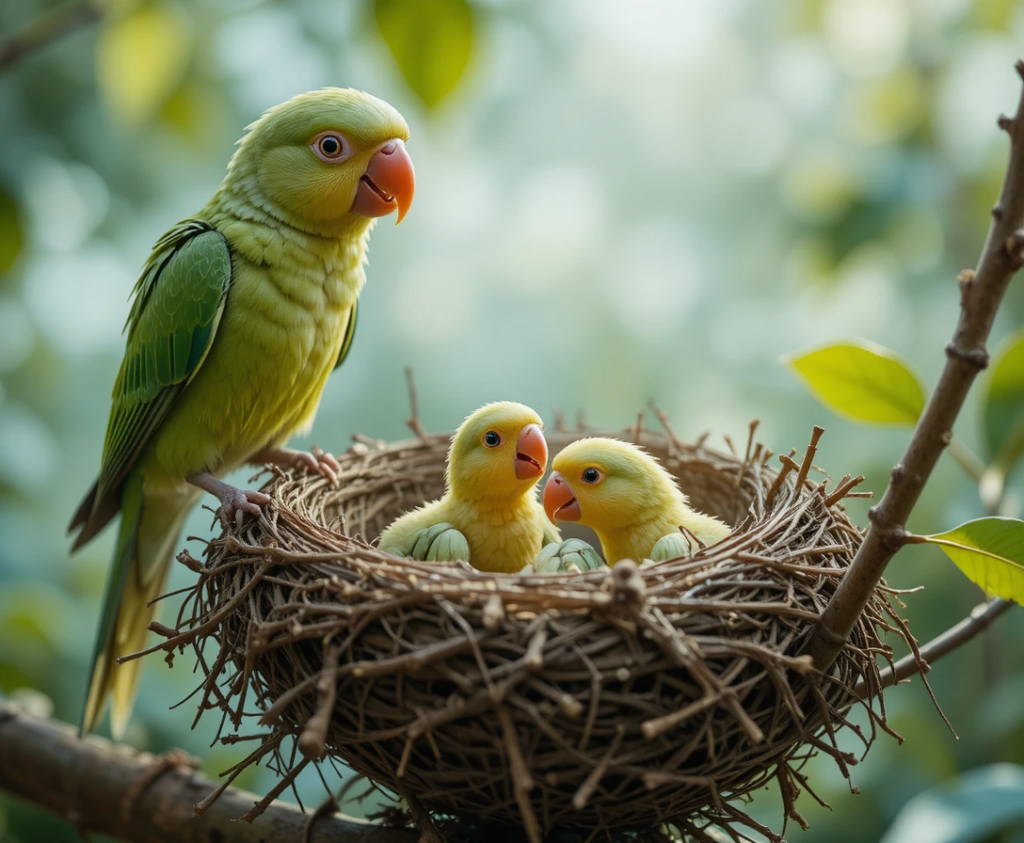
Evicted! Why is the Mother Parakeet Throwing Her Babies Out?
You check the parakeet nest box and your heart drops. There’s a tiny, helpless chick on the cage floor. The first, panicked thought is often, “What a terrible mother!” But before you judge her, it’s important to know that a mother parakeet doesn’t do this out of spite or bad character.
In the bird world, there are usually very practical, if harsh, reasons for this behavior. Let’s explore the most common ones.
Reason 1: The “Tough Love” Health Inspection
This is the hardest one to accept, but it’s the most common. Mother parakeets have a powerful instinct to focus their energy on raising strong, healthy chicks. If a baby is sick, weak, or has a birth defect, the mother may see it as unlikely to survive.
By removing it from the nest, she is trying to:
- Prevent the spread of illness to her other chicks.
- Conserve her own energy and resources for the strong ones.
It sounds cruel to us, but for her, it’s a survival strategy for the rest of her clutch.
Reason 2: The Harried First-Time Mom
Imagine being a teenager with a newborn baby. It’s overwhelming! A young, inexperienced mother parakeet might just not know what she’s doing. She could be nervous, clumsy, or simply not have her brooding instincts fully developed.
She might accidentally knock a chick out while rearranging the nest, or she might get spooked and abandon the nest altogether. It’s not malice; it’s inexperience.
Reason 3: She’s Stressed Out!
Would you want to raise a family in the middle of a rock concert? Probably not. A stressed parakeet mom is more likely to reject her chicks.
Common stressors for breeding parakeets include:
- Too much noise or activityaround the cage.
- Constant nest checkingby the owner (we know it’s hard to resist!).
- Other petslurking nearby.
- Lack of food or water.If she has to leave the nest constantly to find food, she can get anxious.
Reason 4: There’s Something Wrong with the Nest
If the nest box is too hot, too cold, or infested with mites, the mother might decide it’s an unfit place to raise a family. Her solution? Abandon ship—and take the kids with her, so to speak.
Reason 5: A Case of Mistaken Identity
Sometimes, it’s not the mom at all! In some cases, the father or even another female bird might go into the nest and toss the babies out. This can be due to territorial disputes or the hormonal urge to start their own family in that prime nesting spot.
What Should You Do if You Find an Evicted Chick?
Don’t panic! Your actions can help.
- Check the Chick:Is it warm? Is it moving? If it’s cold, gently warm it up in your hands before doing anything else.
- Check for Injury:Look it over carefully. If it’s visibly injured or looks sickly, the mother’s instinct may have been correct.
- The Warm Test:Warm the chick and then gently place it back in the nest. Watch from a distance. If the mother accepts it and starts brooding again, you’re in the clear!
- If She Does It Again:If the mother immediately throws the same chick out again, she has likely rejected it for a reason. At this point, your only option to save it is to step in and become a surrogate parent, which means hand-feeding the chick around the clock.
While it’s distressing to see, a mother parakeet throwing her babies out is rarely a random act of cruelty. She’s following millions of years of instinct, however tough it may seem. Your job is to play detective, figure out the “why,” and then decide whether to let nature take its course or step in as a tiny, feathered foster parent.
When do baby parakeets leave the nest?
Empty Nest Syndrome: When Do Baby Parakeets Finally Move Out?
If you have a nest box full of baby parakeets, you’re probably wondering when the big move-out day will be. You’re waiting for the moment those fluffy little tenants finally spread their wings and leave the family home.
The short answer is around 5 to 6 weeks old. But the journey from a helpless hatchling to an independent fledgling is a fascinating process. Let’s break down the timeline so you know exactly what to expect.
The “I’m Just Visiting” Phase: The First 3 Weeks
For the first few weeks of life, a baby parakeet is a permanent resident of the nest box. They are born blind, naked, and completely helpless. Their only jobs are to eat, sleep, and grow at an astonishing rate.
During this time, the nest is their entire world. Leaving it isn’t even a thought in their tiny bird brains. They are 100% dependent on their parents for warmth, protection, and of course, food.
Week 4-5: The Awkward “Roommate” Phase
This is when things get interesting! Around 4 weeks old, you’ll see a major change. The chicks are now fully feathered (though they might still have a few spiky pin feathers on their heads). They start getting curious.
You might see them:
- Waddling to the nest box entrance to peek out.
- Flapping their wings vigorously inside the nest to build strength.
- Getting loud and demanding, especially at feeding time.
This is the fledgling stage. They aren’t quite ready to leave, but they’re definitely thinking about it. They’re like teenagers pacing in their room, working up the courage to ask for the car keys.
The Big Leap: 5 to 6 Weeks Old
This is it! The main event. Sometime between 5 and 6 weeks of age, a baby parakeet will take its first flight. It’s not always graceful. The first few attempts might involve a clumsy flop to the cage floor or an unplanned crash landing.
This is completely normal! Don’t panic. They are learning, and their parents will continue to feed them and teach them how to be proper birds.
Important Note: Just because a chick has left the nest doesn’t mean it’s ready to be separated from its parents. The weaning process is still underway.
When Are They Really Ready to Go?
A baby parakeet is truly independent when it is fully weaned. This usually happens between 7 and 8 weeks of age. You’ll know they’re ready when they are consistently eating solid food on their own—like seeds, pellets, and veggies—and no longer begging their parents for a meal.
So, while the initial “leave the nest” moment happens around 5-6 weeks, think of the following two weeks as their final training before officially graduating from baby bird to big kid.
What If a Baby Leaves the Nest Too Early?
If you find a very young, unfeathered chick on the cage floor, it probably fell out accidentally. In this case, you should gently and warmly place it back into the nest. The parents will almost always continue to care for it.
So, there you have it. The journey from a helpless hatchling to a confident flier takes about five to six weeks. It’s a messy, noisy, and utterly rewarding time. Enjoy the show while it lasts—soon enough, your nest box will be quiet, and your cage will be full of beautiful, independent parakeets.
How to tell if a baby parakeet is healthy?
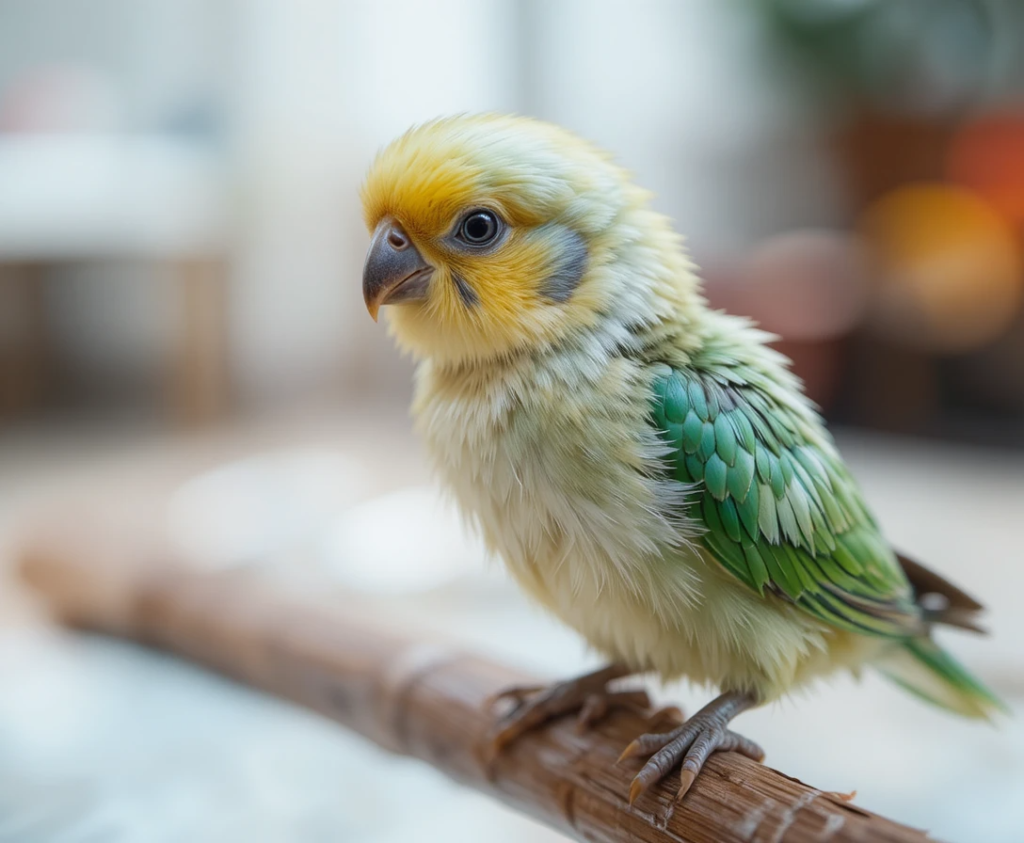
Is Your Baby Parakeet Thriving? 7 Signs of a Healthy Chick
Bringing home a baby parakeet or checking on a new clutch in the nest is equal parts exciting and nerve-wracking. How can you tell if that little fluff ball is actually doing okay? It’s not like they can tell you they have a tummy ache.
Don’t worry! Checking on a baby parakeet’s health is all about knowing what to look for. Here are 7 simple signs of a healthy baby parakeet that will put your mind at ease.
1. The Crop Check: The Full & Empty Test
The crop is a little pouch in the baby’s neck where food is stored. A great sign of health is seeing this pouch nice and full after a feeding (it looks like a small, soft bulge on their chest). Even more importantly, it should be empty or nearly empty by the time the next feeding rolls around. A crop that stays full and firm for hours can be a sign of a problem.
2. The Energy Gauge: Are They a “Wiggle Worm”?
A healthy chick is an active chick. They should be fairly wiggly and responsive, especially when it’s close to feeding time. They might stretch their necks and squawk loudly for food. A chick that is limp, listless, or doesn’t react to touch is a major red flag and needs attention.
3. The “Poop Patrol”: A Weird But Important Job
Yes, you have to look at their droppings. It’s a fantastic health indicator! Healthy parakeet chick droppings should be well-formed. You’re looking for a dark, solid part (the feces) and a smaller, white, creamy part (the urates). Runny, discolored, or smelly poop can signal that something is wrong internally.
4. The Cleanliness Inspection: No Leftover Gunk
A healthy chick is a clean chick. Their beak and the area around their face and vent (where they poop) should be free of dried formula or stuck-on mess. Caked-on food can lead to infection and is a sign the parents (or you, if hand-feeding) need to do a better cleanup job after meals.
5. The Feather Forecast: Is the Fluff on Schedule?
Keep an eye on their feather development. A healthy chick will follow a pretty standard growth timeline. By week 3, their eyes should be open, and pin feathers should be appearing. By week 5, they should be mostly feathered and looking like a proper, if slightly awkward, little bird. Bald spots or significant delays can be a concern.
6. The Posture & Leg Check: No Splayed Legs
A healthy baby parakeet should be able to sit upright and use its legs normally. Watch out for splayed legs, a condition where the legs slide out to the sides, making the chick look like it’s doing an involuntary split. This is a developmental problem that needs to be addressed early, often with a simple homemade brace.
7. The Sound Check: The Symphony of Squeaks
Listen up! A nest full of healthy chicks is not a quiet place. You should hear a chorus of loud, insistent begging cheeps and squeaks around feeding time. A weak, silent, or crying chick is often a chick in trouble.
When to Sound the Alarm
Trust your gut. If your chick shows any of these signs of a sick baby parakeet, it’s time to consult an avian vet:
- Consistently empty crop (not eating).
- A crop that remains full and hard.
- Lethargy and lack of movement.
- Constant, loud crying (different from hungry cheeps).
- Visible injury or labored breathing.
You’re not just a parakeet owner; you’re a detective. By keeping an eye on these simple signs, you can spot potential problems early and ensure your tiny feathered friend grows up to be a strong, healthy, and happy bird. Now, go do your daily “wiggle and poop” inspection
Baby parakeet not being fed by parents
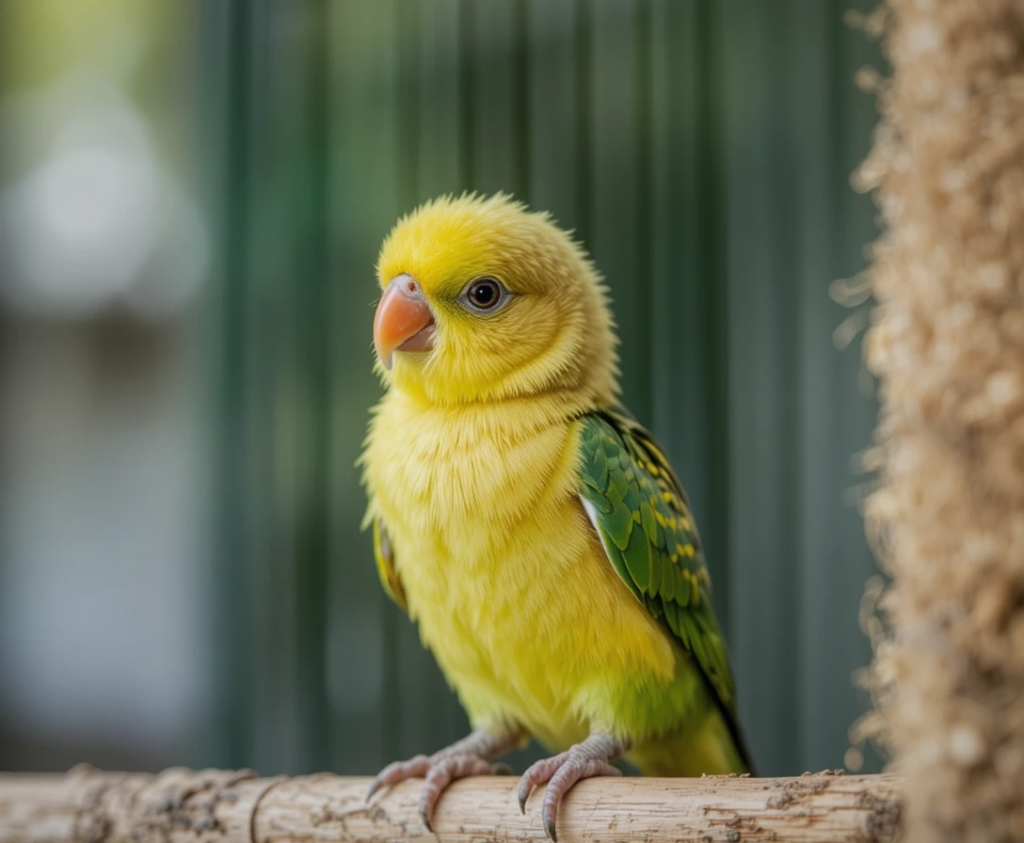
Dinner’s Cancelled? What to Do If Parents Aren’t Feeding the Baby
You’re watching the parakeet nest, and a worrying thought hits you: “I haven’t seen the parents go in to feed that chick in a while.” Your heart sinks. A baby parakeet not being fed by parents is a serious situation, but before you panic and assume the worst, let’s play detective.
It’s a scary sight, but don’t worry—you can handle this. Here’s a simple guide on what to look for and what to do.
First, Don’t Panic: Play Detective for 24 Hours
Parent birds don’t sit in the nest and feed their chicks all day long like we see in cartoons. They pop in for quick, efficient meals. It might just seem like they’re not feeding because you’re not watching at the right moment.
Before you intervene, watch closely for 24 hours. Look for these signs that feeding is happening:
- The Full Crop:The most important clue! The crop is a pouch in the chick’s neck. If it looks plump and full, like a little water balloon, even just once during the day, the parents are feeding it. An empty crop for an entire day is a true emergency.
- Content Chirps:Are the chicks making soft, sleepy peeps? That’s a good sign. Are they making loud, constant, desperate cries? That’s the bird version of screaming, “I’m starving in here!”
- Parental Visits:Can you see the parents actually going into the nest and staying for a minute? You might see them bobbing their heads—that’s the regurgitation process.
The Red Flags: When It’s Time to Step In
If after your 24-hour watch you see these signs of parental neglect, it’s time for you to become the chef:
- The chicks’ crops are completely flat and empty.
- The chicks are noticeably weaker, cooler to the touch, or less active.
- The parents are actively avoiding the nest box or even being aggressive to the chicks.
Why Would Parents Do This? The Top Reasons
It seems cruel, but parents usually have a reason for abandoning parakeet chicks. It’s not personal; it’s instinct.
- The Chick is Sick or Weak:This is the most common reason. In nature, parents focus their energy on the strongest babies to ensure some survive.
- First-Time Parents:Sometimes, mom and dad are just young, nervous, and don’t know what they’re doing. They’re basically birdie teenagers.
- They’re Stressed Out:Is the cage in a noisy, high-traffic area? Are other pets stressing them out? A stressed bird is a bad parent.
- Something’s Wrong with the Nest:If it’s too hot, too cold, or infested with mites, the parents might just give up on the whole operation.
Your Game Plan: How to Be a Surrogate Parent
If you’ve confirmed the chicks are being neglected, you need to start hand-feeding a baby parakeet. This is a big commitment, but you can do it.
- Get the Right Gear:You’ll need a special hand-feeding formula for parrots (never human baby food!), a 1cc syringe, and a thermometer.
- Mix it Perfectly:Follow the formula directions. The temperature is critical—it must be between 104-106°F (40-41°C). Test it on your wrist like a baby’s bottle.
- Feed Gently:Hold the chick securely. Gently tap its beak to make it “gape” (open wide). Slowly dispense the formula into the side of its beak, letting it swallow. Go slow!
- Stick to a Schedule:New chicks need feeding every 2-3 hours, from sunrise to midnight. It’s a marathon, not a sprint.
Finding a hungry chick is scary, but now you’re equipped with the knowledge to help. Your quick thinking and caring heart can make all the difference between a tragedy and a happy, healthy, hand-fed parakeet who thinks you’re its real mom. Now, go warm up that formula
When do baby parakeets start eating on their own?
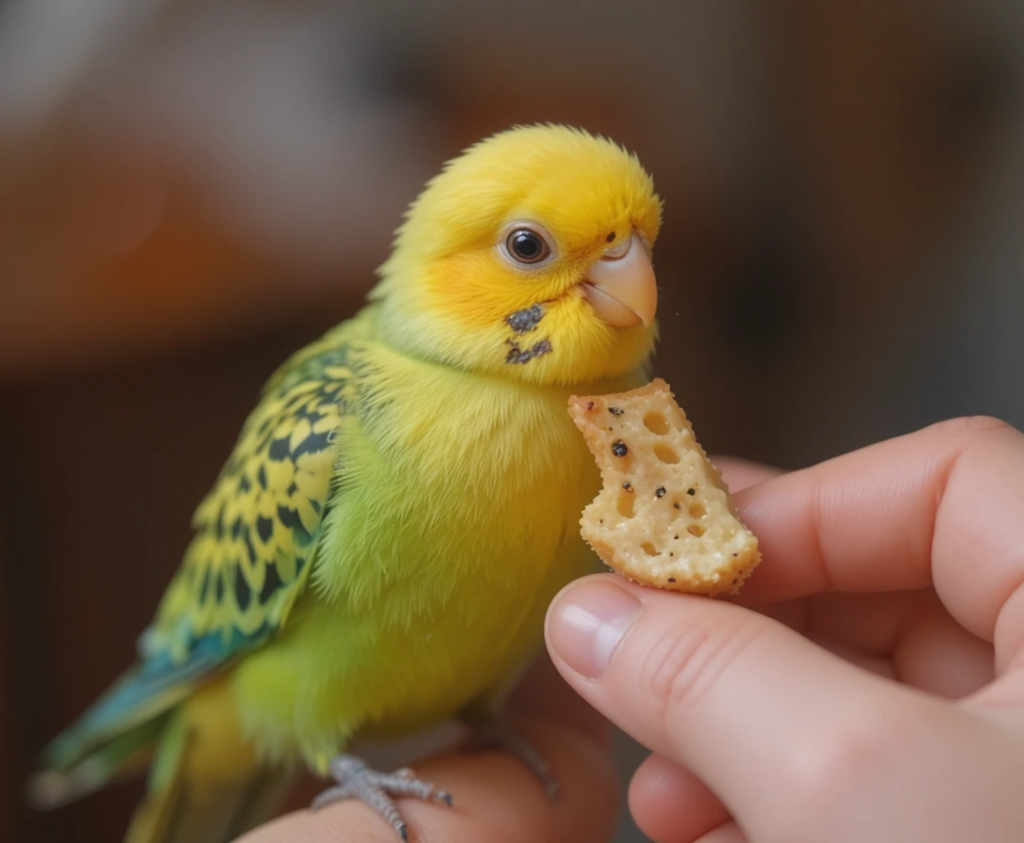
From Handouts to Helping Themselves: When Baby Parakeets Learn to Eat
Watching a baby parakeet learn to eat on its own is a lot like watching a toddler learn to use a spoon. It’s messy, it’s awkward, and a surprising amount of food ends up everywhere but in their mouth.
If you’re wondering, “When will this little bird finally stop begging and start feeding itself?” you’re asking the right question. The journey to independent eating, known as weaning, is a major milestone. Let’s break down the timeline.
The Short Answer: The Big Weaning Window
Most baby parakeets start the weaning process around 5 to 6 weeks old and are fully eating on their own by 7 to 8 weeks old.
But this isn’t an exact science. Just like human kids, some are eager and independent, while others are happy to be fed forever if you let them. This period is all about patience!
The Weaning Timeline: A Step-by-Step Guide
Stage 1: The Curious Pecker (Around 4-5 Weeks Old)
This is when the magic begins. Your baby parakeet will start to notice what mom and dad are doing. You’ll see them curiously pecking at spray millet, their parents’ beaks, and even their own feet (hey, you have to start somewhere!). They’re not really eating much yet, just exploring the concept of “food that isn’t liquid.”
Stage 2: The Messy Eater (Around 5-7 Weeks Old)
Now, the real fun begins. The chick will actively try to eat solid food. You’ll find food flung all over the cage, stuck to their head, and plastered on the walls. This is a great sign! It means they are practicing.
This is the time to offer easy-to-eat weaning foods like:
- Spray Millet:The ultimate beginner food. It’s easy to grip and peck at.
- Softened Pellets:Mix a high-quality pellet with warm water to make a mushy, easy-to-eat paste.
- Finely Chopped Greens:Think soft lettuce or broccoli florets.
Stage 3: The “I’ll Do It Myself!” Phase (Around 7-8 Weeks Old)
This is the finish line! Your baby parakeet will be consistently cracking seeds and eating enough solid food to sustain itself. You’ll notice it begging for formula less and less. The parents (or you) will finally start refusing to feed it, encouraging it to be independent.
A fully weaned parakeet is one that is maintaining a steady weight and eating a balanced diet of seeds, pellets, and veggies all on its own.
The #1 Rule: Don’t Rush It!
The biggest mistake you can make is stopping hand-feeding too early. Weaning is a process, not a light switch. Even when they are eating some solids, they still need the security and extra nutrition of formula.
Let the chick set the pace. Keep offering formula until they consistently refuse it. Forcing them to be independent before they’re ready can lead to a weak, underweight bird.
How to Be a Supportive “Food Coach”
Your job during this time is to be an encouraging coach, not a dictator.
- Offer a Buffet:Provide a wide variety of soft, safe foods for them to experiment with.
- Let Them Get Messy:Don’t stress about the cage looking like a war zone. It’s a sign of learning!
- Be Patient:Some chicks wean in 7 weeks; others take 9. It’s okay!
Before you know it, your clumsy, messy baby will be a pro, happily munching away all by itself. Enjoy the messy, hilarious journey—it’s a sure sign your baby bird is growing up!
How to set up a brooder for a baby parakeet?
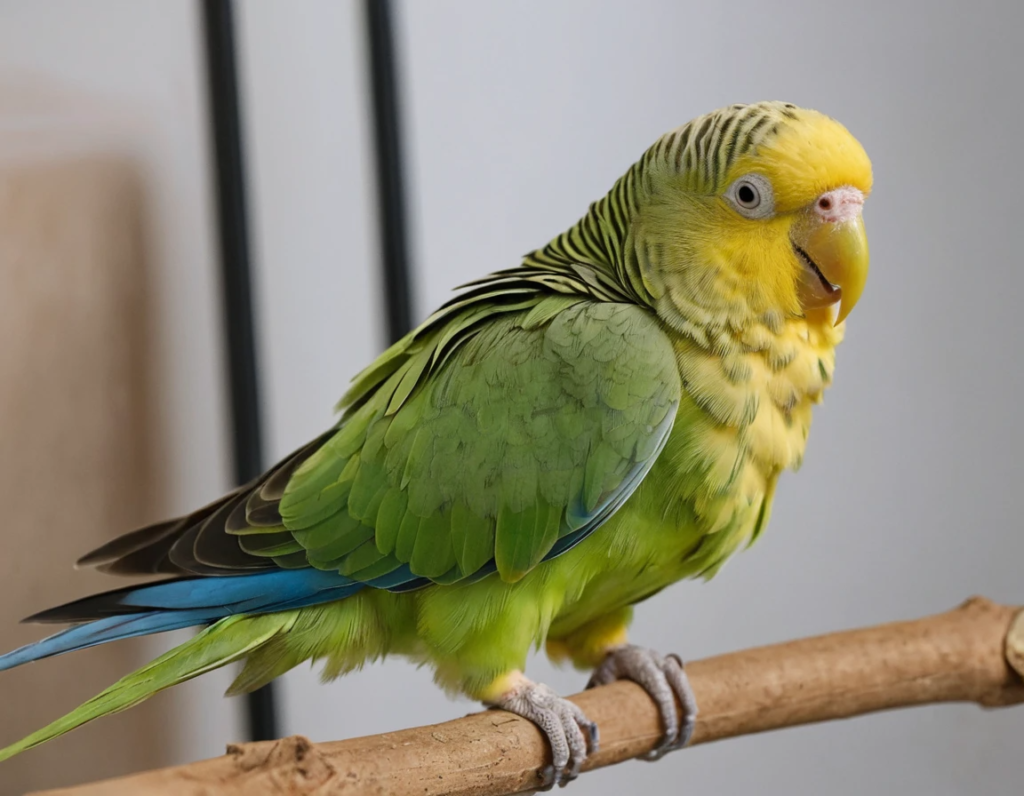
Sometimes, a baby parakeet needs a new home. Maybe it was rejected by its parents, or you’re hand-raising it. Whatever the reason, a nest box won’t do. You need a brooder—a fancy word for a warm, safe, DIY nursery.
Setting one up might sound complicated, but it’s easier than assembling IKEA furniture (and there are no leftover screws, we promise). Here’s your simple guide to creating the perfect homemade brooder for a baby parakeet.
What You’ll Need: Your Brooder Shopping List
You don’t need a spaceship-level incubator. A few simple household items will do the trick.
- The Container:A small, clean plastic storage bin or a sturdy cardboard box works perfectly. Just make sure it’s deep enough that the chick can’t tumble out.
- The Heating Pad:This is the heart of your brooder. A standard human heating pad is ideal. You need one without an auto-shutoff feature.
- Bedding:Paper towels are the best choice for newborn chicks. They are soft, absorbent, and easy to change. Avoid wood shavings, as the dust can be harmful.
- A Thermometer:This is your most important tool. A simple digital thermometer/hygrometer combo will let you keep a close eye on the temperature for a parakeet brooder.
- Some Extras:A small, shallow dish for water (to add humidity, not for drinking) and a tiny, rolled-up towel to act as a “nest” for the chick to snuggle against.
Step 1: Set the Stage (And the Temperature)
The number one job of a brooder is to keep a constant, perfect temperature. A chilled chick is a dead chick, so this is serious business.
Place the heating pad under only one half of the brooder container. This creates a “temperature gradient”—a warm side and a cooler side. This way, the chick can move away if it gets too hot.
The ideal brooder temperature for parakeet chicks depends on their age:
- Hatchlings (1 week old):95°F (35°C)
- 2-3 weeks old:90°F (32°C)
- Fully feathered (4+ weeks):75-80°F (24-27°C)
Use your thermometer to check the temperature right where the chick will be sitting. Adjust the heating pad setting until it’s just right.
Step 2: Make it Cozy and Safe
Line the bottom of the container with several layers of paper towels. This creates a soft, cleanable surface. Crumple a few more and make a little “nest” wall for the chick to lean against, so it doesn’t splay its legs.
Place the small water dish on the cool side of the brooder to gently increase humidity, which helps prevent dehydration.
Step 3: The Final Checks Before Move-In
Before you place the chick inside, do a final run-through:
- Temperature Stable?Double-check with your thermometer.
- Heating Pad Secure?Make sure it’s flat and won’t create hot spots.
- Lid On?You can use a mesh lid or a towel with a rubber band to allow for air flow but keep the heat in and curious pets out.
Brooder Maintenance: The Daily Chores
A brooder isn’t a “set it and forget it” operation.
- Change Bedding Daily:Wet or soiled paper towels must be replaced every day to prevent bacteria growth. A clean brooder is a healthy brooder.
- Monitor Temperature Constantly:Check the temp several times a day, especially in the first few days.
- Watch the Chick:The best indicator is the chick itself. If it’s spread out and panting, it’s too hot. If it’s huddled and shivering, it’s too cold. A content chick will be sleeping or moving around comfortably.
And there you have it! You haven’t just set up a plastic box; you’ve built a life-saving incubator. It’s a warm, safe bubble where your tiny charge can grow strong until it’s ready for the big world. Now, take a bow, you brilliant birdie architect
Splayed legs in baby parakeets
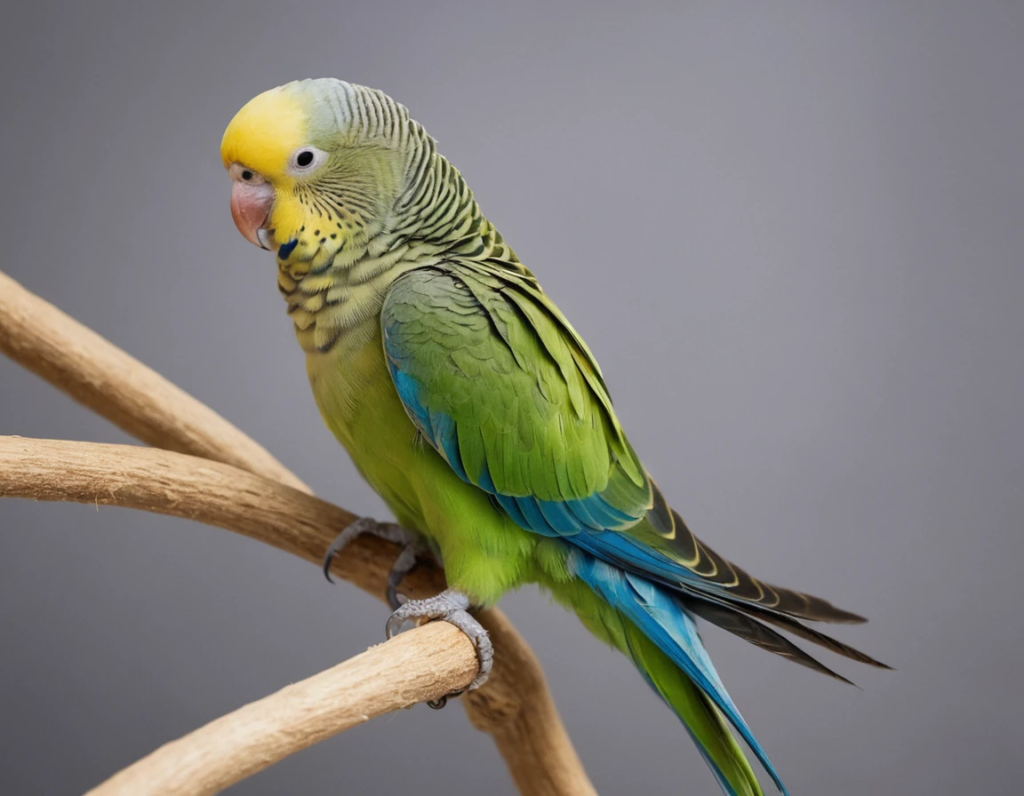
You peek into your parakeet’s nest and see one of the chicks doing what looks like a permanent, involuntary split. Its legs are splayed out to the sides, and it’s struggling to stand up. This condition has a name: splayed legs, and it’s more common than you think.
The good news? If you catch it early, it’s often completely fixable. Let’s talk about what causes it and the simple tricks you can use to help your chick get back on its feet.
What Are Splayed Legs, Anyway?
Splayed legs (sometimes called “spraddle leg”) is a condition where a baby bird’s legs slip out from under it, making it impossible to stand properly. Instead of being tucked underneath, the legs point out to the sides. The chick ends up sitting on its belly, looking a bit like a tiny, feathered frog.
It’s not just a cosmetic issue. A chick with splayed legs can’t get to the food dish, can’t move around easily, and will have a poor quality of life if it’s not corrected.
Why Does This Happen?
Think of a baby parakeet chick as being made of Jell-O—it’s wobbly and needs support. Splayed legs in parakeets usually happen for a few key reasons:
- A Slippery Nest Floor:This is the #1 culprit. If the bottom of the nest box is too smooth and slippery (like bare plastic), the chick’s legs can’t get any grip. They just slide out in every direction, like a cartoon character on a banana peel.
- Injury or Weakness:Sometimes, a chick can be injured during hatching or be born with weaker legs.
- Crowded Nest:If the nest is too crowded, chicks can get stuck in awkward positions that strain their developing legs.
The Fix: How to Make a “Leg Brace” for a Tiny Bird
Fixing splayed legs is all about gently guiding the legs into the correct position and providing support. The most common solution is to make a homemade “hobble” or brace. It sounds scary, but it’s actually quite simple.
What you’ll need:
- A soft, breathable material like a pipe cleaner, a fluffy piece of yarn, or a twist tie from a bread bag.
- A small piece of foam or a soft eraser.
The “Get-Back-On-Your-Feet” Plan:
- Create a Figure-Eight:Take your soft material and shape it into a loose figure-eight.
- Position the Legs:Gently place each of the chick’s legs into one of the loops of the figure-eight. The goal is to bring the legs into a normal, underneath-the-body position. They should be hip-width apart, not forced tightly together.
- Add Padding:Place the small piece of soft foam between the legs to keep them from chafing.
- Check for Comfort:The brace should be snug enough to hold the legs in place, but loose enough that you can easily slip a fingertip underneath. You are guiding, not strangling!
- Fix the Floor:While the chick is wearing the brace, fix the nest box floor! Line it with a non-slip material like a rough towel or shelf liner. This is the most important step to prevent it from happening again.
How Long Does the Chick Need to Wear This?
Leave the brace on for 2-3 days, then gently remove it to check the progress. You may need to put it back on for another few days. Most chicks show significant improvement within a week. The younger the chick is when you start treatment, the faster and more complete the recovery will be.
You’re not just a bird owner; you’re a tiny physical therapist. With a little soft yarn and a lot of patience, you can correct splayed legs and give your chick a chance to run, jump, and perch like all the other birds. Now, go be a hero to that little one doing the splits
Parakeet Chick Care FAQs: From Hatchling to Fledgling
1. What do you feed a newborn parakeet chick?
For the first few weeks, they eat a special hand-feeding formula for parrots. It’s a powder you mix with warm water. Never use human baby food or dairy!
2. How often do I need to feed a baby parakeet?
Get ready for a busy schedule! Newborns need feeding every 2-3 hours, from sunrise until midnight. As they grow, the stretches between meals get longer.
3. What temperature should the formula be?
It needs to be just right—around 104-106°F (40-41°C). Test it on your wrist like a baby’s bottle. Too hot burns, too cold causes digestion issues.
4. What is the “crop” and why is it important?
The crop is a food-storage pouch in the chick’s neck. A full crop after feeding and an empty crop before the next meal are the best signs you’re on the right track.
5. The parents are feeding them. What’s my job?
Your job is to be the grocery shopper! Feed the parents a super-healthy breeding diet full of nutrients, and they’ll pass it on to the chicks.
6. How can I tell if a baby parakeet is healthy?
Look for a full crop, active wiggling (especially at feeding time), clean skin and beak, and normal droppings. A healthy chick is a hungry, wiggly, and pooping machine.
7. What are splayed legs?
It’s when a chick’s legs slide out to the sides, like it’s doing a split. It’s often caused by a slippery nest floor but can be fixed with a soft, homemade brace.
8. Why is the mother parakeet throwing babies out of the nest?
It sounds cruel, but she usually does it if a chick is sick, weak, or she’s a stressed first-time mom. She’s focusing her energy on the strongest babies.
9. My chick seems cold. What should I do?
If the parents have rejected it, you need a brooder. This is a warm, DIY incubator made with a heating pad and a plastic container to keep it at the perfect temperature.
10. When do their eyes open?
Baby parakeets are born with their eyes closed. They typically start to open them when they are between 10 and 14 days old.
11. When do baby parakeets leave the nest?
They start venturing out, becoming fledglings, around 5 to 6 weeks old. Their first flights are clumsy and hilarious to watch!
12. When do baby parakeets start eating on their own?
The weaning process starts around 5-6 weeks. They’ll make a huge mess pecking at spray millet and softened food before they finally get the hang of it.
13. How long until they are fully independent?
Most parakeet chicks are fully weaned and independent by 7 to 8 weeks of age.
14. When do they get their feathers?
They hatch naked, but by week 3-4, you’ll see pin feathers (those weird, spiky tubes) covering their body. These slowly open up to reveal their beautiful adult feathers.
15. The baby parakeet is not being fed by parents. What do I do?
First, watch for 24 hours to be sure. If the crop remains empty, it’s time for you to step in as a surrogate parent and start hand-rearing the chick.
16. How do I set up a brooder for a baby parakeet?
It’s simple! Use a plastic container, a heating pad placed under half of it (to create a warm and cool side), and line it with paper towels. A thermometer is a must to monitor the temperature.
17. What does healthy parakeet chick poop look like?
It should be well-formed with a dark, solid part (the feces) and a smaller, white, creamy part (the urates). Watery or discolored poop can be a sign of trouble.
18. The chick has food stuck on it. Should I clean it?
Yes! Gently clean dried formula off its beak and feathers with a warm, damp cloth or cotton swab. A clean chick is a healthy chick and prevents infection.
19. What is “sour crop”?
This is a serious condition where food ferments in the crop because it isn’t emptying. The crop will feel hard and smell bad. This is a vet emergency!
20. When should I call a vet?
Trust your gut. If the chick is limp, cold, not eating, has a hard/smelly crop, or you’re just really worried, don’t wait. Call an avian vet. It’s always better to be safe