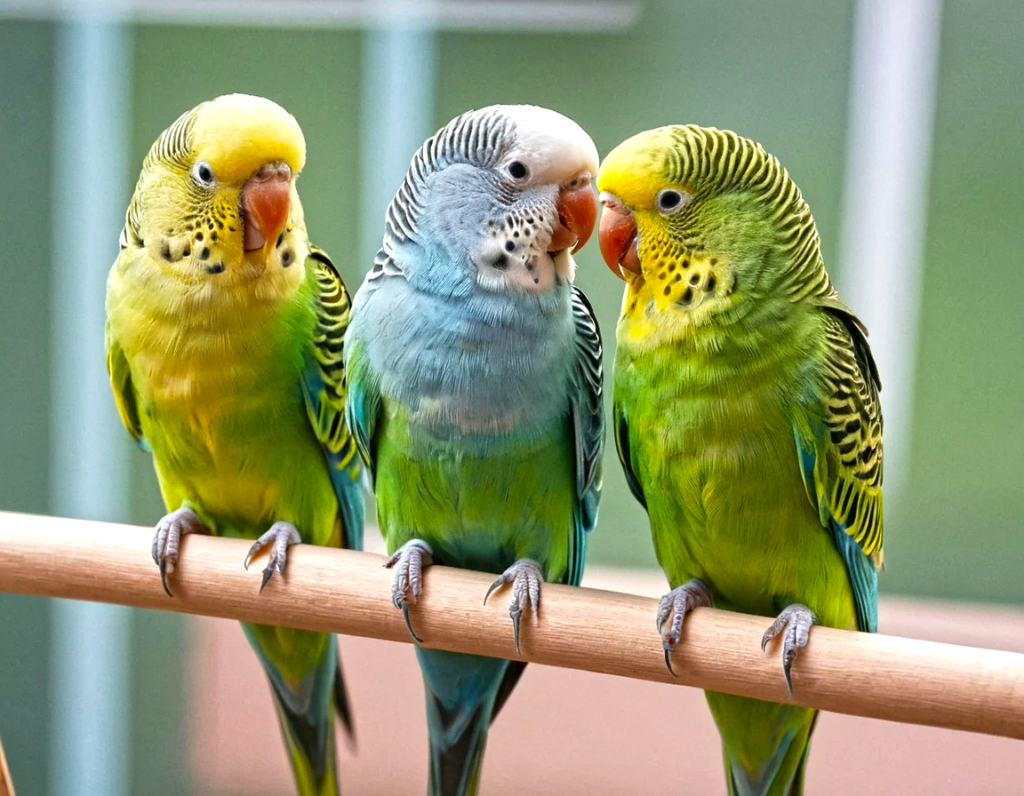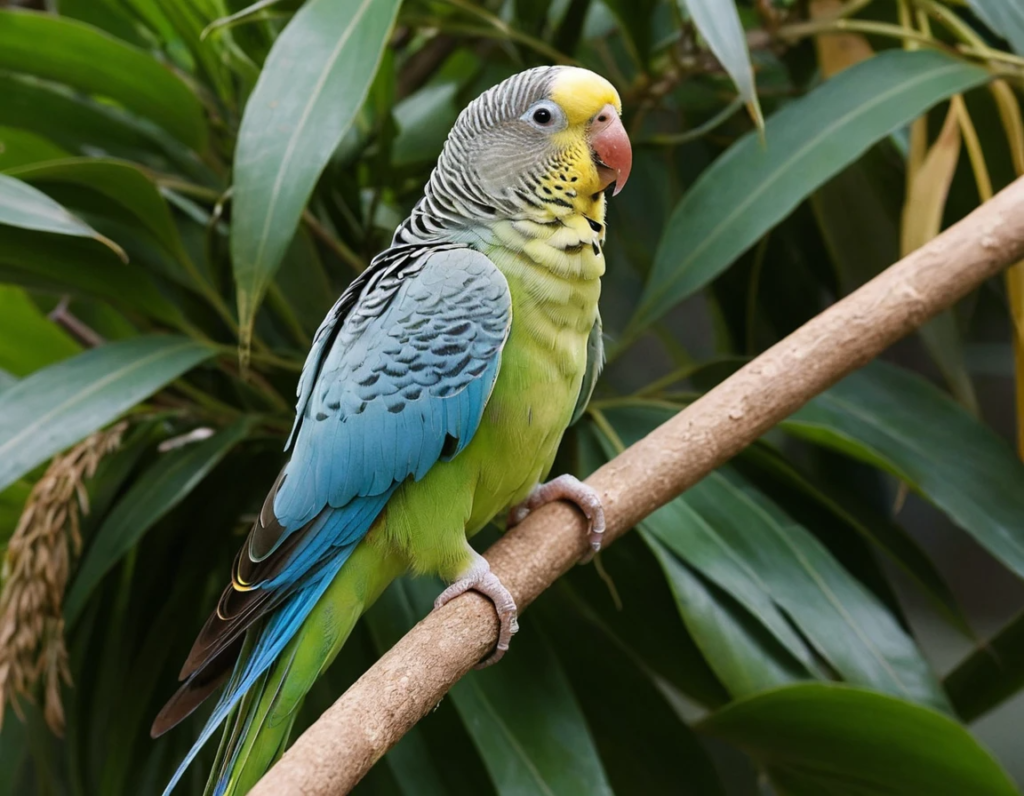
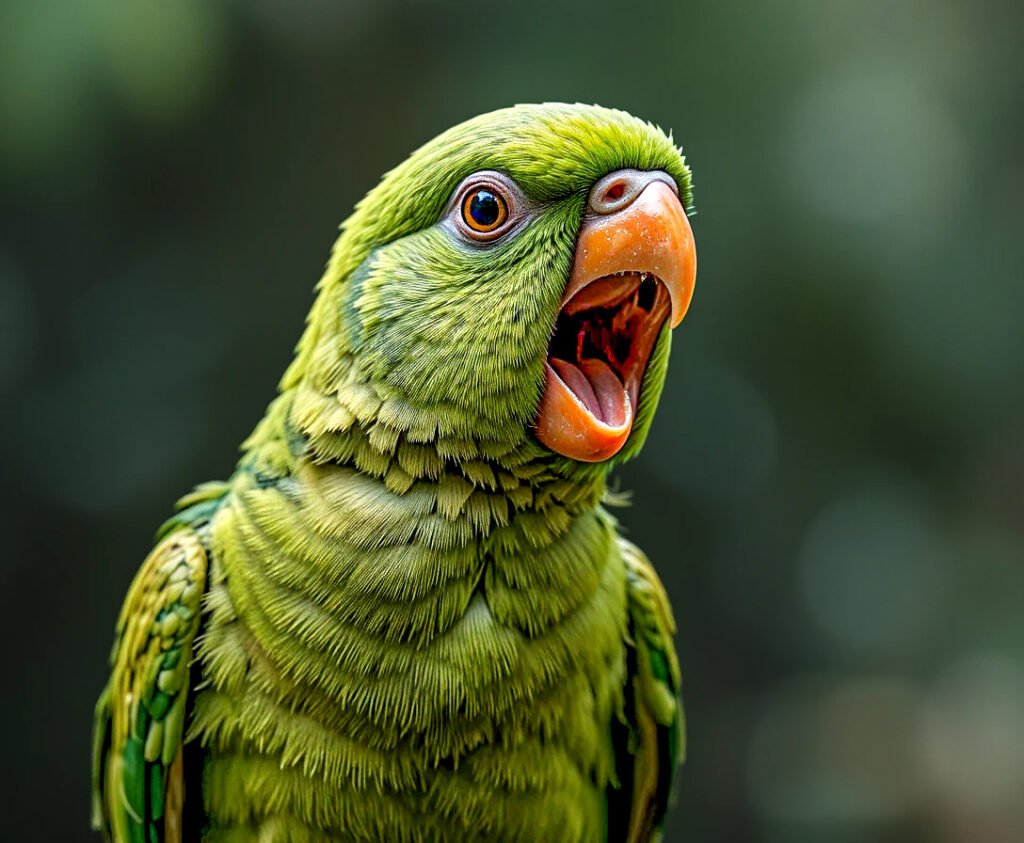
So, you're wondering about the parakeet noise level? Let's Chirp About It.
Thinking of welcoming a feathered friend into your home? If a parakeet is on your list, you’ve probably asked the big question: “Are these little guys loud?”
Well, let’s just say they won’t drown out your favorite rock band, but they definitely won’t be taking a vow of silence. Understanding parakeet behavior is key to answering the are parakeets loud question once and for all.
The Good, The Bad, and The Chirpy
First, the good news. Parakeets don’t have the lung capacity of a macaw. You won’t get noise complaints from three blocks away. Their sound is more like a constant, busy chatter—think of a happy, feathered coffee shop.
Most of the time, their chirping and singing is a sign of a happy parakeet. It means they’re content, playing, or just practicing their latest album. This is the sound you want to hear! It’s the soundtrack of a healthy bird.
When the “Volume” Goes Up
Now, let’s talk about the not-so-melodic times. Why is my parakeet so loud? You might hear this during their morning “wake-up call” (also known as the dawn chorus) or their evening “where is everyone?” squawk. This is a parakeet contact call. In the wild, they use these to check in with their flock. In your home, you are the flock. They’re basically just yelling, “Hey! You still there?”
Sometimes, a parakeet screaming session can mean they’re bored, hungry, or something startled them. It’s their way of saying, “Hey, human! The service here is terrible!”
Keeping the Peace: Parakeet Care Tips
So, how do you quiet a noisy parakeet? You can’t put little earmuffs on them (tempting, I know). The best strategy is to work with their instincts.
- Flock Talk: Spend time with them! A lonely parakeet is a loud parakeet.
- Toy Story: Give them plenty of parakeet toys to shred and climb. A busy beak is a quieter beak.
- Cover Up: If they’re chirping at the crack of dawn, a light-proof cage cover can help convince them it’s not quite time for their concert.
And if you’re worried about parakeets as pets for apartments, fear not. Their noise is generally not wall-shaking. Just be a good neighbor and maybe don’t put their cage against a shared wall.
The Final Verdict
At the end of the day, the parakeet noise level is a trade-off. You get a tiny, hilarious, and interactive companion who provides a constant stream of cheerful background noise. It’s not for someone who craves absolute silence, but for the right person, it’s the most beautiful sound in the world.
Just remember, a chirping parakeet is a happy parakeet. And isn’t that what we all want?
Are Parakeets Loud? The Chirpy Truth No One Tells You
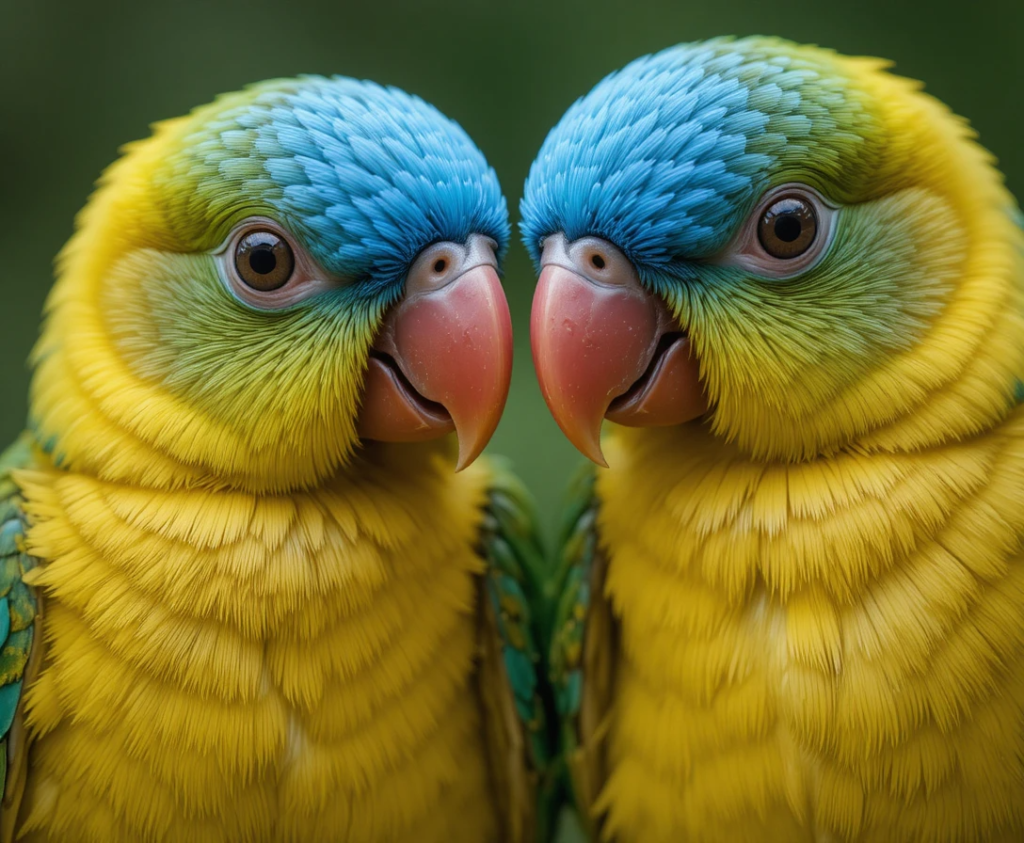
So, you’re thinking about getting a parakeet. You’ve seen the cute photos, the beautiful colors, and you imagine a quiet, pretty little bird sitting peacefully on your finger. It’s a lovely dream. But then a question pops into your head: “Are parakeets loud?”
Let’s get straight to the point. Are they loud? Well, no. And also, yes. Let me explain that before you think I’ve lost my marbles.
The Happy Chatter: Your New Soundtrack
For the most part, parakeet noise isn’t what you’d call deafening. You won’t be getting noise complaints from your neighbors (unless your walls are made of tissue paper). Instead of loud, think constant. The sound of a happy parakeet is a cheerful, busy chatter.
This is their happy chirping. It’s the sound of them practicing their latest song, commenting on the bird outside the window, or discussing the day’s events with their favorite toy. It’s actually quite pleasant background noise—like living inside a peaceful garden.
This is a key part of normal parakeet behavior. If they’re chattering away, it means they’re content. A silent parakeet is often a sign of a sick or stressed bird, so you actually want to hear this!
The “Why Are You Yelling?!” Moments
Now, let’s talk about the other side of the coin. There will be times when your sweet feathered friend decides to test their vocal cords. This is usually a parakeet contact call.
In the wild, parakeets live in huge flocks. If one gets separated, it will let out a louder, sharper call—a “I’m over here!” shout. In your home, you are their flock. So, if you leave the room, they might just give you a shout to make sure you haven’t been eaten by a cat. It’s almost sweet, in a very noisy way.
You might also experience the famous “dawn chorus.” Just as the sun peeks over the horizon, your parakeet may decide it’s time for a full-blown opera performance. They are morning people, and they want to make sure you are too.
Keeping the Peace: How to Manage the Noise
Wondering how to quiet a noisy parakeet? You can’t put little earmuffs on them (tempting, I know). The key is understanding why they’re making a racket.
Often, a parakeet screaming is a sign of boredom. The solution? Great parakeet toys! A busy parakeet is a quieter parakeet. Rotate their toys to keep things interesting.
Also, make sure they’re getting enough sleep. Just like a toddler, an overtired parakeet can be a cranky, noisy one. Cover their cage for 10-12 hours at night to ensure they get proper rest.
The Final Verdict: Are Parakeets Good for Apartments?
This is a big one. Are parakeets good for apartments? Generally, yes! Their noise is rarely piercing enough to travel through walls. Their constant chatter is usually at a volume that’s contained within your space. Just be a good neighbor and maybe avoid placing their cage directly against a shared bedroom wall.
So, the bottom line on parakeet noise level is this: You’re not getting a silent statue. You’re getting a tiny, feathered comedian with a lot to say. The noise is a trade-off for the joy, color, and personality they bring into your home. And most owners find that after a while, they can’t imagine their home without that cheerful, chirpy soundtrack.
Parakeet Screaming Meaning: Is Your Bird Just Being Dramatic?
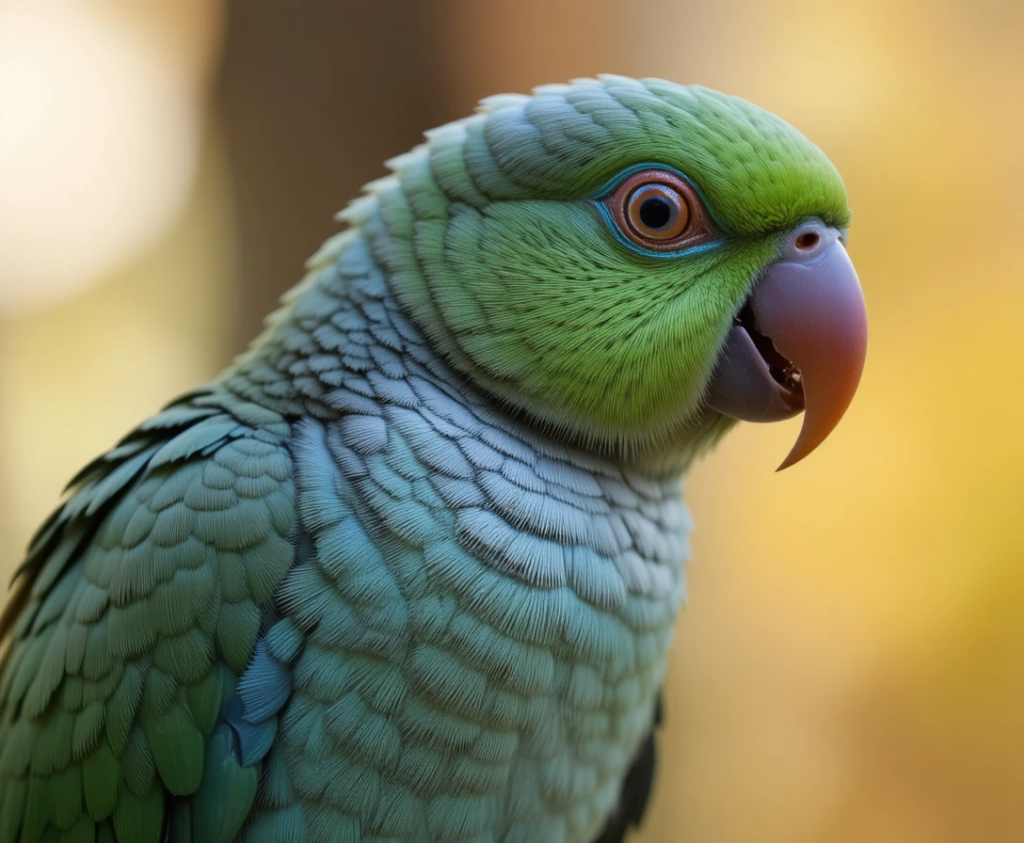
If you’ve ever been jolted awake by a sound like a tiny feathered alarm clock, you’ve experienced parakeet screaming. It can be a lot. One minute, your bird is chirping happily, and the next, it’s unleashing a noise that makes you check for tiny emergency sirens.
So, what does it mean? Is your parakeet angry? Scared? Or just practicing for a heavy metal band?
Let’s decode the drama. Understanding parakeet screaming meaning is the first step to restoring some peace and quiet.
“Hey! Where’d Everybody Go?” – The Contact Call
This is the most common reason for a sudden burst of noise. In the wild, parakeets live in large flocks. If one gets separated, it lets out a loud parakeet contact call to find its friends.
In your home, you are the flock. The moment you dare to step into another room, your parakeet might start screaming. It’s not really screaming; it’s just yelling, “Hey! You still there? Don’t forget about me!” It’s their way of making sure you haven’t been eaten by the couch.
The “I’m Bored and It’s Your Fault” Solo
Sometimes, the reason for why is my parakeet screaming is simple: sheer boredom. Imagine being stuck in the same room all day with only a few toys for company. You’d probably make some noise, too!
A lack of stimulation is a big trigger. If your parakeet isn’t getting enough parakeet toys, out-of-cage time, or interaction, screaming becomes their way of saying, “Entertain me, human! This swing isn’t as fun as it was five minutes ago!”
The “This is Scary!” Panic Squawk
Not all screaming is for attention. Sometimes, it’s genuine fear. A sudden movement, a new object in the room, or the sight of a predator (like your cat, calmly minding its own business) can cause a parakeet distress call.
This sound is often sharper and more frantic than a bored contact call. It’s crucial to check their environment and reassure them if you hear this. Good parakeet care means making them feel safe.
The “It’s My World, You Just Live In It” Celebration
Believe it or not, sometimes screaming is just… happiness. The morning dawn chorus is a classic example. When the sun comes up, your parakeet might feel the need to announce it to the entire neighborhood. It’s a natural instinct, their way of saying, “I survived the night! Let’s go!”
How to Quiet a Noisy Parakeet (Without Losing Your Mind)
So, now that you know the reasons for parakeet screaming, what can you do about it?
- Don’t Shout Back:I know it’s tempting, but running into the room and yelling “QUIET!” just tells your bird, “Great! You’re joining my loud conversation!” Instead, wait for a moment of quiet to reward them with attention.
- Check the Basics:Are their food and water bowls full? A hungry bird is a vocal bird. This is a simple part of parakeet behavior to fix.
- Create a Fun Zone:Rotate their toys regularly. A new shreddable toy or a fun puzzle can work wonders to cure boredom.
- Ensure Enough Sleep:Cover their cage for 10-12 hours at night. An overtired parakeet, like an overtired toddler, is a cranky, noisy one.
At the end of the day, a certain amount of noise is just part of life with a pet parakeet. But by listening to what they’re trying to tell you, you can turn the ear-splitting screams back into the cheerful chatter you signed up for.
How to Quiet a Noisy Parakeet: A Survival Guide for Your Eardrums

Let’s be real. You love your parakeet. You love their cheerful colors and their funny little antics. But sometimes, the non-stop chirping and squawking makes you wonder if you accidentally adopted a tiny, feathered car alarm.
If you’re searching for how to quiet a noisy parakeet, you’re not alone. The good news is, you don’t need earplugs (well, maybe sometimes). The key is to understand why they’re making a racket in the first place. Most of the time, they’re not trying to drive you crazy—they’re just trying to tell you something.
Step 1: Play Detective – Why is My Parakeet Screaming?
Before you can find a solution, you need to understand the cause. This is all about decoding parakeet behavior.
- The “Hey, I’m Lonely!” Call:In the wild, parakeets are flock animals. When you leave the room, their instinct is to do a headcount. That loud, persistent squawking is a parakeet contact call. They’re basically yelling, “Hey! Where did everyone go? Get back here!”
- The “I’m Bored Out of My Feathers” Whine:A bored parakeet is a noisy parakeet. If their cage is bare and they have nothing to do, they’ll use their voice for entertainment. It’s their version of saying, “I’m bored! Entertain me, human!”
- The “It’s Too Darn Bright” Announcement:Parakeets are early risers. That loud chirping at sunrise, known as the dawn chorus, is them greeting the day. Think of it as a very enthusiastic, non-snoozable alarm clock.
Step 2: Become a “Screaming Whisperer” – Practical Fixes
Once you know the reason, you can try these tricks to encourage a quieter parakeet noise level.
- Don’t Reward the Screaming
This is the golden rule of parakeet training. When your bird is screaming, resist the urge to run over and shout “QUIET!” From their perspective, you just joined in the noise! Instead, wait for a moment of silence. The second they pause, even for a breath, run over and give them a treat or some quiet praise. You’re teaching them that silence gets them what they want. - Beat the Boredom with Awesome Toys
This is your secret weapon. A busy beak is a quieter beak. Stock up on a variety of parakeet toys—especially foraging toys where they have to work for a treat. Rotate the toys every week so they feel like they’re getting new stuff. A tired, mentally-stimulated parakeet is more likely to take a peaceful nap than practice their heavy metal screams. - Ensure a Good Night’s Sleep
Imagine trying to sleep with the lights on. Parakeets need 10-12 hours of darkness to rest properly. An overtired parakeet is a cranky, noisy parrot. Get a light-proof cage cover. A covered, quiet cage at night can work wonders for their mood—and yours the next morning. - Let Them Out! (Safely)
Often, the best way to quiet a noisy parakeetis to let them out of their cage for some supervised fly-about time. This burns off energy, satisfies their curiosity, and strengthens your bond. Just make sure the room is bird-proofed first—no open windows or ceiling fans!
What NOT to Do
Never yell at your bird, spray them with water, or shake their cage to quiet them down. This will only scare them, break their trust, and might even make the parakeet screaming worse because now they’re stressed and loud.
Remember, a certain amount of noise is just part of having a happy parakeet. But with a little patience and these tips, you can turn the soul-piercing screams back into the cheerful chatter you fell in love with. And if all else fails, there’s always that one last, desperate option… learn to appreciate their enthusiasm.
Parakeet Chirping Sounds Meaning: Is Your Bird Gossiping or Yelling at You?
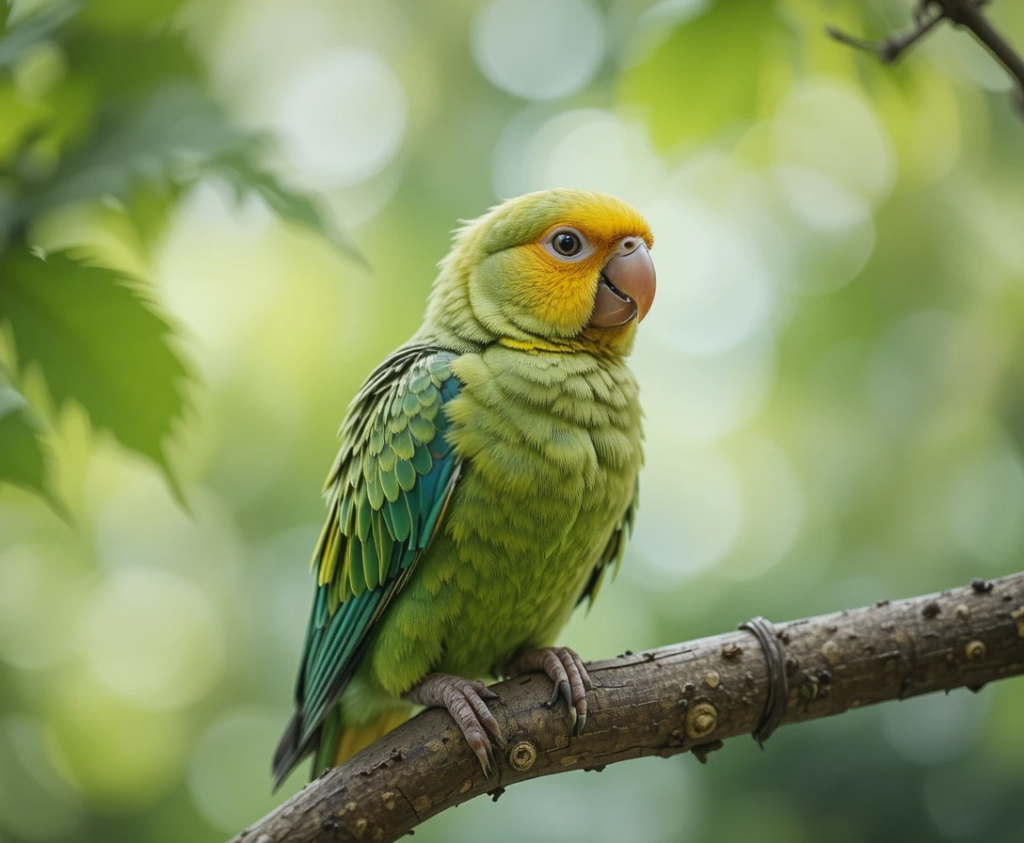
If you share your home with a parakeet, you know their cage is rarely silent. It’s a constant stream of beeps, chirps, and chatters. But have you ever stopped to wonder what it all means? Is your bird singing a happy tune, or are they complaining about the service?
Learning the parakeet chirping sounds meaning is like learning a new language. It turns random noise into a real conversation with your feathered friend. Let’s become translators!
The “Life is Good” Chorus
This is the sound you want to hear all day. It’s a gentle, musical, and random mix of chirps and warbles. When you hear this happy parakeet chirping, it means your bird is content and feeling safe.
Think of it as your parakeet humming while they work—which, in their case, involves playing with toys, eating, or just watching the world go by. This is a key sign of a happy parakeet and positive parakeet behavior. It’s their way of saying, “All is well in my kingdom.”
The “Hey! Where Is Everybody?” Call
This sound is louder, more persistent, and less musical. It’s a single, sharp chirp or a series of them, repeated like a broken record. This, my friend, is the famous parakeet contact call.
In the wild, parakeets use this to keep track of their flock. In your home, you are the flock. So, when you leave the room, they’re not screaming—they’re just calling out, “Hey! You still there? Don’t forget about me! I’m still here!” It’s almost sweet, in a very noisy way.
The Chatterbox Monologue
This one is especially common in male parakeets. It’s a soft, continuous, and fast mumble. Their beak might be moving, but the sounds are quiet and jumbled.
This is your parakeet practicing his vocabulary! He’s talking to himself, his toy, or the mirror, rehearsing all the words and sounds he knows. It’s a sign of a relaxed and playful bird. He’s basically having a full-blown conversation with himself and probably winning the argument.
The “Danger! Danger!” Squawk
This sound is impossible to miss. It’s a loud, sharp, and piercing single squawk. This is a parakeet distress call.
You might hear this if something suddenly frightens them—a loud noise outside, a large shadow, or the family dog getting a little too close to the cage. It’s their way of yelling, “RED ALERT!” and warning the flock (you) of potential danger. If you hear this, it’s good to check on them and make sure they’re okay.
The Morning “WAKE UP!” Concert
If your parakeet turns into a tiny, feathered opera singer the second the sun rises, you are experiencing the dawn chorus. This is a natural instinct. They are greeting the new day with enthusiasm and letting every other bird in the neighborhood know that they survived the night.
There’s not much you can do about this one, except maybe invest in a good cage cover. Think of it as the most natural—and least snoozable—alarm clock on the planet.
Why Understanding Their Sounds Matters
Paying attention to parakeet sounds is a huge part of good parakeet care. When you understand what they’re saying, you can figure out if they’re happy, lonely, or scared. A happy chatter means you’re doing a great job. A constant contact call might mean they need more out-of-cage time and interaction.
So, the next time your parakeet starts their performance, take a second to listen. You might just learn what they’re trying to tell you. And who knows, maybe they’re just telling their toys a really, really funny joke.
Are Parakeets Noisy at Night? The Truth About After-Dark Chirps
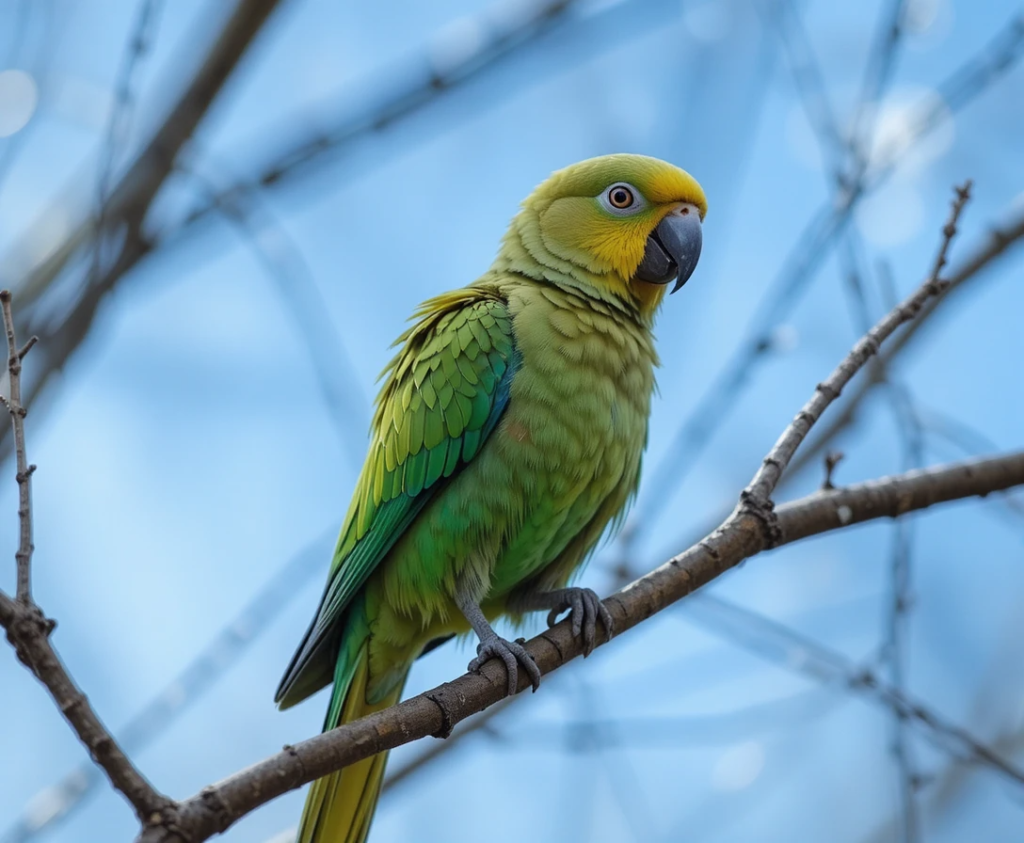
If you’re a new parakeet owner, you might be tiptoeing around your own home after sunset, terrified that one wrong move will trigger a chirp-pocalypse. It’s a fair worry. After all, these little birds can be tiny feathered powerhouses of sound during the day.
So, let’s answer the question burning a hole in your sleep-deprived brain: Are parakeets noisy at night?
The short and sweet answer is: usually, no. In fact, a noisy parakeet when the lights are out is often trying to tell you something is wrong. Let’s dive into the quiet (and the not-so-quiet) of the parakeet nightlife.
The Simple Reason for the Silence
Parakeets are diurnal. This is a fancy scientific word that means they’re basically like you and me—they wake up with the sun and get sleepy when it gets dark. Once dusk settles, their internal clock tells them it’s time to settle down and sleep.
A healthy, happy parakeet in a dark and quiet room will be just as silent as a stuffed animal. You might hear the occasional rustle or sleepy peep if they readjust their position, but that’s about it. This is normal parakeet behavior and a great sign of good parakeet care.
So, Why IS My Parakeet Chirping at Night?
If you’re hearing full-on parakeet chirping or even a parakeet screaming session in the middle of the night, it’s not because they’re hosting a secret bird rave. It’s a parakeet distress call. Something is spooking them.
Here are the usual suspects:
- The Bogeyman (aka, Light and Shadows):A sudden beam of headlights from a passing car, a flickering streetlamp, or even you turning on the hallway light can startle them awake. In the wild, sudden light means danger. Their instinct is to yell, “We’re under attack!” or at least, “Who left the lights on?!”
- Night Frights:This is a real thing. Sometimes, parakeets get spooked by a noise or a shadow in their sleep and flap around their cage in a panic. It can be scary to witness! If this happens, speak to them softly until they calm down.
- An Uncovered Cage:Using a parakeet cage cover isn’t just for our convenience; it makes them feel safe and secure. It blocks out confusing light and movement, signaling that it’s truly time for sleep. A cover is your best friend for preventing parakeet noise at night.
Your Game Plan for a Quiet Night
Want to make sure you and your feathered friend get a good night’s rest? It’s simple.
- Cover That Cage:A proper cover is the number one solution. It creates a cozy, dark den for your budgie.
- Location, Location, Location:Don’t put their cage in a room that stays busy late into the night, like the living room where the TV is on.
- Stick to a Schedule:Try to cover and uncover their cage around the same time each day. This helps regulate their sleep cycle. Parakeets and sleep go hand-in-hand—they need a solid 10-12 hours of darkness.
So, you can rest easy. The parakeet noise level at night should be close to zero. If it’s not, just play detective. Check for lights, cover the cage, and reassure your little friend. After all, everyone deserves a good night’s sleep—even the tiny, feathered ones who scream for breakfast at sunrise.
Male vs Female Parakeet Noise Level: Who Wins the Chirp-Off?
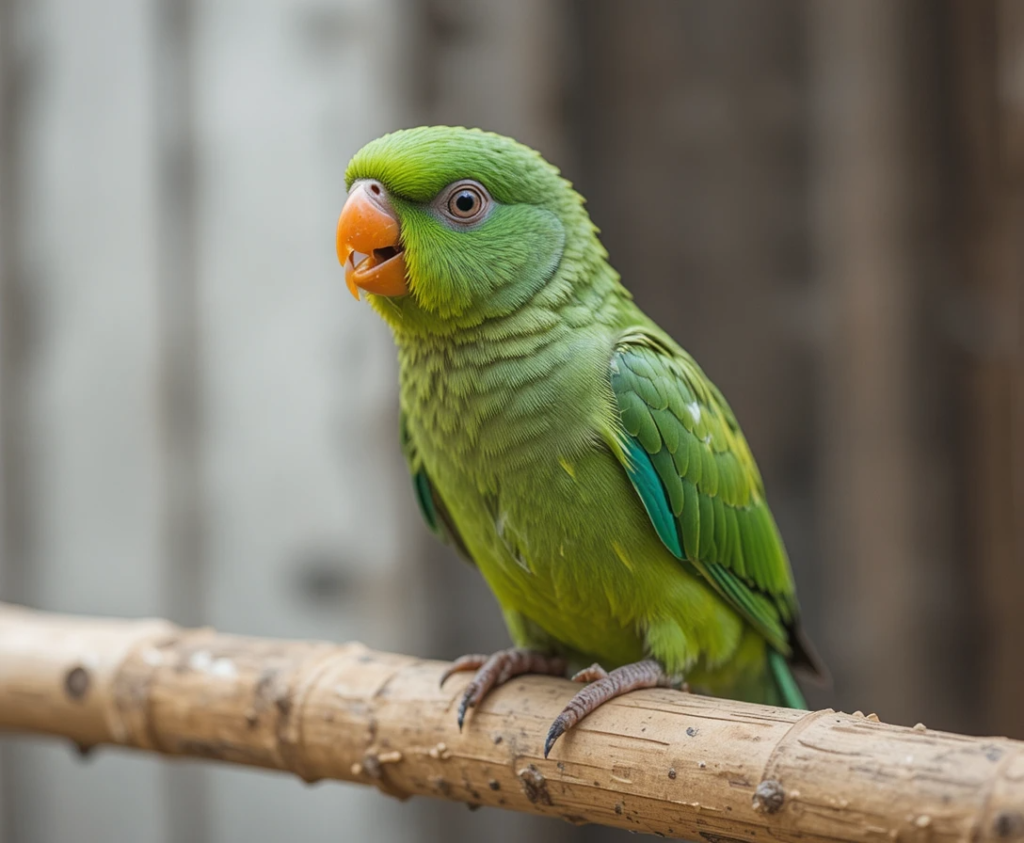
So, you’re deciding between a male and female parakeet, and the big question is: which one is quieter? It’s a smart thing to consider. After all, you’re choosing a roommate, not a personal alarm clock you can’t turn off.
The truth is, both can make noise, but they often have very different styles. Let’s settle the great debate of male vs female parakeet noise level.
The Male Parakeet: The Chatty Crooner
Imagine a tiny, feathered poet who loves the sound of his own voice. That’s your male parakeet.
Male parakeets are generally the more vocal and musical of the two. Their parakeet chirping is often a long, rambling, and practice warble. They love to sing, mimic sounds, and have one-sided conversations with their toys, their reflection, and you.
What to expect: A constant, pleasant background chatter. It’s less about volume and more about persistence. He’s not yelling; he’s just practicing his latest album all day long. This is a classic sign of a happy parakeet and normal parakeet behavior for males.
In short: The male is the chatty, melodic one who provides your home’s soundtrack.
The Female Parakeet: The Occasional Commentator
Now, imagine someone who is mostly quiet but isn’t afraid to speak their mind loudly and clearly when they have something to say. That’s your female parakeet.
Females tend to be less consistently noisy. You might enjoy long stretches of peace and quiet. But when they do decide to speak up, it’s often with a sharper, more single-minded chirp or squawk. It’s not a song; it’s a statement.
What to expect: Less all-day singing, but more assertive sounds when she’s hungry, annoyed, or wants attention. Her parakeet sounds can be more direct and piercing, though they usually don’t last as long as a male’s singing marathon.
In short: The female is the quieter one, but she knows how to make herself heard when it counts.
So, Which One is Truly “Quieter”?
This is the million-dollar question. The answer depends on what kind of noise bothers you.
- If you dislike constant background noise, a female might be the quieter choice. You’ll get more periods of silence.
- If you dislike sudden, sharp, or loud outbursts, a male might be the quieter choice. His noise is more of a steady, musical hum.
When it comes to parakeets as pets for apartments, this is a key thing to think about. A male’s constant chatter might blend into the background for neighbors, while a female’s occasional loud squawk might be more noticeable.
The Bottom Line: It’s About Personality
While these general rules about male vs female parakeet noise are helpful, remember that every bird is an individual. You might get a super-talkative female or a very quiet male.
The best approach is to spend some time with the birds before you choose. See which personality you connect with. Whether you pick the chatty crooner or the assertive commentator, you’re in for a world of fun, feathers, and, yes, a little bit of noise.
After all, a little chirping is just the sound of a happy home.
Parakeet Sounds Happy: A Guide to Your Bird's Joyful Noises

Is your parakeet making noise? Good! In the world of parakeets, a noisy bird is often a happy bird. While a sudden screech might mean they’ve seen a squirrel they don’t like, most of the sounds you hear are actually signs of contentment.
Learning to recognize parakeet sounds happy is one of the most rewarding parts of being an owner. It’s your feathered friend’s way of giving you a thumbs-up. So, what does a happy parakeet sound like? Let’s translate the chatter.
The Happy Chatter: The Sound of a Content Bird
This is the sound you want to hear all day long. It’s not too loud, and it’s not aggressive. It’s a soft, musical, and random mix of chirps, warbles, and whistles.
Imagine your parakeet is humming while they work. That’s exactly what this is. You’ll hear this gentle parakeet chirping when they are:
- Playing with their favorite parakeet toys.
- Enjoying a tasty treat.
- Simply looking out the window, commenting on the world.
This cheerful noise is the cornerstone of happy parakeet behavior. It means they feel safe, healthy, and entertained in their environment. It’s the soundtrack of a bird that thinks you’re doing a great job with their parakeet care.
The “Beep-Boop” Practice Session
Does your parakeet ever sound like a tiny, feathered robot? You might hear them making odd, experimental noises like soft beeps, clicks, or even trying to mimic a word you say.
This is a fantastic sign! It means your parakeet is relaxed, curious, and expanding their vocal repertoire. They’re essentially talking to themselves, practicing for their big debut. It’s a clear sign of a stimulated and happy parakeet.
The Morning Song (A.K.A. The Dawn Chorus)
If your parakeet turns into a tiny opera singer the moment the sun comes up, don’t be alarmed. This is a natural instinct called the dawn chorus. They are greeting the new day with enthusiasm, stretching their vocal cords and telling all the other birds (in your house, at least) that they’re awake and ready for action.
While it might test your love of sleeping in, this morning concert is a powerful sign of a healthy, happy bird.
Happy Sounds vs. “What’s Wrong?” Sounds
It’s helpful to know the difference between happy noises and stressed ones. A happy parakeet chirping is melodic and varied. A parakeet screaming or a sharp, single-note squawk is usually a contact call or a sign of fear.
The happy sounds are the ones that sound like a conversation. The distressed sounds are the ones that make you jump out of your chair.
How to Encourage More Happy Sounds
Want to hear more of that lovely chatter? It’s simple! Keep your bird content.
- Spend Time Together:Talk to them softly and let them out for safe fly-about time.
- Provide a Fun Cage:Rotate their toys to prevent boredom.
- Offer Healthy Treats:A little millet spray can inspire a symphony of happy chirps.
So, the next time your parakeet starts its daily podcast, take a moment to listen. Those aren’t just random noises. They’re a review of your pet-parenting skills, and it sounds like you’re getting a five-star rating
Why Is My Parakeet So Loud in the Morning? The Dawn Chorus Explained

If your parakeet has become your very own, very enthusiastic, and utterly unsnoozable alarm clock, you’re not alone. Many parakeet owners wake up to a sudden burst of chirps, squawks, and songs each morning. It can feel like your bird is personally demanding you get up and make them breakfast.
So, why is your feathered friend so loud at the crack of dawn? The short answer is: it’s completely natural! Let’s dive into the reasons behind the morning concert, also known as the dawn chorus.
The Main Culprit: It’s In Their Genes
In the wild, parakeets live in large flocks in the Australian outback. The dawn chorus is a universal bird behavior. As the sun rises, they all start singing for a few key reasons:
- The “I Survived the Night!” Celebration:The night is full of dangers for a small bird. A successful morning is cause for celebration! Their loud parakeet chirping is basically their way of saying, “Hey everyone, I made it! Let’s get this day started!”
- The Flock Roll Call:Your parakeet needs to check in with its flock. In your home, that flock is you. So, all that noise is a parakeet contact call directed at you and any other pets. They’re making sure everyone is accounted for and safe.
- Claiming Their Territory:The morning songs are also a way to announce, “This is my tree!” or in your bird’s case, “This is my cage, my room, and my human!”. It’s a sign of a happy parakeet feeling secure in its home.
So, when you’re wondering why is my parakeet so loud, remember they’re not trying to annoy you. They’re just following an ancient instinct written in their DNA. They are, biologically, morning people.
Other Reasons for the Morning Ruckus
While the dawn chorus is the biggest reason, a few other things can turn up the volume:
- They’re Hungry:After a long night without food, your parakeet might be using their voice to say, “The kitchen is closed?! Unacceptable!” Making sure they have a full food dish before bed can sometimes help.
- Letting in the Light:The main trigger for this behavior is light. If the sun rises at 5 AM and hits their cage, their internal clock says “SHOWTIME!”. Even a sliver of light under the door can be their cue to start singing.
How to Manage the Morning Noise (And Get More Sleep)
You can’t fight millions of years of evolution, but you can work with it. Here are some parakeet care tips for a slightly more peaceful morning.
- The Magic of a Cage Cover:This is your number one tool. A parakeet cage cover simulates a longer, darker night. It blocks out the rising sun and can convince your bird that it’s not quite time for their performance. Just make sure the cover is breathable!
- Adjust Their Bedtime:If you cover the cage later in the evening, you can help shift their sleep schedule a little. Parakeets and sleep go hand-in-hand—they need 10-12 hours of darkness. A later bedtime might mean a later wake-up call.
- Location is Key:If possible, don’t place their cage in a room with east-facing windows where the morning sun will blast them first thing.
In the end, a loud parakeet in the morning is usually a sign of good health and happiness. It’s just their way of greeting the day with a bang. While you might not learn to love your 5 AM wake-up call, you can at least appreciate the enthusiasm. After all, how many people have a personal singer to greet them every morning?
Parakeet vs Cockatiel Noise Level: The Feathered Face-Off
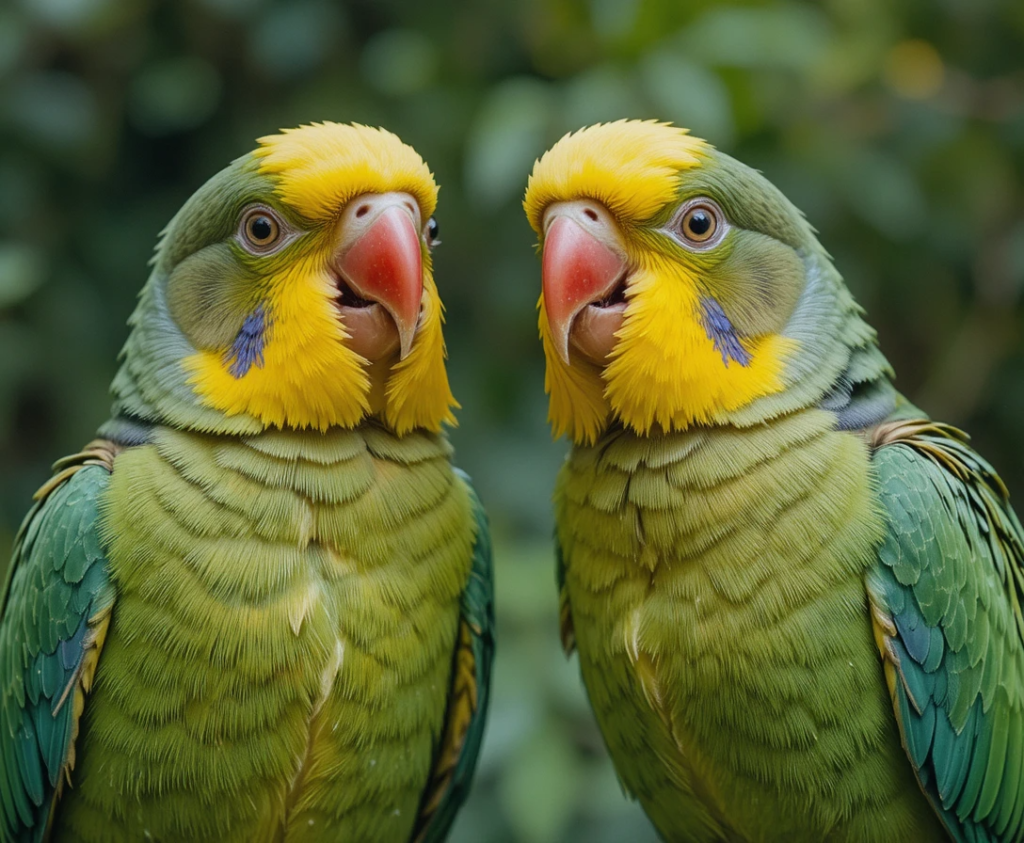
Trying to choose between a parakeet and a cockatiel? It’s a big decision! Both are fantastic pets, but one of the biggest differences comes down to sound. Your ears—and your neighbors—will thank you for doing your homework.
So, in the great debate of parakeet vs cockatiel noise level, who wins the title of “Noisiest Neighbor”? Let’s break it down, without any feathery filter.
The Parakeet: The Constant Chatterbox
Imagine the friendly, background buzz of a busy coffee shop. That’s the typical parakeet noise level.
Parakeets are social commentators. They provide a near-constant stream of cheerful parakeet chirping, chatters, and warbles throughout the day. It’s not usually very loud or piercing, but it is persistent. They’re the ones having a long, happy conversation with their reflection or telling their toys all the day’s gossip.
The Vibe: Constant, musical background chatter. It’s the sound of a busy, happy parakeet.
The Cockatiel: The Occasional Soloist
Now, imagine a talented, but sometimes dramatic, opera singer who lives in your house. Cockatiels can be surprisingly loud when they want to be.
While they can be quiet for periods, a cockatiel’s call is designed to travel long distances. Their signature sound is a high-pitched, piercing whistle or screech. Males, especially, are known for their whistling concerts, which can be charming at first but might test your eardrums after an hour.
The Vibe: Quieter moments interrupted by powerful, attention-grabbing whistles and screeches.
Side-by-Side: The Decibel Showdown
Let’s get down to the nitty-gritty of cockatiel sounds versus parakeet sounds.
- Volume:In terms of pure decibel power, the cockatiel is louder. Their single-note contact call is sharper and more designed to get your attention from across the house (or the street).
- Frequency:This is where the parakeet wins. They are far more consistently A parakeet’s chatter is like a running commentary, while a cockatiel is more of an occasional soloist.
Think of it this way: a parakeet is like a talkative friend on the phone. A cockatiel is like that same friend suddenly yelling your name from another room.
Which is Better for an Apartment?
This is the million-dollar question for many potential owners. When considering parakeets as pets for apartments, their constant chatter is usually a lower volume and can blend into the background. It’s less likely to travel through walls than a sudden cockatiel screech.
However, that piercing cockatiel whistle can definitely be heard by neighbors in close quarters. If you have thin walls, this is a crucial factor in your parakeet vs cockatiel decision.
The Final Tweets
So, who is “quieter”? It depends entirely on what kind of noise bothers you.
- Choose a parakeetif you don’t mind a constant, cheerful soundtrack and are more sensitive to sudden, loud sounds.
- Choose a cockatielif you prefer a bird that can be quiet for stretches, but don’t mind the occasional powerful whistle that comes with it.
At the end of the day, both birds make noise—it’s a sign they’re happy and healthy. You’re not choosing between silence and noise. You’re choosing your preferred genre of music. Will it be the all-day chatter station, or the occasional whistle-powered rock concert? The choice is yours
Do Parakeets Make Good Apartment Pets? The Honest Truth
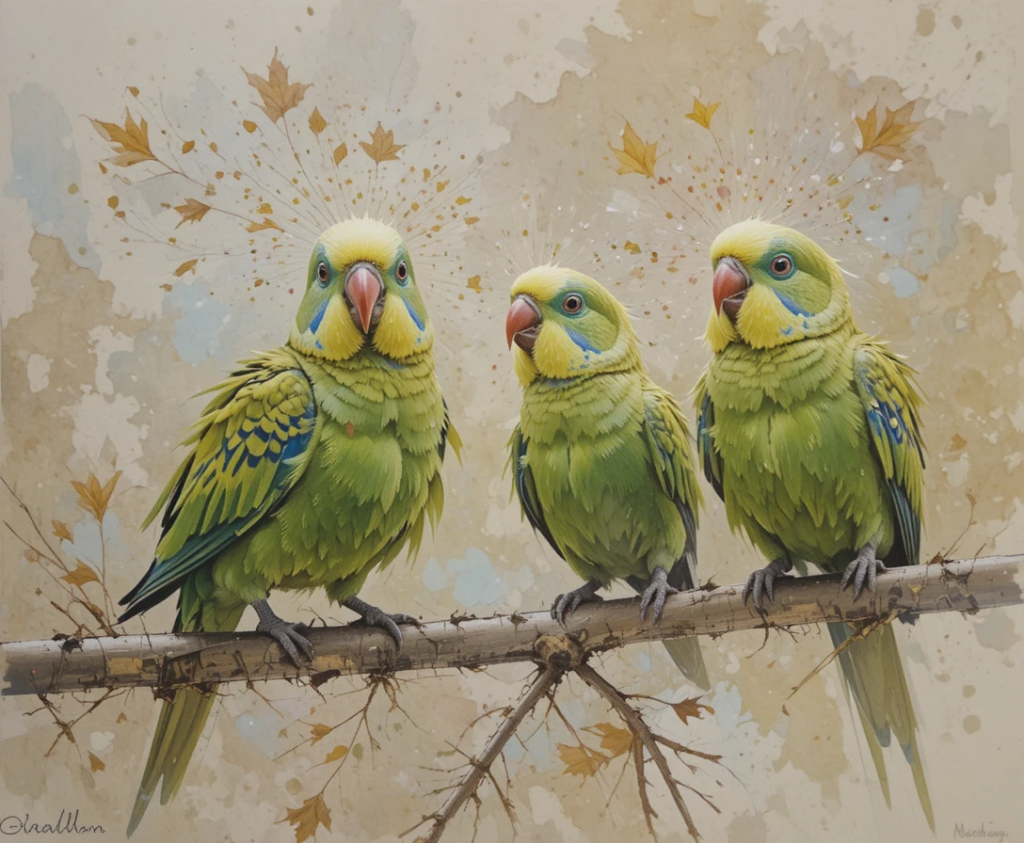
So, you live in an apartment. You want a pet, but the building manager might frown upon a full-sized dragon. A parakeet seems like a perfect, feathery solution. But then a worry pops into your head: will their chirping turn my peaceful studio into a 24/7 bird rave and get me evicted?
It’s a smart question. Let’s break down the reality of having a parakeet in an apartment. The short answer is yes, they can be fantastic apartment pets, but with a few very important “buts”.
The “Pro” Column: Why They’re a Great Fit
First, the good news! Parakeets have a lot going for them in the apartment life department.
- Space Savers:They don’t need a backyard. A spacious cage and some safe, supervised out-of-cage time in your living room is like a five-star resort for them. This makes them one of the best pets for small spaces.
- The Noise IsManageable: Let’s tackle the big one: parakeet noise level. Their sound is more “cheerful, constant chatter” than “ear-splitting siren.” It’s the background noise of a busy café, not a rock concert. This happy parakeet chirping is a sign of a content bird and is usually not loud enough to bother neighbors through walls.
- Personality Plus:For a small creature, they have huge personalities. They’re clever, can learn tricks, and watching their silly antics is better than most TV shows. Understanding parakeet behavior is a fun and rewarding hobby.
The “Con” Column: The Potential Party Fouls
Now, let’s be real. It’s not all sunshine and birdseed. There are a few challenges you need to be ready for.
- The Dawn Chorus:Remember that “manageable” noise? There’s an exception. Parakeets are early risers. The dawn chorus is their natural instinct to greet the sunrise with a powerful vocal performance. If your bedroom shares a wall with a neighbor, this 6 AM opera might be an issue. A simple cage cover can work wonders to keep things dark and quiet a bit longer.
- The Occasional Squawk:While their everyday chatter is pleasant, a startled or bored parakeet can let out a surprisingly loud parakeet contact call. It’s not constant, but it can be sharp. Keeping them happy with toys and attention is key to minimizing these outbursts.
- Feathers and Mess:Let’s just say they don’t believe in tidiness. You’ll find tiny feathers and seed husks (called “bird dust”) around their cage. A little daily cleaning is part of the deal for parakeet care.
The Neighbor Test: Your Final Exam
Before you bring a bird home, do this simple test. Stand in your hallway outside your front door. Can you hear your neighbor’s TV? Can you hear them talking? If yes, then they can probably hear a loud parakeet squawk.
The best way to be a good neighbor is to be a good owner. A bored bird is a loud bird. Plenty of parakeet toys, interaction, and a consistent sleep schedule with a cage cover are your best tools for keeping the peace.
The Final Verdict
So, are parakeets good for apartments? Absolutely, with one major condition: you have to be a responsible and attentive owner.
If you provide a great home with plenty of stimulation, their parakeet sounds will mostly be happy background music. If you’re willing to manage the morning wake-up call and the occasional loud comment, a parakeet can be the perfect, feathery little roommate to make your apartment feel like home.
So, you live in an apartment. You want a pet, but the building manager might frown upon a full-sized dragon. A parakeet seems like a perfect, feathery solution. But then a worry pops into your head: will their chirping turn my peaceful studio into a 24/7 bird rave and get me evicted?
It’s a smart question. Let’s break down the reality of having a parakeet in an apartment. The short answer is yes, they can be fantastic apartment pets, but with a few very important “buts”.
The “Pro” Column: Why They’re a Great Fit
First, the good news! Parakeets have a lot going for them in the apartment life department.
- Space Savers:They don’t need a backyard. A spacious cage and some safe, supervised out-of-cage time in your living room is like a five-star resort for them. This makes them one of the best pets for small spaces.
- The Noise IsManageable: Let’s tackle the big one: parakeet noise level. Their sound is more “cheerful, constant chatter” than “ear-splitting siren.” It’s the background noise of a busy café, not a rock concert. This happy parakeet chirping is a sign of a content bird and is usually not loud enough to bother neighbors through walls.
- Personality Plus:For a small creature, they have huge personalities. They’re clever, can learn tricks, and watching their silly antics is better than most TV shows. Understanding parakeet behavior is a fun and rewarding hobby.
The “Con” Column: The Potential Party Fouls
Now, let’s be real. It’s not all sunshine and birdseed. There are a few challenges you need to be ready for.
- The Dawn Chorus:Remember that “manageable” noise? There’s an exception. Parakeets are early risers. The dawn chorus is their natural instinct to greet the sunrise with a powerful vocal performance. If your bedroom shares a wall with a neighbor, this 6 AM opera might be an issue. A simple cage cover can work wonders to keep things dark and quiet a bit longer.
- The Occasional Squawk:While their everyday chatter is pleasant, a startled or bored parakeet can let out a surprisingly loud parakeet contact call. It’s not constant, but it can be sharp. Keeping them happy with toys and attention is key to minimizing these outbursts.
- Feathers and Mess:Let’s just say they don’t believe in tidiness. You’ll find tiny feathers and seed husks (called “bird dust”) around their cage. A little daily cleaning is part of the deal for parakeet care.
The Neighbor Test: Your Final Exam
Before you bring a bird home, do this simple test. Stand in your hallway outside your front door. Can you hear your neighbor’s TV? Can you hear them talking? If yes, then they can probably hear a loud parakeet squawk.
The best way to be a good neighbor is to be a good owner. A bored bird is a loud bird. Plenty of parakeet toys, interaction, and a consistent sleep schedule with a cage cover are your best tools for keeping the peace.
The Final Verdict
So, are parakeets good for apartments? Absolutely, with one major condition: you have to be a responsible and attentive owner.
If you provide a great home with plenty of stimulation, their parakeet sounds will mostly be happy background music. If you’re willing to manage the morning wake-up call and the occasional loud comment, a parakeet can be the perfect, feathery little roommate to make your apartment feel like home.
FAQs About Parakeet Noise (Answered Honestly)
Do parakeets make noise?
Answer: Yes, absolutely. A better question might be, “Do they ever stop making noise?” They are little feathered chatterboxes, and their noise is a sign they’re happy and healthy.
Are parakeets loud?
Answer: Not in the way a large parrot is loud. Think of it as constant, cheerful background chatter rather than window-rattling screams. The parakeet noise level is more “busy coffee shop” than “rock concert.”
What does a happy parakeet sound like?
Answer: Happy parakeet chirping is a soft, musical, and random mix of tweets, warbles, and whistles. It sounds like they’re humming while they work on important bird business.
Why does my parakeet scream?
Answer: This is usually a parakeet contact call. They’re flock animals, and if you leave the room, they’re basically yelling, “Hey! Where did you go? Get back here and admire me!”
Are parakeets noisy at night?
Answer: Thankfully, no! They are diurnal, meaning they’re active during the day and sleep at night. A noisy parakeet at night is often startled or needs a darker, quieter room to sleep in.
Why is my parakeet so loud in the morning?
Answer: Welcome to the dawn chorus! It’s a natural instinct. They’re greeting the sunrise, checking in with the flock (you), and announcing, “I survived the night! Let’s eat!”
How can I quiet a noisy parakeet?
Answer: The key isn’t to make them silent, but to address the cause. Often, they’re bored or lonely. More parakeet toys, out-of-cage time, and interaction are your best bets for how to quiet a noisy parakeet.
Are male or female parakeets louder?
Answer: It’s a style difference. Males are often more consistently chatty and musical. Females can be quieter overall but might make sharper, more assertive chirps. It’s a trade-off between a constant singer and an occasional commentator.
Do parakeets make good apartment pets?
Answer: Generally, yes! Their typical chatter isn’t usually loud enough to bother neighbors. The main challenge is the morning dawn chorus, which a cage cover can help manage.
What does it mean when my parakeet is chattering softly?
Answer: That’s the sound of a super content bird! This soft parakeet chattering means they’re relaxed, maybe talking to a toy, or just practicing their vocabulary. It’s a very good sign.
Is a loud parakeet a happy parakeet?
Answer: Usually, yes! Constant noise is normal parakeet behavior. You should start to worry if your noisy bird suddenly becomes very quiet, as that can be a sign of illness.
Can you train a parakeet to be quiet?
Answer: You can’t train them to be silent, but you can train them not to scream for attention. The trick is to reward quiet moments with treats and attention, and not to reward the loud ones.
What is the loudest sound a parakeet makes?
Answer: The loudest is usually a sharp, single-note squawk. This can be a parakeet distress call if they’re scared, or a very insistent contact call if they feel ignored.
Do parakeets scream when they are scared?
Answer: Yes. A sudden, piercing squawk often means something startled them. It’s their way of yelling, “Red alert! Something is suspicious!” (This is often the ceiling fan.)
Should I cover my parakeet’s cage to make it quiet?
Answer: A cover is great for ensuring they get 10-12 hours of dark, quiet sleep. But don’t use it as a punishment to shut them up during the day—that doesn’t address the real problem.
Why does my parakeet make noise when I leave the room?
Answer: That’s the classic parakeet contact call in action. You are their flock! They’re just making sure you haven’t gotten lost on your way to the kitchen.
Do parakeets make noise all day?
Answer: Pretty much! They take little naps, but for the most part, they provide a near-constant soundtrack of chirps and chatter. A silent parakeet is often a sleepy or unwell parakeet.
What’s the difference between happy chirping and distressed noise?
Answer: Happy parakeet sounds are melodic and varied. Distressed noises are often single, sharp, repetitive squawks that sound more urgent. Your ears will learn the difference!
Are parakeets louder than cockatiels?
Answer: It’s a tie! Parakeets are more consistently noisy with their chatter. Cockatiels can be quieter for longer but have a much louder, piercing whistle. So, it’s constant chatter vs. occasional powerful solos.
Will my parakeet ever be completely silent?
Answer: Yes—when they’re sleeping! Otherwise, some level of noise is just part of the package. Think of it not as noise, but as your personal, live-in bird podcast.