
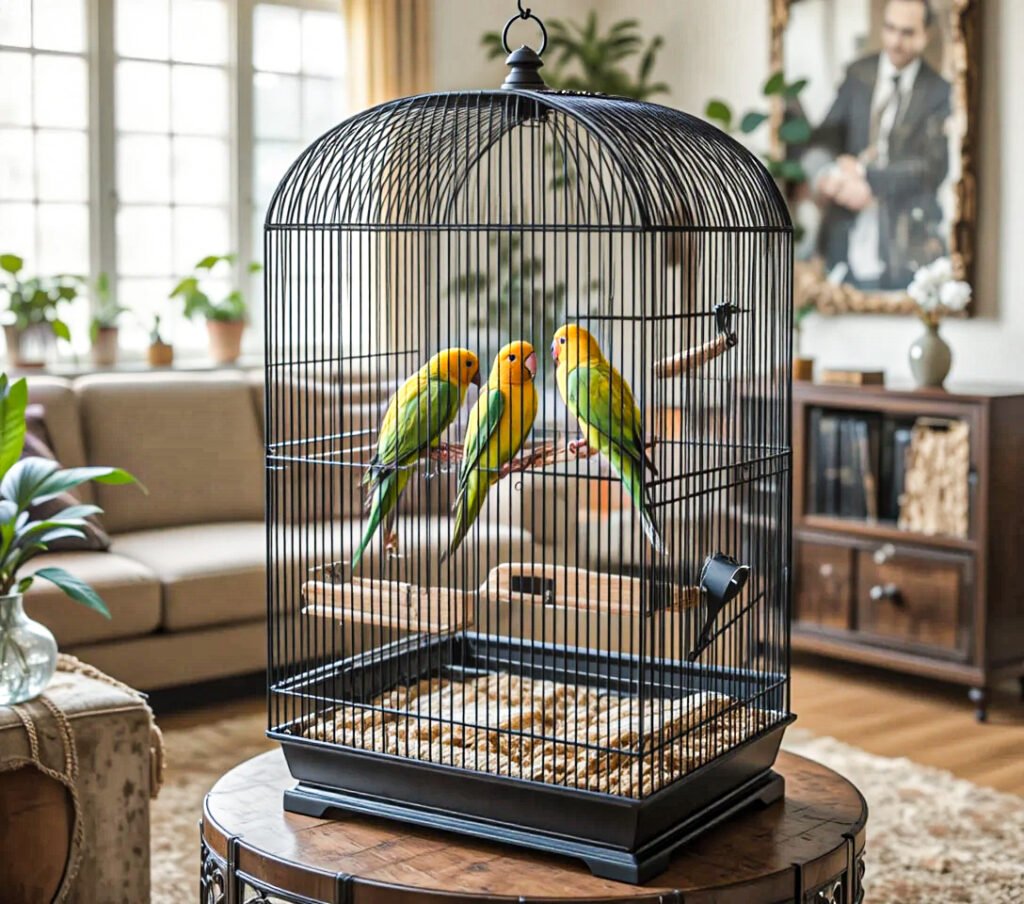
Is it okay to put a parakeet cage near a window?
Is It Okay to Put a Parakeet Cage Near a Window? The Sunny Truth
So, you’ve got a fabulous, feathered friend and a shiny new cage. Now comes the great household debate: where to put the thing? The spot by the window seems perfect—great light, a view, maybe a nice plant nearby. But then a little voice in your head whispers, “Is this actually a good idea, or am I about to turn my budgie into a tiny, feathered sun-dried tomato?”
It’s a classic parakeet parenting puzzle. Let’s crack it open, seeds and all.
The Allure of the Window: Why We’re Tempted
Let’s be honest, we think it’s nice. Placing a birdcage near a window feels right. Natural sunlight is a fantastic source of vitamin D for your budgie, which is crucial for their health. They get a front-row seat to the great outdoors—birds flying, leaves rustling, and the occasional squirrel drama. This “bird TV” can provide great mental stimulation. Plus, from a human perspective, a cage by a bright window just looks cheerful.
It’s the Instagram-worthy parakeet cage setup. But is it the best for your bird? Well… it’s complicated.
The “Not-So-Feathered-Friend”: Dangers of a Window Spot
Here’s where we get to the nitty-gritty. A window can be a tricky neighbor for your parakeet. Think of it like this: you wouldn’t want to sit in a drafty, unpredictable spotlight all day, would you?
- The “I’m Melting!” Effect (Direct Sunlight):This is the biggest risk. Direct sunlight through a window can turn a cage into a miniature oven faster than you can say “polly wants a popsicle.” Parakeets are small and can overheat fatally in minutes. That beautiful sunny spot can become a deadly trap.
- The Sneaky Draft (Temperature Swings):Windows, even closed ones, are often the coldest spot in a room. Drafts from windows are a major no-no for parakeet health, leading to potential respiratory issues—think of it as a constant, unwanted birdie cold. The temperature can also swing wildly from day to night.
- The Horror Movie Window (Predators & Stress):To your little buddy, that large, clear panel is utterly confusing. They might see a hawk, a cat, or even a large leaf and perceive it as a direct threat, causing immense stress. A stressed parakeet is an unhealthy parakeet. It’s like living inside a thriller movie where the monster can appear at any moment, but you can’t fly away.
- The Nighttime Fright (Lack of Sleep):If your window faces a streetlight or has early morning sun, your parakeet won’t get the solid 10-12 hours of darkness they need. Imagine trying to sleep with a spotlight on your face. Grumpy parrot, anyone?
So, What’s the Best Place for a Parakeet Cage?
Don’t worry, we’re not banning windows forever. The key is safe cage placement. Think of the near in “near a window” as more of a “in the same room as, but not right against” kind of deal.
- The Side-Saddle Solution:Place the cage on a wall that is perpendicular to the window. This way, your bird gets plenty of ambient natural light without being in the direct solar firing line. It’s like having a great view of the action from a safe, shaded balcony.
- The “One Foot Away” Rule:If you really want the cage on the window wall, keep it at least a foot or two away from the glass. This buffers the temperature extremes and reduces the “I’m-in-the-sky!” panic effect.
- Curtains Are Your Co-Pilot:Use sheer curtains or blinds to diffuse harsh direct sunlight. You can create a dappled light effect that’s safe and pleasant.
- The Social Spot is Key:Ultimately, the best place for your budgie cage is where the flock is—and that’s you! Parakeets are social creatures. A spot in a living room or family room, against a wall, at about chest height (so they feel secure) is ideal. They’d rather watch your funny human antics than an anonymous pigeon any day.
The Final Perch… I Mean, Verdict.
Is it okay to put a parakeet cage near a window? The answer is a cautious “maybe, if you’re smart about it.”
A sunny, draft-free, and carefully managed window spot can work. But a cage shoved right against the pane, in full sun, is a recipe for a hot, stressed, and potentially sick bird.
Your goal is to find a safe spot for bird cage that balances light, social interaction, and environmental stability. When in doubt, choose the busy, draft-free heart of your home over the potentially dramatic window view. Your parakeet will thank you with chirps, not chills.
After all, they’re tiny, feathered soap opera stars—they create enough drama on their own without needing a view of the neighbor’s cat to add to it
Where to place parakeet cage in house? / Best place for budgie cage in home
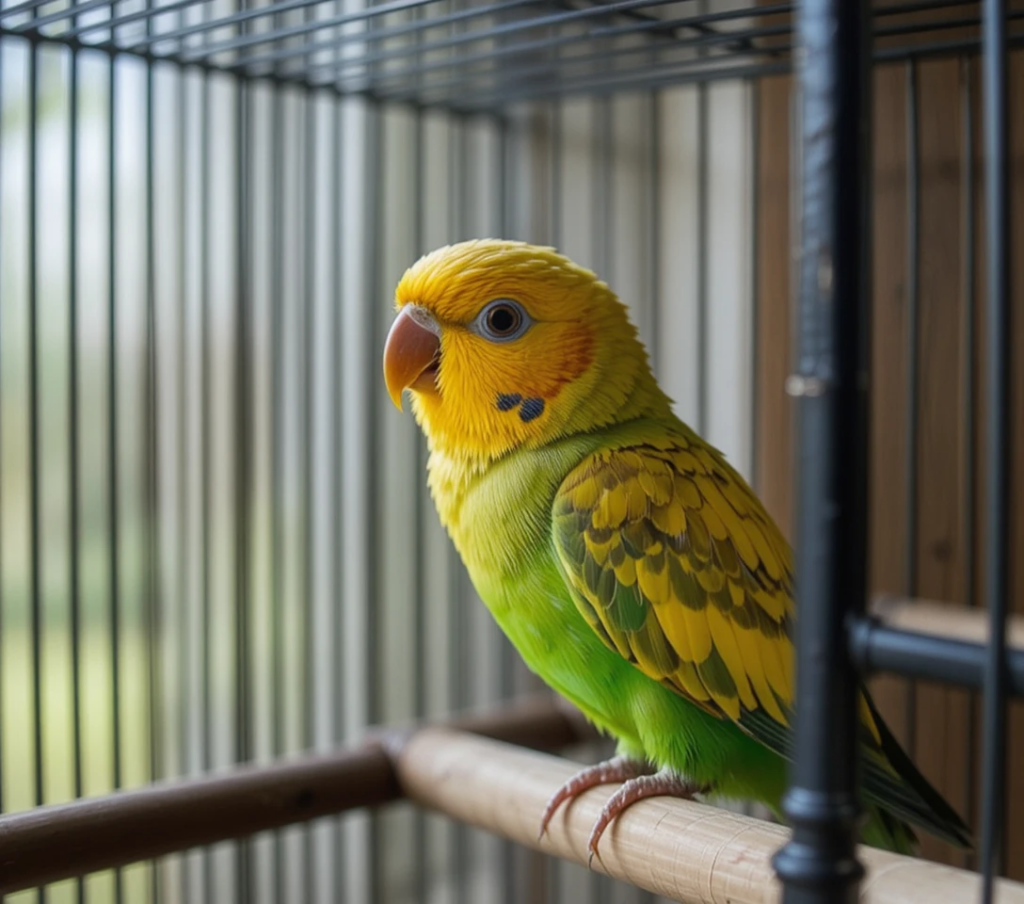
Finding the Perfect Pad: Where to Place Your Parakeet Cage
So, you’ve welcomed a chirpy, colorful little parakeet (or budgie—same fabulous bird) into your home. Congratulations! Now, you’re holding the cage and doing the slow, awkward house shuffle. “Does this look good here? How about here?” You’re not just placing a cage; you’re choosing your bird’s entire universe. No pressure, right?
Finding the best place for your budgie cage isn’t about interior design. It’s about creating a safe and happy home for a tiny dinosaur who thinks it’s a roommate. Let’s break it down, room by room, without the fluff (well, except for the feathery kind).
The Golden Rules of Parakeet Cage Placement
Before we tour the house, remember these three non-negotiables. Think of them as your bird’s real estate checklist.
- The “Party, But Not That Kind of Party” Zone: Parakeets are social butterflies. They need to be where the flock is—that’s you! A social area for a birdcage, like a living room or family room, is ideal. But it shouldn’t be Grand Central Station. You want them involved, not overwhelmed by constant chaos and noise.
- The Draft Dodger:Birds are tiny and sensitive to temperature swings. Avoiding drafts for parakeet health is crucial. That means away from air conditioning vents, frequently opened doors, and leaky windows. If you feel a breeze, it’s a no-fly zone for the cage.
- The Safe Height Principle:In the wild, height equals safety. Your home is no different. The ideal bird cage height from floor is at or just above your chest level. This lets your bird observe its domain like a little feathered king or queen, without feeling like giants are constantly looming over them. The floor is basically their scary basement.
The Tour: The Good, The Bad, and The Ugly Spots
The Prime Real Estate: The Living Room or Den
- Pros:This is often the best room for budgie cage. It’s socially active, has consistent temperatures, and usually has good light. Your bird gets entertainment and you get to enjoy their company.
- Cons:Beware of the TV or stereo speakers. Constant loud noise is stressful. Also, avoid placing the cage right next to the door to the backyard—the comings and goings of people (and possibly other animals) can be scary.
- Verdict:A top contender. Choose a wall that’s against the room’s activity, not in the middle of it.
The “It’s Complicated” Spot: Near a Window
We covered this in detail last time, but the quick recap: Side wall, good. Directly against the window in full sun, bad. It’s great for light and bird TV, but you must manage direct sunlight, drafts, and potential predator stress. It’s a high-maintenance relationship.
The Absolute No-Go Zones
Some rooms should come with a tiny “Do Not Enter” sign for your cage.
- The Kitchen:This is the danger zone. Fumes from non-stick (Teflon) pans when overheated are toxic to birds and can be fatal in minutes. Add in cooking smoke, aerosols, and steam, and it’s a recipe for disaster. Just don’t do it.
- The Bathroom:Humidity swings, hairspray, perfume, cleaning fumes… it’s a chemical rollercoaster. Also, one slip and the cage could end up in the tub. Not funny (well, maybe a little, but not for the bird).
- The Laundry Room/Garage:Fumes, drafts, isolation, and potential toxins. This is the equivalent of making your bird live in a parking garage.
- The Bedroom:This is a tricky one. While you might want their company, your bird needs 10-12 hours of solid, uninterrupted darkness to sleep. Your late-night scrolling or early alarm clock wrecks their schedule. A quiet sleeping area for parakeet is essential, but it usually needs to be a separate, dark space.
Putting It All Together: The Dream Setup
Imagine the spot: it’s in your main living area, against a sturdy wall. It’s not in a draft or direct sun. The cage is on a sturdy stand at your chest height, maybe near a corner for extra security. There’s a consistent routine, and the perch has a view of family life without being in the middle of the dance floor.
This is the ideal parakeet environment. It balances stimulation with safety, social life with rest.
The Final Squawk
Choosing where to place a parakeet cage in the house is one of the most important things you’ll do. Forget about what looks good in the corner. Think like a six-inch-tall bird who’s convinced the ceiling fan is a predator.
Find a socially active, draft-free, and safe spot at the right height. Your parakeet will reward you with happy chirps, playful antics, and the peaceful knowledge that you haven’t accidentally installed your friend in the avian version of a bad neighborhood. After all, a happy bird means a home that’s truly for the birds—in the very best way.
Can I Put My Parakeet Cage in the Kitchen? The Sizzling Truth.
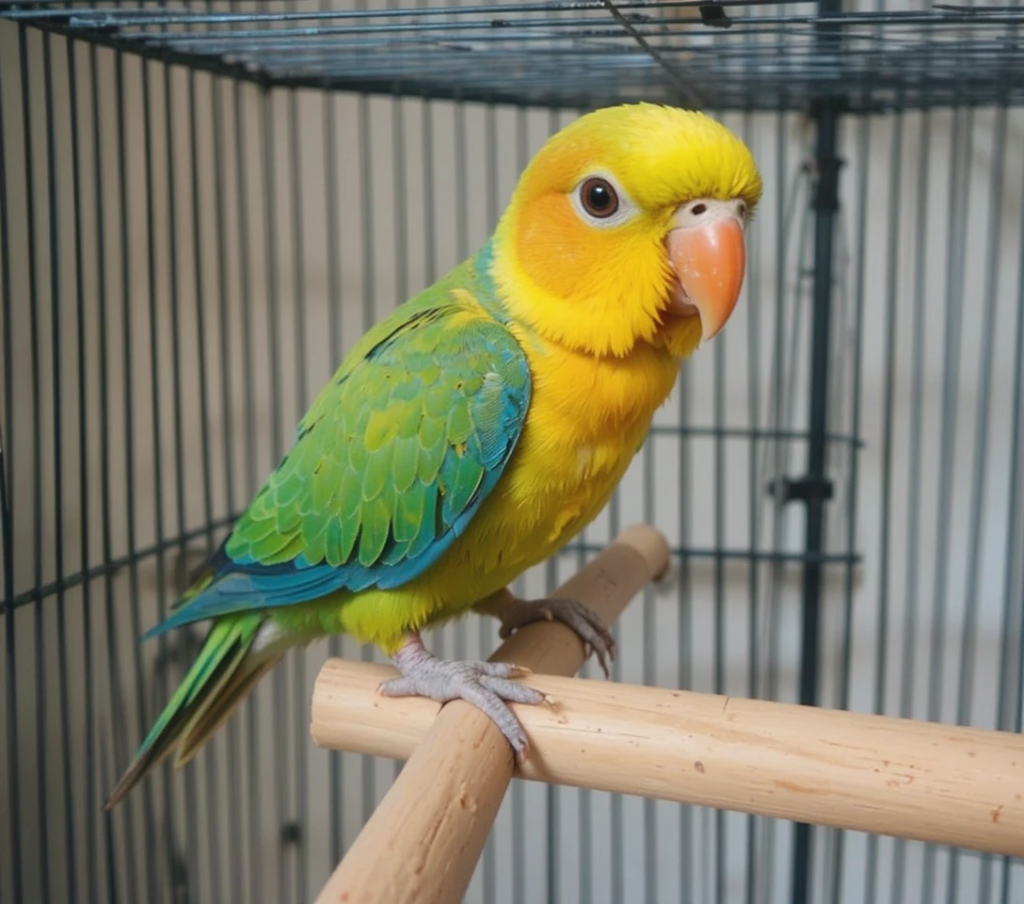
Let’s be honest. The kitchen seems like a fantastic idea. You’re in there all the time—making coffee, scrambling eggs, pretending to be a gourmet chef. Putting your parakeet’s cage there means company for both of you. They get to watch the action, and you get a cheerful audience for your questionable pancake flips.
But before you clear a spot next to the coffee maker, we need to have a serious, slightly scary, talk. The short, no-nonsense answer is: No. Please, do not put your parakeet cage in the kitchen.
It’s not just a bad idea; it’s one of the most dangerous rooms in your house for a bird. Think of your kitchen not as a cozy diner, but as a tiny, feathery hazard zone.
Why the Kitchen is a “No-Fly Zone”
Your parakeet’s respiratory system is incredibly sensitive—far more than ours. What’s a minor smell to us can be a deadly fume to them. Here’s the breakdown of kitchen dangers:
- The Silent Killer: Teflon & Non-Stick Fumes
This is the biggest, scariest risk. When non-stick cookware (pans, baking sheets, some appliances) is overheated, it releases odorless, toxic fumes for birds. This condition, called “Teflon toxicosis” or PTFE poisoning in birds, can kill a parakeet in minutes. It’s not worth the risk. Even a forgotten empty pan heating up on a burner can be fatal. - The Invisible Cloud: Aerosols & Smoke
Everything that hangs in the air is a problem. That includes:
- Cooking smoke and grease from searing or burning food.
- Aerosol sprays like oven cleaner, air freshener, or non-stick cooking spray.
- Scented candles or strong cleaning products.
All these can cause severe parakeet respiratory healthissues, leading to distress, permanent damage, or worse.
- The Extreme Weather Report: Heat, Steam, & Drafts
Kitens are environments of extremes. A blast of heat from the oven, a cloud of boiling steam from a pot, or a sudden draft from an exterior door can cause dangerous temperature swings and stress for your bird. Sudden temperature changes for parakeetsare a big no-no. - The Sneaky Snack Threat
Beyond fumes, there are physical dangers. An inquisitive parakeet could be exposed to open food they shouldn’t have (avocado, onion, chocolate crumbs), or even worse, find themselves a little too close to an open pot of boiling water or a hot burner.
“But What If I Have a Huge Kitchen and Put the Cage Far Away?”
I can hear the bargaining. It’s a common thought. But here’s the thing: fumes travel. They don’t politely stop at the breakfast bar. There is no truly safe distance for bird cage from stove. Airborne toxins circulate through the entire room and beyond. A “far corner” isn’t a guarantee; it’s just a slower, riskier exposure.
Your best bet for parakeet cage safety is complete avoidance. It’s not being overly cautious; it’s being a responsible bird owner.
So, Where Should The Cage Go?
You wanted your feathered friend nearby for social time, and that’s a great instinct! Just direct it to a safer venue. The best rooms for parakeet cage are socially active but controlled, like:
- The Living Room:Where the flock (your family) hangs out, away from TVs and speakers.
- A Home Office or Den:For company during the day.
- A Dining Room:Often quieter than a kitchen but still central.
Remember the core rules: a draft-free spot, out of direct sunlight, against a wall for security, and at a good height (chest level). This creates a healthy environment for budgies where they can thrive without hidden dangers.
The Final Ladle of Advice
Look, we all want our birds to be part of the daily hustle and bustle. But the kitchen is a drama-filled stage with invisible threats. The risks of kitchen hazards for pet birds are severe and well-documented by vets and bird experts alike.
Choosing a different room isn’t depriving your parakeet; it’s protecting them. It’s the difference between being a spectator at a calm garden party versus being a spectator at a grease fire. One is enjoyable; the other is a catastrophe.
So, keep the bird out of the kitchen. Let them enjoy the smell of your cooking from the safety of the next room. They’ll live a longer, chirpier life for it—and you can save your gourmet disasters for a human audience.
Parakeet cage height from floor / Should bird cage be high or low?
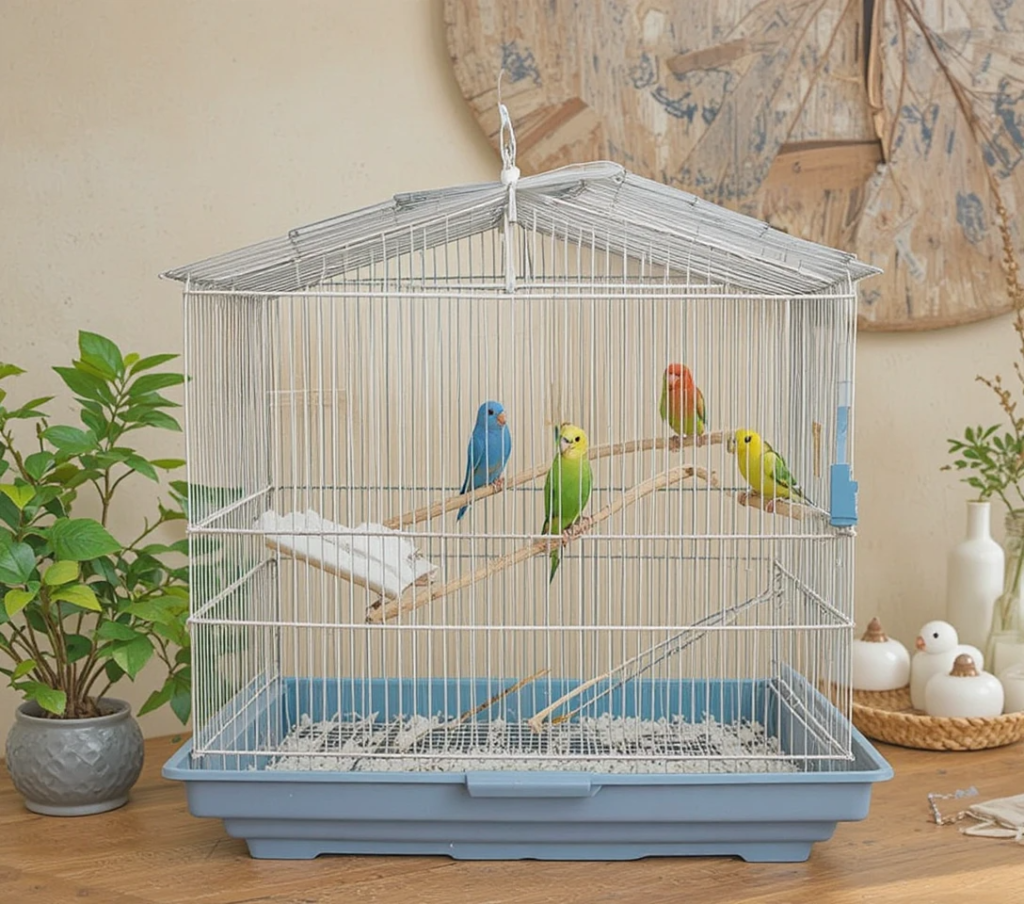
The High and Low of Parakeet Living: A Guide to Height and Cleanliness
Let’s talk about two of the most important, yet oddly connected, parts of parakeet parenting: how high to put the cage, and how to keep it from smelling like a fast-food dumpster. It’s the glamorous life, really.
Getting these two things right isn’t just about aesthetics or your nose. It’s about your bird’s sense of security and their basic health. Think of it as real estate and sanitation, all in one tiny, feathery package.
Part 1: The Great Height Debate – Sky Palace or Basement Apartment?
So, you’ve assembled the cage. Now, do you put it on the floor, on a shelf, or up on a fancy stand? This isn’t just about your viewing pleasure. Where you place that cage vertically sends a big message to your budgie.
In the wild, height equals safety. Predators come from the ground. So, a parakeet placed too low feels vulnerable, like they’re living in a fishbowl where giants constantly loom over them. This can lead to a stressed parakeet, and a stressed parakeet is often a quiet, nervous, or even nippy one.
The golden rule for ideal bird cage height is simple: chest level or slightly higher. This hits the parakeet comfort zone perfectly. It allows them to survey their kingdom (your living room) from a position of security, without feeling like they’re in the nosebleed seats. They’re part of the flock, but safely so.
- Too Low (Floor Level):Makes them feel exposed and insecure. It’s also draftier and collects more dust and activity. Not a secure feeling for budgies.
- Too High (Ceiling Level):Can actually be intimidating for some birds and makes interacting with them a neck-straining chore. It can also be hotter, as heat rises.
- Just Right (Eye Level):Perfect for feeling safe, social, and engaged. This is the recommended cage height for parakeets by most experts.
Your mission: Find a sturdy table or invest in a proper bird cage stand that gets them up to that sweet spot. Avoid wobbly furniture. Nobody likes a shaky high-rise.
Part 2: The Not-So-Glamorous Art of Cage Cleaning
Alright, let’s get our hands dirty. A clean cage is the absolute bedrock of budgie health and wellness. A dirty cage is a breeding ground for bacteria, fungus, and nasty smells that can seriously harm your bird’s sensitive respiratory system. Your parakeet cage hygiene routine is non-negotiable.
The Daily “Spot-Check”:
This is the five-minute save. Every day, quickly swap out the liner paper at the bottom (newspaper, plain paper bags, or cage liners work). Scoop out any visible seed hulls or, ahem, “landmines” from perches and toys. Refresh the water and food dishes. This prevents your bird’s home from turning into a biohazard site by Friday.
The Weekly “Deep Dive”:
Once a week, it’s time for the full deep clean parakeet cage protocol. This is when you:
- Evict your bird to a safe, temporary play area (a small travel cage is perfect).
- Take out everything: perches, toys, dishes.
- Scrub the entire cage down with hot water and a dedicated, bird-safe cage cleaner or a mild vinegar solution (rinse extremelywell!). No harsh chemicals, ever.
- Scrub all the accessories. Those perches get grimier than you think! Let it all air dry completely before reassembling.
This routine is the key to preventing bird cage odor and, more importantly, disease. A clean cage means a happy bird and a home that doesn’t smell like a petting zoo.
The Happy Conclusion: Where It All Comes Together
When you get the height right, your parakeet feels safe and confident. When you keep it clean, they stay healthy and vibrant. It’s a simple one-two punch for fantastic parakeet care.
A clean, well-placed cage is a sign of a great bird owner. It says, “I care about your tiny birdie psychology and your physical health.” Plus, it’s just more pleasant for everyone. You get to enjoy their company without the background aroma of old broccoli and birdie business.
So, hoist that cage to chest height and arm yourself with a good scrub brush. Your parakeet will reward you with vibrant feathers, playful chirps, and the peaceful knowledge that their palace is both a secure fortress and a sparkling clean sanctuary. Now, if only they’d learn to clean it themselves… a parakeet can dream, and so can we.
Is it safe to put a bird cage in the bedroom?
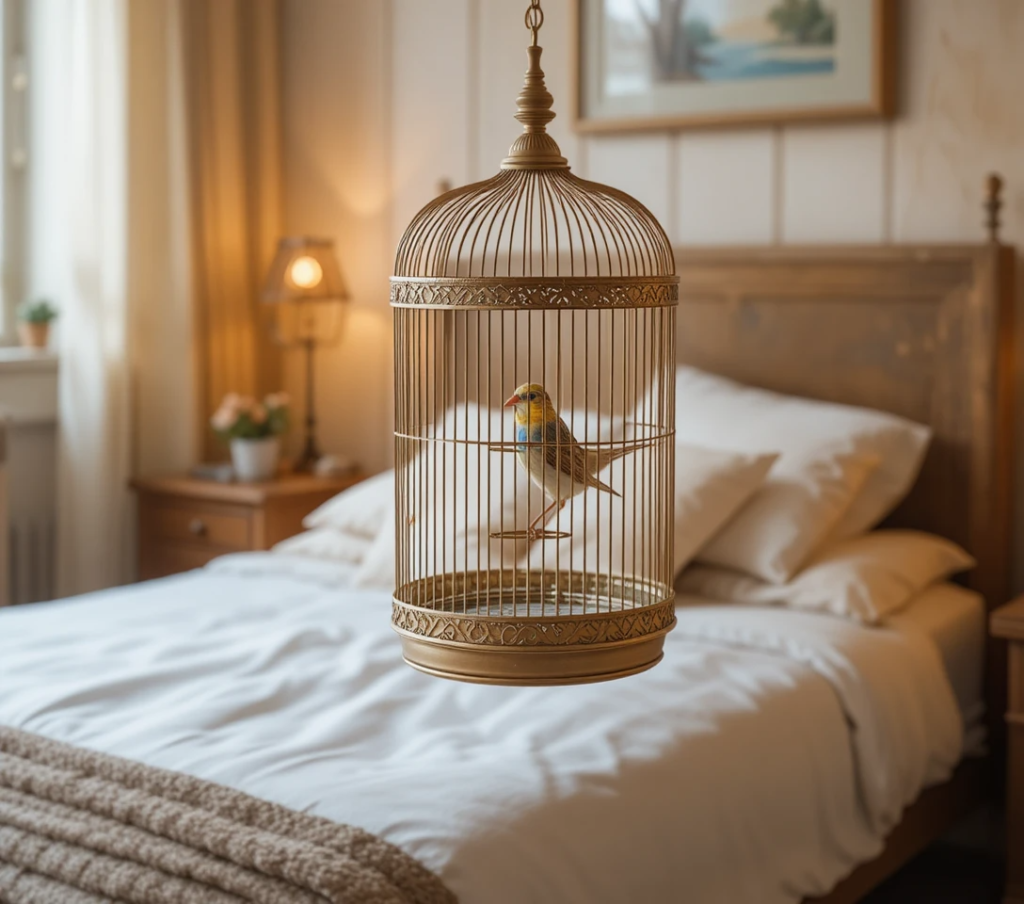
Is Your Bedroom a Birdie Bedlam? The Truth About Cages in the Bedroom
We get it. You love your parakeet. You want them to be part of your world, from your morning coffee to your late-night book. The idea of having their cheerful chirps be the first sound you hear is incredibly appealing. It’s like living in a Disney movie, minus the helpful singing mice.
So, the question seems simple: Is it safe to put a bird cage in the bedroom? Can your feathered friend be your roommate?
The answer isn’t a simple yes or no. It’s more of a “Well, it depends, and here are the seven reasons you might regret it.” Let’s peek under the covers.
The Dreamy Pros: Why You’re Tempted
First, the good stuff. There are some legitimate reasons this seems like a good bird cage location.
- Bonding Time:Having your bird close by for hours can strengthen your connection. You’re literally sharing your private space.
- Security for Solitary Birds:If you live alone, your parakeet gets constant company, which can prevent loneliness.
- Convenience:It’s easy to chat with them first thing in the morning or last thing at night.
Sounds perfect, right? Now, let’s talk about the potential nightmare fuel.
The Sleepless Cons: The Reality Check
This is where the pros and cons of bedroom bird cage placement get real. Your bedroom has one primary function: sleep. For both of you.
- The “Early Bird” Problem (Literally):Parakeets are diurnal. They wake up with the sun. When that first sliver of light hits your window, they will start their morning gossip session. If you like sleeping in, a parakeet in the bedroom is a fluffy, non-snoozable alarm clock. Your bird’s sleep schedule will dictate yours.
- Your Sleep Sabotage:Conversely, you might sabotage their Parakeets need 10-12 hours of solid, uninterrupted darkness. Your late-night phone scrolling, hallway light, or midnight snack run disrupts their crucial rest, leading to a grumpy, stressed bird.
- The Dusty Elephant in the Room:Birds produce a fine powder from their feathers called bird dander. It’s a major allergy risk with bird cages. Breathing in this dust all night can aggravate human allergies and asthma. It’s not exactly the clean air you want for eight hours of deep breathing.
- The Midnight Crisis:What if your bird gets spooked by a dream and flutters noisily in the night? Or has a minor health issue? Your peaceful sanctuary suddenly becomes a bird cage safety monitoring station.
The Verdict: Should You or Shouldn’t You?
For most people, especially light sleepers or those with allergies, the best place for budgie cage is not the bedroom. The risks to sleep quality and parakeet respiratory health (from our dust, perfumes, or low humidity) often outweigh the benefits.
However, if you’re a rock-solid sleeper, go to bed and wake up with the sun, have zero allergies, and your room is consistently draft-free, it can work. But you must commit to their schedule.
Making It Work: A Compromise Fit for Royalty
If you’re determined to try, here’s your bedroom cage setup guide for minimal drama:
- Cover Up:Use a proper bird cage cover to ensure total darkness for 10-12 hours. This helps manage their sleep and might buy you an extra hour of quiet.
- Distance is Your Friend:Place the cage as far from your bed as possible. Across the room is better than on the nightstand.
- Air Purifier Power:Run a HEPA air purifier to cut down on bird dander and dust. This is a game-changer for air quality.
- Routine is King:Stick to a strict light/dark schedule. Cover the cage at the same time every night.
Ultimately, the question of bird cage in bedroom safety is about harmony. Is your bedroom a calm sanctuary for two different species with different needs, or will it become a zone of sleep-deprived resentment?
Think of it this way: sometimes, a little healthy distance makes the heart grow fonder. You can still have that morning greeting—it just might happen over a cup of coffee in the living room, where your well-rested, cheerful bird is thrilled to see you. And you might just be thrilled to see them, too, after eight solid hours of sleep.
Parakeet cage away from direct sunlight
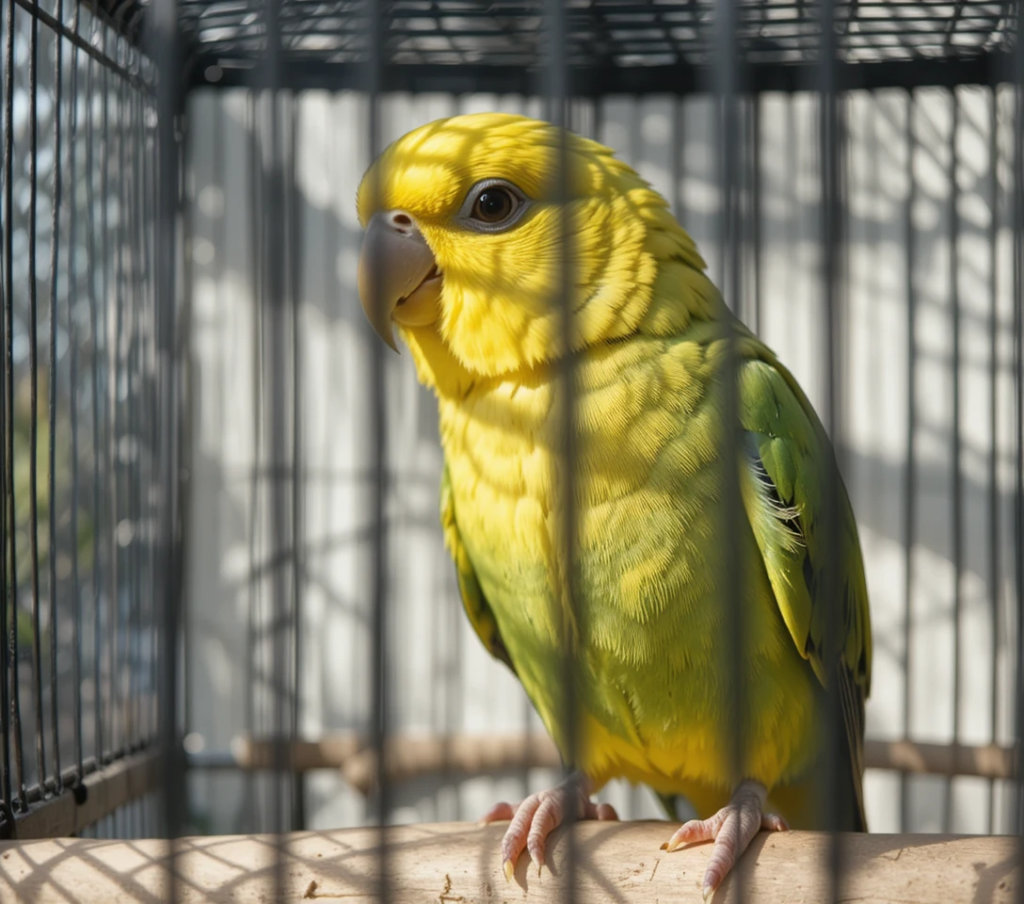
Sunbathing or Sun-Baking? Why Direct Sunlight is a No-Go for Your Parakeet Cage
We all love a sunny spot. That perfect beam of light for reading, for catnaps, for feeling like a happy houseplant. So, naturally, you might think, “My parakeet would love this sunny window ledge! A little vitamin D, a warm nap… perfect.”
Hold that thought. When it comes to your budgie’s cage, direct sunlight isn’t a spa day—it’s a serious hazard. Let’s talk about why you need to be your bird’s personal sunblock manager.
The Danger Zone: Your Cage is Not a Greenhouse
Think about what happens to a car parked in the summer sun. It becomes an oven. Now, imagine your parakeet’s metal and plastic cage. It works exactly the same way.
Direct sunlight through a window creates intense, trapped heat. Your parakeet is tiny, wears a down feather coat, and can’t sweat. They can go from comfortably chirping to a life-threatening heatstroke in parakeets in a shockingly short time. We’re talking minutes.
This is the number one rule of safe bird cage placement: always provide shade. It’s non-negotiable.
But wait, Don’t They Need Sunlight?
Yes and no. They need the benefits of natural light—the routine of day/night cycles and vitamin D for health—but not the direct beam. Ambient natural light for birds in a bright room is fantastic. The direct, unfiltered ray that you can feel on your skin? That’s the danger.
Your goal is to avoid creating a hot spot in bird cage. A perch in direct sun can become too hot for their feet, and the air inside can become stifling. It’s the opposite of a healthy parakeet environment; it’s a tiny, dangerous oven.
Signs Your Bird is Too Hot (And Not Just “Chill”)
Knowing the symptoms of parakeet overheating can save a life. Watch for:
- Wings held away from the body:They’re trying to cool down.
- Panting or rapid breathing:A major red flag.
- Lethargy or sitting fluffed up on the cage floor:This is an emergency.
If you see this, move the cage to a cool, shaded area immediately and contact your vet. Preventing heatstroke in budgies is far easier than treating it.
Finding the Sweet Spot: Light Without the Heat
So, how do you get the balance right for ideal parakeet cage setup?
- The Perpendicular Trick:Don’t put the cage against the sunny window. Place it on a wall next to the window. Your bird gets all the lovely ambient light without the solar death ray.
- Curtains Are Your Co-Pilot:Sheer curtains or blinds are fantastic for diffusing sunlight for bird safety. They break up that intense beam into a gentle, dappled light that’s safe and pleasant.
- Observe the Room’s “Sun Map”:Watch how light travels in the room throughout the day. A spot that’s safe at 9 AM might be a solar furnace by 2 PM. Choose a location that never gets a direct hit.
- Always Have a Shady Retreat:Make sure the cage setup itself has shaded areas. Don’t place all the perches in a spot that could potentially get sun during the day. Give them options.
Ultimately, the best place for your budgie cage is in a bright, socially active room where you can easily control the light. Think of it as setting up a cozy spot in the shade of a tree, not in the middle of a desert.
The Bottom Line: Keep It Cool, Keep It Safe
It boils down to this: direct sunlight and parakeet cages are a dangerous mix. The risk of fatal overheating is far too great. Your feathered friend relies on you to be the judge of their environment.
You can still give them a wonderfully bright life. Just pull the cage back from that window, filter that light, and watch them thrive in their safe, happy, and cool space. They’ll thank you with chirps—not by turning into a feathery french fry. And really, everyone wins when you avoid a tiny bird sauna.
Can parakeet cage be in living room?
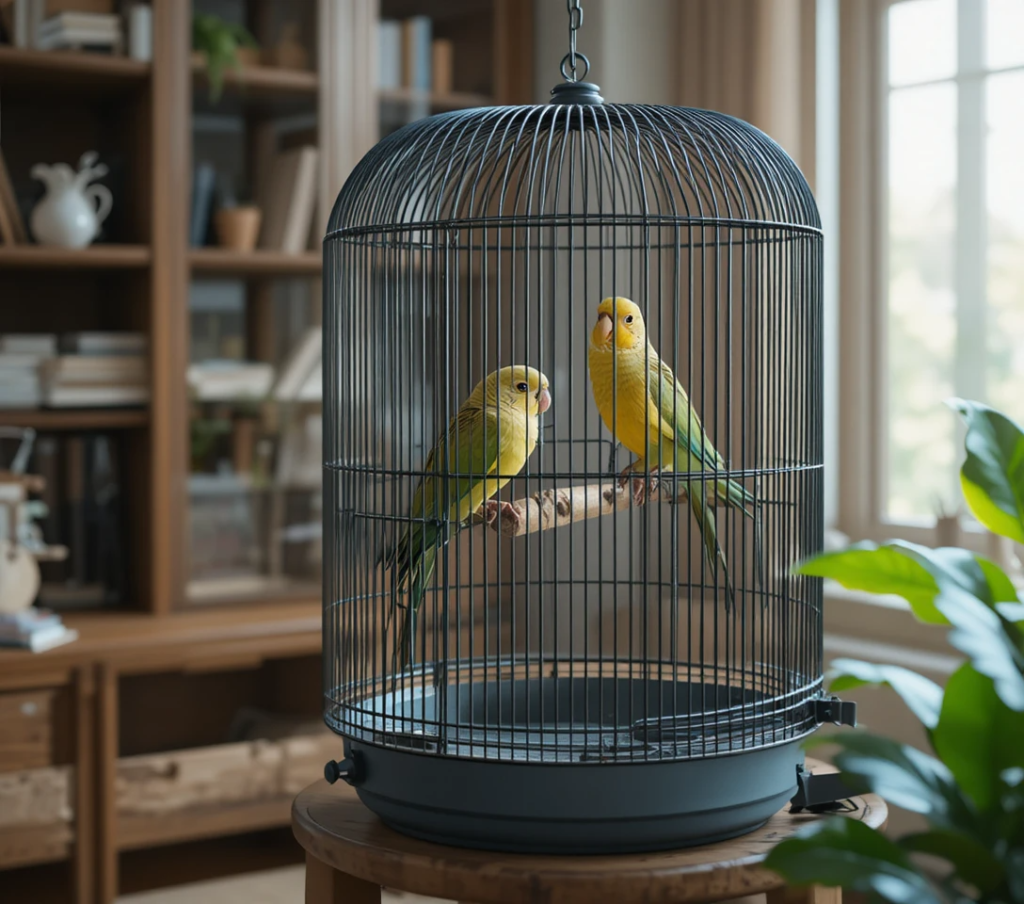
Can Your Parakeet Cage Live in the Living Room? A Survival Guide
Let’s paint a picture. Your living room is the heart of the home. It’s where the couch resides, the TV blares, the family argues over what to stream, and the dog does that weird carpet-rolling thing. Into this beautiful chaos, you’re considering introducing a small, feathered dignitary. A parakeet.
The big question: Is the living room a good place for a parakeet cage?
Short answer: Yes, absolutely. In fact, it’s often the best room for a budgie cage. But (you knew there was a ‘but’), you can’t just plop it down next to the blaring speaker. There’s an art to this.
Why the Living Room is Prime Parakeet Real Estate
Parakeets are socialites. They didn’t evolve to live in quiet, lonely rooms. They evolved to chirp, squawk, and gossip with the flock. Your family is now their flock.
Placing the cage in a social area for bird cage like the living room means they get constant, gentle stimulation. They watch your life like it’s their favorite soap opera (The Bold and the Bored Human). This prevents loneliness and boredom, which can lead to real parakeet behavioral problems like feather plucking or constant screaming.
A busy room placement for their cage, when done right, equals a happy, engaged bird. It’s simple: they’d rather watch you fail to assemble IKEA furniture than stare at a blank wall in a spare bedroom.
The “Danger Zone” Details: Living Room Hazards
Now, the living room isn’t a perfect paradise. It’s a minefield of potential faux-paws. Here’s what to watch for:
- The Volume Knob (Aka, the TV & Speakers):Parakeets have incredibly sensitive hearing. A constant barrage of action movies or thumping bass from a soundbar is stressful, not entertaining. Keep bird cage away from TV and speakers. A calm corner across the room is ideal. Think of it as giving them a quiet table at a busy restaurant.
- The Draft & Sun Tango:That big living room window is tricky. You must avoid direct sunlight and drafts for parakeet A spot that’s perpendicular to the window is perfect—bright but not baking, and out of the direct path of sneaky breezes.
- Peak Traffic Jams:Don’t put the cage right in the hallway to the kitchen or jammed between the couch and the coffee table. They need a calm corner for bird cage, against a wall, where they can observe the action without being in the path of running kids, dogs, or your quest for snacks. This gives them a secure feeling for budgies.
- The Ceiling Fan of Doom:This one’s non-negotiable. Always ensure the cage is far from any ceiling fan, and the fan is off whenever your bird is out flying. It’s a tragedy waiting to happen.
Setting Up the Perfect Living Room Avian Suite
So, where is this mythical ideal spot in living room? Imagine it:
- Against a wall,in a corner of the room.
- At or just above chest heighton a stable stand (so they feel secure).
- Away from the direct line of the TV/speaker,but with a view of the room.
- Not right next to the main window or air vent.
- In a spot where the family naturally relaxes, not just passes through.
This is the best placement for parakeet cage in home. It’s the bird equivalent of a great apartment: a nice view, in a lively neighborhood, but on a quiet street.
The Final Verdict: Roommates, Yes. Chaos, No.
Can a parakeet cage be in the living room? 100% yes. It’s usually the top recommendation for a reason. You’re fulfilling their deep need for companionship and spectacle.
The key is mindful placement. You’re not just adding furniture; you’re adding a tiny, opinionated roommate who notices everything and will definitely comment on your TV choices.
Do it right, and your living room becomes a shared, joyful space. You get the delightful company of a chatty little bird, and they get a front-row seat to the greatest show on earth: your weird, wonderful, human life. Just maybe keep the volume down during the car chases.
Write an SEO-friendly article on “Parakeet cage cleaning” and make sure that you don’t follow AI patterns, but the article should be really simple, and it should make sense and be plagiarism-free. It should be written by an intermediate-level writer. Make sure to add a bit of humour and add some funny lines. Also, do your own research on keywords on this topic and add them in between in the article.
Avoiding drafts for parakeet cage placement
The Sneaky Threat: Why Drafts and Your Parakeet Are Not Friends
Let’s talk about one of the quietest, most sneaky dangers to your parakeet’s health. It’s not the cat. It’s not loud noises. It’s the humble, innocent-looking… draft.
Yes, that little breeze you enjoy on a warm day is public enemy number one for proper parakeet cage placement. You might not even feel it, but for a tiny bird wearing a feather jacket 24/7, a draft is like being stuck in a perpetual, chilly wind tunnel. It’s uncomfortable, stressful, and downright dangerous.
So, let’s break down how to become a draft detective and create a safe, cozy fortress for your feathered friend.
Why Are Drafts Such a Big Deal?
Think of your parakeet as a mini, fragile furnace. They work hard to maintain a high body temperature. A constant, unexpected draft forces them to burn extra energy just to stay warm, weakening their immune system.
This makes them a sitting duck for parakeet respiratory infections. Birds have super sensitive respiratory systems. A drafty spot can quickly lead to sneezing, wheezing, and serious illness. Preventing drafts for budgies isn’t about being fussy; it’s basic healthcare.
In short, a drafty cage is a bird health hazard you can easily avoid. Your goal is to find a draft-free zone for birds.
The Usual Suspects: Common Draft Culprits
Drafts are sneaky. They don’t announce themselves. Here’s where to play detective in your home:
- Windows:The number one offender. Even a well-sealed window can create a cold spot. Run your hand along the edges. Feel a chill? That’s a drafty window danger for parakeets.
- Exterior Doors:Every time that door opens, a gust rolls in. A cage placed in an entryway or hallway is in a draft highway.
- Air Vents & Registers:That comforting stream of heat or A/C is a direct blast of temperature-controlled air. Placing a cage directly over or under a vent is a classic mistake.
- Archways to Unheated Rooms:A cage placed in a doorway to a cooler sunroom, laundry room, or garage will catch those cross-currents of air.
Your mission is avoiding cold spots for bird cage. If you would put on a sweater in that spot, it’s a bad spot for the cage.
How to Build a Draft-Proof Parakeet Paradise
Finding the ideal parakeet environment means creating a stable climate. Here’s your action plan:
- The Wall is Your Ally:Always place the cage against an interior Walls that face the outside world are colder. An interior wall in the heart of your home has the most stable temperature.
- The “Two-Foot” Rule:Keep the cage at least two feet away from any window or exterior door. This gets it out of the immediate draft zone.
- Vent Vigilance:Make sure no air conditioning or heating vent is pointing directly at the cage. You can buy a simple deflector to angle the air away if needed.
- Feel for It:Before you finalize the spot, spend some time there. Sit where the cage will be. Do you feel any movement of air on your neck or hands? Use a candle or a stick of incense (well away from the bird, of course!) – if the smoke wavers, you’ve found a draft.
This is all part of creating a safe space for parakeet. A stable, draft-free spot is one of the kindest things you can provide.
What About Fresh Air? It’s Not the Same!
Now, you might think, “But birds love fresh air!” And you’re right. Good ventilation for bird cage is crucial—this means non-stagnant, clean air in the room. A draft is different. It’s a concentrated, direct, and often cold stream of moving air. Think of the difference between enjoying a gentle breeze in a meadow versus having a desk fan pointed at your face all night. One is pleasant; the other is miserable.
You can achieve great ventilation by simply having a door or window open in a different part of the room, not right by the cage.
The Bottom Line: Cozy is the Goal
Your parakeet doesn’t want to live in a windstorm. By being a bit of a draft detective, you can find that perfect, cozy nook where the air is calm and the temperature is steady.
It’s a simple but powerful part of parakeet care tips that prevents big problems. A draft-free bird is a healthy, happy bird, free to focus on the important things in life: singing off-key, throwing seeds, and judging your choice of television shows. And really, isn’t that the dream?
Parakeet cage placement feng shui / bird cage good luck placement
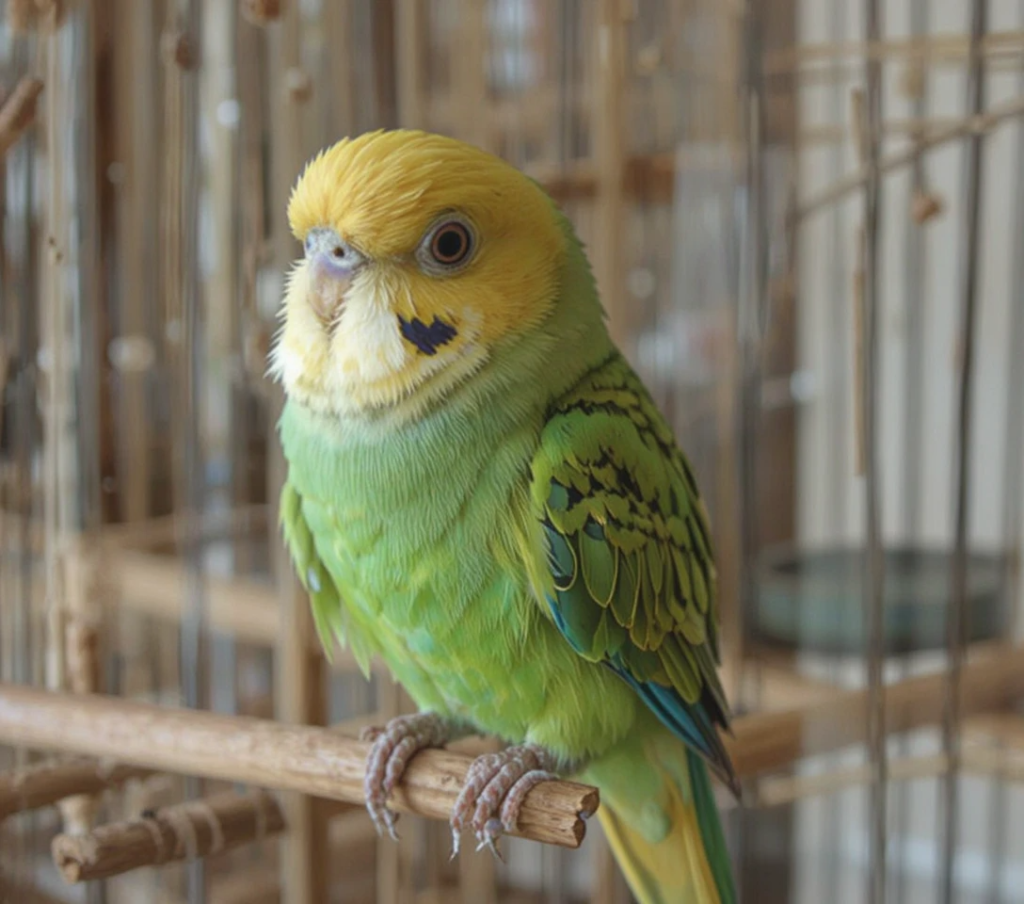
Feathered Harmony: Where to Put Your Parakeet Cage for Good Vibes (and Good Luck)
So you want your parakeet to be happy, healthy, and help your Wi-Fi connect faster? Okay, maybe not the Wi-Fi. But if you’re curious about parakeet cage placement feng shui or the idea of a bird cage good luck placement, you’re not alone. It’s a fun way to think about creating a great space for your bird that also feels right for your home’s energy.
Let’s clear the air first: no spiritual principle outweighs your bird’s real-world safety. But the cool thing is, the goals of feng shui and proper parakeet care often hold hands and skip together. It’s all about positive energy, and a happy bird is positive energy.
Why Even Think About Feng Shui for a Bird Cage?
In feng shui, birds are traditionally seen as symbols of joy, opportunity, and uplifting energy. Their movement and song are believed to activate and circulate chi, or life force energy, in your home. The idea is that by placing your bird’s home thoughtfully, you support their vitality, which in turn boosts the vibe of your space. It’s a win-win for bird and home.
Think of it less about superstition and more about intentional placement for well-being. You’re creating a spot that feels good for everyone.
The Compass of Chirps: Directions & Their Meanings
Here’s where we get into the classic feng shui bird cage direction tips. According to the Bagua map (the feng shui energy map of your home), different areas govern different life aspects.
- The Southeast Corner (Wealth & Abundance):This is a classic bird cage wealth corner The lively, active energy of your bird is said to help stimulate prosperity and the flow of all good things. Just make sure it’s not in a gloomy, cluttered southeast closet. The energy has to actually flow!
- The East (Health & Family) or South (Fame & Reputation):These are also considered excellent areas. The East supports health and family harmony—perfect for your feathered family member. The South, connected to fire energy and recognition, can be boosted by a bird’s vibrant presence.
- The Entryway (Welcoming Opportunities):Placing the cage so it’s visible from the front door (but not in a direct draft!) is said to welcome positive opportunities into your home. It’s like having a tiny, cheerful greeter.
Remember, your parakeet’s comfort zone comes first. A scared bird in a perfect feng shui spot is bad feng shui. A happy bird in a decent spot is great feng shui.
The “Must-Avoid” Zones (Common Sense & Spirituality Agree)
Some feng shui no-nos line up perfectly with bird care basics. It’s almost like ancient wisdom knew about modern central heating.
- Bathrooms & Kitchens:In feng shui, these rooms have draining or chaotic energy. For your bird, they’re full of toxic fumes and hazards. A firm no on both fronts.
- The Bedroom:Feng shui often advises against too much active energy (like a bird’s) in the restful bedroom. And as we know, birds need quiet darkness for 12 hours, which is tricky in a human bedroom. The consensus is clear.
- Isolated, Dark Corners:This stagnates energy in feng shui and causes loneliness and boredom in parakeets. Another agreement! Your bird wants to be part of the family flock energy.
Bringing it All Home: Practical Placement for Good Luck
So, how do you find this magical spot? Start with safety: a draft-free, bright, social area at chest height. Then, see how it aligns.
Is that safe corner in your living room also in the southeast area of your home? Bonus! Does that perfect wall in your den align with the East? Fantastic!
If the ideal feng shui direction would put them in a draft or direct sun, choose the safe spot. A healthy, chirping bird in a sub-optimal direction brings more positive energy than a sick bird in the “perfect” spot.
Final Thought: The very best good luck charm you can have is a thriving, joyful pet. By giving them a safe, social, and stimulating environment, you’ve already mastered the most important principle: creating a home filled with care and lively energy. That’s the real secret. The rest is just figuring out which way their happy chirps are pointing your compass.
Parakeet cage next to TV or speaker
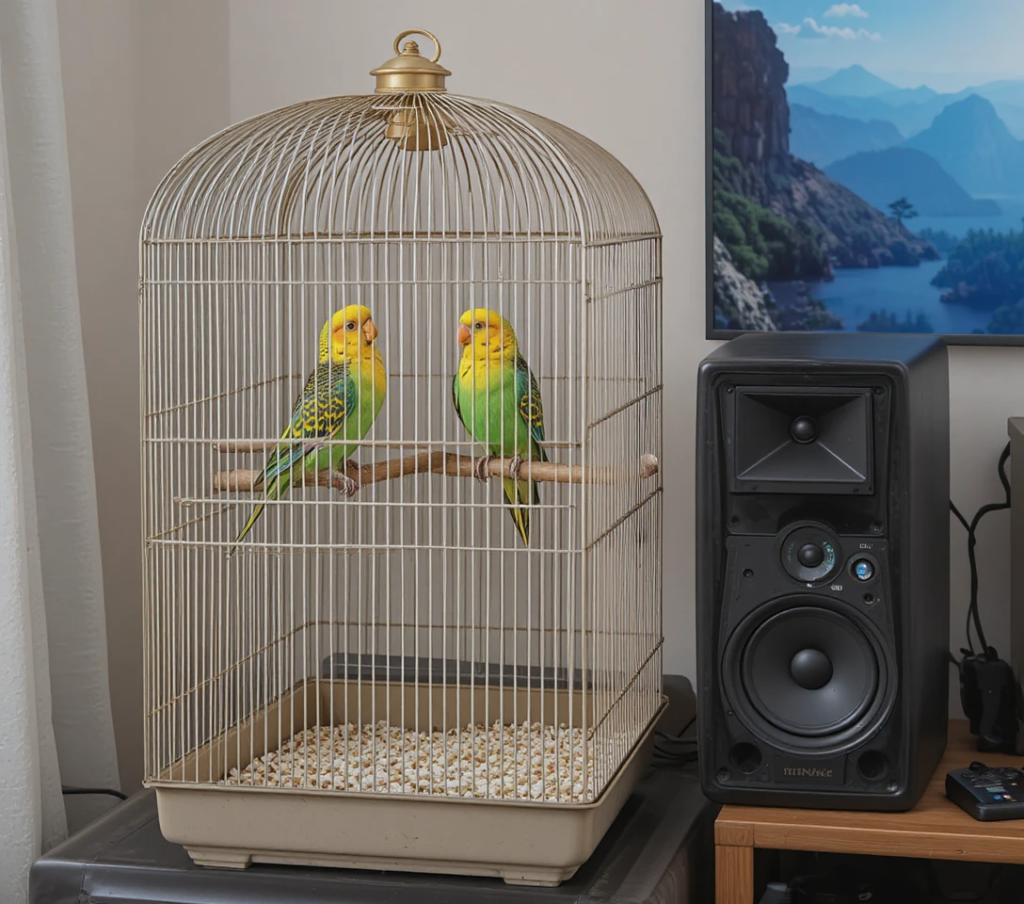
Is Your TV Scaring the Feathers Off Your Parakeet?
Let’s be real. The living room seems like the perfect spot for your parakeet’s cage. It’s where the people are, the action happens, and let’s face it, where you spend most of your time binge-watching your favorite shows. So, naturally, you might think about parking the cage right next to the TV stand or a speaker. It’s convenient, and hey, maybe they’ll enjoy the show too?
Hold that thought. Before you make your budgie a permanent critic of your Netflix choices, we need to talk about why this is a seriously flawed plan. Spoiler alert: it’s not about their poor taste in movies.
A Parakeet’s Ears vs. Your Soundbar: An Unfair Fight
You know how you can tune out the TV after a while? Your parakeet can’t. Their hearing is incredibly sensitive, designed to pick up the faintest rustle of a leaf (or the ominous crunch of a snack bag from two rooms away).
Placing their cage next to a TV or speaker is like forcing them to live inside a movie theater’s subwoofer. The constant, often jarring noise—explosions, dramatic scores, sudden commercials blaring—isn’t entertainment to them. It’s a source of chronic stress for parakeets. This can lead to a fearful, skittish bird, or even parakeet behavioral problems like feather plucking or constant screaming (their only way to compete with the noise).
The Three Big Dangers of the “Home Theater” Seat
- Volume Spikes are the Enemy:Even if you keep the volume at a “reasonable” level, action scenes, video game sounds, or a loud commercial can erupt without warning. These sudden loud noises and birds are terrifying for a small creature, triggering their instinct to flee from danger. There’s no safe volume for parakeet when the source is inches away.
- The Invisible Shake (Vibrations):It’s not just about what they hear. Low-frequency sounds from speakers create physical vibrations through the cage bars and perches. This constant, unsettling hum is a major bird cage placement mistake that prevents them from ever truly relaxing.
- They Can’t Escape:In the wild, a bird can fly away from an unpleasant sound. In a cage glued to your entertainment center, they’re a captive audience to the chaos. This lack of control is deeply stressful and prevents you from creating a calm environment for budgies.
“But My Bird Seems Fine! They Chirp Along!”
Don’t be fooled. A bird that chirps when the theme song comes on isn’t necessarily happy. They might be trying to communicate over the din or have simply given up protesting. The long-term effects of noise pollution on pet birds are subtle but real: chronic stress weakens their immune system, making them more prone to illness. It’s a slow burn, not a single scare.
So, Where Should the Cage Go? Finding the Sweet Spot.
The goal is social inclusion without sonic assault. You want them to be in the living room, but not in your sound system.
- The “Quiet Corner” Rule:Place the cage on the opposite side of the room from the TV and speakers. This dramatically reduces the intensity of the sound and vibrations. A corner is ideal, as it feels secure.
- Create a Sound Buffer:Use furniture like a bookshelf or a large chair as a physical barrier between the speaker and the cage to help block and diffuse the sound waves.
- Observe Their Body Language:Once moved, watch for signs of a more relaxed bird: preening calmly, taking naps, playing with toys. This is how you know you’ve found a good spot for parakeet cage.
- Headphones are Your Friend:When you want to crank up the volume for a big game or movie, consider using headphones. It’s the ultimate act of considerate pet ownership.
The Final Scene
Think of it this way: your parakeet’s cage is their bedroom, kitchen, and living room all in one. You wouldn’t put your own bed right on top of a blaring speaker. Give your feathered friend the same courtesy.
By moving the cage to a calm corner of the living room, you’re not isolating them. You’re giving them a front-row seat to family life from a comfortable, safe distance. They get all the social benefits without the audio nightmares. They’ll be happier, healthier, and you might just find they have more to say once they’re not constantly being talked over by a car chase.
And who knows? From their peaceful perch, they might finally give your movie selection the silent, judgy critique it deserves.
Parakeet cage placement FAQs:
1. What’s the #1 rule for placing a parakeet cage?
Answer: Think social, but not chaotic. Your budgie is a flock animal. The cage should be in a room where people hang out (like a living room), but not in the middle of a footrace between the dog and the vacuum cleaner.
2. Is a window spot a good idea?
Answer: It’s complicated. A little natural light is great, but direct sunlight through glass can turn the cage into a tiny oven. A spot on a wall next to the window is perfect—they get the light without the heatstroke.
3. Can I put the cage in my kitchen for company?
Answer: Absolutely not. Kitchens are full of invisible dangers. Fumes from overheated non-stick pans (Teflon) are fatal to birds. Add in cooking smoke and aerosols, and it’s a hazard zone. Keep them out.
4. How high off the floor should the cage be?
Answer: Aim for chest height or a bit higher. This gives your bird a sense of security (they can see their domain) and makes them feel part of the action. The floor is for dust bunnies, not parakeets.
5. Is my bedroom an okay spot?
Answer: Rarely. You need darkness to sleep; your bird needs 10-12 hours of it, too. Your late-night scrolling or early alarm clock ruins their rest. Plus, bird dust isn’t great to breathe all night. It’s usually a lose-lose.
6. Why is everyone so worried about drafts?
Answer: Parakeets are tiny and prone to respiratory issues. A constant draft, even one you barely feel, forces them to use all their energy just to stay warm, stressing their system. Drafts are public enemy #1.
7. My living room is the best spot, but where exactly?
Answer: The ideal spot in the living room is against an interior wall, in a corner, away from the blaring TV speaker, and not in front of a drafty window. Think “cozy observation post,” not “center stage.”
8. Can the cage be in a quiet, unused room?
Answer: A quiet room is a lonely room. Parakeets can become bored, sad, and even develop behavioral problems like screaming or feather-plucking. They need gentle, daily hustle and bustle.
9. What’s the deal with putting cages near air vents?
Answer: Heat or A/C blowing directly on a bird is a terrible idea. It creates extreme temperature fluctuations and is basically a concentrated draft. Move it away or deflect the vent’s flow.
10. Does feng shui matter for cage placement?
Answer: It can be a fun guide! Traditions often place bird cages in the southeast (wealth) or east (health) areas of a home. The best part? Good feng shui usually aligns with good, draft-free, social spots anyway.
11. Should I worry about my ceiling fan?
Answer: YES. This is a critical safety rule. Always ensure the cage is placed well away from any ceiling fan, and the fan is off whenever your bird is out flying. No exceptions.
12. Is it bad to have the cage next to the TV or a speaker?
Answer: Very. Parakeets have super-sensitive hearing. Constant noise and sudden volume spikes from a TV or speaker are incredibly stressful. It’s like living inside a concert speaker. Give them a quieter corner.
13. Can I move the cage around often?
Answer: Parakeets are creatures of habit. Moving their “territory” daily can be stressful. Find a great, permanent spot. The only exception is moving it to a quiet, dark room for sleep if their day-space is too noisy at night.
14. What’s a “sleep cage” and do I need one?
Answer: It’s a smaller, secondary cage used solely for sleep in a quiet, dark room. It’s a great solution if the best day-time spot (like the living room) can’t provide 12 hours of uninterrupted darkness.
15. My bird seems scared in its new spot. What now?
Answer: Give them time to adjust. Ensure the spot isn’t too overwhelming. If they’re still panicky after a week, the location might be too chaotic. Try a slightly calmer corner in the same social room.
16. Does cage placement affect bonding?
Answer: 100%. A cage in a social area for bonding means you naturally talk and interact with them more throughout the day. A bird stuck in a lonely room only sees you during “visiting hours.”
17. What’s the one thing I’m probably forgetting?
Answer: The view! Make sure one side of the cage faces a wall or a corner for security, but the other has a clear view of the room. They want to watch their favorite show (you making dinner).
18. Can other pets affect where I put the cage?
Answer: Absolutely. Even the friendliest dog or cat can cause subconscious stress. Place the cage where other pets cannot constantly stare or paw at it, and never leave them unsupervised together.
19. Is sunlight through a window really that dangerous?
Answer: Yes. Glass amplifies heat. A cage in direct sunlight can cause fatal heatstroke in under an hour. Always filter direct sun with a sheer curtain or pull the cage back.
20. Any final, funny-but-true tip?
Answer: Your goal is to avoid the three S’s: Shivers (drafts), Sunburns (direct sun), and Spooks (isolation/loud noises). Master that, and you’ve nailed it. Your parakeet will be too busy enjoying their prime-time view to complain. Much.
There you have it! The cage placement conundrum, solved. Now go find that perfect perch-pective for your pal.